

We may earn a commission when you buy through links on this page, at no extra cost to you. Learn more.
Clos du Val wine comes from a Napa Valley winery founded in 1972 in the Stags Leap District, and it is known for elegant, vibrant wines built around Bordeaux-style varieties and a focus on balance. The winery’s own site credits the Goelet family as owners and names Bernard Portet as the winemaker whose search led to the estate. The property sits on the Silverado Trail in Napa, and the brand describes its wines as aiming for harmony across the senses. This guide covers the winery’s background, the style of its wines, how to serve them, and what to pair with them.
Clos du Val is one of the older names in Napa Valley, and its location in the Stags Leap District gives its wines a particular identity. Buyers who see the name on a shelf often want to know whether it is a Cabernet Sauvignon house, what sets it apart from other Napa producers, and how to serve the wines well. The sections below answer those questions using the winery’s own materials and general wine reference guides.
The Winery’s Founding and the Goelet Family
According to the winery’s website, Clos du Val was founded in 1972. The site describes a search by winemaker Bernard Portet that led him south through Napa Valley to a sheltered pass, where he noticed the air grow colder. That search ended in the Stags Leap District, which the winery describes as cool and rugged. The site credits the Goelet family with the project and identifies Olav Goelet as the third-generation owner, which gives the brand a long-term family ownership story.
The founding story matters because it explains the winery’s approach. A cooler site usually means slower ripening, and slower ripening tends to keep acidity and structure in the grapes. Winemakers in cool Napa sites often talk about balance and freshness for exactly that reason, and Clos du Val frames its own philosophy in those terms, describing a harmony that entices all the senses.
Where Clos du Val Sits in Napa Valley
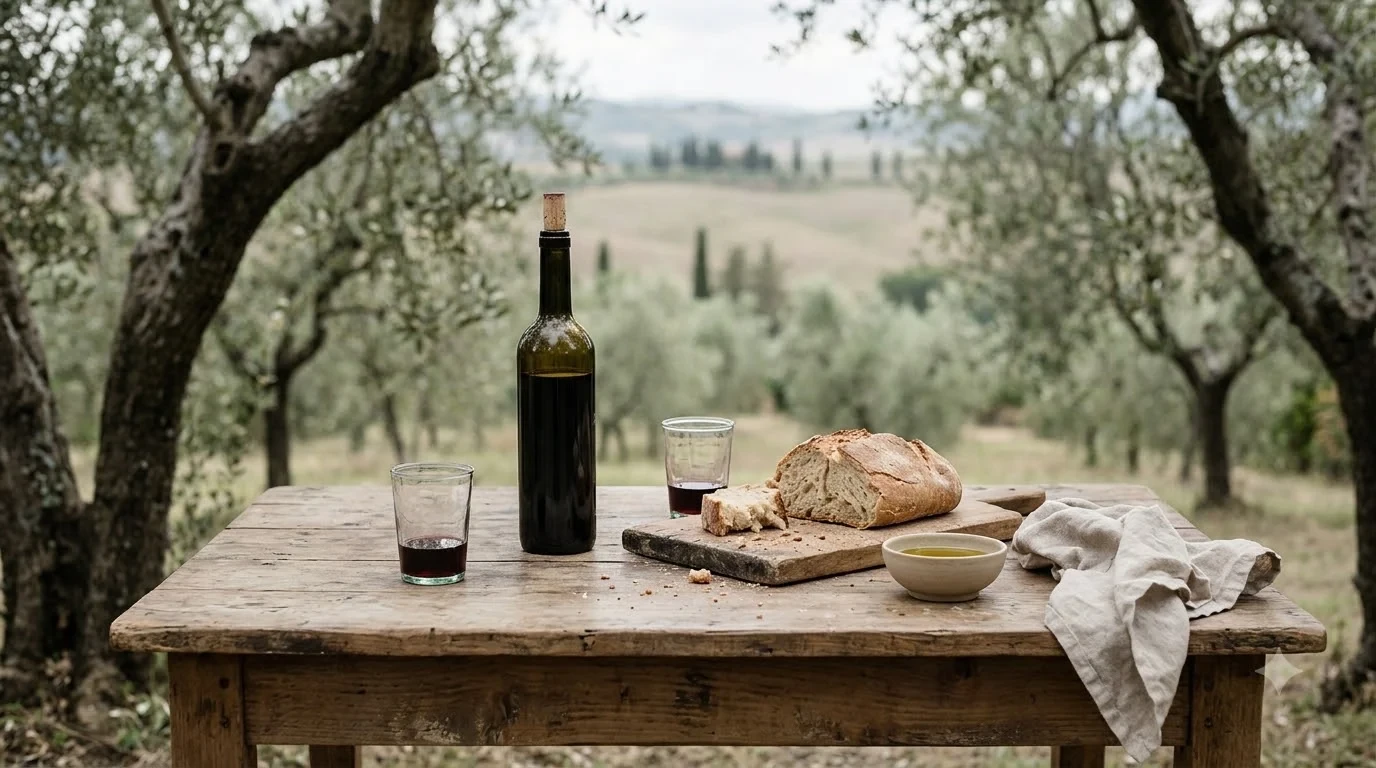
The Stags Leap District is a small area in the eastern part of Napa Valley, known for its distinctive vineyard conditions. The winery’s address, 5330 Silverado Trail in Napa, places the estate on the road that runs along the valley floor. The site describes the district as cool and rugged, a phrase that signals the difference between this location and the warmer valley floor further north.
Location is one of the main reasons Napa wines vary so much from one sub-area to another. Clos du Val’s cooler setting is a useful reference point when you compare its bottles with wines from warmer parts of the valley. Those comparisons are a good way to learn how terroir shows up in the glass, and they are especially useful when you are choosing between two Cabernet Sauvignons at similar prices.
| Clos du Val detail | What the winery’s materials say |
|---|---|
| Founded | 1972 |
| Region | Stags Leap District, Napa Valley, California |
| Address | 5330 Silverado Trail, Napa, CA |
| Owners | Goelet family; Olav Goelet named as third-generation owner |
| Winemaking approach | Vibrant, elegant wines; a harmony that engages all the senses |
What Clos du Val Wines Taste Like
Clos du Val is usually discussed as a Bordeaux-style house, which means the wines are built around the varieties of Bordeaux, especially Cabernet Sauvignon and Merlot in Napa. The winery’s own site describes its wines as vibrant and elegant rather than heavy or overly ripe. That framing points toward Cabernet with structure, fresh acidity, and a finish that stays clean rather than syrupy.
Expect dark fruit and herbal notes in Cabernet-led bottlings, with texture that comes from oak aging and tannin. Merlot tends to be softer and rounder, with plum and red berry flavors. The winery’s site also points toward a focus on the senses in general, meaning that aroma, texture, and finish are all part of how the wines are judged. A good Clos du Val bottle should feel balanced on the palate, neither thin nor overpowering.
How to Serve Clos du Val Wines
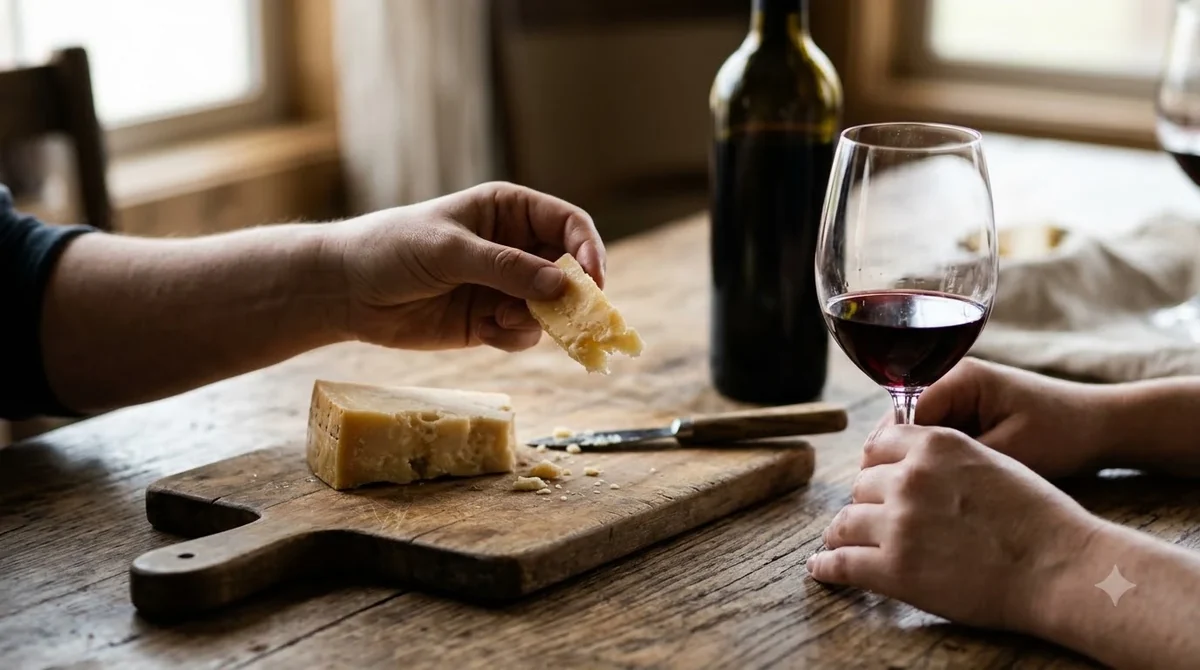
Serve Cabernet Sauvignon and Merlot slightly below room temperature. A warm room can make a red taste heavy and alcoholic, so a short time in a cooler spot before serving helps the fruit and structure show. Pour into a generous red wine glass, and give the wine a few minutes in the glass so the aromas open. A bigger, more structured Cabernet can benefit from a short decant, which softens the tannins and lets the wine breathe.
For younger, firmer bottles, a decant some time before the meal is a common approach, while older bottles should be decanted gently and close to serving time so any sediment stays in the bottle. Whatever the vintage, keep the wine away from direct heat once it has been opened, and finish the bottle within a day or two for the best flavor.
Food Pairings for Clos du Val
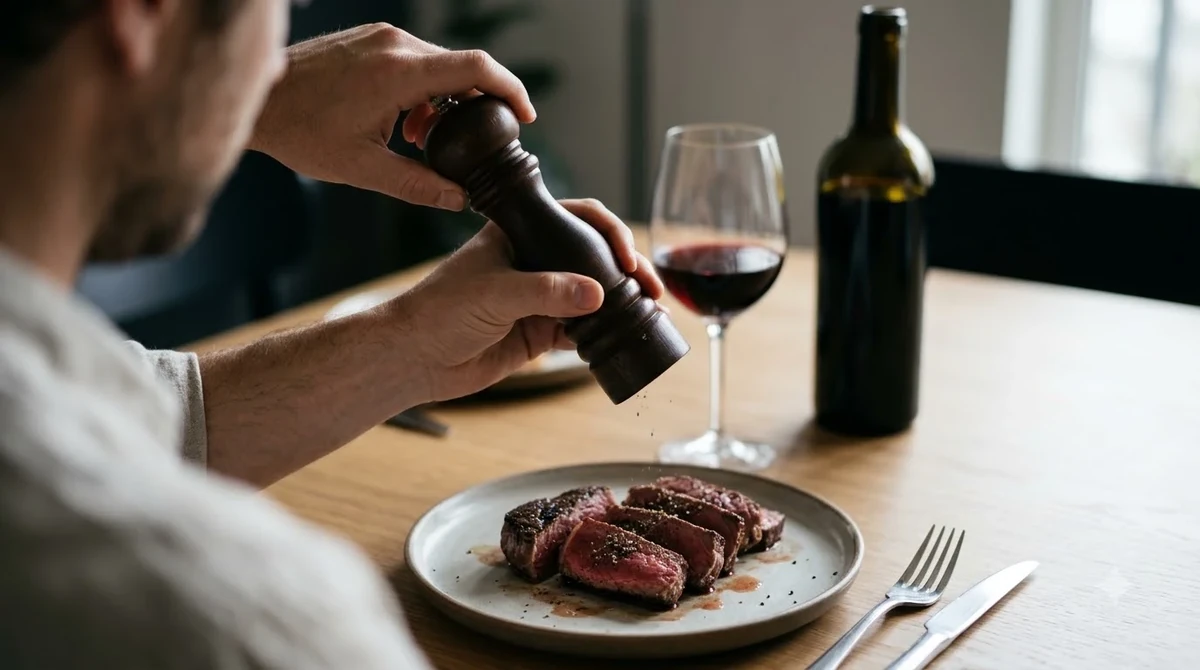
Cabernet-based wines from Napa go best with rich, savory dishes. Grilled steak, roast lamb, braised short ribs, and aged cheeses all work because the tannin in the wine balances the fat and protein in the food. The wine’s fruit and herbal notes also complement roasted vegetables, mushrooms, and dishes with rosemary or thyme.
Merlot pairs with a wider range of foods. Roast chicken, pork tenderloin, pasta with tomato sauce, and mushroom risotto suit its softer texture. For a lighter option, a Clos du Val Merlot can accompany grilled salmon or a plate of roasted root vegetables, where the wine’s fruit adds sweetness without overwhelming the dish.
How to Choose a Clos du Val Bottle
Start with the grape you prefer. If you like structured reds with firm tannin, a Cabernet-led bottling will feel familiar. If you want something rounder and easier to drink on a weeknight, look at the Merlot. Read the back label for the vintage and the appellation, since Napa Valley and Stags Leap District on the label tell you a lot about the style.
It also helps to think about the occasion. A Napa Cabernet from a cooler district is a good choice for a special dinner, a gift, or a tasting with friends who already know Napa wines. For a casual evening, a lighter red or a Merlot may be more relaxed. If you are comparing Clos du Val with other Napa producers, tasting two bottles side by side at the same temperature will show you the difference more clearly than any description. Write down what you notice about fruit, acidity, and tannin for each glass, because those three notes make it much easier to remember which style you preferred.
Frequently Asked Questions
When was Clos du Val founded?
The winery’s website says Clos du Val was founded in 1972 in the Stags Leap District of Napa Valley.
Where is Clos du Val located?
The winery’s address is 5330 Silverado Trail in Napa, California, in the Stags Leap District. The site describes the district as cool and rugged.
Who owns Clos du Val?
The winery’s site credits the Goelet family and names Olav Goelet as the third-generation owner.
What kind of wine is Clos du Val known for?
Clos du Val is known for vibrant, elegant Napa wines in a Bordeaux-style framework, with Cabernet Sauvignon and Merlot among the main varieties discussed by wine buyers.
Clos du Val is a useful reference point for anyone learning how Stags Leap District wines differ from other parts of Napa Valley. To explore other producers, see the Pedernales wine and Spottswoode wine guides, and the Stella Rosa Red page covers a very different style for comparison. For the winery’s own history and contact details, visit the Clos du Val website.
More in Wine Brands
 Underwood Wine Price: Compare Bottles, Cans, and Pack SizesUpdated Nov 21, 2026
 Zenato Wine Price: Compare Styles and Choose the Right BottleUpdated Nov 21, 2026
 Zuccardi Wine Price: Compare Bottles and Find the Right RangeUpdated Nov 21, 2026
 Yellow Tail Moscato Review: Taste, Sweetness and Serving TipsUpdated Nov 21, 2026
 Wolf Blass Yellow Label Review: Choose Your Best StyleUpdated Nov 21, 2026
 Wolffer Estate Rose Review: Choose the Right Bottle for Your TableUpdated Nov 21, 2026