

We may earn a commission when you buy through links on this page, at no extra cost to you. Learn more.
Stags Leap vineyards sit inside the Stags Leap District, a small appellation in Napa Valley where the hills and volcanic soils give the wines a recognizable character. The district was approved in 1989 and covers about 2,550 acres, with roughly half of that land planted. It is best known for Cabernet Sauvignon and Petite Sirah, and its reputation was built in large part on a famous 1976 tasting that put California wine on the world stage.
This guide explains where the Stags Leap vineyards are, how the soils and climate set them apart from neighboring parts of Napa, which grapes grow there, and how to choose and serve a bottle. It is written for readers who want a clear overview of this well-known Napa area before they buy.
Where the Stags Leap District is
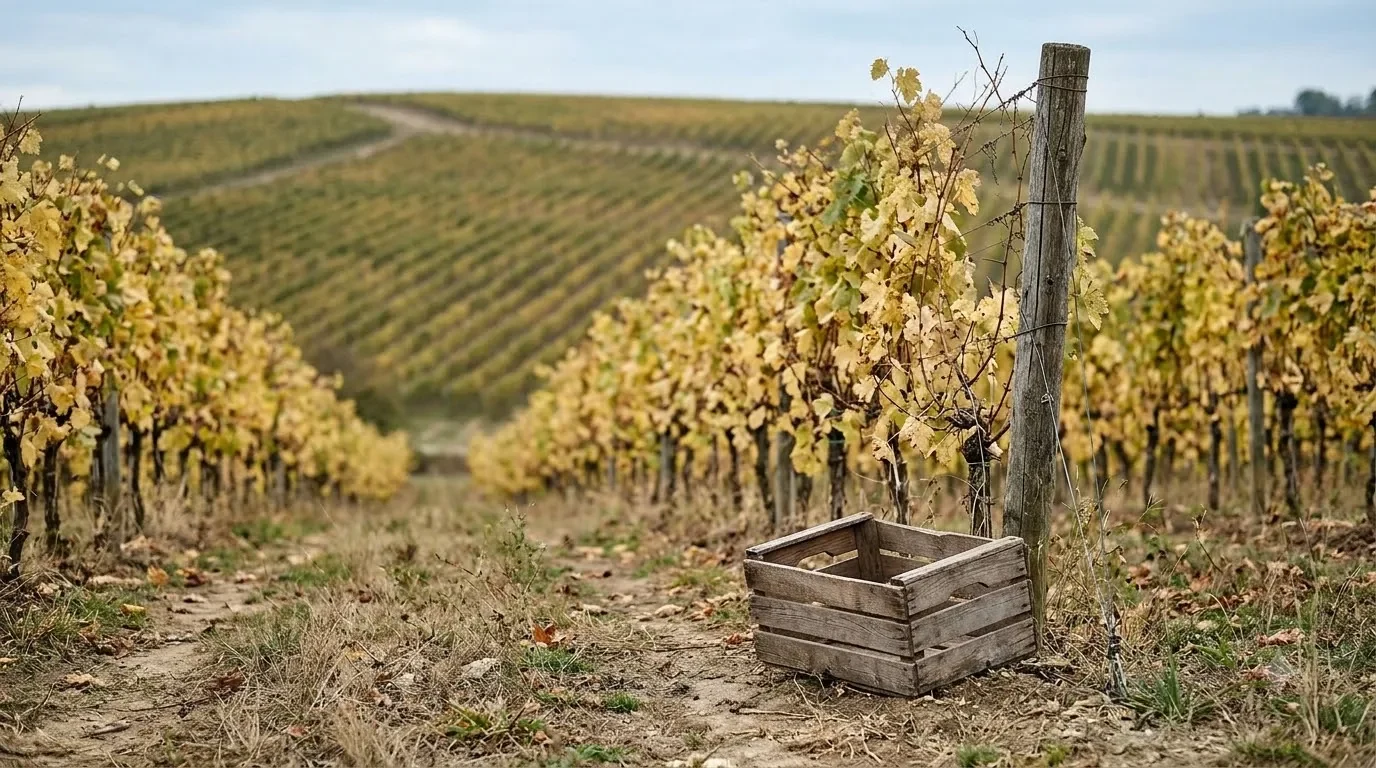
The Stags Leap District is an American Viticultural Area in Napa County, California. It lies directly east of Yountville, about seven miles north of the city of Napa. The appellation is small, covering about 2,550 acres, and roughly 1,250 of those acres are planted to vines. The district is sometimes described as a valley within a valley, because hills or mountains surround it on three sides.
That enclosed position is part of its identity. Vineyards here sit in a compact area, and the surrounding ridges help define the local conditions that growers work with every season.
Soils and climate that set the district apart
The soils are the feature most often cited as distinctive. The district’s dominant soil series is Bale, which is somewhat poorly drained and formed in alluvium from volcanic and igneous rock. Volcanic parent material is mixed with Cole silt loam and Bale clay loam across the vineyard land. When the district was approved, the regulators concluded that soil, including the subsoil, was the main feature separating it from surrounding areas.
The climate is warm and fairly dry. The growing season runs about 249 days, and the plant hardiness zone is 9a to 9b. Annual precipitation is roughly 25 to 30 inches. One study cited in the district’s Wikipedia entry found that daytime highs and nighttime lows were generally a few degrees warmer than at a valley-floor station, although the approval process did not treat temperature as a key difference.
For wine drinkers, the practical result is a set of reds with firm structure and dark fruit, shaped by warm days and the mineral character of the soils.
Grapes grown in the Stags Leap District
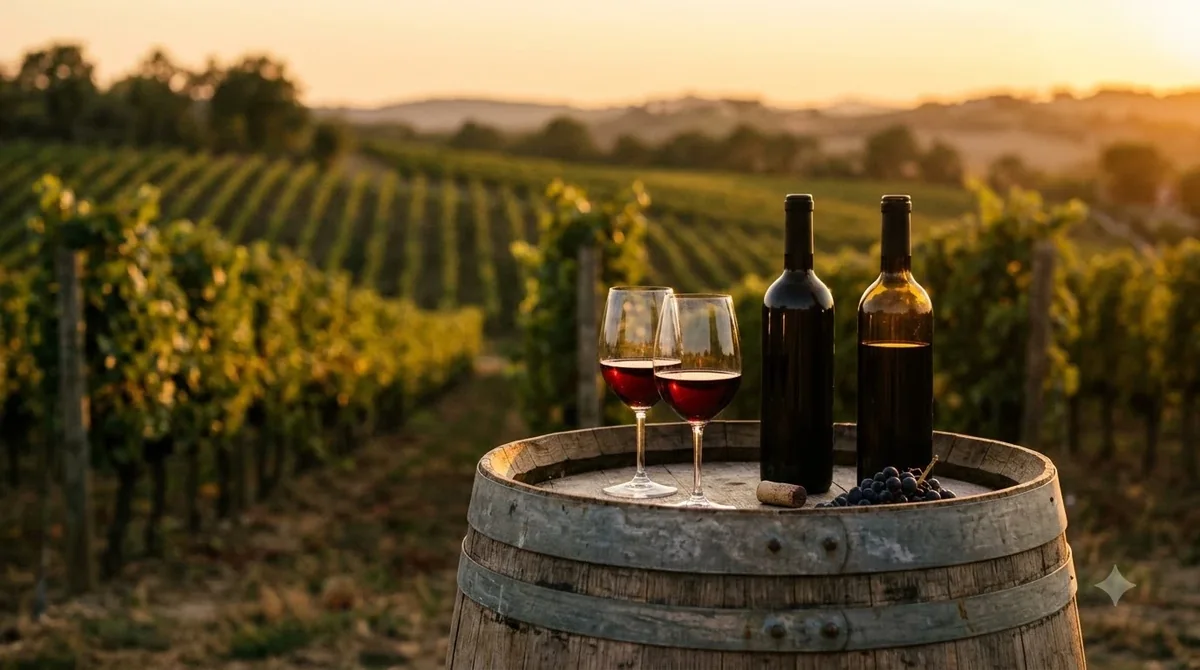
Cabernet Sauvignon is the variety the district is most associated with. Petite Sirah is also notable here, and growers plant a wide mix of other grapes, including Merlot, Cabernet Franc, Malbec, Syrah, Zinfandel, and Petit Verdot. White varieties such as Chardonnay and Sauvignon Blanc are grown as well, though red wine dominates the area.
Merlot shows up often in the blends of the district, and it helps round out the firmer structure of Cabernet. Wine Folly’s Merlot profile describes the grape’s typical flavors as cherry, plum, and vanilla, with a soft texture that is less astringent than Cabernet Sauvignon. Napa Merlot is often described as full-bodied and velvety, which is a good way to think about the style of many red blends from this part of the valley.
| Style | Typical grapes | What to expect |
|---|---|---|
| Structured red | Cabernet Sauvignon | Dark fruit, firm tannin, savory depth |
| Bold red | Petite Sirah | Dense color, dark berry, spice |
| Soft red blend | Merlot, Cabernet Franc | Plum and cherry, smoother texture |
| White | Chardonnay, Sauvignon Blanc | Citrus, orchard fruit, a clean finish |
History and the 1976 tasting
Viticulture in the area goes back much further than the appellation. Terrill L. Grigsby planted grapes in 1872 and built the Occidental Winery in 1878, the first winery in the area. Nathan Fay planted the first Cabernet Sauvignon there in 1961, on land later bought by Warren Winiarski for Stag’s Leap Wine Cellars.
The district’s reputation grew quickly after that. At the 1976 Paris Wine Tasting, a celebration of the American Bicentennial, the 1973 Cabernet Sauvignon from Stag’s Leap Wine Cellars ranked first in the red category, ahead of well-known Bordeaux estates. The result drew international attention to California wine, and to Napa Valley in particular. The Stags Leap District AVA itself was approved by the Bureau of Alcohol, Tobacco and Firearms on January 26, 1989, according to the Stags Leap District AVA entry.
How to serve and pair Stags Leap wine
Serve the reds slightly below room temperature. Wine Folly’s Merlot profile recommends 60 to 68 degrees Fahrenheit in a large glass, and suggests decanting for about 30 minutes before pouring. Cabernet Sauvignon from the district usually benefits from a little more air, so an hour in a decanter is a sensible approach for a young bottle.
The firm structure of Stags Leap reds suits rich, savory food. Grilled or roasted beef, rack of lamb, and peppercorn sauces all work well with a Cabernet Sauvignon from the area. A soft Merlot-based red pairs with roast meats and hearty vegetable dishes. Chardonnay from the district can match roast chicken, creamy pasta, and fresh seafood.

How to choose a Stags Leap bottle
Read the label and look for the appellation name. A wine that says Stags Leap District on the label was made from grapes grown inside the district, which is useful if you want the regional style. Many of the district’s wineries are long-established, and the winery names are part of the history, so it is useful to note which producers you enjoy.
If you are new to the area, start with a Cabernet Sauvignon and then compare it with a Cabernet from another part of Napa in a similar vintage. The difference in structure and fruit can be easy to taste side by side. If you prefer a softer style, look for a Merlot-based blend or a Cabernet Franc.
When you are shopping, ask the staff which vineyard the fruit came from and whether the bottle is a single-vineyard wine or a blend. Those details help explain why two Cabernets from neighboring sites can taste so different. For a contrast from another wine region, read our Hunter Valley wine guide, or browse the Wine Regions section.
Visitors who want to taste several examples should plan ahead, since many of the district’s wineries are small and offer appointments. Bring a notebook, note the vineyard and vintage of each bottle, and compare how the same grape changes from one producer to the next. That habit makes it much easier to find the style you prefer over time.
Frequently Asked Questions
Where are the Stags Leap vineyards?
The vineyards are in the Stags Leap District, an AVA in Napa County, California. It sits directly east of Yountville and about seven miles north of the city of Napa.
What grape is Stags Leap best known for?
Cabernet Sauvignon is the variety the district is most associated with, and Petite Sirah is also notable. Merlot and Cabernet Franc are common in softer red blends.
Why did Stags Leap wine become famous?
A Stag’s Leap Wine Cellars Cabernet Sauvignon from 1973 ranked first in the red category at the 1976 Paris Wine Tasting, ahead of top Bordeaux estates. The result drew international attention to Napa wine.
When was the Stags Leap District approved?
The Bureau of Alcohol, Tobacco and Firearms approved the Stags Leap District AVA on January 26, 1989. Grapes were planted in the area long before that, starting in 1872.
Stags Leap vineyards offer a clear lesson in how a small district can build a strong identity. Start with a Cabernet Sauvignon, pay attention to its structure and dark fruit, and compare it with wines from neighboring Napa sites to see how the local soils and climate show up in the glass.
More in Wine Regions
 Willcox Wine Trail: Discover Arizona’s High-Elevation Wine CountryUpdated Nov 20, 2026
 Yakima Valley Wine Region: Find the Best Styles to TryUpdated Nov 20, 2026
 Vosne Romanee Wine Tasting: Identify Aromas and Choose Better PairingsUpdated Nov 20, 2026
 Yakima Valley Wine Festival: Find the Best Seasonal Wine EventsUpdated Nov 20, 2026
 Wales Vineyards: Discover Cool-Climate Wines and Where to VisitUpdated Nov 20, 2026
 Yountville Wine Festival: Discover Napa Wines and Local FoodUpdated Nov 20, 2026