

We may earn a commission when you buy through links on this page, at no extra cost to you. Learn more.
Hunter Valley wine comes from a warm, humid wine region in New South Wales, Australia, best known for dry Semillon that ages gracefully and for full-bodied Shiraz. The valley sits within driving distance of Sydney and is one of the oldest wine areas in Australia. Young Hunter Valley Semillon can taste lean and sharp, while bottles aged five to ten years or more develop richer, nuttier flavors.
This guide covers the grapes, styles, and serving habits behind Hunter Valley wine, plus practical tips for buying and tasting. If you want to compare it with other regions, the Wine Regions section lays out how different areas differ in climate and style.
Where the Hunter Valley Is and Why It Matters
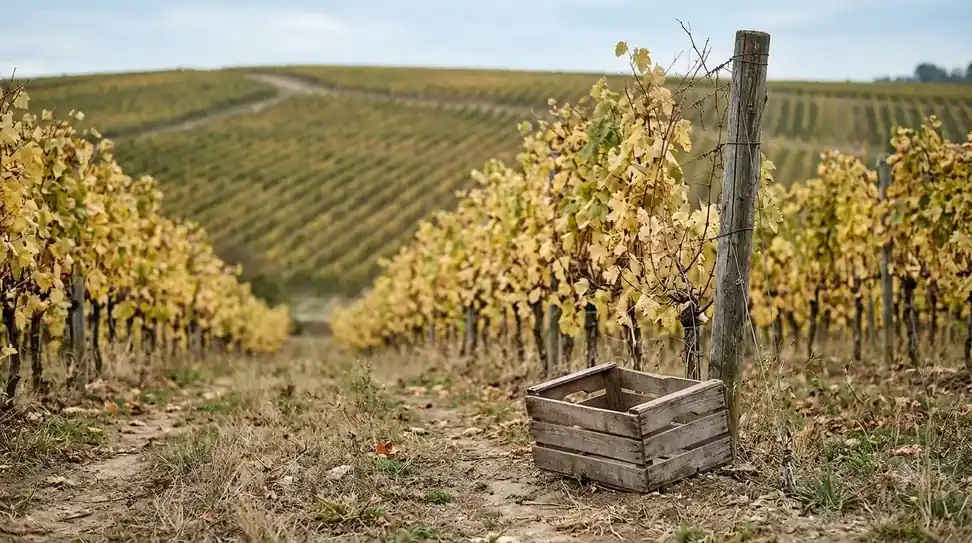
The Hunter Valley is a wine region in the state of New South Wales, in eastern Australia. It is close enough to Sydney that many visitors reach the cellar doors on a day trip. The valley has been making wine for a long time, and its vineyards are spread across a mix of soils, from alluvial flats near the river to gentler slopes further out.
The climate is warm and often humid, which is challenging for many grape varieties. Growers who work here have built a reputation on grapes that handle that heat, and the region has become a reference point for Australian wine. Its character comes from the balance of warm days, cooler nights, and the particular varieties growers choose to plant.
Wine tourism has grown alongside production, and visitors often combine a tasting day with a meal at a local restaurant or a stay at a rural property. That mix of food, scenery, and cellar doors is a large part of why the valley draws so many weekend visitors from the nearby cities.
Semillon: The Valley’s Signature White
Hunter Valley Semillon is the wine most people associate with the region. Wine Folly describes the grape as a white variety from Bordeaux that is now grown worldwide, with flavors that include lemon, beeswax, peach, chamomile, and a saline finish. In the Hunter Valley, the dry style is lean and crisp, and it is often compared with dry Riesling in its structure.
What makes the local style unusual is how it changes with age. In its Semillon grape guide, Wine Folly notes that young wines are austere and tightly focused, but after five to ten years or more they can become oily, nutty, smoky, and waxy, even without oak. The alcohol is relatively low, at around 10.5 to 11.5 percent, which keeps the wine light on the palate.
Dry Semillon from the valley suits people who like crisp whites that improve in the bottle. Buyers who enjoy aged wines should look for vintages that have already had several years of rest, because a young bottle can taste very different from a mature one.
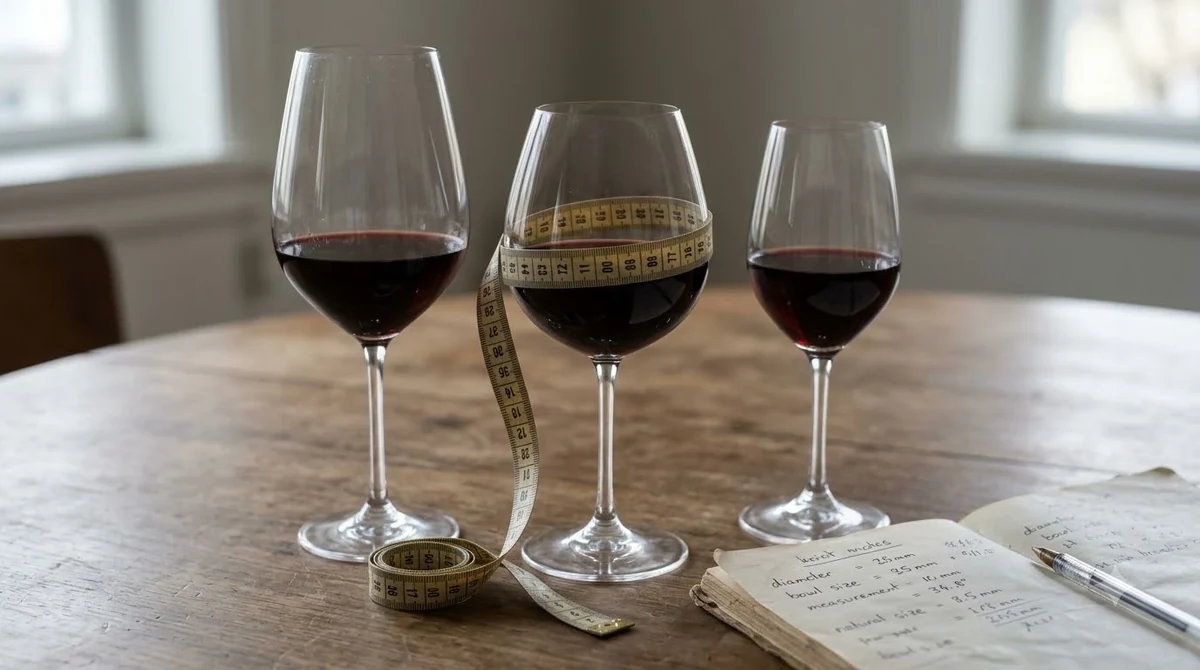
Old-vine plantings and careful picking help growers keep acidity in the grapes, even in a warm climate. That balance is one reason the valley’s Semillon can age without losing its shape. When you taste young and aged bottles side by side, the difference in texture and color is usually clear, with the older wine showing a deeper golden tone.
Shiraz and Red Wine Styles
Shiraz, known as Syrah in much of Europe, is the valley’s main red grape. Hunter Valley Shiraz is usually medium to full bodied and can show dark fruit, earthy notes, and a savory finish. Reds from the region are often made to be enjoyed within several years of release, though some well-structured examples can improve for longer.
Other varieties, including Chardonnay and Verdelho, are also grown in the valley. They usually play a smaller role than Semillon and Shiraz, but they add variety to the region’s cellar doors and restaurant wine lists.
Producers in the valley also explore smaller varieties and blends, and cellar door menus often change with the season. If a wine is new to you, ask staff to describe its style before tasting. A short conversation about acidity, oak, and body can help you find the bottle that suits your taste.
| Style | Typical flavors | Body | Best served with |
|---|---|---|---|
| Young dry Semillon | Lemon, green apple, saline | Light to medium | Oysters, grilled fish, salads |
| Aged dry Semillon | Honey, toasted nuts, smoke, wax | Medium to full | Roast chicken, creamy pasta |
| Hunter Valley Shiraz | Dark fruit, earth, spice | Medium to full | Grilled beef, lamb, aged cheese |
| Chardonnay | Stone fruit, citrus, subtle oak | Medium | Poultry, creamy sauces |
Tip: When you buy a young Semillon, store it cool and lay it down for a few years if you want to try the aged style. Check the vintage on the label and ask the cellar door staff how the wine has been developing.
How to Serve Hunter Valley Wine
Serve dry Semillon well chilled, but not ice cold, so the aromas can come through. A white wine glass with a moderate bowl works well. Aged whites can be served slightly warmer than young ones, which brings out their honey and nut notes.
Glassware matters less than temperature, but a glass with a slightly narrower opening can help concentrate the aroma of a young white. For aged Semillon, a slightly wider bowl gives the richer notes more room to open.
Shiraz is best served a little cooler than room temperature. A short decant helps young bottles open up, and a large glass gives the aromas room to develop. Keep the bottle corked between pours if you do not finish it, since oxygen can flatten the fruit over a day or two.
Food Pairing Ideas
Dry Semillon has enough acidity to cut through rich dishes, which is why it is a classic partner for seafood. Oysters, grilled barramundi, and fresh salads work well with the young style. The aged style can handle roast chicken, creamy sauces, and dishes with toasted nuts.
Shiraz suits grilled meats and hearty dishes. Lamb with herbs, a beef roast, and aged hard cheese all match its body and savory finish. Spicy food can make the wine taste harsher, so choose a milder dish if you are serving a bold red.
Vegetarian plates can work too. Roasted mushrooms, lentils with herbs, and grilled eggplant suit a medium Shiraz, while a young Semillon pairs nicely with asparagus, zucchini, and fresh herbs. Matching the weight of the dish to the weight of the wine is the simplest rule to follow.
Visiting and Buying Hunter Valley Wine
Many visitors come to the valley for cellar door tastings. Smaller producers often pour their own wines in a relaxed setting, while larger estates may offer tours, restaurants, and accommodation. Plan a route with a few stops rather than trying to visit every cellar door in one day.
Weather in the valley can be hot in summer, so plan tastings for the cooler parts of the day and carry water between stops. Many cellar doors offer simple food, and booking ahead is useful for weekend lunches and tours.
When you buy, look for the vintage, the grape, and the producer’s name on the label. Ask whether the winery ships to your area, since rules vary by state and country. Buying a mixed case lets you compare a young Semillon with an older bottle, which is a useful way to learn the style.
Frequently Asked Questions
What is Hunter Valley wine best known for?
The region is best known for dry Semillon, which can be crisp when young and develop nutty, waxy flavors with age. Shiraz is the other major red grape.
Does Hunter Valley Semillon need aging?
Young Semillon is enjoyable, but many people prefer it after five to ten years. Aging softens its sharpness and adds richer flavors.
Is Hunter Valley wine the same as Shiraz from other regions?
Hunter Valley Shiraz has a distinct style shaped by the local climate and winemaking. It is usually medium to full bodied with savory notes, but styles vary between producers.
What food goes with Hunter Valley Semillon?
Young Semillon pairs well with oysters, grilled fish, and salads. Aged versions suit roast chicken and creamy dishes.
Hunter Valley wine rewards patience and curiosity. Start with a young dry Semillon and a Shiraz, then taste an older Semillon if you can find one. For another warm-climate comparison, the Santa Ynez Valley vineyards guide covers a different approach to Shiraz and blends.
More in Wine Regions
 Willcox Wine Trail: Discover Arizona’s High-Elevation Wine CountryUpdated Nov 20, 2026
 Yakima Valley Wine Region: Find the Best Styles to TryUpdated Nov 20, 2026
 Vosne Romanee Wine Tasting: Identify Aromas and Choose Better PairingsUpdated Nov 20, 2026
 Yakima Valley Wine Festival: Find the Best Seasonal Wine EventsUpdated Nov 20, 2026
 Wales Vineyards: Discover Cool-Climate Wines and Where to VisitUpdated Nov 20, 2026
 Yountville Wine Festival: Discover Napa Wines and Local FoodUpdated Nov 20, 2026