

We may earn a commission when you buy through links on this page, at no extra cost to you. Learn more.
Grahams port is a fortified wine from the Douro Valley in Portugal, produced by the Graham’s house, which was founded in 1820 and is now part of the Symington family estates. The brand sells several styles, including Ruby, Tawny, Late Bottled Vintage, and Vintage port, each with a different balance of fruit, oak, and age. Port is sweeter and stronger than table wine because a grape spirit is added during fermentation, and Graham’s range covers everything from young, fruity bottles to aged tawnies labeled by decade.
This guide explains what Graham’s port is, how the house and its Douro estates fit together, the main styles on the label, and how to serve and pair them. It also helps you choose the right bottle for an after-dinner drink, a cheese course, or a gift.
What Graham’s port is
Port is a fortified wine, meaning winemakers add a grape-based spirit to the fermenting wine. That stops fermentation early and leaves residual sugar in the finished wine, along with a higher alcohol level than most table wines. The result is a rich, sweet, and warming style that is often served in small glasses after a meal.
Graham’s is one of the best-known names in port. Its website describes the house as founded in 1820 by brothers William and John Graham, and it highlights more than 200 years of winemaking. The range includes Vintage Port, Ruby styles, Tawny wines with age statements, and Late Bottled Vintage bottlings, so the brand works for both everyday drinking and special occasions.
The house, the Douro Valley, and the Symington family
Graham’s grapes come from the Douro Valley, a steep river region in northern Portugal where terraced vineyards cling to the hillsides. The company describes its four Douro estates, and the site names Quinta do Tua, Quinta dos Malvedos, The Stone Terraces, and the Six Grapes River Quintas among its properties. The family behind the house has a long link to the region, and the Symington family’s own site says it has been in the Douro for more than 130 years.
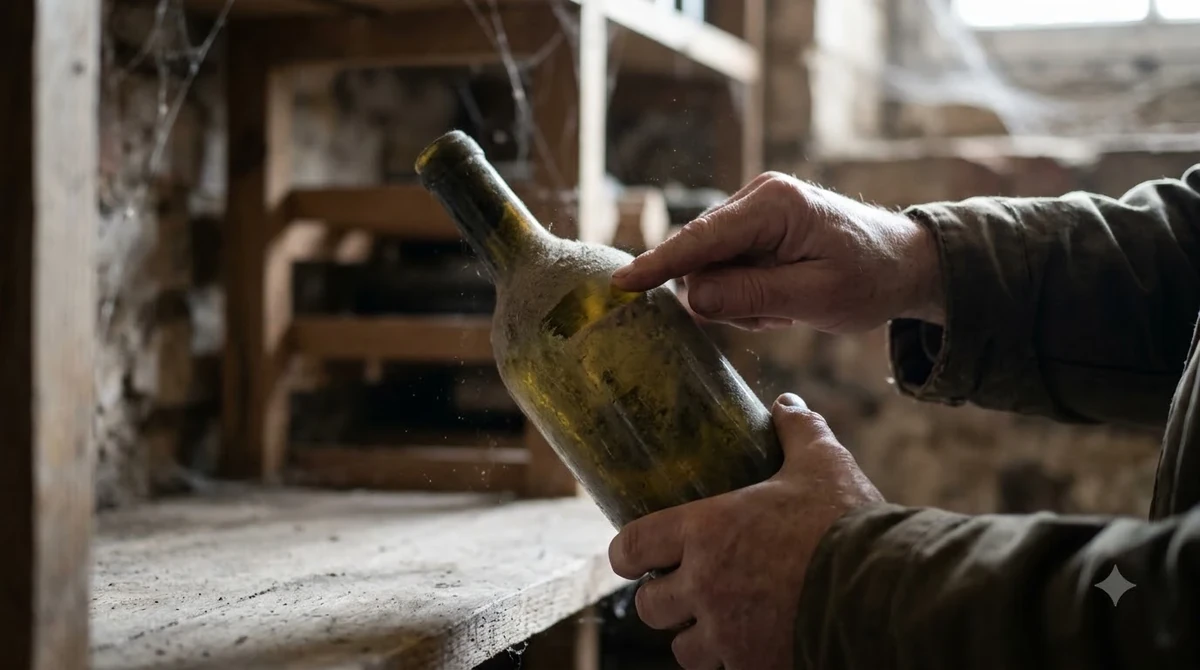
The house also has a strong tradition of aging. According to the Graham’s website, the Graham’s Lodge, built in 1890, is where the company’s wines are aged, and visitors can take guided tours of the lodge and bottle cellar. Ownership and management are tied to the Symington family, which means Graham’s sits within a larger group of port and wine producers in Portugal.
The main styles of Graham’s port
Port styles differ mainly in how long and where the wine is aged. Ruby ports are young, fruit-forward, and deep in color, while Tawny ports spend more time in small wooden barrels, which softens the color and adds notes of toffee, nuts, and caramel. Vintage ports are made only from the best years and are bottled young, so they continue to age in the bottle.
The table below summarizes the broad families, based on how port is described in VinePair’s port guide. Always check the label, because the age statement and the bottling year tell you more than the style name alone.
| Style | How it is made | Typical character |
|---|---|---|
| White port | Blend of white grapes | Light, dry, bracing; often served chilled |
| Ruby | Barrel-aged for a short period, usually under three years | Bright, fruity, and deep in color |
| Tawny | Aged in small wooden barrels | Toffee, nut, and caramel notes; amber color |
| Late Bottled Vintage (LBV) | Reserve ruby from a single harvest | Sweet, boozy, dark fruit, light tannins |
| Vintage | Made only from top vineyards in good years | Concentrated, unfiltered, may need decanting |
Tawny ports with age statements are a useful choice for people who want a smoother style. The 10-, 20-, 30-, and 40-year labels describe an average age of the blend rather than a single vintage, so they tend to taste mellow and layered. Graham’s lineup includes age-stated tawnies at several levels, which lets you compare how the style changes with time.
How to serve Graham’s port
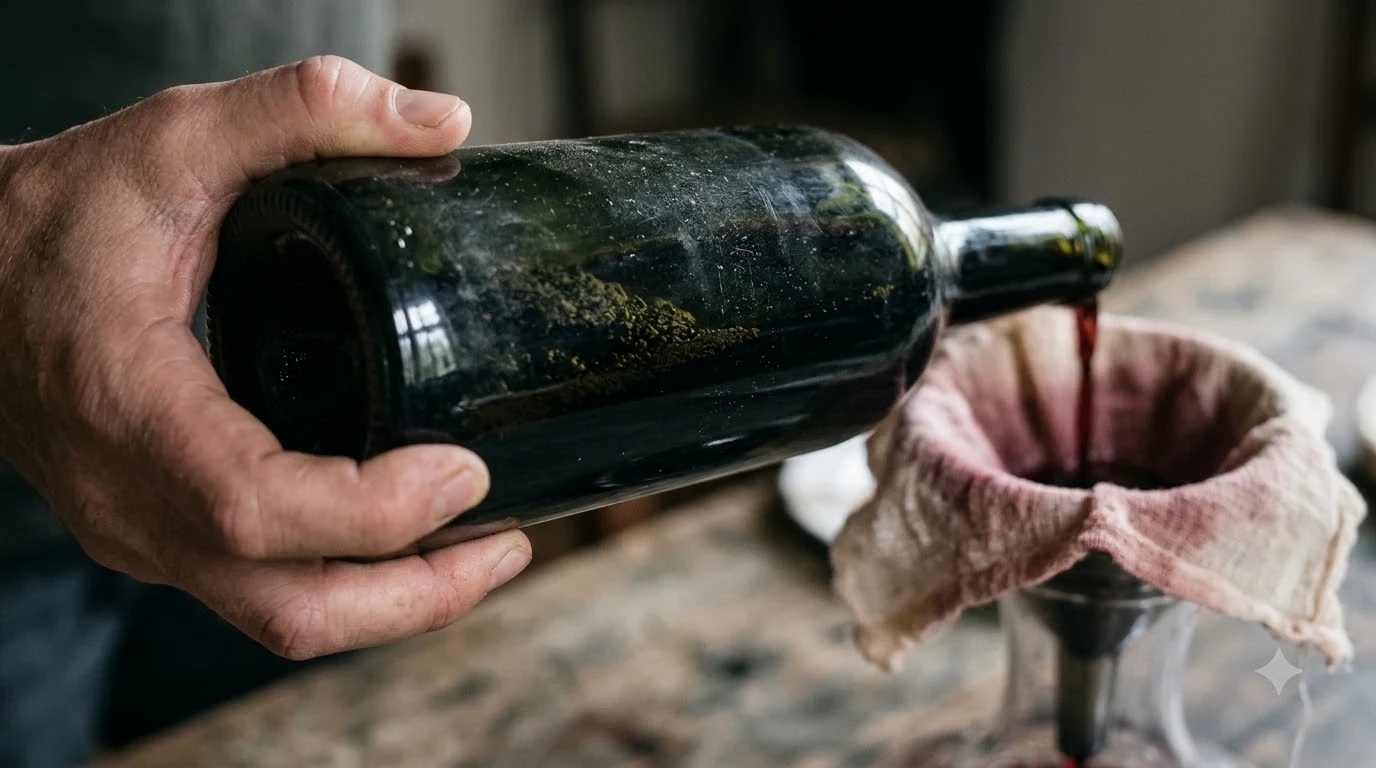
Serving temperature changes how port tastes. White port is best served well chilled as an aperitif, while ruby and tawny ports are usually poured at a cool room temperature. Vintage port often needs decanting, since the wine is unfiltered and can leave sediment in the bottle. Pour slowly and stop before the sediment reaches the neck.
Port is traditionally served in small glasses, because a little goes a long way. A tulip-shaped glass helps concentrate the aromas. Once opened, ruby and tawny ports keep well for weeks if the bottle is closed and stored away from heat, while vintage port should be finished within a day or two after decanting.
Tip: Decant a vintage port a few hours before serving if you can. Leaving the bottle upright lets the sediment settle to the bottom.
Ways to enjoy port beyond dessert
Port is often paired with dessert or cheese, but it can work at other points in a meal. A dry white port makes a good aperitif, and a chilled tawny pairs well with nuts and light appetizers. Some sommeliers pair spicy foods with wines that have a little residual sweetness, and port can work in that role, especially with blue cheese or dark chocolate.
Port cocktails are another option. Some bartenders float ruby port on a sour, and a tawny or white port can replace vermouth in a classic stirred drink. These mixes are a good way to use an opened bottle that you would not finish in a few days.
How to choose a Graham’s port
If you are new to port, start with a ruby or an age-stated tawny. Ruby is fresh and fruity, which makes it an easy introduction, while a 10-year tawny offers more depth without being too intense. If you want a wine to save for a special occasion, a vintage port is a more serious choice, but it needs decanting and patience.
Think about the occasion. A single bottle of LBV suits a dinner party, a tawny works well as a gift, and a vintage port is a memorable choice for a milestone. For more on how producers organize their ranges, the Wine Brands guide explains how big names differ, and the Pedernales wine page is one example of a different style from another producer.
Frequently Asked Questions
What is the difference between Ruby and Tawny port?
Ruby port is young, fruity, and deep red, while Tawny port is aged in small wooden barrels. That aging softens the color toward amber and adds toffee, nut, and caramel notes. Tawny ports with age statements are often smoother and more complex than basic ruby styles.
Does port need to be decanted?
Vintage port often needs decanting because it is unfiltered and can form sediment in the bottle. Ruby, tawny, and LBV styles usually do not require decanting, although LBV bottles that have not been filtered may benefit from a brief rest and gentle pour.
How strong is port compared with wine?
Port is stronger than most table wines because a grape spirit is added during fermentation. That makes it sweeter and richer than a dry red or white. Because it is served in small glasses, a single serving is usually much smaller than a standard glass of wine.
What food goes best with Graham’s port?
Port pairs well with dessert, cheese, and dark chocolate. Ruby and LBV suit fruit desserts, while tawny ports match nut-based sweets and caramel. A chilled white port works as an aperitif with light snacks.
Graham’s port offers a clear range of styles, from young and fruity rubies to aged tawnies and vintage bottlings. Choose the style that matches your occasion, serve it at the right temperature, and take the time to enjoy it in small glasses. For more on how wine brands are organized, the Wine Brands section is a useful next step.
More in Wine Brands
 Underwood Wine Price: Compare Bottles, Cans, and Pack SizesUpdated Nov 21, 2026
 Zenato Wine Price: Compare Styles and Choose the Right BottleUpdated Nov 21, 2026
 Zuccardi Wine Price: Compare Bottles and Find the Right RangeUpdated Nov 21, 2026
 Yellow Tail Moscato Review: Taste, Sweetness and Serving TipsUpdated Nov 21, 2026
 Wolf Blass Yellow Label Review: Choose Your Best StyleUpdated Nov 21, 2026
 Wolffer Estate Rose Review: Choose the Right Bottle for Your TableUpdated Nov 21, 2026