

We may earn a commission when you buy through links on this page, at no extra cost to you. Learn more.
The 14 hands hot to trot wine review verdict is that this Columbia Valley red blend is a fruit-forward, medium-bodied choice for casual dinners, barbecue, and approachable everyday red wine drinking. Made predominantly with Merlot alongside Syrah and Cabernet Sauvignon, it offers cherry, red currant, ripe berry, and plum characteristics with subtle baking spice. Its 13.5% alcohol content, relatively soft tannin profile, and slightly dry character make it particularly appealing to drinkers who prefer smooth, uncomplicated reds over heavily structured wines.
14 Hands Hot to Trot occupies a useful middle ground between an easygoing fruit-driven red and a more structured dinner wine. It has enough flavor to accompany substantial food without demanding elaborate preparation, extended decanting, or a special occasion. Understanding its grape composition, sweetness, serving requirements, and food compatibility makes it easier to decide whether this Washington red blend belongs in your regular wine rotation.
Who This Wine Is For
14 Hands Hot to Trot is best suited to wine drinkers who enjoy ripe red-fruit flavors, moderate structure, and a smooth finish. Its Merlot-led composition makes it a sensible introduction to Washington red blends for people who find heavily tannic Cabernet Sauvignon or concentrated Syrah too demanding.

The wine’s appeal begins with its approachable flavor profile. According to the producer, the aromas include cherry, red currant, and tea, while the palate features cherry pie, ripe berries, and plums. Baking spice provides an additional layer without turning the wine into an aggressively oaky or heavily spiced experience. The producer also describes its tannins as refined, suggesting a smoother drinking experience than a firmly structured Cabernet Sauvignon.
Its medium body is another reason it works for casual occasions. A light-bodied Pinot Noir can sometimes feel insufficient alongside barbecue or a substantial pasta dish, while a powerful Syrah may dominate a simple meal. Hot to Trot offers a compromise: noticeable fruit, moderate tannin, and enough body to remain present alongside pork, roasted vegetables, and hearty cheeses.
This wine is particularly suitable for:
- Merlot drinkers: The predominant grape contributes a softer, fruit-centered foundation.
- Newer red wine drinkers: Its approachable tannins make it less intimidating than strongly structured reds.
- Casual dinner hosts: The blend works with several familiar dishes rather than requiring a specialized menu.
- Washington wine explorers: Its Columbia Valley origin provides an accessible introduction to the region’s red blends.
- Everyday wine shoppers: The straightforward fruit profile makes it a practical choice for informal meals.
However, it is not necessarily the right bottle for every preference. Drinkers who enjoy bone-dry, high-acidity reds, pronounced earthy aromas, or complex aged-wine characteristics may find its fruit-forward approach less interesting. Those seeking a powerful Cabernet Sauvignon experience may also prefer a more tannic alternative. The important distinction is that Hot to Trot emphasizes accessibility and fruit rather than intensity and structural complexity.
Readers exploring the producer’s broader selection can also consult this overview of 14 Hands wine to understand how its different bottlings compare in style.
Key Factors to Compare
The most useful buying considerations are grape composition, body, sweetness, alcohol, and flavor intensity. These characteristics explain why Hot to Trot tastes approachable and help establish whether it suits your preferred red wine style.
| Factor | Hot to Trot profile | What it means |
|---|---|---|
| Wine category | Red blend | Combines several red grape varieties |
| Origin | Columbia Valley, Washington | American wine-growing region |
| Dominant grape | Merlot | Provides a softer fruit-centered foundation |
| Supporting grapes | Syrah and Cabernet Sauvignon | Contribute additional fruit and structure |
| Alcohol | 13.5% ABV | Moderate-to-full alcoholic strength |
| Body | Medium | More substantial than a light-bodied red |
| Sweetness description | Slightly dry | Fruit-forward without being classified as a dessert wine |
| Primary fruit notes | Cherry, red currant, plum | Ripe red and darker fruit character |
| Additional notes | Tea and baking spice | Provides aromatic and finishing complexity |
| Recommended pairings | BBQ pork, mushrooms, lasagna, cheese | Suitable for savory, substantial meals |
These characteristics are supported by the producer’s product information, retailer descriptions, and published bottling details. The most important qualification concerns the exact grape percentages. Hot to Trot is a blend, and its composition has varied between documented bottlings. For example, the SAQ lists a historical version containing 70% Merlot, 15% Cabernet Sauvignon, and 15% Syrah. Wine.com’s listing for the 2022 bottling identifies 60% Merlot, 26% Syrah, 12% Cabernet Sauvignon, and 2% complementary varieties.
Those figures illustrate why a single historic composition should not automatically be applied to every bottle. The consistent characteristic is the Merlot-led approach supported by Syrah and Cabernet Sauvignon, not an unchanging percentage formula.
Alcohol content is another practical comparison point. The producer lists 13.5% ABV for its standard bottled Hot to Trot, a level that gives the wine noticeable warmth without placing it among particularly high-alcohol reds. The alcohol can make the wine feel fuller, especially if served too warm, so temperature has a meaningful effect on the overall drinking experience.
For shoppers comparing it with other bottles from the producer, the 14 Hands Cabernet selection offers a useful point of comparison. A varietal Cabernet Sauvignon generally places more emphasis on Cabernet’s firmer tannin structure, whereas Hot to Trot uses Merlot as its principal foundation.
Step-by-Step: How to Choose and Serve Hot to Trot
Choosing and serving this red blend is straightforward. A few simple decisions about the bottle format, serving temperature, glassware, and food will help preserve its fruit character and make the wine more enjoyable.
-
Identify the bottle format.
Start by distinguishing the standard 750 ml bottle from smaller or canned formats. The official product listing identifies the bottled wine as a 13.5% ABV red blend. Retailer listings also document canned versions, so avoid assuming every package has identical technical details.
-
Consider the vintage and composition.
Hot to Trot’s documented blend percentages vary between bottlings. If exact grape proportions matter to your purchasing decision, use the information associated with the particular vintage rather than relying on an older technical description.
-
Choose an appropriate glass.
A standard red wine glass with a moderately wide bowl is suitable. The bowl gives the cherry, red currant, plum, and baking spice aromas room to develop. There is no need for specialized glassware or an expensive crystal set.
-
Bring the wine to the right temperature.
Aim for approximately 60 to 65 degrees Fahrenheit for this medium-bodied red. If the bottle has been stored in a warm room, place it in the refrigerator briefly before serving. Serving it slightly cool helps prevent the alcohol from becoming too prominent.
-
Open and pour carefully.
Remove the closure and pour a moderate serving. A standard wine pour is approximately 5 ounces, while a 750 ml bottle provides roughly five such glasses. Allow the wine a few minutes in the glass to release its aromas.
-
Evaluate the flavor in stages.
Begin with the aroma, looking for cherry, red currant, and tea. Then consider the palate, where ripe berries and plums should be the central characteristics, followed by subtle spice and a lingering finish.
-
Match it with the meal.
Start with barbecue pork, lasagna, grilled portabella mushrooms, or hearty cheeses. These are particularly suitable because their savory flavors complement the wine’s ripe fruit and moderate tannins.
It is also useful to think about the wine in relation to the meal’s dominant flavors. A tomato-based pasta dish has acidity that can work well with a fruit-forward red, while a heavily smoked barbecue sauce may emphasize the wine’s ripe fruit. Very spicy dishes require more caution because alcohol and tannin can intensify chili heat.
Tip: Avoid serving Hot to Trot at an excessively warm room temperature. Start around 60 degrees Fahrenheit, pour a small glass, and allow the wine to warm gradually if necessary. This preserves the freshness of its fruit aromas while keeping alcoholic warmth in balance.
There is no requirement to decant every bottle. A brief period of aeration in the glass is generally sufficient for an approachable, fruit-focused red blend. Decanting becomes more relevant for a young, particularly concentrated red wine with substantial tannin or for removing sediment from an older bottle.
Types and Styles Explained
Understanding the grapes behind Hot to Trot explains its overall personality. Merlot, Syrah, and Cabernet Sauvignon contribute different characteristics, allowing the finished wine to combine approachable fruit with enough structure to accompany food.
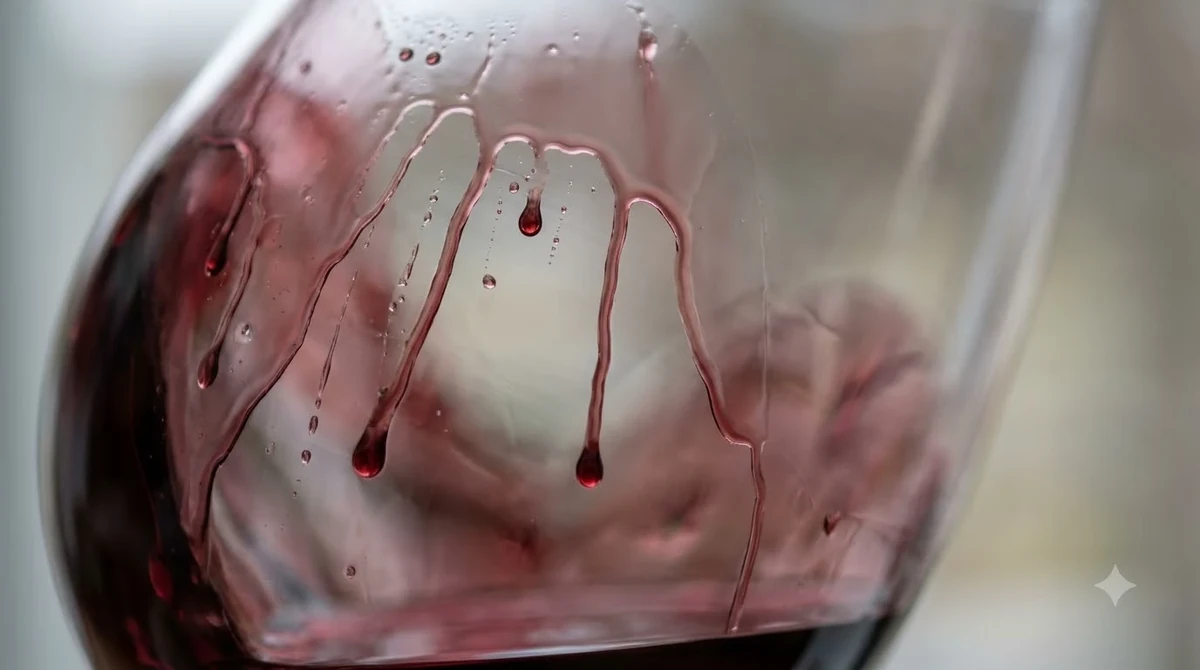
Merlot: The Softer Foundation
Merlot is the leading variety in the documented Hot to Trot blends. It typically contributes medium tannin, a softer mouthfeel, and ripe fruit characteristics. In this wine, its influence is consistent with the cherry, plum, and berry flavors described by the producer.
Merlot is particularly useful in blends because it can soften the firmer structure of other varieties. Cabernet Sauvignon typically brings higher tannin, while Merlot tends to feel more supple. The combination can produce a wine that is substantial enough for dinner without becoming overly drying.
Syrah: Additional Depth and Spice
Syrah contributes another dimension. Depending on its growing conditions and winemaking treatment, the variety can deliver dark fruit, pepper, savory notes, and substantial structure. In Hot to Trot, it supports the fruit profile and complements the baking spice character described by the winery.
Syrah is generally more tannic than Merlot, which helps give the blend additional shape. Its contribution is particularly useful alongside roasted meats and barbecue, where savory flavors can complement the grape’s darker fruit characteristics.
Cabernet Sauvignon: Structure and Definition
Cabernet Sauvignon is the third principal variety identified in retailer descriptions and documented blends. It generally has high tannin and can contribute dark fruit, firm structure, and a more substantial finish.
In a Merlot-led blend, Cabernet Sauvignon can add definition without making the finished wine taste like a full-strength varietal Cabernet. This balance is one reason Hot to Trot can work for drinkers who want a red wine with recognizable structure but prefer softer tannins.
Why the Blend Percentages Matter
Published figures show that the proportions are not necessarily identical across all vintages. Wine.com documents a 2022 blend of 60% Merlot, 26% Syrah, 12% Cabernet Sauvignon, and 2% complementary varieties. The SAQ lists another bottling with 70% Merlot, 15% Cabernet Sauvignon, and 15% Syrah.
Both examples support the same general interpretation: Merlot provides the principal foundation, while Syrah and Cabernet Sauvignon add complementary structure and flavor. Smaller blending components may also appear in some bottlings, so the wine should be understood as a finished house blend rather than a fixed three-grape formula.
Hot to Trot is therefore different from a single-varietal Cabernet Sauvignon or Merlot. Instead of emphasizing one grape’s individual character, it combines varieties to create a balanced, fruit-driven style intended for broad food compatibility.
Common Mistakes When Buying and Drinking Hot to Trot
The most common mistakes involve misunderstanding sweetness, expecting a powerful Cabernet-style structure, serving the wine too warm, and assuming all vintages have identical grape percentages. Recognizing these differences prevents disappointment and helps set realistic expectations.
Confusing Fruity Flavors With High Sweetness
Cherry pie, ripe berries, and plum can make a red wine smell and taste sweet even when its actual sweetness is relatively restrained. Hot to Trot is described by H-E-B as slightly dry, which is different from a sweet red wine or dessert wine.
Fruit-forward wines can give the impression of sweetness through ripe fruit aromas. This is especially noticeable when a wine has a soft texture and limited aggressive tannin. A drinker who prefers dry wines should therefore distinguish fruit intensity from residual sugar rather than assuming a wine tastes sugary simply because it has prominent cherry and plum notes.
Expecting the Structure of Cabernet Sauvignon
Hot to Trot includes Cabernet Sauvignon, but it is not a Cabernet Sauvignon bottling. Its Merlot-led blend generally creates a softer overall profile than a red dominated by Cabernet. People seeking strong tannins, firm structure, and pronounced blackcurrant characteristics may find a varietal Cabernet more suitable.
The distinction matters especially when choosing wine for a meal. A firmly structured Cabernet can work particularly well with fatty beef, while Hot to Trot’s more approachable structure makes it useful for a wider selection of casual dishes.
Serving It Too Warm
The traditional instruction to serve red wine at room temperature is not precise enough for every environment. A warm dining room can make the alcohol seem more noticeable and the fruit feel heavier. Serving Hot to Trot around 60 to 65 degrees Fahrenheit provides a better starting point.
Likewise, serving it excessively cold can suppress its aromas and make the tannins seem more prominent. A short period at a cool room temperature after refrigeration can restore the fruit expression.
Assuming Every Vintage Has the Same Blend
The documented differences between the 2022 Wine.com composition and the SAQ’s listed proportions demonstrate why vintage-specific information matters. Blending decisions can change with available grapes, harvest conditions, and the winemaker’s intended style.
These changes do not necessarily mean the wine has become a completely different product. Its central identity remains a Merlot-led Columbia Valley red blend with fruit-forward characteristics. However, the precise contribution of Syrah and Cabernet Sauvignon can influence the balance of fruit, spice, and tannin.
Pairing It With Extremely Spicy Food
Although Hot to Trot works with many savory dishes, it is not automatically suitable for every heavily seasoned meal. Alcohol and tannin can amplify the perception of chili heat. Very spicy curries, hot sauces, and chili-heavy barbecue may make the wine feel warmer and more aggressive.
For dishes with significant heat, consider reducing the spice intensity or choosing a wine with lower alcohol and softer tannin. The better approach is to match the wine to the overall seasoning rather than assuming every red wine works with every meat-based dish.
Care and Storage Tips
Proper storage and serving practices help preserve Hot to Trot’s fruit character. Temperature stability, protection from light, appropriate closure handling, and refrigeration after opening are more important than specialized wine equipment.
Storing an Unopened Bottle
For longer storage, keep the bottle in a cool, dark location with a relatively stable temperature. Approximately 55 degrees Fahrenheit is a useful general storage target for wine. Avoid locations that experience repeated temperature changes, such as a kitchen cabinet near an oven or a shelf exposed to direct sunlight.
If the bottle uses a traditional cork, storing it on its side helps maintain contact between the wine and the cork. A screw-cap bottle can be stored upright without the same cork-moisture consideration. Either way, protection from excessive heat and light remains important.
Hot to Trot is primarily an approachable fruit-focused wine, so there is little reason to purchase it with the expectation of extended cellar aging. It is more appropriate to enjoy it as a relatively young red rather than treating it as a collectible wine intended for many years of development.
Keeping an Opened Bottle Fresh
After opening, reseal the bottle and place it in the refrigerator. Refrigeration slows the processes that gradually reduce a wine’s freshness. Even red wine benefits from cold storage once it has been opened.
A practical general guideline is to consume opened still wines within approximately three to five days, although the exact period depends on the wine, closure, oxygen exposure, and storage conditions. Hot to Trot is best enjoyed while its fruit remains expressive rather than waiting until its aromas become muted.
When returning the bottle to the table, allow the wine to warm slightly before pouring. There is no need to bring the entire bottle back to a warm room for an extended period.
Choosing the Right Glass and Pour
A standard red wine glass is sufficient for Hot to Trot. A bowl that narrows slightly toward the rim helps concentrate the wine’s cherry, red currant, and spice aromas. The glass should also leave enough room for swirling without spilling.
A 5-ounce serving is a useful standard wine pour. From a conventional 750 ml bottle, that provides approximately five glasses. Smaller pours are also useful when serving several wines during the same meal or when comparing different red blends.
Knowing When to Decant
Decanting is optional for this style. The wine’s relatively approachable structure means it generally does not require the prolonged aeration associated with some young, highly tannic reds. If the first glass seems closed, give it 10 to 15 minutes in the glass and reassess its aromas.
For comparison, a young full-bodied Cabernet Sauvignon may benefit from 30 to 60 minutes of decanting. Hot to Trot should not automatically receive the same treatment. Its main attraction is approachable fruit, and excessive aeration is unnecessary for ordinary service.
Frequently Asked Questions
Is 14 Hands Hot to Trot made from organically grown grapes?
The product information reviewed for Hot to Trot does not establish that the wine is certified organic. A Washington origin or a red-blend designation does not independently indicate organic certification. Shoppers specifically seeking certified organic wine should look for an applicable certification on the bottle or producer documentation.
Does 14 Hands Hot to Trot contain sulfites?
Wine commonly contains naturally occurring sulfites, and many commercial wines also have sulfites added during production to help protect freshness. The product pages reviewed do not provide a specific sulfite concentration for Hot to Trot. Consult the bottle’s labeling and producer information for applicable ingredient and allergen disclosures.
Can 14 Hands Hot to Trot be used in cooking?
Yes. Its fruit-forward character can work in dishes such as beef stew, tomato-based sauces, and braised pork. Use a modest quantity in a recipe and allow the liquid to cook down so its fruit and savory characteristics integrate with the other ingredients. Avoid using wine that has already developed unpleasant oxidation aromas.
Is Hot to Trot available in a screw-cap bottle?
Wine.com’s listing for the 2022 bottling identifies a screw cap as a product feature. Closure details can differ between packages and bottlings, so the 2022 listing should not be treated as proof that every Hot to Trot format uses the same closure.
Does the name Hot to Trot refer to the wine’s alcohol strength?
No. Hot to Trot is the product’s name, not a technical classification of alcohol strength or sweetness. The standard bottled wine’s official listing identifies 13.5% ABV, while the product’s style is described through its fruit-forward flavors, medium body, and refined tannins.
14 Hands Hot to Trot is a straightforward choice for drinkers who appreciate ripe red fruit, moderate structure, and a versatile food-friendly style. Its Merlot-led Columbia Valley blend makes it particularly suitable for barbecue, pasta, mushrooms, and casual dinners. For shoppers seeking an approachable American red blend rather than a powerful, heavily tannic wine, Hot to Trot is a bottle worth considering.
For additional wine comparisons and practical buying advice, explore our broader Wine Brands coverage or the dedicated 14 Hands Hot to Trot wine overview.
For the producer’s current tasting description and recommended pairings, consult the official 14 Hands Hot to Trot product page.
More in Wine Brands
 Caymus Cabernet Review: Understand Its Style and Choose the Right BottleUpdated Nov 21, 2026
 Chalk Hill Wine Review: Choose the Right Sonoma StyleUpdated Nov 21, 2026
 Castello Banfi Wine Review: Choose the Right Tuscan RedUpdated Nov 21, 2026
 Casal Garcia Wine Review: Find the Right Portuguese Wine for Your TableUpdated Nov 21, 2026
 Ca Del Bosco Wine Price: Compare Every Franciacorta and Still BottleUpdated Nov 21, 2026
 Calera Wine Price: Compare Bottles and Choose the Right WineUpdated Nov 21, 2026