

We may earn a commission when you buy through links on this page, at no extra cost to you. Learn more.
14 Hands wine is an easy-drinking, widely available brand of American wines that shoppers usually choose for everyday meals, casual gatherings, and as an approachable first bottle. The range leans toward soft, fruit-forward styles that do not demand much from the drinker. Knowing which bottle fits which occasion makes the difference between a pleasant glass and a disappointing one.
This guide explains what the 14 Hands name usually stands for on a shelf, how to read the label, how to serve these wines, and what to pour alongside them. It also points to related brand guides on this site so you can compare the bottle you are considering with other familiar options.
What 14 Hands Wine Is
14 Hands is a value-oriented wine brand that many shoppers encounter in grocery stores and wine shops across the United States. The label is built around a simple promise: wines that are smooth, friendly, and easy to open on a weeknight. Brands like this are sold in large volumes, so the same name can cover several different blends and varietals over time.
Because the lineup changes, the most reliable guide is the front label. Check the varietal or blend name, the vintage if one is printed, and the state or region of origin. Those three details tell you more about the style in the glass than the brand name alone.
Flavor and Style Profile
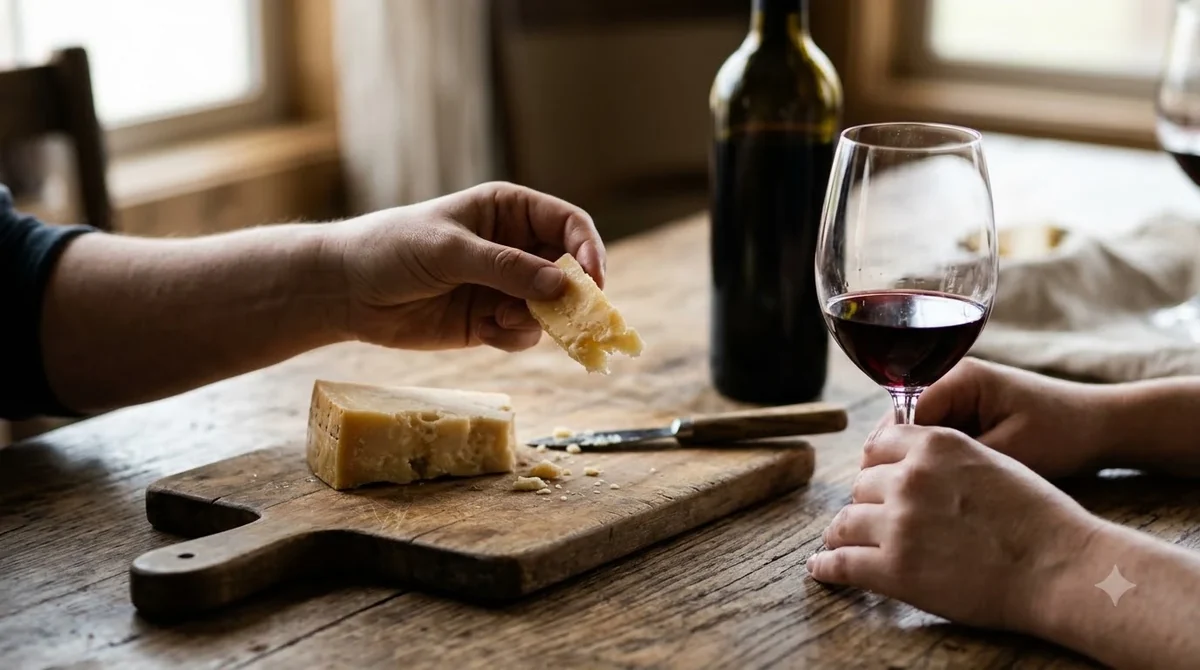
Wines in this category generally aim for a round, approachable palate rather than sharp acidity or heavy tannin. Expect fruit to lead the flavor, with the sweetness and body varying by the specific bottle. A red will usually taste softer and more fruit-driven than a bold, oak-aged cabernet, and a white will tend to feel crisp and easy rather than mineral or austere.
Sweetness is the variable that catches many buyers off guard. Some bottles in a brand line taste dry, while others carry noticeable residual sugar. If you usually prefer dry wine, read the description on the back label or ask a shop staff member before you buy a case.
| What you want | What to look for | Why it helps |
|---|---|---|
| Soft, easy red | Merlot or a fruit-forward red blend | Lower tannin, rounder finish |
| Crisp, light white | Pinot grigio or a light chardonnay | Brighter acidity, lighter body |
| Dry, structured red | Cabernet sauvignon, checked on the back label | More tannin and oak influence |
| Something lightly sweet | Blends marked semi-sweet or with a sweet descriptor | Softer finish, easier for new drinkers |
How to Serve 14 Hands Wine
Serving temperature has a larger effect on these wines than most people expect. White wines taste best when they are well chilled but not icy, because the cold can mute fruit and make the wine taste thin. Red wines are often served too warm after a day on a kitchen counter, which makes them taste heavy and alcoholic. A short time in the refrigerator before pouring fixes both problems.
Glassware matters less than temperature, but a medium-sized glass with room to swirl helps the aroma reach your nose. You do not need a decanter for a wine in this price tier. If a red tastes tight when first opened, pouring it into a larger glass and waiting ten or fifteen minutes is usually enough to soften it.
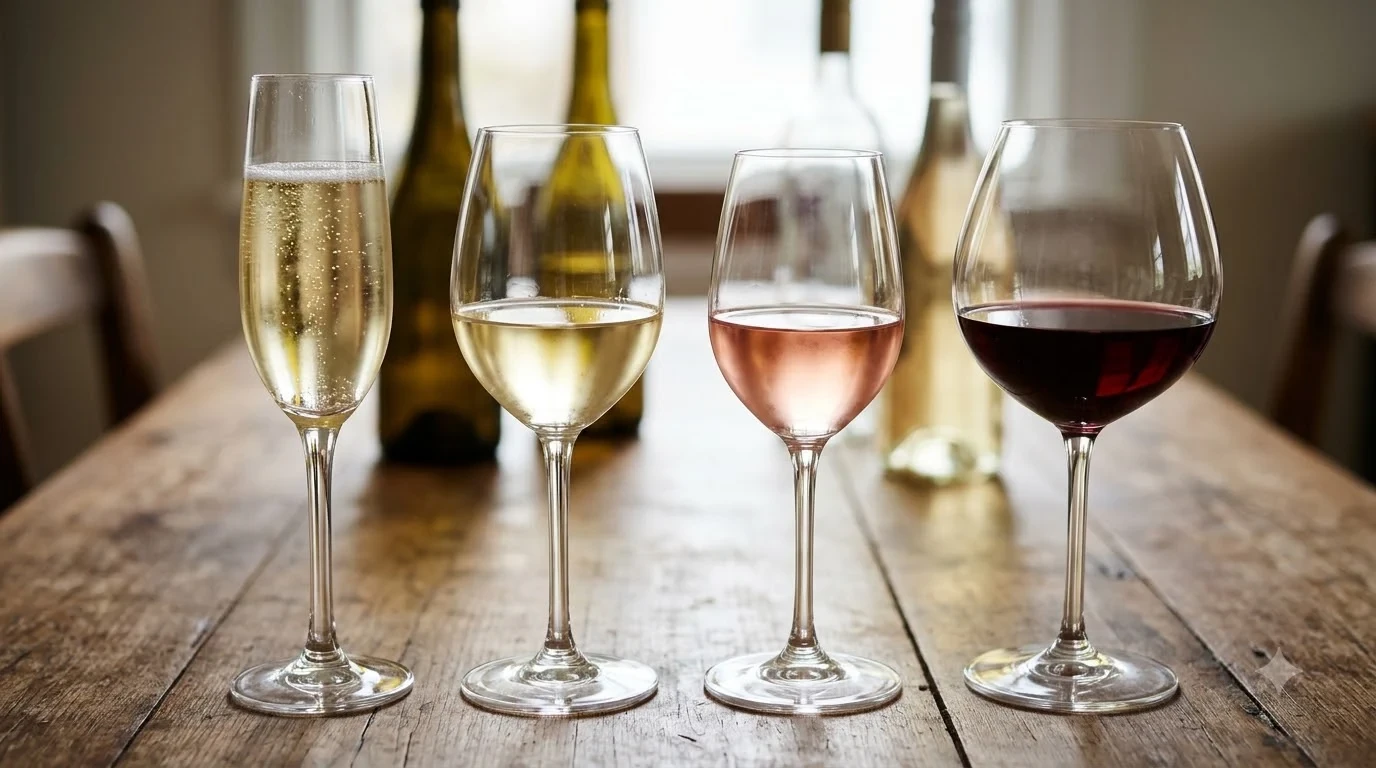
Pouring order also shapes the experience at a table with several wines. Start with the lightest white, move to a rosé if you are serving one, then finish with the heavier red. Tasting in that order keeps a soft wine from tasting thin after a bolder one, and it gives guests a natural progression that feels deliberate without any extra effort.
Portions matter as well. A standard 750 ml bottle holds several glasses, and most people pour a little less than they would of a spirit. Filling glasses only about a third to half full leaves room to swirl, lets the aroma gather, and keeps each glass from warming up too quickly on a summer evening.
Tip: Once a bottle is open, recork it and keep it in the refrigerator if it is white or rosé. Reds keep reasonably well for a day or two when stored in a cool place with the cork back in.
Food Pairing Ideas
Pairing works best when the wine and the dish share a similar weight and flavor direction. A soft, fruit-forward red sits comfortably beside burgers, pizza, roasted chicken, and pasta with tomato sauce. A crisp white is a practical match for salads, seafood, and lighter chicken dishes. Because these wines are approachable, they are also easy to share with guests who do not know much about wine.
Sides and sauces change the match more than many people realize. A creamy sauce or a dish built on butter usually calls for a white with a bit more body, while a tomato-heavy or grilled dish suits a red with soft fruit and little bitterness. Sweet barbecue glazes tend to work better with a fruit-forward red than with a dry white, because the sweetness in the food meets fruit in the wine rather than sharp acidity.
Dessert is a separate question. Most of these wines are better as a companion to the meal than as a dessert partner, unless the bottle you chose is clearly marked sweet. In that case, serve it with fresh fruit, a simple vanilla cake, or lightly sweetened berries, and avoid chocolate-heavy desserts, which can make the wine taste sour by comparison.
For cheese, aim for mild to medium options such as young cheddar, mozzarella, or gouda. Very sharp blue cheeses and heavily spiced foods can overwhelm a delicate bottle, so save those for a wine with more structure.
How to Choose the Right Bottle
Start with the occasion. For a weeknight dinner, a reliable red or white from the brand is usually enough. For a party, choose a bottle that appeals to the widest range of tastes, which often means a slightly sweeter white or a light, fruity red. When you are buying for someone who is new to wine, a bottle described as smooth or easy-drinking is a safer bet than one described as bold or intense.
It also helps to compare the brand with other products in the same category. If you enjoy one of the brands below, you may like a similar style from this family of wines:
- Fans of a sweet, sparkling-style white often enjoy the wines covered in our barefoot wine guide.
- If you like light, bubbly options for brunch or aperitivo, our la marca prosecco guide compares the style in more detail.
Where to Learn More About Brands and Styles
Wine brands can look very different on paper, so it helps to step back and read about the categories they belong to. The Wine Brands section of this site groups popular labels by style and price, which makes it easier to see how one bottle compares with another. For broader background on how Washington State producers approach their vineyards and blends, the Washington State Wine commission publishes regional information that is useful for understanding American wine styles in general.
Frequently Asked Questions
Is 14 Hands wine sweet or dry?
It depends on the specific bottle. Some blends taste soft and fruity with noticeable sweetness, while others are closer to dry. Check the back label or the producer description before buying, especially if you prefer a particular style.
What food goes best with 14 Hands red wine?
Soft, fruit-forward reds pair well with burgers, pizza, roast chicken, and tomato-based pasta. Avoid very spicy dishes with a delicate red, since heat tends to make the wine taste flatter.
Should I chill 14 Hands red wine?
A light chill of about fifteen minutes in the refrigerator is often enough to bring out the fruit in a red. Serving it straight from a warm room can make the alcohol feel more prominent.
How long does an opened bottle last?
Recork the bottle and refrigerate it if it is white or rosé, where it will generally stay pleasant for a few days. Reds usually hold up for a day or two when kept cool and corked, though they may lose freshness over time.
Choosing a bottle from 14 Hands comes down to matching the style to the moment. Read the front and back labels, serve each wine at a sensible temperature, and pair it with food that complements its fruit. With those steps, an everyday bottle can be a very satisfying part of a relaxed meal.
More in Wine Brands
 Underwood Wine Price: Compare Bottles, Cans, and Pack SizesUpdated Nov 21, 2026
 Zenato Wine Price: Compare Styles and Choose the Right BottleUpdated Nov 21, 2026
 Zuccardi Wine Price: Compare Bottles and Find the Right RangeUpdated Nov 21, 2026
 Yellow Tail Moscato Review: Taste, Sweetness and Serving TipsUpdated Nov 21, 2026
 Wolf Blass Yellow Label Review: Choose Your Best StyleUpdated Nov 21, 2026
 Wolffer Estate Rose Review: Choose the Right Bottle for Your TableUpdated Nov 21, 2026