

We may earn a commission when you buy through links on this page, at no extra cost to you. Learn more.
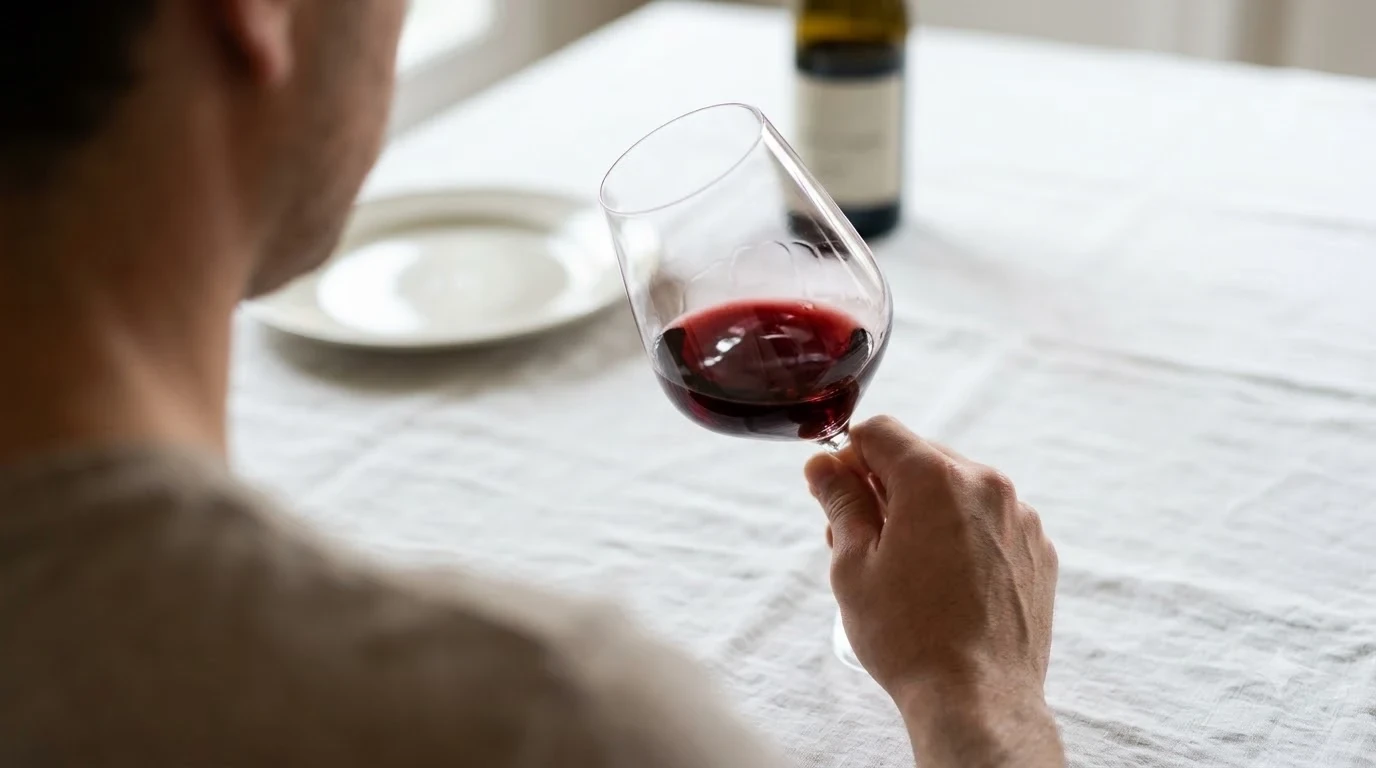
14 Hands Cabernet is a value-focused Cabernet Sauvignon from 14 Hands, a winery based in Prosser, Washington. The producer describes its wines as wild, fruit-forward and made from Washington State fruit. Expect a full-bodied red with dark fruit, a touch of oak spice and the firm structure that Cabernet Sauvignon is known for, with a style that is generally approachable and easy to match with everyday meals.
14 Hands is one of the better-known brand names on American wine shelves, and many shoppers pick up its Cabernet Sauvignon without knowing much about the winery behind it. This guide explains who makes the wine, what the bottle usually tastes like, how Cabernet Sauvignon behaves as a grape, how to serve the wine and what to eat with it. It also covers how the bottle compares with other mass-market Cabernets.
Who makes 14 Hands Cabernet
14 Hands is a winery based in Prosser, Washington, a town in the Yakima Valley that sits in the heart of the state’s wine country. The brand’s own website describes its wines as wild and wonderful, packed with character, and calls them fruit-forward wines from Washington State. That positioning is central to the brand: the goal is a wine that is easy to enjoy, with bold fruit and a friendly style, rather than a wine built around a specific estate or vineyard.
Because the brand sells a broad range of wines, the Cabernet Sauvignon sits within a larger portfolio of varietals. Many buyers come to the brand through one bottle and then try others in the same family. The official website is the best place to check the current vintage, the range of wines available and the producer’s own description of each bottle, since those details can change from year to year.
What 14 Hands Cabernet tastes like
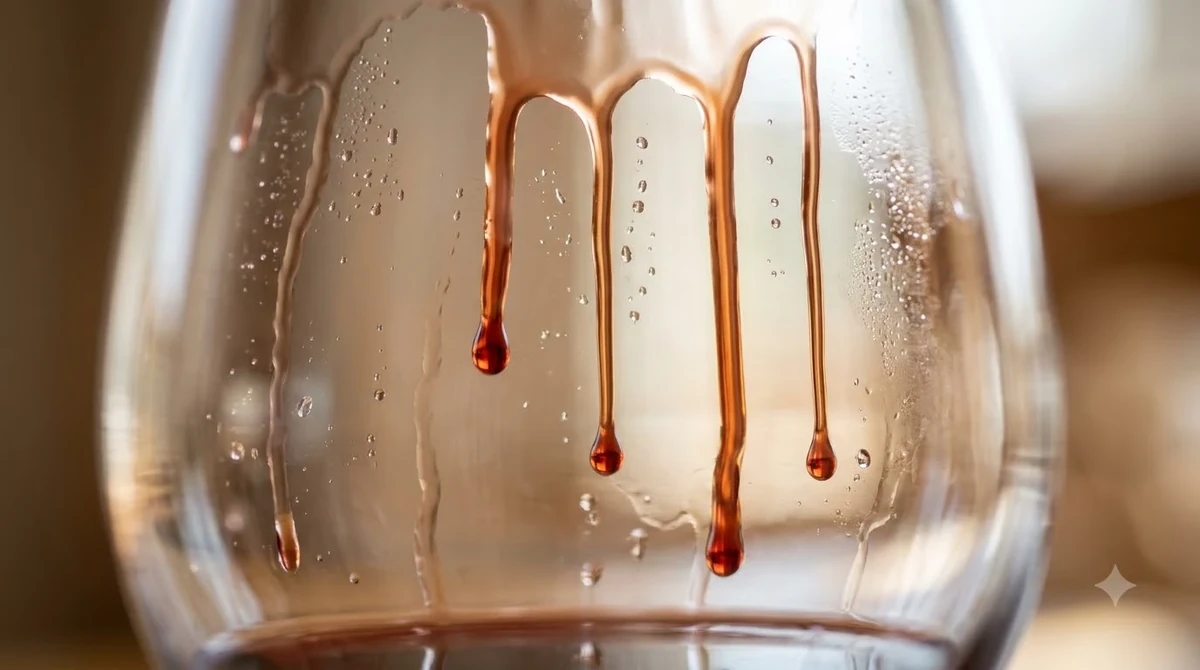
Cabernet Sauvignon is typically full-bodied, with high tannins and noticeable acidity. In a bottle like 14 Hands, the fruit usually comes forward first. Dark berry, black cherry and plum are the most common notes in a warm-climate Cabernet, and the palate often shows a little vanilla and baking spice from oak aging. Some bottles also show a hint of mint or dark chocolate on the finish.
The balance is what makes a Cabernet like this easy to drink. The tannins give structure without being harsh, and the fruit keeps the wine round and approachable. Compared with a serious, cellar-worthy Napa Cabernet, a value bottle is usually less complex and more immediate, which is exactly the point for everyday drinking.
The general character of the grape is well documented. Wikipedia’s Cabernet Sauvignon entry describes the classic profile as full-bodied, with high tannins and acidity that support aging. In cooler climates the wine shows blackcurrant and green pepper, while warmer sites bring black cherry and olive, and very hot sites can produce a jammy character. A bottle from a warm region is therefore likely to lean toward the fruit end of that range.
| Feature | What to expect |
|---|---|
| Body | Full, with a generous mouthfeel |
| Tannin | Firm but usually smoothed by fruit and oak |
| Main fruit | Dark berry, black cherry, plum |
| Oak notes | Vanilla, baking spice, a hint of toast |
| Best for | Weeknight dinners, casual gatherings, grilled meats |
How 14 Hands compares with other mass-market Cabernets
Several mass-market Cabernet Sauvignons compete for the same shelf space. Each brand has its own house style, and the differences usually come down to how much oak is used, how sweet the fruit tastes and how soft the tannins feel. Some lean toward a jammier, rounder profile, while others aim for a drier, more structured finish.
Compared with other popular names, 14 Hands is usually described as fruit-forward and easy to approach. Readers who want a softer, rounder red might enjoy it more than a drier style. Anyone who prefers a leaner, more savory Cabernet may find it a little too fruity, and a bottle from a cooler region could suit them better.
How to serve 14 Hands Cabernet
Cabernet Sauvignon is best served slightly below room temperature rather than fully warm. A standard red wine glass with a generous bowl lets the aromas open, and pouring about half a glass gives the wine room to breathe. Cooler is better than warmer, because heat can make the alcohol feel prominent and the fruit taste heavy.
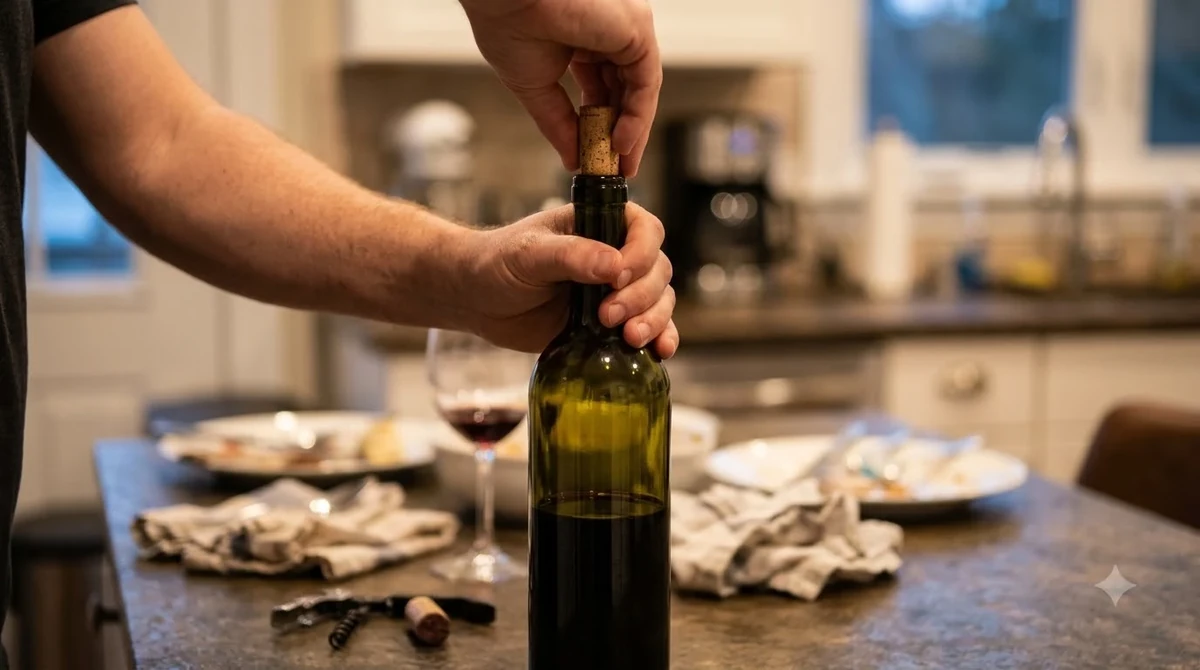
Decanting is optional for a young, fruit-forward bottle like this one. Pouring the wine into a decanter for 20 to 30 minutes can soften the tannins and open the fruit a little, but it is not necessary for everyday drinking. If you are opening a bottle for a meal, pouring it about 15 minutes before the first course is a simple way to let it settle.
Tip: Keep the bottle out of direct sun and away from the stove. Heat is the most common reason a fruit-forward red loses its freshness quickly after opening.
Foods that pair well with 14 Hands Cabernet
Cabernet Sauvignon works best with fatty, rich and savory food, because the fat softens the tannins. The same source notes that fatty red meats, such as lamb or steak, are classic matches. Burgers, grilled sausages and roast chicken with a dark sauce also suit a fruit-forward Cabernet.
Cheese is another good option. Cheddar and Brie both work with a medium-bodied Cabernet, and the fruit lifts strong flavors without overpowering them. Strong blue cheeses tend to clash with the wine, so keep them for a different bottle. Dark chocolate is a surprisingly good match for a Cabernet, while sweeter milk chocolate tends to make the wine taste thinner.
Avoid very spicy food. Heat can accentuate the tannins and make the wine taste bitter, so choose milder dishes when you open a big red.
How to choose a bottle of 14 Hands Cabernet
The label is the first place to check. Look for the vintage year, the varietal name and the state of origin, which is Washington State for the brand’s standard wines. Vintage variation can be noticeable in a value bottle, so checking the producer’s current description is a good idea if you have a specific style in mind.
If you like the fruit-forward style, this bottle is a reliable choice for an everyday red. If you want something more structured or more aged, consider a Cabernet from a specific region with a longer track record, and compare the two side by side to see which suits your taste.
Frequently Asked Questions
Is 14 Hands Cabernet dry or sweet?
Cabernet Sauvignon is a dry red wine. The fruit in 14 Hands is generous and easy to enjoy, but the wine is not sweet in the way a dessert wine is. Taste the bottle to judge the balance for yourself.
Where is 14 Hands wine made?
The winery is based in Prosser, Washington, and the brand describes its wines as Washington State wines. Check the back label or the producer’s site for the exact vineyard sourcing of the current vintage.
What food goes best with 14 Hands Cabernet?
Grilled red meats, burgers, roast chicken with a dark sauce and medium-strength cheeses all work well. Dark chocolate is a good dessert match, while very spicy food is better with a different wine.
Should I decant 14 Hands Cabernet?
Decanting is optional for a young, fruit-forward bottle. Pouring it into a decanter for 20 to 30 minutes can soften the tannins, but everyday drinking does not require it.
14 Hands is one of many shelf-stable brands that give everyday drinkers an easy entry point to Cabernet Sauvignon. To compare it with similar brand names, read the Dark Horse Cabernet or Barefoot Cabernet guides, or see Black Box Cabernet for a boxed option. For more background on how wine brands fit together, the Wine Brands hub is a useful starting point. For the producer’s own description and the current range, see the 14 Hands website.
More in Wine Brands
 Underwood Wine Price: Compare Bottles, Cans, and Pack SizesUpdated Nov 21, 2026
 Zenato Wine Price: Compare Styles and Choose the Right BottleUpdated Nov 21, 2026
 Zuccardi Wine Price: Compare Bottles and Find the Right RangeUpdated Nov 21, 2026
 Yellow Tail Moscato Review: Taste, Sweetness and Serving TipsUpdated Nov 21, 2026
 Wolf Blass Yellow Label Review: Choose Your Best StyleUpdated Nov 21, 2026
 Wolffer Estate Rose Review: Choose the Right Bottle for Your TableUpdated Nov 21, 2026