

We may earn a commission when you buy through links on this page, at no extra cost to you. Learn more.
Zuccardi white wine is Argentine wine made from grapes such as Chardonnay and Torrontés, with distinctive expressions shaped by high-altitude vineyards in Mendoza’s Uco Valley and Salta. The producer offers several styles, from fresh, aromatic Torrontés to structured Chardonnay with citrus, orchard-fruit, and mineral characteristics. Its Serie A and Serie Q collections provide accessible ways to explore these grapes, while more specialized bottlings highlight individual vineyard locations. Understanding the grape variety, origin, and winemaking approach makes choosing the right bottle considerably easier.
Argentina is particularly famous for Malbec, but its white wines deserve attention too. Zuccardi is one producer demonstrating how mountain vineyards, different grape varieties, and careful winemaking can create whites with freshness and a strong sense of origin. Its Chardonnay and Torrontés are especially useful starting points for American wine drinkers interested in exploring beyond familiar California and European bottles. This guide explains the main styles, their flavors, how they are produced, and the best ways to serve and pair them.
Understanding Zuccardi’s White Wine Portfolio
Zuccardi’s white wine portfolio includes several grape varieties and collections, rather than one standardized house style. Chardonnay and Torrontés are particularly important, while Semillon, Verdejo, Albariño, and Riesling demonstrate the wider range of varieties associated with its vineyards and wines.
The producer’s wines are organized into collections that help communicate different levels of regional and vineyard expression. Serie A and Serie Q are useful starting points because they offer recognizable grape varieties while showing differences in Argentine growing conditions and winemaking decisions. Serie A emphasizes representative Argentine varieties from suitable growing regions, while Serie Q uses selected vineyard parcels from Mendoza.
For someone encountering the producer for the first time, the distinction between these collections is more useful than assuming that every bottle tastes alike. A Chardonnay from Tupungato will have a different profile from Torrontés grown in Salta. The grape, vineyard elevation, climate, and fermentation choices all contribute to the finished wine.
Important white wine collections
Serie A includes a Chardonnay-Viognier blend and a varietal Torrontés. The Chardonnay-Viognier combines the familiar orchard-fruit character of Chardonnay with the aromatic qualities associated with Viognier. The Torrontés offers a more floral and citrus-driven experience, making it a useful introduction to Argentina’s signature aromatic white grape.
Serie Q includes a Chardonnay sourced from selected Uco Valley vineyard locations. Its production approach combines concrete vessels and used French oak, creating a wine that balances fruit, texture, and freshness rather than relying entirely on pronounced barrel flavors.
Beyond these collections, the portfolio includes more site-focused expressions. Zuccardi Fósil, for example, is a Chardonnay from San Pablo that highlights the character of its mountain origin. Other regional bottlings, including Semillon and Verdejo, provide additional opportunities to explore how different grapes respond to the Uco Valley’s varied soils and growing conditions.
The producer’s broader approach is closely associated with vineyard identity. The South America Wine Guide describes its focus on precise, terroir-driven wines from locations such as San Pablo, Gualtallary, and Paraje Altamira. Readers interested in comparing the producer’s other styles can also explore zuccardi red wine to understand how the same regional philosophy appears in its Malbec and other reds.
High-Altitude Vineyards and Argentine Wine Regions
The origin of a Zuccardi white wine is one of the most important clues to its character. Mendoza’s Uco Valley supplies several Chardonnay expressions, while Salta provides a particularly distinctive environment for Torrontés, with vineyards reaching remarkable elevations.
The Uco Valley lies in Mendoza, near the Andes Mountains. Within this broader area, locations such as Tupungato, Gualtallary, El Peral, and San Pablo have distinct elevations, soils, and microclimates. These differences can influence grape ripening, natural acidity, aroma development, and the texture of the finished wine.
For example, the producer’s 2024 Serie A Chardonnay comes from Tupungato in the Uco Valley. Its technical information identifies pear, white peach, green apple, and herbal notes, alongside refreshing acidity. This combination makes sense for a Chardonnay designed to emphasize freshness rather than heavy oak or buttery characteristics. The producer’s Serie A Chardonnay technical information provides further details about its vineyard origin and production methods.
Gualtallary and El Peral are important locations for the 2024 Serie Q Chardonnay. The producer identifies the Gualtallary source at 1,400 meters above sea level and El Peral at 1,200 meters. Both locations contribute grapes to a wine that combines natural freshness with a more developed texture from its fermentation and aging choices.
Salta offers a different regional perspective. The province is located in northwestern Argentina and is closely associated with Torrontés. The producer’s 2023 Serie A Torrontés originates at 1,800 meters, while the region’s vineyards can reach 3,100 meters. These elevations and the substantial temperature variation between day and night help shape the aromatic character of the grapes.
High elevation does not automatically guarantee a particular flavor or quality level. Soil composition, vineyard exposure, harvest decisions, grape variety, and cellar practices also matter. However, the combination of mountain conditions and careful site selection helps explain why Argentine white wines can deliver lively acidity and concentrated fruit without necessarily tasting heavy.
For wine drinkers accustomed to white wines from coastal California or cooler European regions, these Argentine examples offer an interesting comparison. They combine ripe fruit expression with freshness, often supported by a distinct mineral or stony impression.
Chardonnay, Torrontés, and Other White Grape Varieties
Chardonnay and Torrontés are the two most useful varieties to understand when choosing among Zuccardi’s white wines. Chardonnay generally provides a more familiar orchard-fruit profile, while Torrontés offers pronounced floral and citrus aromas with a dry finish.
Chardonnay: Fresh fruit and layered texture
Chardonnay is a versatile grape that can produce everything from crisp, citrus-driven wines to rich, oak-influenced bottles. Zuccardi’s examples emphasize the relationship between fruit freshness, vineyard origin, and winemaking texture.
The 2024 Serie A Chardonnay is technically a blend of 90% Chardonnay and 10% Viognier. The producer describes pear, white peach, green apple, and herbs, with refreshing acidity and a long finish. Its relatively restrained use of French oak makes the wine suitable for people who appreciate Chardonnay but prefer freshness over pronounced vanilla or butter flavors.
The 2024 Serie Q Chardonnay is different. It contains 100% Chardonnay and comes from Gualtallary and El Peral. Its citrus and orchard-fruit character is supported by a combination of concrete and used French oak. This approach adds texture without making the wine dependent on strong toasted-oak flavors.
Wine Enthusiast awarded the 2024 Q Chardonnay 91 points and described lemon zest, white peach, green apple, lime, and chalky notes. Its review of Zuccardi 2024 Q Chardonnay highlights the wine’s freshness and tension, characteristics that help distinguish it from richer, more heavily oaked Chardonnay styles.
Torrontés: Argentina’s aromatic white grape
Torrontés is especially interesting because its aroma can initially suggest sweetness even when the wine itself is dry. Floral notes, citrus, and white fruit create an expressive nose, but the actual taste depends on residual sugar and acidity rather than fragrance alone.
The 2023 Serie A Torrontés is made from 100% Torrontés. Its aromatic profile includes linden blossom, citrus, and white fruit. The producer describes the palate as dry, with lively acidity, good volume, and a persistent citrus finish.
This distinction is important for anyone choosing between Torrontés and a sweeter aromatic white. A floral aroma does not mean a wine contains significant residual sugar. Zuccardi’s example offers aromatic intensity while retaining a dry finish, making it suitable for seafood, herbs, and dishes with fresh citrus flavors.
Other varieties worth exploring
Semillon is another interesting Argentine white grape. It can provide citrus, pear, herbal notes, and a broader palate texture, depending on the vineyard and production method. Zuccardi’s wider portfolio includes Semillon, illustrating that its white wine interests extend beyond the two best-known varieties.
Verdejo, Albariño, and Riesling also appear among the varieties associated with the producer’s vineyards and wine range. Verdejo is often recognized for citrus, herbal, and sometimes slightly bitter notes. Albariño typically brings lively acidity and citrus or stone-fruit characteristics, while Riesling can range from bone-dry to sweet depending on its production style.
These varieties provide useful alternatives for people who already enjoy Sauvignon Blanc, Pinot Grigio, or aromatic European whites. However, individual bottlings should be evaluated according to their actual grape composition and production details rather than assuming every wine follows a generic regional profile.
Winemaking Methods That Shape Flavor and Texture
Zuccardi’s white wines use different fermentation and aging techniques to preserve grape character while developing texture. Stainless steel, concrete, French oak, native yeasts, and lees aging all play different roles in shaping the finished wines.
Stainless steel fermentation is commonly associated with fresh, direct fruit expression. Because the vessel does not contribute oak flavors, it allows aromas such as green apple, citrus, and pear to remain prominent. This method is particularly useful when the objective is to emphasize a grape’s freshness and regional character.
Oak fermentation can add a different dimension. French oak may contribute texture and subtle spice, even when the barrels are used and relatively neutral. The intensity of oak influence depends on the barrel’s age, size, toast level, and how much of the wine is exposed to it.
The 2024 Serie A Chardonnay demonstrates a mixed approach. According to the producer, 20% of the wine undergoes fermentation in French oak barrels, while the remaining 80% ferments in stainless steel tanks. The wine then spends six months on fine lees, with weekly bâtonnage, and does not undergo malolactic fermentation.
Bâtonnage is the process of stirring the lees, which are the spent yeast cells remaining after fermentation. This technique can contribute a fuller mouthfeel and additional complexity. Because the Serie A Chardonnay also avoids malolactic fermentation, it retains a fresher acid profile rather than developing the softer, buttery characteristics often associated with that secondary fermentation.
Concrete and oak in Serie Q Chardonnay
The 2024 Serie Q Chardonnay uses a different production arrangement. The producer reports that 50% is fermented and aged in used, untoasted French oak barrels measuring 500 liters, while the other 50% uses concrete vessels.
The barrels provide controlled contact with wood without the strong flavor contribution of new, heavily toasted oak. Concrete, meanwhile, offers a vessel for fermentation and aging without adding conventional wood aromas. Together, these methods support texture and complexity while preserving the wine’s fresh fruit character.
Native yeasts are another element of this production approach. Rather than relying exclusively on commercially selected yeast strains, fermentation uses naturally occurring yeasts associated with the grapes and winery environment. The resulting fermentation is part of the producer’s effort to express vineyard characteristics.
Why the production details matter
Technical information is useful because two wines labeled Chardonnay can have quite different personalities. One might emphasize stainless-steel freshness, while another may develop additional texture from oak, concrete, and lees contact.
These differences are especially helpful when selecting wine for a meal. A crisp, fruit-driven Chardonnay can accompany grilled seafood and vegetable dishes, while a more textured example may work better with roast chicken, creamy sauces, or richer fish preparations.
Tasting Profile, Alcohol Content, and Serving Temperature
Zuccardi white wines generally offer a combination of fruit expression and freshness, although the precise profile depends on the grape and bottling. Chardonnay tends toward citrus and orchard fruit, while Torrontés is more overtly floral and aromatic.
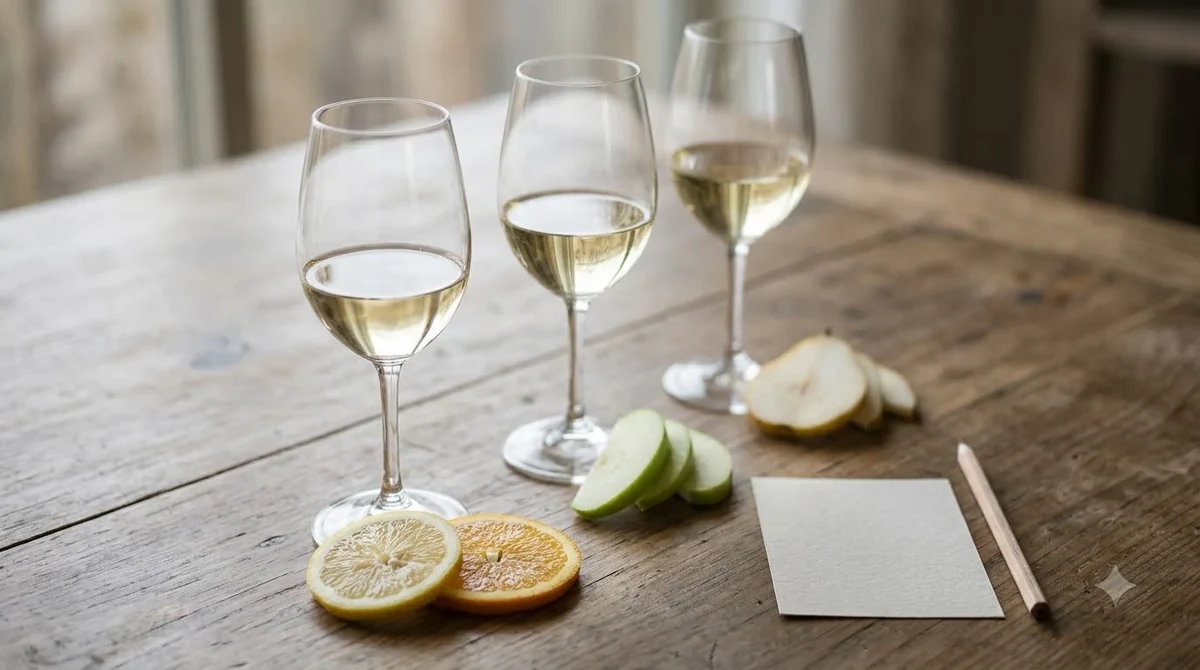
For Chardonnay, common descriptors include green apple, pear, white peach, lemon, lime, and subtle mineral impressions. Some bottlings may also show additional texture from lees aging or neutral oak. The 2024 Serie Q Chardonnay is a useful example of this balance, with its lemon zest, white peach, green apple, and chalky character.
Torrontés presents a different aromatic experience. Linden blossom, citrus, and white fruit are prominent in the producer’s 2023 Serie A example. Although the nose is expressive, the palate is dry and lively rather than dessert-like.
Comparing documented wine specifications
The following figures come from the producer’s technical information for three specific bottlings. They illustrate how alcohol, acidity, and grape composition differ across Zuccardi’s white wine selections.
| Wine | Grape composition | Alcohol | Total acidity | Origin |
|---|---|---|---|---|
| Serie A Chardonnay 2024 | 90% Chardonnay, 10% Viognier | 13% | 7.1 g/L | Tupungato, Uco Valley |
| Q Chardonnay 2024 | 100% Chardonnay | 13% | 7.07 g/L | Gualtallary and El Peral |
| Serie A Torrontés 2023 | 100% Torrontés | 13.9% | 6.5 g/L | Salta |
These specifications are useful when comparing wines, but they do not tell the entire story. Alcohol percentage provides an indication of strength, while total acidity helps describe the wine’s structural freshness. Neither measurement independently determines whether a wine will taste sweet, dry, light, or full-bodied.
For example, a dry Torrontés can smell intensely floral, while a Chardonnay with similar alcohol content can taste more restrained. The combination of grape variety, residual sugar, acidity, and aroma creates the overall impression.
Recommended serving temperatures
Serving temperature has a noticeable effect on white wine. A wine served too cold can lose much of its aromatic expression, while one served too warm may seem softer and more alcoholic than intended.
For Zuccardi’s Chardonnay, a temperature of approximately 45–50°F works well for lighter, fresher expressions. A more textured Chardonnay can be served around 50–55°F to allow its fruit and mouthfeel to become more apparent. Torrontés is generally best around 45–50°F, where its floral and citrus aromas remain accessible.
Tip: Refrigerate a bottle for approximately 2–3 hours before serving, then allow it to sit briefly at room temperature if it feels too cold. Use a regular white wine glass with a moderately sized bowl to help Chardonnay and Torrontés express their aromas.
For a standard tasting or dinner serving, pour approximately 5 ounces per glass. A 750 ml bottle provides about five standard glasses, making it straightforward to plan portions for a small gathering.
Food Pairings for Zuccardi White Wines
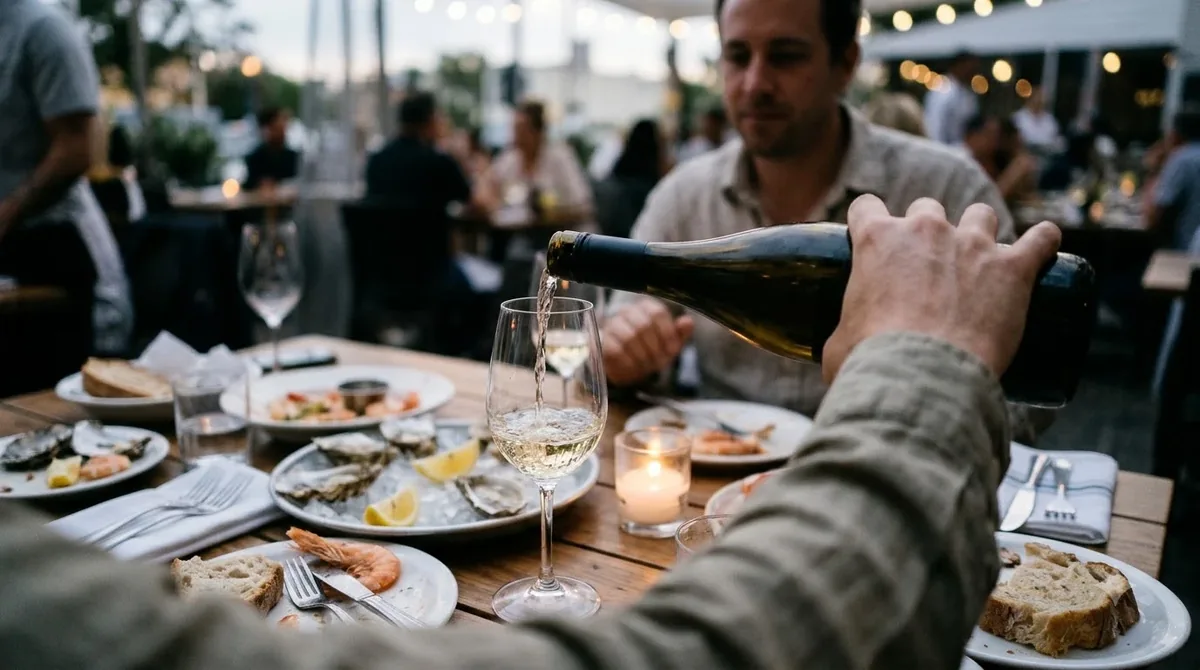
The best food pairing depends on the grape’s acidity, body, and aromatic character. Chardonnay works particularly well with chicken, seafood, and creamy preparations, while Torrontés is a natural match for aromatic dishes, seafood, and foods seasoned with herbs and citrus.
Pairing Chardonnay with seafood and poultry
A fresh Uco Valley Chardonnay can accompany grilled sea bass, roasted chicken, shrimp, or baked cod. Its citrus and orchard-fruit flavors complement delicate proteins without overwhelming them. The wine’s acidity also helps balance moderate amounts of butter or cream in a sauce.
For a richer Chardonnay, try roast chicken with lemon, herb-roasted turkey, or pasta with a light cream sauce. The wine’s additional texture can match the weight of these dishes. A dish with mushrooms, roasted squash, or grilled zucchini can also work well, especially when herbs are used to bring freshness to the plate.
However, heavily acidic food needs a wine with equal or higher acidity. A lemon-heavy seafood preparation can make a softer white wine seem flat. The fresh acidity in Zuccardi’s Chardonnay expressions makes them practical choices for dishes featuring moderate citrus seasoning.
Pairing Torrontés with aromatic dishes
Torrontés is particularly versatile with dishes that contain fresh herbs, citrus, and aromatic spices. Consider grilled shrimp with cilantro, chicken with ginger and lime, or fish served with a fresh herb dressing.
Its floral aromas can complement Thai-inspired food, Vietnamese spring rolls, and seafood preparations with lemongrass. These dishes often contain several layers of fragrance, making an aromatic white more interesting than a neutral wine.
For mildly spicy food, a dry Torrontés can provide a refreshing contrast. However, alcohol can amplify the sensation of chili heat, so dishes containing particularly hot peppers are better matched with a lower-alcohol, softer wine. Avoid assuming that every aromatic white will automatically work with very spicy cuisine.
Pairings for cheese and vegetarian dishes
Chardonnay can accompany Brie, young Gouda, mild goat cheese, and creamy vegetable preparations. The texture of the cheese and the wine can complement each other, particularly when the dish includes roasted vegetables or fresh herbs.
Torrontés works nicely with fresh goat cheese, herb-seasoned salads, grilled vegetables, and vegetable spring rolls. Its citrus character can help balance the richness of soft cheese, while floral aromas complement fresh herbs.
When choosing cheese, avoid relying exclusively on intensity. Very strong blue cheese can overpower a delicate white wine. A moderately flavored cheese generally provides a better opportunity to appreciate the wine’s fruit and aromatic detail.
Practical pairing reference
The following combinations offer useful starting points for a dinner menu:
- Serie A Chardonnay: Grilled chicken, baked cod, shrimp, roasted vegetables, and mild creamy pasta.
- Q Chardonnay: Roast chicken, grilled sea bass, mushroom risotto, and herb-roasted turkey.
- Serie A Torrontés: Vietnamese spring rolls, grilled shrimp, citrus-seasoned fish, and fresh goat cheese.
- Semillon: Roast poultry, seafood pasta, grilled vegetables, and mild cheeses, depending on the bottling’s style.
One important principle applies across all these combinations: the wine should not be noticeably sweeter than the food. For a sweet dessert, choose a wine with at least as much sweetness as the dish. A dry Zuccardi Chardonnay or Torrontés is therefore better suited to savory courses than to very sweet desserts.
How to Choose, Store, and Enjoy a Bottle
Choosing a Zuccardi white wine becomes easier when you begin with the occasion and the flavor profile you prefer. Chardonnay is a dependable choice for people who enjoy orchard fruit and balanced texture, while Torrontés is especially appealing to those who prefer floral aromas and expressive citrus character.
For a first purchase, Serie A Chardonnay offers a useful introduction to the producer’s fresh, fruit-focused white wine approach. Its combination of Chardonnay and Viognier provides a little additional aromatic interest while retaining a recognizable Chardonnay foundation.
Serie A Torrontés is another good starting point, particularly if you want to experience a grape closely associated with Argentina. It is dry despite its floral aroma and works well as an aperitif or with seafood and herb-based dishes.
For a more detailed Chardonnay experience, Serie Q offers a different production style and selected Uco Valley origins. Its mixture of concrete and used French oak gives the wine a distinctive structural profile. People who enjoy exploring vineyard differences may also find the producer’s more specialized Chardonnay bottlings interesting.
Storage before opening
White wine should be stored in a cool, dark place away from direct sunlight and major temperature fluctuations. A consistent storage temperature near 55°F is a useful target for longer-term storage. If a bottle has a natural cork, keeping it on its side helps maintain contact between the wine and cork.
For everyday drinking, there is no need to age every white wine for an extended period. Many fresh, aromatic styles are intended to be enjoyed while their fruit character remains lively. More structured Chardonnay can sometimes benefit from additional bottle development, but its aging potential depends on the individual wine and vintage.
Preserving an opened bottle
Once opened, reseal the bottle securely and place it in the refrigerator. Most still white wines retain reasonable quality for approximately three to five days when stored properly. The exact period depends on oxygen exposure, temperature, and the wine’s original condition.
A vacuum stopper can help reduce oxygen exposure, although it does not completely prevent oxidation. For the best experience, return the wine to an appropriate serving temperature before pouring another glass.
When comparing different bottles, pay attention to the vintage as well as the grape and collection. Harvest conditions can influence acidity, ripeness, and overall balance. Two vintages of the same wine may therefore show slightly different fruit expression and structure.
It can also be useful to compare Argentine Chardonnay with other familiar styles. Readers exploring broader wine categories may find black box pinot grigio alcohol content helpful when considering how alcohol levels and grape varieties differ between everyday white wine options. Those interested in international producers can also read about baron philippe de rothschild wine for another perspective on wine collections and regional identity.
Ultimately, the most useful selection method is to match the wine’s grape variety and style to the food and occasion. Exploring different Wine Brands can also help develop a broader understanding of how producers communicate their regional character through different bottlings.
Frequently Asked Questions
Is Zuccardi an organic wine producer?
Organic certification is specific to individual vineyards, wines, and production standards, so it should not be assumed for every bottle from a producer. A winery’s broader commitment to vineyard expression does not automatically establish organic certification. Look for an explicit certification or production statement associated with the particular bottling if organic status is important to your selection.
What does the name Torrontés refer to in Argentine wine?
Torrontés is the name of a group of Argentine white grape varieties, with Torrontés Riojano being especially associated with the country’s aromatic white wines. The variety is known for pronounced floral aromas and citrus characteristics. Its aromatic intensity is one reason it is often recognized even by drinkers who are unfamiliar with the grape.
Does Chardonnay always taste buttery?
No. Buttery flavors and creamy textures are often associated with malolactic fermentation and certain oak-aging choices, rather than being unavoidable characteristics of Chardonnay. Wines fermented in stainless steel or made without malolactic fermentation can retain a fresher, more citrus-driven profile. Zuccardi’s documented Chardonnay production provides examples of this fresher approach.
What is the difference between lees aging and barrel aging?
Lees aging means keeping wine in contact with the yeast cells left after fermentation. It can increase texture and complexity without requiring oak. Barrel aging refers to storing wine in wooden vessels, where the wood and oxygen exposure can influence structure and flavor. A wine can undergo both processes at the same time, as illustrated by several Chardonnay production methods.
Can Zuccardi white wine be used in cooking?
Yes. Dry Chardonnay can be used in seafood sauces, risotto, and chicken preparations, while Torrontés can contribute aromatic citrus and floral notes to lighter sauces. Use a wine that is pleasant enough to drink and avoid sweet styles in recipes that require dry white wine. Add the wine during cooking and allow sufficient time for its alcohol and raw aromas to dissipate.
Zuccardi white wines demonstrate the variety and character of Argentina’s mountain vineyards, from fresh Uco Valley Chardonnay to aromatic Salta Torrontés. Serie A and Serie Q provide approachable starting points, while more specialized vineyard expressions offer further opportunities to explore the producer’s approach. Choose according to your preferred grape, serve at the appropriate temperature, and pair the wine with food that complements its acidity and aromatic character.
More in Wine Brands
 Underwood Wine Price: Compare Bottles, Cans, and Pack SizesUpdated Nov 21, 2026
 Zenato Wine Price: Compare Styles and Choose the Right BottleUpdated Nov 21, 2026
 Zuccardi Wine Price: Compare Bottles and Find the Right RangeUpdated Nov 21, 2026
 Yellow Tail Moscato Review: Taste, Sweetness and Serving TipsUpdated Nov 21, 2026
 Wolf Blass Yellow Label Review: Choose Your Best StyleUpdated Nov 21, 2026
 Wolffer Estate Rose Review: Choose the Right Bottle for Your TableUpdated Nov 21, 2026