

We may earn a commission when you buy through links on this page, at no extra cost to you. Learn more.
Uco Valley vineyards are high-altitude wine-growing sites in Mendoza, Argentina, producing distinctive Malbec, Cabernet Franc, Chardonnay, and other wines shaped by cool mountain conditions, sunny days, and diverse alluvial soils. Located south of Mendoza city, the region encompasses the departments of Tupungato, Tunuyán, and San Carlos. Its vineyards extend across elevations of approximately 900 to 1,700 meters above sea level, creating substantial differences in temperature, soil composition, and grape-ripening conditions. Understanding these differences helps wine drinkers recognize why bottles from Gualtallary, Los Chacayes, San Pablo, and Paraje Altamira can taste remarkably different.
Argentina is internationally associated with Malbec, but the Uco Valley demonstrates how much a wine’s character depends on where its grapes grow. This mountain-influenced region has developed an identity based on individual vineyard locations rather than simply a broad Mendoza designation. Whether you are selecting a bottle for dinner, comparing Argentine wine regions, or planning a winery visit, knowing the valley’s geography provides a useful starting point.
Where the Uco Valley Wine Region Is Located
The Uco Valley occupies a mountainous agricultural landscape in western Argentina, within Mendoza Province. Its location near the Andes gives vineyards access to high elevations, strong sunlight, and a dry growing environment that distinguishes the region from warmer, lower-lying wine districts.
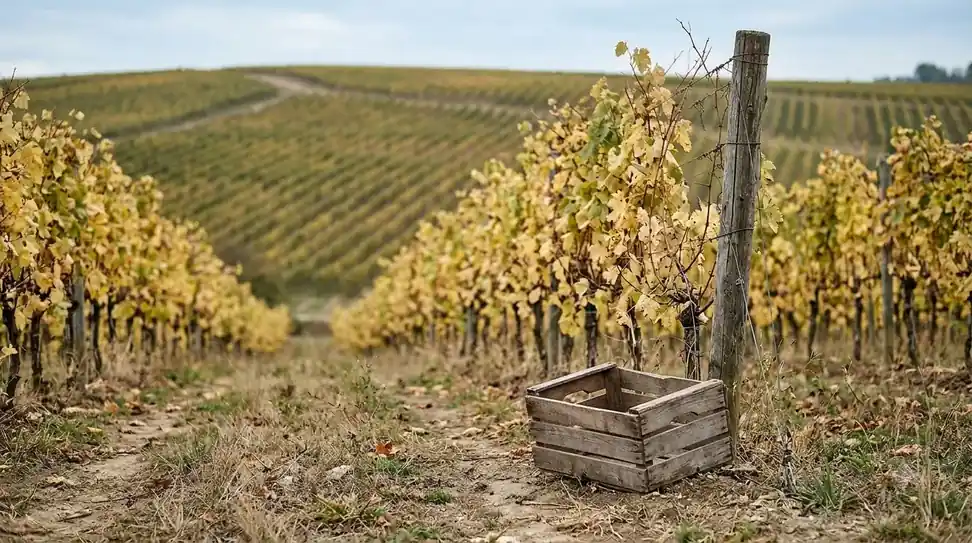
The valley lies approximately 80 to 130 kilometers south of Mendoza city, according to Argentina’s official tourism information. Its principal wine-growing departments are Tupungato in the north, Tunuyán in the center, and San Carlos in the south. These administrative divisions provide a useful starting point, but they do not tell the whole story. Individual districts and geographical indications within each department offer more detailed information about vineyard conditions and wine identity.
The landscape is closely connected to the Andes and the geological history of the region. According to Wines of Argentina, the Uco Valley developed through a combination of tectonic activity, river systems, wind movement, and volcanic deposits. The Tunuyán River is an important geographical feature, while other rivers and streams have contributed to the sedimentary plains where vineyards now grow. These deposits created extensive alluvial fans containing different combinations of stones, gravel, sand, silt, and clay.
Altitude is one of the most important factors influencing the valley’s wine production. Wines of Argentina places vineyard elevations within the wider Uco Valley GI at approximately 900 to 1,700 meters above sea level. The difference between a vineyard near 900 meters and one approaching 1,700 meters can influence daily temperatures, growing-season development, and the timing of harvest. Higher sites generally experience cooler conditions, making them attractive for producers seeking freshness and slower grape maturation.
The climate is dry, with approximately 220 to 370 millimeters of annual rainfall across the Uco Valley GI, according to Wines of Argentina. Average annual temperatures range from approximately 12.5 to 14.5 degrees Celsius. Sunshine supports grape maturation, while cooler nights help preserve acidity. Because natural rainfall is limited, irrigation is an important part of vineyard management.
For a broader understanding of how this landscape fits into Argentina’s wine geography, the Wine Regions overview provides useful context for comparing Mendoza with other important growing areas.
The Three Main Vineyard Areas: Tupungato, Tunuyán, and San Carlos
The Uco Valley’s three main departments each contain several wine-growing districts, and their differences are more meaningful than their positions on a map alone. Tupungato is particularly associated with high-altitude sites, Tunuyán includes important mountain-influenced districts, and San Carlos contains established vineyards and distinctive calcareous soils.
Tupungato occupies the northern section of the valley. It includes Gualtallary, one of Argentina’s most closely studied vineyard areas, as well as El Peral and other growing districts. Elevation changes considerably across Tupungato, with some vineyard locations approaching 1,600 meters. The resulting temperature differences create opportunities for wines with pronounced freshness, firm structure, and distinctive aromatic character.
Gualtallary has attracted particular attention because relatively short distances can separate vineyards with different soil compositions and growing conditions. Chardonnay and Cabernet Franc are important alongside Malbec. Producers increasingly distinguish individual parcels to understand how calcium carbonate, gravel, elevation, and exposure influence the finished wine.
Tunuyán occupies the central part of the valley and includes Los Chacayes, San Pablo, and Vista Flores. Its vineyards combine different elevations, slopes, and alluvial deposits. Los Chacayes is especially interesting because its landscape contains several soil formations created by the movement of the Arroyo Grande stream. These include gravel with calcium carbonate, gravel without carbonate, washed riverbed stones, and material originating from nearby slopes.
San Pablo is another important district in Tunuyán. Its approved geographical indication is associated with vineyards between approximately 1,175 and 1,720 meters above sea level. Limestone and gypsum occur among its soil characteristics. Malbec, Chardonnay, and Cabernet Franc are among the principal varieties associated with this growing area.
San Carlos forms the southern section of the valley. Its best-known wine-growing locations include La Consulta, Paraje Altamira, and El Cepillo. La Consulta has a winegrowing tradition extending beyond a century, while Paraje Altamira has gained recognition for its particular combination of gravelly and calcareous soils. San Carlos is especially important for understanding the historical development of Malbec in the Uco Valley.
These three departments should not be treated as interchangeable labels. A Tupungato Chardonnay, a Tunuyán Malbec, and a San Carlos red may share the broad Uco Valley identity but express different combinations of fruit, acidity, texture, and structure.
Famous Vineyard Districts and Their Distinctive Terroirs
Some of Argentina’s most interesting vineyard expressions come from smaller geographical areas within the Uco Valley. Gualtallary, Los Chacayes, San Pablo, and Paraje Altamira illustrate how elevation, geology, and vineyard location influence the character of wine.
Gualtallary: Elevation and Calcareous Soils
Located in Tupungato, Gualtallary rises from approximately 915 to 1,600 meters over a distance of just 16 kilometers, according to Decanter’s examination of Mendoza’s three leading terroirs. This substantial elevation change creates different growing conditions within a relatively compact area. The district’s alluvial soils contain calcium carbonate in varying quantities and forms, contributing to the distinctive identity of individual vineyard sites.
Malbec remains a major grape, but Chardonnay and Cabernet Franc have also gained attention. Many wines from higher sites emphasize freshness, floral aromas, and a firm mineral impression rather than simply ripe fruit and generous oak. Gualtallary’s geographical identity is particularly interesting because researchers and producers continue to investigate possible subdivisions within the broader district.
Paraje Altamira: Stone, Gravel, and Established Vineyards
Paraje Altamira is located in San Carlos, generally at elevations between approximately 975 and 1,100 meters. It became a recognized geographical indication in 2013 after scientific research helped establish the area’s distinctive natural boundaries. Its soils include gravelly deposits and variable quantities of calcium carbonate.
Malbec is the best-known variety, often producing wines with dark and red fruit characteristics, floral notes, freshness, and substantial texture. However, old-vine Semillon is another important part of the district’s identity. These white wines demonstrate that Paraje Altamira has considerable potential beyond its internationally recognized red grape.
Los Chacayes: A Mosaic of Soil Types
Los Chacayes is situated in Tunuyán and received geographical indication approval in 2017. Its location near the mountain range creates a complex landscape of slopes, alluvial deposits, and river-influenced soils. Wines of Argentina identifies several different soil formations in the area, including gravel with calcium carbonate, gravel without carbonate, washed riverbed gravel, and colluvial deposits from the hills.
This variation makes Los Chacayes particularly interesting for producers who work with individual vineyard parcels. Malbec is important, but Cabernet Franc and other varieties also contribute to the district’s reputation. The wines can show expressive fruit alongside fresh acidity and a firm structural character.
San Pablo: A Cooler High-Elevation Expression
San Pablo lies in Tunuyán, with vineyards reaching elevations of approximately 1,720 meters. Its geographical indication was approved in 2019. Limestone and gypsum are among the district’s distinctive soil characteristics, while the high elevation contributes to its relatively cool growing environment.
Malbec, Chardonnay, and Cabernet Franc are important varieties here. San Pablo wines can display fresh red fruit, floral aromas, herbal details, and a taut structure. Its white wines are particularly interesting for drinkers looking for mountain-grown Chardonnay with more emphasis on freshness and texture than overt richness.
The Main Grapes Grown in Uco Valley Vineyards
Malbec is the valley’s signature red grape, but the region’s cooler elevations and varied soils support several other varieties. Chardonnay, Cabernet Franc, Pinot Noir, and Cabernet Sauvignon offer different expressions of the same mountain-influenced environment.
Malbec remains the variety most closely associated with the Uco Valley. Its wines can combine blackberry, plum, black cherry, violet, and spice with substantial color and structure. However, the style depends strongly on the vineyard site and winemaking choices. Some examples emphasize ripe fruit and roundness, while others have firmer tannins, brighter acidity, herbal notes, and a more restrained profile.
Malbec from Paraje Altamira may show generous fruit and a distinctive chalky impression, while higher-elevation examples from Gualtallary can emphasize tension, freshness, and a more structured finish. These differences are useful reminders that grape variety alone cannot explain the personality of a wine.
Cabernet Franc has become an important part of the valley’s reputation. It can produce wines with red and dark fruit, herbal aromas, peppery details, and structured tannins. Its ability to maintain freshness in cooler vineyard environments makes it a compelling alternative for drinkers who enjoy structured red wines but want something different from Malbec.
Chardonnay is another important variety, particularly in higher-elevation districts such as Gualtallary and San Pablo. These wines can feature citrus, green apple, white flowers, and stone-fruit characteristics. Depending on the producer, fermentation and maturation may take place in stainless steel, concrete, or oak. The resulting styles range from crisp and mineral to textured and creamy.
Pinot Noir benefits from cooler growing conditions and can produce lighter-bodied wines with red cherry, raspberry, earthy details, and fresh acidity. It is generally less tannic than Cabernet Sauvignon or Syrah, making it a useful choice for people who prefer a more delicate red wine.
Cabernet Sauvignon also grows in the wider valley. It generally produces fuller-bodied wines with blackcurrant, dark fruit, spice, and higher tannin levels. The cooler sites can help maintain freshness, while careful harvest decisions and oak management influence the final balance.
Other varieties, including Semillon, have a meaningful place in the region’s development. Older vineyards in Paraje Altamira demonstrate that white wine production is not simply a secondary activity. These wines can combine citrus, floral aromas, texture, and enough acidity to complement a wide range of foods.
| Grape variety | Typical body and structure | Common flavor characteristics | What to look for |
|---|---|---|---|
| Malbec | Medium to full-bodied | Blackberry, plum, violet | Freshness, balanced tannins |
| Cabernet Franc | Medium to full-bodied | Red fruit, herbs, pepper | Fresh acidity and structure |
| Chardonnay | Medium-bodied | Citrus, apple, white flowers | Texture and natural acidity |
| Pinot Noir | Light to medium-bodied | Cherry, raspberry, earth | Freshness and delicate tannins |
| Cabernet Sauvignon | Full-bodied | Blackcurrant, dark fruit, spice | Firm but balanced tannins |
| Semillon | Medium-bodied | Citrus, herbs, honeyed notes | Texture and freshness |
The variety list also helps explain why the Uco Valley appeals to different wine drinkers. Someone who enjoys concentrated reds can explore Malbec and Cabernet Sauvignon, while Chardonnay and Semillon offer alternatives for people who prefer white wines. Cabernet Franc and Pinot Noir provide additional choices for those interested in more aromatic or restrained red styles.
How Climate, Altitude, and Vineyard Practices Shape the Wines
Uco Valley wine character comes from the interaction of elevation, sunlight, water availability, soil, and vineyard management. These factors influence how quickly grapes ripen, how much acidity they retain, and when producers decide to harvest.
The region’s dry conditions and abundant sunlight encourage grape maturation, but cooler mountain temperatures help moderate the process. Temperature differences between daytime and nighttime are especially important. Warm days support the development of ripe fruit flavors, while cooler nights can help preserve acidity and aromatic definition.
Altitude changes the growing environment in several ways. Higher vineyards generally experience lower temperatures, which can extend the ripening period. They may also have greater exposure to sunlight and different wind conditions. These influences affect berry development and the balance between sugar accumulation, acidity, and phenolic maturity.
Soil composition is equally important. Alluvial deposits across the valley contain varying quantities of sand, clay, silt, gravel, and stones. Some sites contain significant calcium carbonate, while others have finer-textured materials that influence water retention. Well-drained gravelly soils can behave differently from deeper soils containing more clay.
Water management is an important practical consideration because annual rainfall is relatively low. Irrigation helps growers supply vines with the water required for healthy growth and fruit development. Drip irrigation has become increasingly common, particularly on slopes and more difficult terrain. The amount and timing of water supplied can influence canopy development, berry size, and ripening.
Harvest timing is another important decision. Producers monitor grape maturity rather than relying on a single fixed harvest date for the entire valley. A lower vineyard may reach its ideal picking point earlier than a cooler, higher site. Earlier harvesting can help preserve acidity and prevent excessive ripeness, especially when the desired style emphasizes freshness and a clear expression of vineyard origin.
Many producers also divide vineyards into individual parcels and manage them according to their soil and exposure. The approach reflects a broader shift in Argentine wine production: instead of presenting Malbec as one standardized regional style, winemakers increasingly emphasize the differences between particular growing locations.
Tip: When comparing two Uco Valley Malbecs, look beyond the grape name. Check whether the wine comes from Gualtallary, Paraje Altamira, Los Chacayes, or another district. Comparing the vineyard origin, elevation, and producer’s approach can reveal more about the wine’s likely style than the Mendoza designation alone.
How to Choose, Serve, and Pair Uco Valley Wines
The best Uco Valley wine depends on your preferred style, the food you are serving, and how much structure you enjoy. Malbec is a reliable starting point, but Chardonnay, Cabernet Franc, and Semillon can provide equally interesting introductions to the region.
For a fruit-forward red, start with a Malbec from an established Uco Valley producer. Look for blackberry, plum, cherry, and violet aromas, with tannins that provide structure without overwhelming the fruit. A bottle from Paraje Altamira can be a good choice for someone interested in a balance of ripe fruit, freshness, and texture.
For a fresher, more structured expression, explore higher-elevation Malbec from Gualtallary or San Pablo. These wines may show red and black fruit, herbal details, firmer structure, and a more pronounced sense of acidity. Cabernet Franc from Los Chacayes or Gualtallary is another useful option for drinkers who enjoy aromatic red wines with moderate-to-high tannin.
White wine drinkers should consider Chardonnay from Gualtallary or San Pablo. These wines can combine citrus and stone fruit with floral aromas and a textured palate. Semillon from Paraje Altamira offers another distinctive alternative, especially for people who enjoy whites with a little more body and complexity.
Serving Temperatures
Serving temperature has a significant influence on how wine smells and tastes. Full-bodied reds should generally be served at approximately 60 to 65 degrees Fahrenheit, while lighter reds are better around 55 to 60 degrees. Full-bodied whites are usually most enjoyable around 50 to 55 degrees Fahrenheit, and lighter whites around 45 to 50 degrees.
Young, full-bodied Uco Valley Malbec can benefit from 30 to 60 minutes of decanting. This allows the wine to open and can soften the initial impression of firm tannins. More delicate Pinot Noir generally needs less aeration, and older bottles should be handled carefully to avoid excessive exposure to air.
Food Pairings for Regional Wines
Malbec is a natural partner for grilled beef, lamb, roasted vegetables, and dishes featuring mushrooms. Its tannins and dark-fruit character work particularly well with fatty cuts of meat, while salt and fat can soften the perception of tannin. Argentine-style grilled beef is an especially appealing match.
Cabernet Franc pairs well with grilled sausages, roasted lamb, herb-seasoned chicken, and dishes featuring peppers or mushrooms. Its herbal characteristics complement rosemary, thyme, and other savory ingredients. Cabernet Sauvignon works well with richer beef dishes, while Pinot Noir is better suited to roast poultry, pork, and mushroom-based meals.
Chardonnay can accompany roasted chicken, grilled fish, creamy pasta, and seafood. A fresher, unoaked example is particularly suitable for dishes with lemon or other acidic ingredients. Semillon can work well with roasted poultry, grilled vegetables, and mild cheeses.
Acidity is important when matching wine with food. Dishes with strong lemon, vinegar, or tomato acidity generally need a wine with equal or higher acidity to avoid making the wine taste flat. Oily fish are usually better with fresh white wines or lighter reds rather than heavily tannic Cabernet Sauvignon or Malbec.
Spicy dishes require additional care because alcohol and tannin can intensify chili heat. If a meal contains substantial hot peppers, a fresh white wine with moderate alcohol may be more comfortable than a powerful red. For dessert, select a wine at least as sweet as the food so the wine does not taste sour or bitter beside the dish.
Planning a Visit to the Uco Valley’s Wineries
A visit to the Uco Valley offers an opportunity to understand how vineyard location influences wine production. The most useful itinerary includes more than one department or district, allowing visitors to compare elevation, landscapes, grape varieties, and winemaking approaches.
Many visitors begin in Tupungato, where Gualtallary provides an excellent introduction to high-altitude viticulture. Its mountainous setting, rocky vineyards, and changing elevations make it particularly interesting for understanding how geography influences wine style. A tasting focused on Malbec and Chardonnay can demonstrate how the same district supports very different grape varieties.
From there, Tunuyán provides access to Los Chacayes, San Pablo, and Vista Flores. These districts offer opportunities to explore different combinations of gravel, limestone, and other alluvial materials. Visitors interested in Cabernet Franc should pay particular attention to producers working with grapes from these locations.
San Carlos is an important destination for exploring the history and identity of Uco Valley Malbec. Paraje Altamira and La Consulta are useful places to investigate established vineyards and the role of soil research in defining geographical indications. A tasting of Malbec alongside Semillon can also demonstrate the range of wines produced in this southern part of the valley.
When arranging winery visits, reserve tastings in advance, especially at smaller estates where appointments may be necessary. Ask whether the tasting includes wines from individual vineyard sites or only broader regional blends. A comparison of two Malbecs from different districts can be more informative than tasting several wines made from the same vineyard.
It is also helpful to ask about vineyard elevation, irrigation, harvest timing, fermentation vessels, and oak maturation. These details explain why two producers working with the same grape variety can create noticeably different wines. If a winery offers a vineyard tour, pay attention to soil composition and the position of the vines relative to the mountain range.
Travel time between districts should be considered when planning an itinerary. The region covers a substantial area, and a full day of tastings can become tiring if too many distant wineries are included. Two or three carefully selected visits usually allow enough time to appreciate each location without rushing.
Wine travelers exploring other regions can also compare the Uco Valley with Verde Valley vineyards, Dry Creek Valley vineyards, and Eden Valley vineyards. These comparisons help illustrate how geography, climate, and grape selection create different regional wine identities.
Frequently Asked Questions
Are Uco Valley wines suitable for long-term cellaring?
Some structured Malbec and Cabernet Sauvignon wines from the Uco Valley can develop additional complexity with several years of bottle aging. The best candidates generally have concentrated fruit, balanced acidity, and well-integrated tannins. Storage conditions matter, so keep collectible bottles on their sides in a cool environment near 55 degrees Fahrenheit.
What does the term mountain wine mean in Argentina?
Mountain wine is an informal description of wines produced in elevated growing areas influenced by the Andes. It refers to the relationship between altitude, mountain climate, and vineyard conditions rather than a separate grape variety or official wine classification. In the Uco Valley, the term is particularly relevant to districts such as Gualtallary and San Pablo.
Is Gualtallary an officially recognized geographical indication?
Gualtallary’s geographical status has been a subject of ongoing discussion among Argentine wine producers and researchers. Decanter distinguishes the district from officially recognized geographical indications and reports that its own GI recognition remains unresolved. Its reputation, however, is already established among producers and wine professionals.
What is the difference between a geographical indication and a winery name?
A geographical indication identifies a defined growing area, while a winery name identifies the producer responsible for making or marketing the wine. A bottle can therefore carry both a producer’s name and a geographical indication such as Paraje Altamira. The geographical designation helps consumers identify the origin of the grapes rather than simply the business that made the wine.
Does the Uco Valley produce sparkling wine?
Yes. Mendoza has sparkling wine production, and the Uco Valley’s cooler growing sites provide conditions that can suit grapes used for sparkling wine. Chardonnay and Pinot Noir are particularly relevant varieties. Traditional-method sparkling wines undergo their second fermentation in the bottle, while tank-method wines complete that fermentation in a pressurized tank.
Uco Valley vineyards show why Argentina’s wine identity extends far beyond a single grape variety or broad regional label. Their combination of mountain elevations, diverse soils, and distinctive growing districts produces wines with a wide range of styles and personalities. Start with Malbec from Paraje Altamira or Gualtallary, then explore the valley’s Chardonnay, Cabernet Franc, and Semillon to appreciate the full diversity of this important Mendoza wine region.
More in Wine Regions
 Willcox Wine Trail: Discover Arizona’s High-Elevation Wine CountryUpdated Nov 20, 2026
 Yakima Valley Wine Region: Find the Best Styles to TryUpdated Nov 20, 2026
 Vosne Romanee Wine Tasting: Identify Aromas and Choose Better PairingsUpdated Nov 20, 2026
 Yakima Valley Wine Festival: Find the Best Seasonal Wine EventsUpdated Nov 20, 2026
 Wales Vineyards: Discover Cool-Climate Wines and Where to VisitUpdated Nov 20, 2026
 Yountville Wine Festival: Discover Napa Wines and Local FoodUpdated Nov 20, 2026