

We may earn a commission when you buy through links on this page, at no extra cost to you. Learn more.
This yeti wine glass review finds that the YETI Rambler 10 oz Wine Tumbler is a strong choice for outdoor wine drinking, temperature retention, and durability, but it is not a replacement for traditional stemware when aroma and tasting precision matter most. Its double-wall vacuum insulation, stainless-steel construction, DuraSip ceramic lining, and splash-resistant MagSlider lid make it practical for patios, camping trips, boats, and poolside gatherings. The biggest compromises are its limited capacity, lack of a traditional wine-glass bowl, and lid that does not provide a leakproof seal.
Wine glasses have a relatively simple job: hold wine comfortably, allow the drinker to appreciate its aromas, and make pouring and sipping pleasant. YETI approaches that job from a different direction. Instead of prioritizing delicate glass, a stem, and an open bowl, its Rambler wine tumbler emphasizes insulation, resistance to breakage, and portability. Understanding that difference is essential before deciding whether this popular outdoor drinkware belongs in a home wine collection.
Specs and Key Features of the YETI Rambler Wine Tumbler
The YETI Rambler 10 oz Wine Tumbler combines a compact stainless-steel body with vacuum insulation and a removable magnetic-slider lid. Its current ceramic-lined configuration adds a DuraSip interior intended to resist stains and simplify cleanup, making it a practical option for people who want reusable drinkware outside the home.
The most important distinction is that the ceramic-lined version is not simply a conventional stainless-steel Rambler with a different exterior color. YETI describes DuraSip as a ceramic lining fused to its 18/8 stainless-steel construction. Earlier stainless-steel interior versions also exist, so buyers comparing older reviews with current product descriptions should pay attention to the specific configuration being discussed.
According to YETI’s manufacturer specifications, the current ceramic-lined version measures 3.4 inches wide and 4.5 inches tall, with an empty weight of 0.55 pounds. REI lists a slightly different height measurement of 4.6 inches and a weight of 9.44 ounces. These small differences illustrate why retailer and manufacturer measurements should not always be treated as identical.
| Specification | YETI Rambler 10 oz Ceramic Wine Tumbler |
|---|---|
| Capacity | 10 fl oz |
| Body material | 18/8 stainless steel |
| Interior | DuraSip ceramic lining |
| Insulation | Double-wall vacuum |
| Lid | MagSlider magnetic slider |
| Manufacturer-listed width | 3.4 inches |
| Manufacturer-listed height | 4.5 inches |
| Manufacturer-listed empty weight | 0.55 pounds |
| Dishwasher safe | Yes |
| Warranty | Five years for Rambler drinkware |
These specifications make the tumbler relatively compact compared with many conventional insulated travel cups. Its short body is intended to fit comfortably in outdoor seating and camp-chair cupholders, while the double-wall construction creates an insulating barrier between the beverage and the surrounding air. The absence of a stem also gives the vessel a stable, straightforward shape for uneven outdoor surfaces.
The ceramic lining deserves particular attention. YETI explains that DuraSip is fused to the stainless-steel body rather than being a separate traditional ceramic cup. The manufacturer describes it as nonstick, stain-resistant, and scratch-resistant. This design aims to combine a smoother drinking surface with the durability of metal construction.
For additional manufacturer details, the official YETI Rambler wine tumbler specifications explain the current construction, dimensions, dishwasher guidance, and lid limitations.
What Owners Like About the Insulation and Everyday Design
The strongest appeal of the Rambler wine tumbler is its ability to keep drinks insulated in situations where an ordinary wine glass is inconvenient. Owners also appreciate its resistance to breakage, compact shape, and straightforward cleaning, particularly when using it outdoors rather than as formal dining stemware.
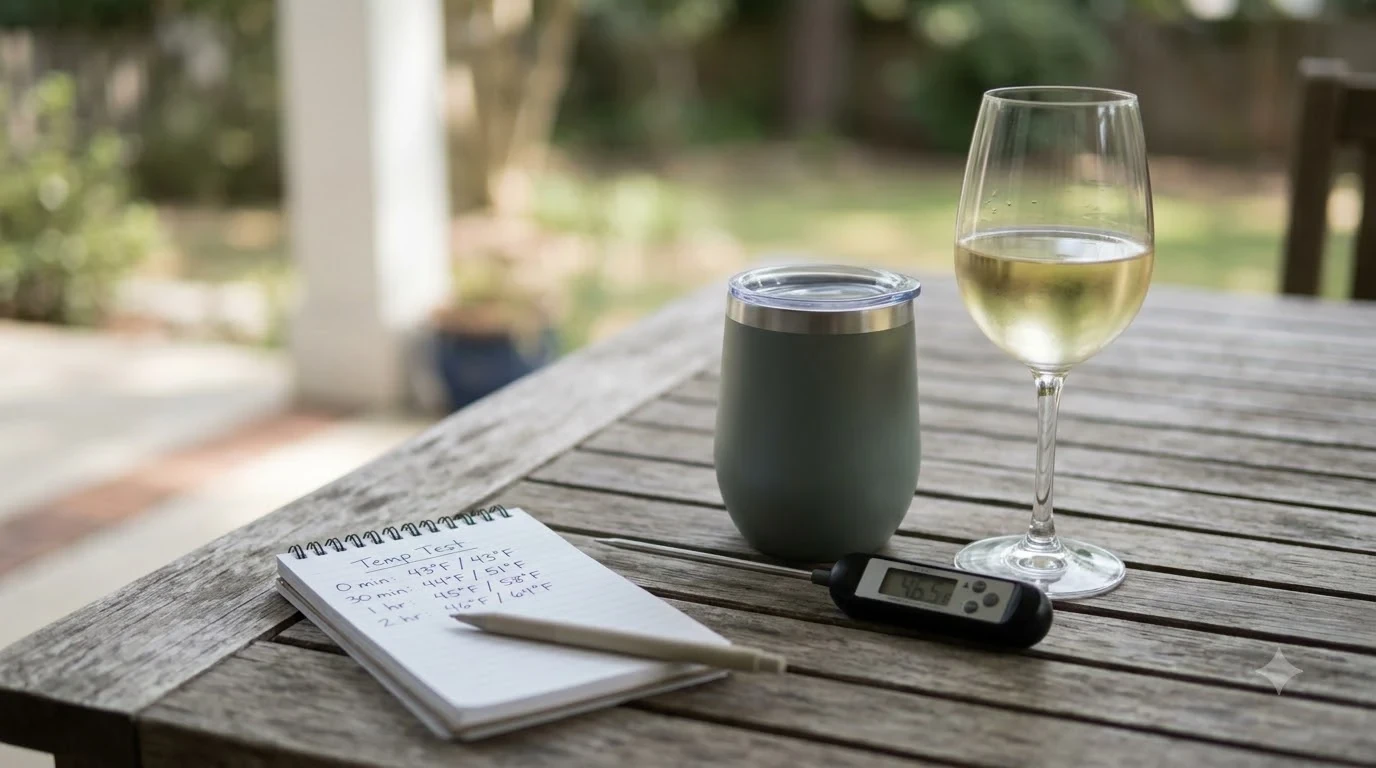
Temperature retention is an important advantage. A traditional thin-walled wine glass provides little protection against the heat of the surrounding environment or the warmth of someone’s hand. The Rambler’s double-wall vacuum construction reduces heat transfer, helping cold wine maintain its temperature for longer during outdoor gatherings.
This is especially useful for chilled Sauvignon Blanc, Pinot Grigio, rosé, and sparkling wines served in warm weather. A white wine that starts at an appropriate serving temperature can warm quickly on a sunny patio. An insulated vessel slows that change, although it cannot compensate for wine that was already too warm when poured.
The same insulation can be useful for light reds that are served slightly chilled. Beaujolais, some Pinot Noir, and other lighter-bodied reds can benefit from cooler serving conditions, particularly during summer gatherings. However, insulation works in both directions: it also makes it harder for an overly cold wine to warm naturally in the glass.
Owners commenting on retailer product pages frequently emphasize the practical benefits of the design. Public Lands customer feedback includes positive comments about keeping beverages cold, enjoying wine on a porch, and using the tumbler near rivers and other outdoor locations. These observations reflect the product’s intended purpose more accurately than comparisons focused exclusively on formal wine service.
Another advantage is its resistance to accidental breakage. Glassware can be troublesome around swimming pools, boats, camping equipment, and outdoor furniture. A stainless-steel vessel removes the concern associated with broken glass, although the tumbler itself is not indestructible. Its construction is designed for repeated use in demanding environments rather than careless treatment.
The compact shape also appeals to people who prefer drinking without a long stem. A stemless vessel is easier to handle while moving between outdoor seating areas, preparing food, or relaxing around a fire. It also takes up less vertical space than many traditional stemmed glasses.
The current DuraSip lining adds another practical benefit. Red wine pigments can leave visible stains on some surfaces, particularly if residue remains for an extended period. A stain-resistant interior and dishwasher-safe construction reduce the amount of maintenance required after a gathering.
There is also a useful distinction between insulation and the lid. The tumbler’s insulated walls provide the principal temperature-control benefit. The MagSlider lid adds a barrier over the opening, reducing exposure to insects, debris, and some splashes. The lid is convenient, but it is not necessary for the basic insulating function of the vessel.
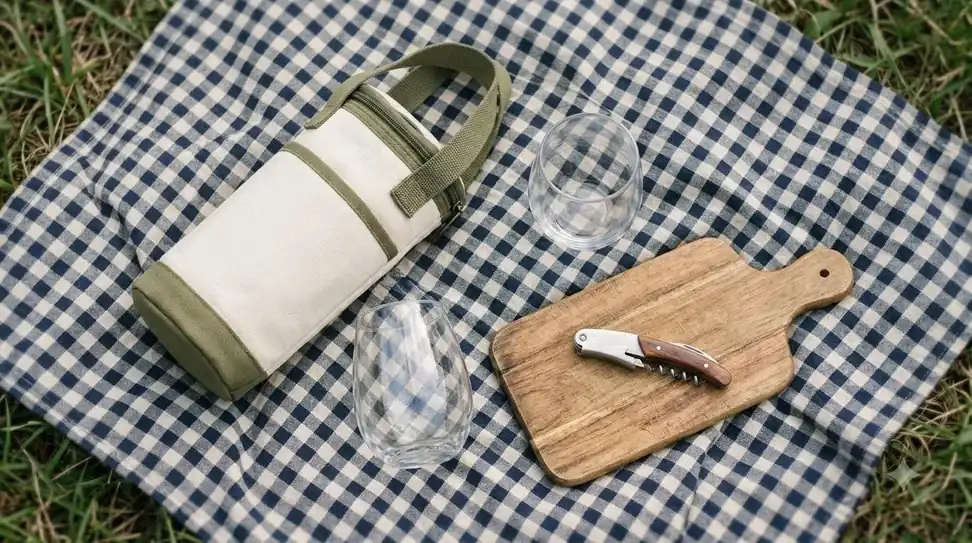
For someone assembling a practical outdoor collection, the Rambler can complement a conventional wine glass set rather than replace it. Keeping both types available allows the drinker to choose between portability and traditional wine presentation.
Common Complaints and Important Design Limitations
The YETI wine tumbler has several limitations that become more noticeable when it is used as an everyday wine-tasting glass. Its closed, insulated construction, magnetic lid, and relatively small capacity favor convenience over the aroma development and visual appreciation associated with traditional stemware.
The first limitation is the shape. A traditional wine glass has a bowl designed to provide room for wine to move and release aromatic compounds. Many red-wine glasses have wider bowls that allow swirling and encourage the concentration of aromas near the rim. The Rambler has a more uniform tumbler profile, so it does not provide the same aromatic experience.
This distinction matters particularly with Cabernet Sauvignon, Syrah, and aged red wines. These wines can benefit from a larger bowl that gives the drinker more room to swirl and examine their aromas. The YETI vessel can certainly hold them, but its compact opening and short profile make detailed sensory evaluation less convenient.
Pinot Noir and other aromatic varieties also benefit from the freedom to explore their changing aromas. A dedicated Pinot Noir glass provides more room and a shape designed for that style. A stainless-steel tumbler is better understood as a practical drinking vessel than a specialized tasting instrument.
The second limitation is the 10 oz capacity. That sounds generous for a compact cup, but a wine serving is typically 5 oz. A 10 oz vessel therefore holds approximately two standard pours if filled close to capacity. That leaves little room for swirling, and filling it completely is not ideal for enjoying wine without splashing.
The MagSlider lid is another potential source of disappointment. Its magnetic mechanism slides open and closed, which makes it convenient for drinking and helps protect the beverage from insects and debris. However, YETI explicitly warns that the lid is not leakproof and will not prevent spills.
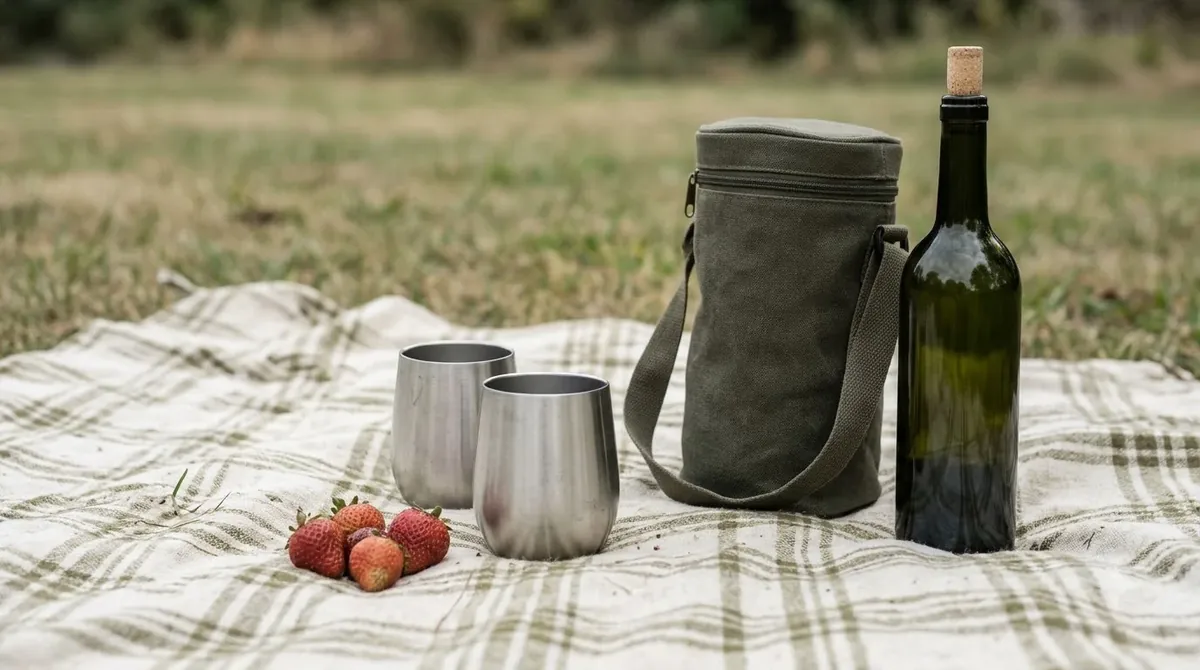
That distinction should influence how the tumbler is carried. It is suitable for stationary use on a patio table, in a camp chair, or near a pool. It should not be treated like a sealed water bottle that can be placed sideways in a backpack. A loose-fitting or incorrectly positioned lid can still allow liquid to escape.
Some customer feedback also highlights differences between earlier and newer configurations. An REI customer specifically comments on the change from a stainless-steel interior to a ceramic-lined interior. That change may be an advantage for people who prefer a smoother, stain-resistant surface, but it may disappoint owners who wanted their new tumbler to match an older stainless-interior Rambler.
Other complaints concern missing components rather than the basic design. One REI customer reports receiving a tumbler without its lid. This is not evidence of a widespread manufacturing defect, but it is a useful reminder to inspect the included parts when a new vessel arrives.
Finally, insulated stainless steel does not provide the same visual experience as clear glass. It is impossible to examine the wine’s color through the body, and the lack of a stem changes how the drinker holds and handles the vessel. Those differences are not defects, but they matter to anyone who values the traditional presentation of wine.
Who Should Buy the YETI Wine Tumbler and Who Should Skip It
The Rambler is best suited to wine drinkers who prioritize durability, portability, and temperature retention over formal presentation. It is a particularly sensible option for outdoor settings where fragile glassware creates inconvenience or safety concerns.
Who should buy it
Outdoor enthusiasts: Campers, boat owners, hikers, and people who spend time at lakeside properties can benefit from a compact metal vessel. A traditional wine glass is not always practical around tents, docks, and outdoor cooking areas. The Rambler offers a more durable alternative without requiring a disposable plastic cup.
Poolside hosts: The lack of fragile glass makes the tumbler useful around swimming pools. Its short shape also feels more stable than a tall stemmed glass when placed on an outdoor table. The MagSlider lid can help reduce the chance of insects entering the beverage between sips.
People who drink chilled wine slowly: Double-wall vacuum insulation helps maintain a colder beverage during long outdoor gatherings. This is especially appealing for crisp white wines and dry rosés served in warmer conditions.
Busy households: Dishwasher-safe construction is useful for people who want simple cleanup. The stainless-steel exterior also avoids the fragile handling requirements associated with thin crystal or delicate glassware.
People who already own other Rambler products: Buyers familiar with YETI drinkware may appreciate the shared design approach, removable lid components, and outdoor-oriented construction. The wine tumbler fits naturally into a collection of reusable insulated cups.
Who should skip it
Serious wine tasters: Anyone evaluating aroma, structure, and subtle differences between producers should choose proper glass stemware. The tumbler’s shape does not offer the same room for swirling or aromatic concentration.
Collectors of fine stemware: If presentation is an important part of the experience, a stainless-steel tumbler may feel out of place. Burgundy, Bordeaux, and Champagne are often enjoyed in purpose-designed glassware for good reason.
People who want a leakproof travel cup: The MagSlider lid is splash-resistant, not leakproof. Anyone intending to transport a filled cup in a bag should choose a vessel specifically designed for sealed transport.
Large-pour drinkers: The 10 oz capacity is workable for ordinary wine servings, but it does not provide the room available in many larger wine glasses. Drinkers who prefer a generous pour and ample swirling space may find it restrictive.
People building a formal dining collection: A conventional stemmed wine glass offers a more versatile presentation for dinner parties and wine-focused meals. A dedicated universal wine glass is a more suitable choice if only one everyday glass shape is desired.
Tip: Think about where the tumbler will be used before buying it. For camping, patios, and poolside gatherings, insulation and durability are valuable. For tasting a special bottle at the dinner table, a clear stemmed glass with a properly shaped bowl will generally provide a better experience.
How It Compares to Traditional Wine Glasses and Alternatives
The YETI Rambler occupies a different category from conventional wine glasses. Its principal advantages are insulation and durability, while traditional stemware offers better aroma access, wine-color visibility, and a more refined drinking experience.
A useful comparison starts with the purpose of each vessel rather than assuming that one design must replace the other. A wine glass is primarily a serving and tasting tool. An insulated tumbler is primarily a reusable beverage container adapted for wine.
YETI versus traditional stemmed wine glasses
A stemmed wine glass keeps the drinker’s hand away from the bowl, reducing unnecessary warming of chilled wine. It also provides room for swirling and allows the wine’s appearance to remain visible. These features are particularly valuable when drinking aromatic whites, complex reds, and sparkling wines.
The YETI reverses those priorities. Its double-wall insulation separates the beverage from the outside environment, while the stainless-steel exterior is designed to withstand more demanding conditions. The absence of a stem makes it easier to handle outdoors, but it removes an important part of traditional wine-glass functionality.
YETI versus stemless wine glasses
Stemless glassware is a closer comparison because both options have a shorter profile and no traditional stem. A conventional stemless wine glass still offers a transparent bowl and an opening designed for wine. It generally provides better visibility and more freedom for swirling than the Rambler.
However, glass stemless designs remain vulnerable to breaking. The YETI is more practical for environments where a dropped glass would be inconvenient or dangerous. People who want the appearance of a conventional wine glass but prefer a compact shape may find stemless glassware more appropriate for indoor use.
YETI versus other insulated wine tumblers
Other insulated wine tumblers can offer similar benefits, including stainless-steel construction, double-wall insulation, and removable lids. The meaningful comparison points are the quality of the interior finish, lid design, capacity, cleaning requirements, and the manufacturer’s warranty.
YETI’s current DuraSip version has a clearly described ceramic-lined interior and a five-year Rambler drinkware warranty. Those features give buyers specific details to evaluate rather than relying only on exterior appearance or brand recognition.
Older Rambler versions should also be distinguished from the current ceramic-lined configuration. Public Lands describes an earlier stainless-steel interior version with the same general 10 oz capacity and double-wall insulation. The older version provides a useful comparison for people who prefer a conventional metal interior.
Neither construction is automatically superior for every drinker. The ceramic-lined version emphasizes a stain-resistant, smooth interior, while the older stainless-steel design appeals to buyers who prefer an all-metal beverage-contact surface.
Choosing appropriate wine glassware for different occasions
The right alternative depends on what is being served. A Bordeaux glass is a sensible choice for structured Cabernet Sauvignon, while a Burgundy-style bowl can provide more room for aromatic Pinot Noir. A universal glass can cover a wider range of still wines without requiring an extensive collection.
Sparkling wine presents another consideration. A dedicated best champagne glass selection can help preserve the visual appeal and aromatic character of traditional-method sparkling wine. The YETI is useful for casual outdoor drinking, but its insulated construction and lid are not designed to showcase a fine Champagne.
For buyers comparing several types of wine vessels, the site’s Glassware Brands coverage provides a broader starting point for understanding how different manufacturers approach glassware design.
Cleaning, Care, and Long-Term Ownership
The YETI Rambler is relatively easy to maintain because the manufacturer rates the tumbler as dishwasher-safe and designs the MagSlider components for removal. Regular cleaning, careful handling of the lid components, and sensible storage help preserve its appearance and everyday functionality.
YETI recommends placing caps on the dishwasher’s top rack and putting gaskets in the utensil basket. Following that arrangement helps ensure that smaller components are properly positioned during cleaning. The tumbler itself is also dishwasher-safe, reducing the need for time-consuming handwashing after everyday use.
The DuraSip lining is intended to resist stains from beverages, including acidic drinks. This is useful for people who regularly drink red wine, since pigments can leave marks on poorly maintained drinkware. Rinsing the vessel after use is still a sensible habit, particularly when wine has been sitting inside for several hours.
For stubborn residue, warm water and ordinary dish soap are suitable starting points. A soft cleaning brush can help reach the bottom and interior walls. Abrasive pads and harsh cleaning methods are unnecessary for routine maintenance and may damage finishes or cosmetic surfaces.
The magnetic slider also deserves attention. Its removable components allow more thorough cleaning than a permanently assembled lid. Periodically removing the slider and checking the gasket helps prevent accumulated residue from interfering with the opening mechanism.
After washing, allow the lid components to dry properly before reassembly. This is particularly useful if the tumbler is stored between camping trips or outdoor gatherings. A completely dry vessel is less likely to develop unpleasant odors from trapped moisture or leftover beverage residue.
The exterior should be treated as durable rather than indestructible. Stainless steel is resistant to rust and punctures, but repeated impacts can still leave cosmetic marks. Colored finishes may also show wear after substantial use, depending on how the tumbler is stored and handled.
Another practical consideration is thermal behavior. Since the Rambler is insulated, pouring a cold beverage into it does not provide the same gradual warming that occurs in ordinary glassware. This can be an advantage during hot weather, but it also means that wine temperature should be managed before pouring.
For best results, chill white wines and rosés before serving. Light whites and rosés generally work well around 45 to 50 degrees Fahrenheit, while fuller-bodied whites are commonly served around 50 to 55 degrees. Insulation helps maintain those starting temperatures, but it does not replace appropriate wine storage or chilling.
Red wine can also be served in the Rambler, particularly outdoors. Lighter reds such as Pinot Noir are often enjoyable around 55 to 60 degrees Fahrenheit, while fuller-bodied reds are commonly served around 60 to 65 degrees. A tumbler is convenient for these wines, although a traditional glass remains preferable for evaluating their aromas.
YETI states that Rambler drinkware carries a five-year warranty. Owners should retain their purchase information and consult the manufacturer’s warranty terms for eligibility and coverage details. The existence of a warranty should not be interpreted as protection against every form of cosmetic damage, misuse, or accidental loss.
Long-term ownership is therefore straightforward: clean the vessel after use, maintain the removable lid parts, avoid unnecessary abrasive cleaning, and store it dry. These simple habits are appropriate for a reusable tumbler intended for regular outdoor use.
Frequently Asked Questions
Does the YETI wine tumbler affect the taste of wine?
The stainless-steel body is separated from the beverage by the interior lining in the current ceramic-lined model. YETI describes DuraSip as a nonstick, stain-resistant surface fused to the metal construction. Individual perceptions of drinking from metal-bodied drinkware can differ, but the ceramic lining provides a smooth beverage-contact surface rather than exposing wine directly to bare stainless steel.
Can the YETI wine tumbler be used for coffee or other beverages?
Yes. YETI describes the double-wall insulated construction as suitable for both hot and cold beverages. The manufacturer also explains that switching immediately from a hot drink to a cold one, or vice versa, can affect temperature-retention performance. Cleaning the interior between different beverages is a sensible way to avoid carrying over aromas.
Does the YETI wine tumbler fit in standard car cupholders?
Fit depends on the cupholder’s opening and depth. YETI’s current ceramic-lined model measures approximately 3.4 inches across, so unusually narrow vehicle cupholders may not accommodate it. Measuring the available space before purchasing is the safest approach, particularly in vehicles with adjustable or unusually shaped holders.
Can the YETI wine tumbler be used for sparkling wine?
Yes, it can hold sparkling wine, including Prosecco, Cava, and Champagne. However, its 10 oz capacity and MagSlider opening do not provide the same presentation as a flute or tulip-shaped sparkling-wine glass. The lid is also not a pressure-sealing closure, so the tumbler should not be treated as a container for storing carbonated beverages during transport.
Is the YETI ceramic lining the same as a traditional ceramic cup?
No. YETI describes DuraSip as a ceramic lining fused to an 18/8 stainless-steel body. It is not a standalone ceramic vessel, and its construction is specifically intended to combine a ceramic-style interior surface with the durability of insulated metal drinkware. This distinction is important for buyers comparing it with conventional porcelain or stoneware cups.
The YETI Rambler 10 oz Wine Tumbler is a practical purchase for people who want to enjoy wine outside without worrying about fragile glassware or quickly warming drinks. Its insulation, stainless-steel construction, ceramic lining, and dishwasher-safe design make it particularly useful for casual outdoor occasions. For formal dinners, wine education, and serious tasting, traditional stemware remains the better tool. The smartest approach is to use the YETI for convenience and keep proper wine glasses available for occasions where aroma, appearance, and presentation matter most.
More in Wine Glasses
 Zalto Crystal Wine Glasses: Are They Worth the Investment?Updated Nov 21, 2026
 Villeroy And Boch White Wine Glasses for a More Cohesive TableUpdated Nov 21, 2026
 Zalto Wine Glasses On Sale: Find the Right Denk’Art GlassUpdated Nov 21, 2026
 Zwiesel Glas Champagne Glasses: Features, Quality and Buying AdviceUpdated Nov 21, 2026
 Zwiesel Glas Decanter Review: A Durable, Elegant Choice for Wine ServiceUpdated Nov 21, 2026
 Zalto Cabernet Glass Review: Features, Fit, and CareUpdated Nov 21, 2026