

We may earn a commission when you buy through links on this page, at no extra cost to you. Learn more.
The zalto cabernet glass is the Zalto Denk’Art Bordeaux, a lightweight, mouth-blown crystal wine glass designed to bring out the structure, concentration, and aromas of Cabernet Sauvignon and other full-bodied red wines. Its 765 ml capacity, 240 mm height, and exceptionally delicate construction make it a specialist choice for serious wine drinkers. It is particularly appealing for structured reds, although its premium craftsmanship, fragile feel, and specialized shape make it less practical for every household.
The Zalto Denk’Art Bordeaux occupies a distinctive position in the premium wine-glass category. Rather than serving as an all-purpose glass for every bottle, it is shaped around wines with substantial body, concentrated fruit, and pronounced tannins. Cabernet Sauvignon is an especially natural match, but Bordeaux blends, Rioja, Brunello, and Shiraz also belong in its intended repertoire. This review examines its construction, specifications, customer feedback, alternatives, and practical considerations before deciding whether this specialized glass deserves a place in your collection.
Specs and Key Features
The Zalto Denk’Art Bordeaux is a large-capacity, mouth-blown crystal glass intended for characterful wines with substantial structure. Its most important specifications are its 765 ml capacity, 240 mm height, and 109 mm width, which distinguish it from smaller everyday wine glasses.
The manufacturer identifies the Bordeaux as a dedicated glass for full-bodied reds with strong tannins and high extract. This description is especially relevant to Cabernet Sauvignon, a grape variety known for its comparatively high tannin content and concentrated structure. The glass is also recommended for Merlot, Shiraz, Rioja, Brunello, and several Central European red varieties.
The bowl is generous without reaching the exceptionally wide proportions of the Denk’Art Burgundy. Its overall dimensions provide room for wine to move when swirled, while the opening and bowl profile are intended to support the perception of aromatic complexity. These are functional design characteristics rather than a guarantee that every wine will taste dramatically different.
| Specification | Zalto Denk’Art Bordeaux |
|---|---|
| Product category | Specialized red wine glass |
| Collection | Denk’Art |
| Height | 240 mm / 9.45 inches |
| Width | 109 mm / 4.29 inches |
| Capacity | 765 ml / approximately 25.9 US fl oz |
| Material | Lead-free crystal |
| Manufacturing method | Mouth-blown |
| Intended wine styles | Full-bodied, structured, tannin-rich wines |
| Recommended grapes | Cabernet Sauvignon, Merlot, Shiraz, Blaufränkisch |
| Additional recommendations | Bordeaux, Rioja, Brunello, Chardonnay, orange wine |
| Packaging options | Individual, two-piece, and six-piece packaging |
| Manufacturer’s item numbers | 11201, 11202, 11200 |
The specifications come from Zalto’s official Denk’Art glass collection and its product safety documentation. The Manufactory also identifies the Bordeaux as individually mouth-blown from lead-free European crystal. These details matter because the construction and proportions are central to the product’s identity, rather than decorative extras added to a conventional wine glass.
One important distinction concerns capacity. The 765 ml figure represents the glass’s total volume, not a recommended serving size. A conventional 5 oz pour leaves substantial room in the bowl for swirling and aromatic development. Filling the glass close to its rim would defeat much of the purpose of its large design.
What Owners Like About the Zalto Bordeaux
Customer feedback highlights three recurring attractions: its unusually light feel, refined appearance, and thin drinking rim. These characteristics make the glass appealing to people who appreciate delicate stemware and pay attention to the details of wine presentation.
The lightweight construction is one of the product’s defining characteristics. The Manufactory describes the Bordeaux as individually mouth-blown, and customers frequently comment on its low weight and elegant balance. For drinkers accustomed to thicker restaurant-style stemware, the difference in handling can be immediately noticeable.
The thin rim is another frequently praised feature. A substantial rolled or thick rim can be noticeable against the lips, whereas a finely finished rim creates a less visually and physically intrusive drinking experience. The Zalto Bordeaux is designed around this delicate presentation, making it particularly attractive for formal dinners, guided tastings, and occasions involving carefully selected wines.
A bowl designed for serious red wines
Owners also appreciate the glass’s generous bowl. Cabernet Sauvignon from Napa Valley, structured Bordeaux blends, and mature Rioja can display several aromatic layers, including dark fruit, spice, oak, and savory notes. A large bowl gives these wines room for movement and provides space between the liquid and the rim for aromatic compounds to collect.
This does not mean that the glass changes the underlying chemistry of the wine or automatically improves every bottle. Temperature, vintage, grape maturity, winemaking decisions, and bottle condition remain important. However, glass shape can influence how aromas reach the nose and how the wine is delivered during drinking.
Appearance and presentation
The tall silhouette and fine stem also appeal to customers who value understated table presentation. The Bordeaux glass looks distinctive without relying on colored glass, decorative patterns, or an unusually elaborate base. Its transparent construction keeps attention on the wine itself.
For collectors who already own several pieces from the Denk’Art collection, the Bordeaux also provides a recognizable design connection with other Zalto glasses. It can be paired with the Universal, Burgundy, or Champagne models to create a coordinated collection with different shapes for different wine styles.
There is a practical distinction between appreciating the glass aesthetically and finding it comfortable to use. Some owners specifically praise its very low weight, while others find that the delicate feel requires adjustment. That difference is a matter of handling preference rather than an objective indication that the design is unsuitable.
Common Complaints and Limitations
The main drawbacks of the Zalto Bordeaux are its delicate feel, specialized proportions, and demanding handling requirements. Its exceptionally light construction appeals to some buyers but can make others uncomfortable, particularly if they prefer substantial, heavier stemware.
The Manufactory’s published customer feedback includes positive comments about the glass’s balance and appearance, alongside criticism from a customer who felt that the glass was too light and that the lower bowl and base could have more weight. This is a useful distinction for prospective buyers: lightness is a deliberate characteristic, but it is not universally appreciated.
The fragile feel requires attention
Thin crystal and delicate stems require careful handling. A glass can be damaged if it strikes a hard countertop, another glass, a metal object, or a ceramic dish. The stem and bowl should not be twisted against one another during cleaning, and carrying several glasses together increases the chance of accidental contact.
Households with crowded cabinets, busy dining tables, or frequent large gatherings may find thicker glassware more convenient. The Zalto Bordeaux is better suited to people willing to provide individual storage space and handle each piece deliberately.
The capacity may seem excessive
At 765 ml, the Bordeaux is considerably larger than many conventional red wine glasses. That volume is useful for swirling and aroma development, but it also means that the glass takes up substantial cabinet space. Its 240 mm height may create another issue for buyers whose cabinets have limited vertical clearance.
Measure your storage space before purchasing several glasses. The stated 240 mm height does not include extra clearance for lifting the glass from a shelf, so a cabinet with an interior height only slightly greater than 240 mm may still be inconvenient.
The specialist shape is not ideal for every bottle
The Bordeaux is not the most versatile option in the Denk’Art collection. Light Pinot Noir, delicate Riesling, sparkling wine, and simple everyday whites do not necessarily benefit from using such a large, specialized red wine glass.
Its size can also be impractical for smaller tasting pours. A 5 oz serving in a 765 ml glass occupies only part of the bowl, which is intentional, but some drinkers prefer a more compact vessel for casual drinking. Buyers who want one glass for almost every occasion may find the Zalto Universal more convenient.
Another consideration is cost. Premium handmade stemware represents a larger commitment than ordinary household wine glasses, particularly when purchasing four or six matching pieces. The purchase makes more sense when the intended wines and careful handling habits justify the specialization.
Who Should Buy the Zalto Bordeaux and Who Should Skip It
The Zalto Bordeaux is best suited to Cabernet Sauvignon enthusiasts, collectors of structured red wines, and people who appreciate lightweight, finely crafted stemware. It is less appropriate for households that prioritize durability, compact storage, or a single glass shape for every wine.
Who should consider buying it
Cabernet Sauvignon drinkers: Cabernet Sauvignon typically has high tannin, concentrated fruit, and a substantial structure. The Bordeaux glass is specifically recommended by Zalto for this variety, making it a logical choice for people who regularly drink Napa Valley Cabernet, Australian Cabernet, or classic Left Bank Bordeaux blends.
Bordeaux and Rioja collectors: The glass is also intended for wines with considerable extract and tannin. Left Bank Bordeaux blends featuring Cabernet Sauvignon and structured Rioja wines are natural candidates. The larger bowl provides room for swirling and helps present the aromas of wines with extended development in oak.
Drinkers who enjoy formal tastings: A dedicated glass can make a tasting lineup feel more consistent, particularly when comparing several full-bodied reds. Using the same 765 ml glass for different Cabernet Sauvignon bottles helps keep the vessel constant while evaluating differences in the wines themselves.
Premium stemware collectors: People who already appreciate fine crystal, delicate rims, and handmade objects may find the Zalto’s construction particularly attractive. Its dimensions and minimalist appearance also make it a distinctive addition to a carefully selected wine-glass collection.
Who should skip it
Buyers seeking maximum durability: If the household regularly uses wine glasses in crowded kitchens or busy entertaining environments, a more substantial glass may be a better match. The Zalto’s thin construction requires attention and is not intended to be treated like heavy everyday tumblers.
Casual drinkers who prefer one glass: A universal wine glass can handle a wider range of bottles without requiring separate storage for several shapes. Someone who alternates between Sauvignon Blanc, Pinot Noir, Prosecco, and Cabernet Sauvignon may not need a specialized Bordeaux glass.
People with limited storage: Its 240 mm height and broad bowl require more room than compact stemware. A collection of four or six glasses can occupy a meaningful amount of cabinet space, especially if each glass needs its own protected position.
Buyers who dislike lightweight glassware: Some people associate a substantial weight with quality and prefer a thicker stem and heavier base. The Zalto’s design deliberately takes the opposite approach, so it is sensible to consider the handling preference before committing to a full set.
Tip: If you are uncertain about the Zalto Bordeaux’s unusually light feel, start with one glass or a two-piece package rather than purchasing six immediately. This lets you evaluate its size, balance, storage requirements, and handling comfort before expanding your collection.
How It Compares to Alternative Zalto Glasses
The most relevant comparison is with the Denk’Art Universal and Burgundy glasses. All three have different proportions and intended uses, so the right choice depends more on the wines regularly served than on which glass has the largest bowl.
Zalto Bordeaux vs. Zalto Universal
The Bordeaux is the more specialized choice for concentrated, tannic reds, whereas the Universal is designed for expressive medium- to full-bodied wines with minerality and subtle aromatics. Zalto recommends the Universal for Riesling, Grüner Veltliner, mineral-edged Chardonnay, Chianti, and complex sparkling wines.
The official product specifications list the Universal at 235 mm high, 91 mm wide, and 555 ml capacity. Compared with the Bordeaux’s 765 ml capacity and 109 mm width, it is a more compact option for someone who drinks several wine styles throughout the week.
Choose the Bordeaux if Cabernet Sauvignon and structured reds dominate your collection. Choose the Universal if versatility matters more than optimizing the glass around powerful reds. Both can have a place in the same collection, particularly for someone who frequently serves different wines at one dinner.
Zalto Bordeaux vs. Zalto Burgundy
The Burgundy glass is considerably wider and more capacious than the Bordeaux. According to Zalto, it measures 230 mm high, 125 mm wide, and 960 ml in capacity, compared with the Bordeaux’s 240 mm height, 109 mm width, and 765 ml capacity.
Zalto recommends the Burgundy for Pinot Noir, Nebbiolo, Barolo, Barbaresco, Blaufränkisch, Syrah, and concentrated Chardonnay. Its broader proportions are intended to integrate acidity with fruit and emphasize bouquet and sweeter components.
The Bordeaux is the more natural selection for Cabernet Sauvignon and tannin-rich red blends. The Burgundy is more appropriate for aromatic, elegantly structured wines where the wider bowl is the central design feature.
Other Denk’Art options
For lighter white wines, the Denk’Art White Wine glass offers a smaller 420 ml capacity and an 81 mm width. Zalto recommends it for Riesling Kabinett, Sauvignon Blanc, Muskateller, and other elegant, fruit-driven styles.
For sparkling wines, the Denk’Art Champagne glass measures 240 mm high, 75 mm wide, and holds 250 ml. It is intended for Champagne, Prosecco, Sekt, and Cava rather than the concentrated still reds associated with the Bordeaux model. Readers comparing sparkling stemware can also consult this guide to the best champagne glass.
Buyers who want to build a complete collection can explore a broader selection of glassware brands before choosing several specialized shapes. Comparing the intended wine styles first is more useful than collecting glasses simply because they belong to the same manufacturer. Those furnishing a dining room or buying several matching pieces may also find a wine glass set comparison useful.
Care, Cleaning, and Everyday Handling
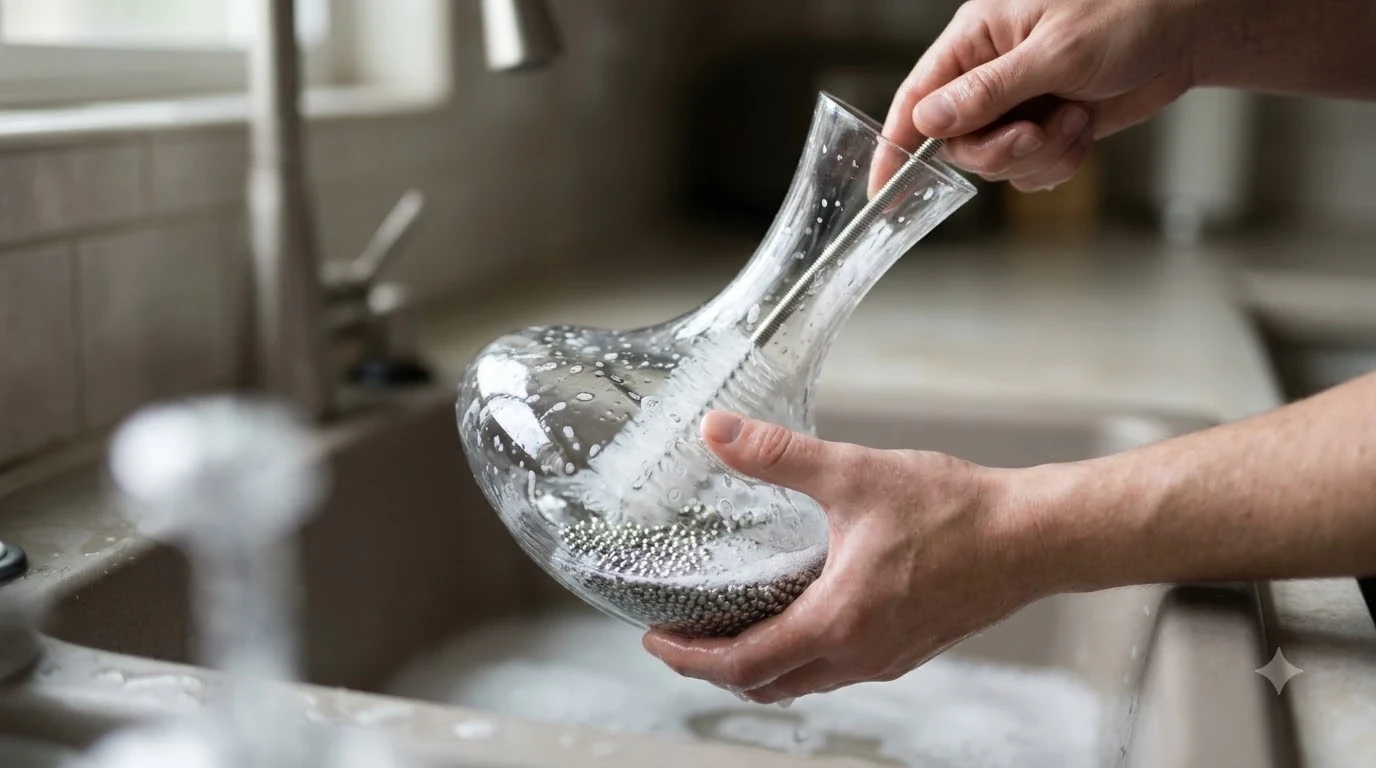
The Zalto Bordeaux requires careful handling, even though its manufacturer and retailers provide dishwasher-cleaning guidance. The key is to minimize unnecessary contact, avoid sudden temperature changes, and prevent the glass from striking other objects.
Cleaning recommendations can differ between retailers. The Manufactory specifically recommends dishwasher cleaning rather than hand washing to reduce the handling that can lead to breakage. Its product information also identifies the Bordeaux as a delicate mouth-blown glass, so buyers should avoid assuming that all dishwasher cycles and loading arrangements are equally suitable.
Dishwasher considerations
If following the dishwasher recommendation, use a suitable glassware cycle and make sure the glass has enough clearance to avoid touching other dishes. Do not force a tall 240 mm glass into a rack that cannot hold it securely. A glass that moves during the wash cycle can strike the rack or another object and become damaged.
Check that the dishwasher’s temperature settings are appropriate for delicate stemware. Avoid abrupt transitions between very hot and cold conditions. Zalto’s safety instructions identify 8°C to 25°C as the recommended temperature range for its drinking glasses and specifically warn that sudden temperature changes can shorten their lifespan.
Hand washing and drying
If hand washing is your preferred method, use a stable position and avoid gripping the bowl and twisting the stem. A soft cloth and gentle washing action are preferable to abrasive cleaning materials. Never use the stem as a lever to rotate the bowl against resistance.
After rinsing, allow the glass to drain carefully or dry it with a clean, lint-free cloth. Support the bowl and base rather than applying pressure to the narrow stem. If polishing, avoid holding the foot and twisting the bowl in opposite directions.
Storage and everyday use
Store the glasses upright in a cabinet with adequate vertical and horizontal clearance. Avoid stacking them or placing heavy objects nearby. Their 109 mm width and 240 mm height make individual storage positions preferable to crowded shelves.
Before the first use, Zalto recommends rinsing the glass. Do not use it in an oven, microwave, or on a stovetop, and avoid filling it with hot drinks. If a glass develops a crack, chip, or splinter, stop using it rather than attempting to repair it.
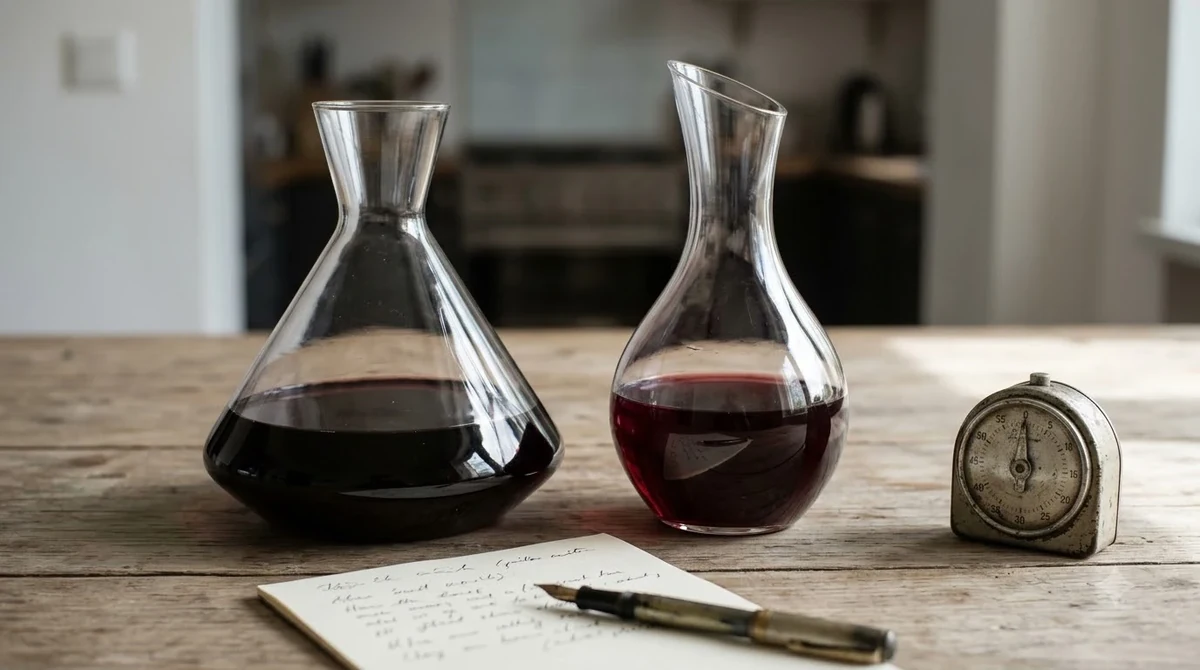
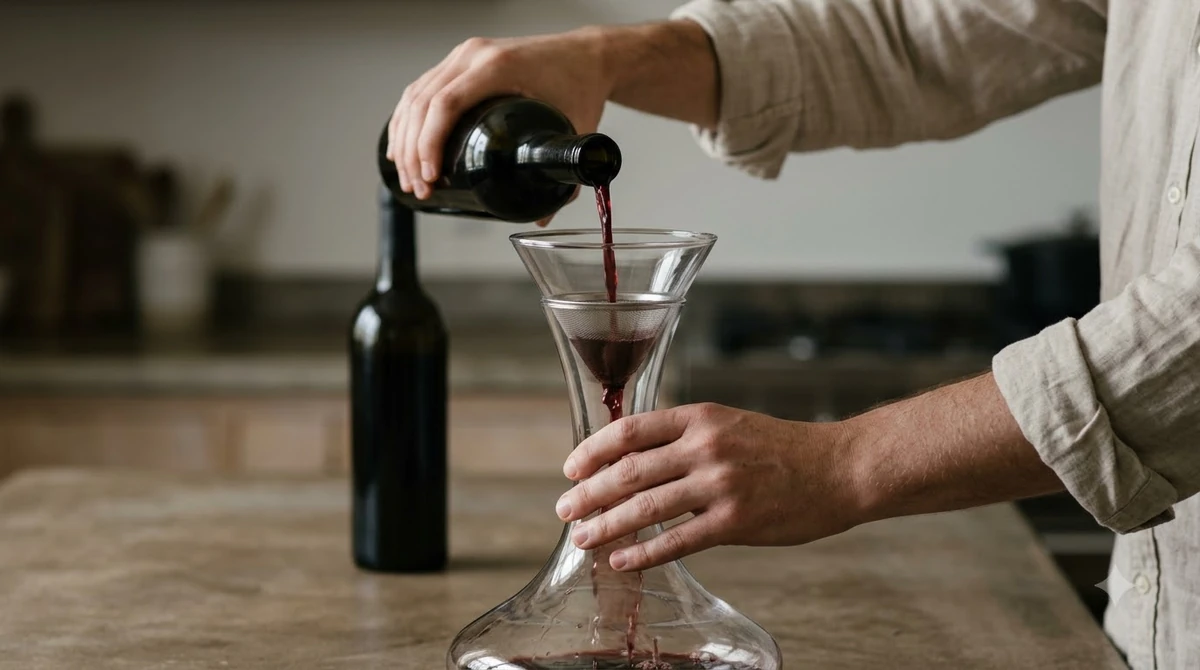
For serving, a moderate 5 oz pour is a useful starting point. Serve full-bodied Cabernet Sauvignon and other substantial reds at approximately 60°F to 65°F. A younger, full-bodied red can also benefit from 30 to 60 minutes of decanting when its structure and concentration justify additional aeration.
These practices make the glass more practical for regular use. The important point is not to treat delicate stemware as disposable or indestructible, but to give it the space and attention its construction requires.
Frequently Asked Questions
Is the Zalto Cabernet glass the same as the Zalto Bordeaux glass?
Yes. The product commonly described as the Zalto Cabernet glass is the Denk’Art Bordeaux model rather than a separate Cabernet-branded design. Zalto’s product documentation identifies Cabernet Sauvignon among its recommended varieties, alongside Bordeaux, Rioja, Merlot, and Shiraz.
Does the Zalto Bordeaux glass have a warranty against breakage?
The manufacturer information consulted for this review does not establish a specific breakage warranty period or automatic replacement policy. Before buying, ask the authorized retailer about transit damage, manufacturing defects, return conditions, and replacement procedures. These policies can differ between sellers.
Can the Zalto Bordeaux glass be used for non-alcoholic drinks?
Zalto’s general product safety information identifies its drinking glasses as suitable for alcoholic and non-alcoholic beverages within its stated temperature guidelines. However, the Bordeaux shape is primarily designed around structured wines. Water and ordinary cold beverages can be served in it, although a dedicated water glass is generally more practical for everyday hydration.
Does every handmade Zalto glass look exactly identical?
Mouth-blown production can produce minor variations between individual pieces. Small differences in appearance are possible in handmade crystal, and buyers should distinguish normal production variation from damage such as a crack, sharp chip, or unstable base. For a matching set, purchasing the glasses together from the same retailer can make replacement and presentation easier to manage.
Can the Zalto Bordeaux glass be used for wine tasting events?
Yes, it can be used for comparative tastings involving structured reds, particularly when the wines include Cabernet Sauvignon, Bordeaux blends, Rioja, and Brunello. However, its large capacity means it is not the most space-efficient choice for events involving numerous wines. For a tasting with 8 or 10 bottles, smaller tasting glasses may be easier to arrange and clean.
The Zalto Denk’Art Bordeaux is a specialized premium glass with a clear purpose: presenting Cabernet Sauvignon and other full-bodied, tannin-rich wines in a carefully shaped, lightweight vessel. Its 765 ml capacity, mouth-blown crystal construction, and refined rim make it attractive to dedicated red wine enthusiasts, although its delicate feel and storage demands will not suit every household. If Cabernet Sauvignon is a regular part of your wine collection and you appreciate finely made stemware, it is a compelling option; if versatility and everyday durability matter more, the Zalto Universal or a conventional wine glass set may be the better purchase.
More in Wine Glasses
 Spiegelau Crystal Wine Glasses That Bring Clarity to Every PourUpdated Nov 21, 2026
 Zalto Crystal Wine Glasses: Are They Worth the Investment?Updated Nov 21, 2026
 Villeroy And Boch White Wine Glasses for a More Cohesive TableUpdated Nov 21, 2026
 Zalto Wine Glasses On Sale: Find the Right Denk’Art GlassUpdated Nov 21, 2026
 Zwiesel Glas Champagne Glasses: Features, Quality and Buying AdviceUpdated Nov 21, 2026
 Zwiesel Glas Decanter Review: A Durable, Elegant Choice for Wine ServiceUpdated Nov 21, 2026