


We may earn a commission when you buy through links on this page, at no extra cost to you. Learn more.
Woodbridge red wine is an inexpensive red from the Robert Mondavi family of brands, made for everyday drinking rather than cellaring. It sits in the value tier of the Mondavi portfolio, so it is usually a soft, fruit-forward red that suits casual dinners, parties and weeknight meals.
If you have seen Woodbridge on a grocery shelf and wondered whether it is worth opening, this guide explains where the brand fits in the Mondavi family, what style of red to expect, and how to serve and pair it well.
Where Woodbridge fits in the Mondavi family
Woodbridge belongs to the Robert Mondavi family of wineries, a name that is closely tied to California wine history. The Mondavi family built its reputation on premium bottlings, but it also created lower-priced lines that reach a much wider group of shoppers. Woodbridge is one of those accessible labels, and it was positioned alongside another inexpensive line, Coastal, rather than the family’s top-tier wines.
That positioning matters when you judge the bottle. A value label is designed to be consistent and approachable from one vintage to the next, not to show the deep single-vineyard character you might find in a reserve Cabernet. Knowing this helps you set the right expectations before the cork comes out.
What style of red to expect
Most inexpensive California reds share a common profile: ripe fruit, soft tannins and a smooth finish that makes them easy to drink without food. Woodbridge reds generally follow that pattern. Expect dark berry and plum notes, a touch of vanilla from oak aging, and a texture that feels round rather than sharp.
Because these wines are built for approachability, they usually take a little less time to show their best than a serious cellar wine. You do not need to decant a value red, although a brief stop in a glass for 15 or 20 minutes will open the aromas a little if the bottle is cold.
Common red grapes in value blends
Many inexpensive red blends lean on a handful of familiar varieties. Cabernet Sauvignon adds structure and dark fruit, Merlot softens the edges with plum and chocolate notes, and Zinfandel or Syrah can bring a jammy, spicy character. The exact mix changes from bottling to bottling, so the label or the producer’s current notes are the best guide to what you are buying.
The table below compares the main grape styles you will see in value reds, and where each one tends to fit at the table.
| Grape style | Typical flavor in value reds | Good with |
|---|---|---|
| Cabernet Sauvignon | Blackcurrant, dark cherry, firm structure | Grilled beef, burgers, hard cheeses |
| Merlot | Plum, soft red fruit, smooth finish | Roast chicken, tomato pasta, pizza |
| Zinfandel | Jammy berry, black pepper, spice | Barbecue, sausages, bold stews |
| Syrah or Shiraz | Dark plum, pepper, savory notes | Lamb, roast pork, grilled vegetables |
How to serve Woodbridge red
Serve a value red slightly cooler than room temperature, around 60 to 65 degrees Fahrenheit, so the fruit stays bright and the alcohol does not feel hot. If the bottle sits on a warm counter, ten minutes in the refrigerator is enough to bring it into the right range. A standard wine glass with a generous bowl helps the aromas come forward.
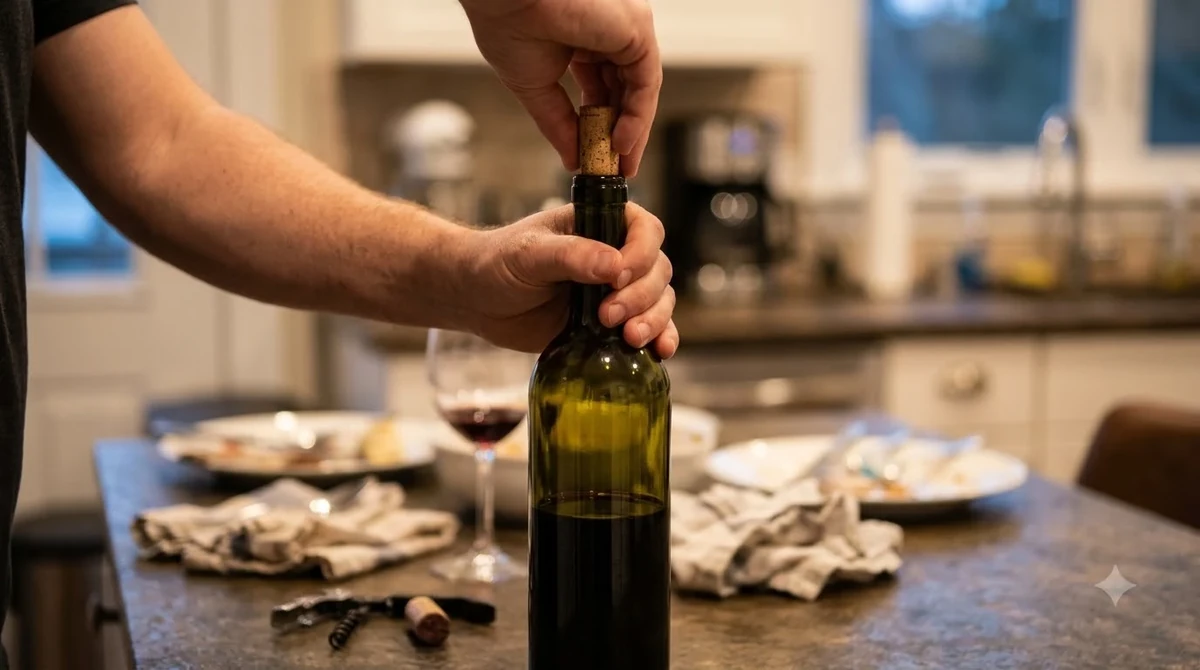
You do not need special equipment. A simple corkscrew and a glass are fine, and you can keep the bottle for a day or two after opening if you recork it tightly and store it cool. Most red wines lose a little freshness over that time, so finish the bottle sooner rather than later for the best flavor.
Tip: For a party, pour a little into two glasses and taste with the food you plan to serve. A soft red like this often works better with a simple dish than with a rich, heavily sauced one.
Food pairing ideas
Woodbridge red fits casual food well. Burgers, pizza, roast chicken and pasta with tomato sauce are all easy matches because the wine’s fruit complements the savory flavors without overpowering them. Grilled meats and barbecue also work, especially if the red has a little spice.
Avoid very delicate dishes, such as light seafood or fresh salads with a sharp dressing, since a fruit-forward red can dull their flavor. In those cases a white or a rosé is a better choice, and you can compare options in our woodbridge white wine guide.
How to choose between value reds
When you compare Woodbridge with other inexpensive reds, look at the grape listed on the label and the vintage year. A varietal label tells you more about the flavor than a generic blend name, because the grape sets the baseline for fruit and tannin. Check whether the bottle is labeled as a blend, since blends can taste rounder and more consistent from year to year.
It also helps to compare styles across brands. If you want a red with a similar soft fruit profile from a different producer, the antinori red wine and austin hope red wine guides give useful context on how other labels approach the same price range.
Buying and storing Woodbridge red
Because a value red is meant to be drunk young, buy it for near-term use rather than for a long cellar plan. Check the bottle for any sign of heat damage, such as a bulging or leaking cork, and avoid bottles that have been sitting in a hot shop window. A bottle that has been kept cool and out of direct light will taste the way the producer intended.
For storage at home, keep the bottle on its side in a cool cupboard away from the stove or the dishwasher. If you buy a multi-bottle pack for a gathering, store the unopened bottles together and take them out about an hour before serving so they reach the right temperature gradually.
Price varies by retailer and region, so compare shelf prices in person or online rather than relying on a single figure. The value positioning of the brand means that small differences in price should not change the decision much; what matters more is whether the style suits your meal. If you are hosting, a simple rule is to buy two more bottles than you think you need, since a friendly, easy-drinking red tends to disappear faster than a serious wine.
Frequently Asked Questions
Is Woodbridge red wine a good everyday wine?
For many people it is. Its soft fruit and smooth finish suit casual dinners and parties, and it does not demand special food or careful serving to taste pleasant.
Should I chill Woodbridge red?
A short time in the fridge is useful if the bottle has been sitting at room temperature. Aim for around 60 to 65 degrees Fahrenheit so the fruit stays fresh and the alcohol feels balanced.
Does Woodbridge red need to be decanted?
Not usually. A value red is made to be approachable on opening, so you can pour it straight from the bottle. A brief rest in the glass is enough if you want the aromas to show more clearly.
What food pairs best with Woodbridge red?
Burgers, pizza, roast chicken, tomato-based pasta and barbecue are easy choices. Avoid very delicate seafood or sharp salads, which can be overpowered by a fruit-forward red.
Woodbridge red is a practical choice for everyday meals and casual gatherings. Pick it when you want an easy, fruit-forward bottle, serve it slightly cool, and pair it with simple dishes. For more Mondavi-family context, read the Robert Mondavi Winery entry on Wikipedia, or browse the Wine Brands section for other labels to compare.
More in Wine Brands
 Underwood Wine Price: Compare Bottles, Cans, and Pack SizesUpdated Nov 21, 2026
 Zenato Wine Price: Compare Styles and Choose the Right BottleUpdated Nov 21, 2026
 Zuccardi Wine Price: Compare Bottles and Find the Right RangeUpdated Nov 21, 2026
 Yellow Tail Moscato Review: Taste, Sweetness and Serving TipsUpdated Nov 21, 2026
 Wolf Blass Yellow Label Review: Choose Your Best StyleUpdated Nov 21, 2026
 Wolffer Estate Rose Review: Choose the Right Bottle for Your TableUpdated Nov 21, 2026