

We may earn a commission when you buy through links on this page, at no extra cost to you. Learn more.
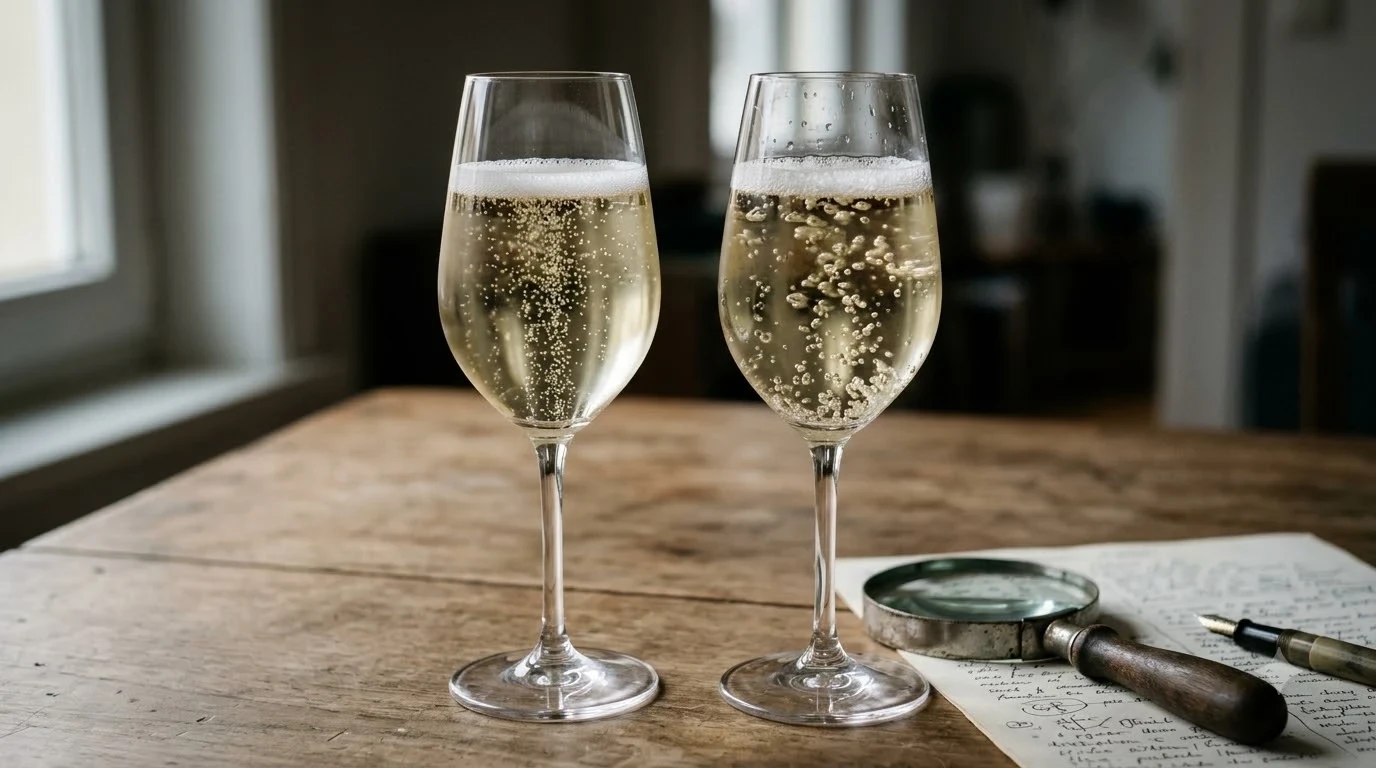
This wine gummies recipe shows you how to make homemade wine-flavored candy using wine, unflavored gelatin, sugar, and a little corn syrup. The recipe works with red wine, white wine, or rosé and produces soft, pleasantly chewy gummies that set in the refrigerator. With about 15 minutes of preparation and at least 3 hours of chilling, you can make a colorful adult dessert for parties, wine tastings, or holiday gatherings.
Wine gummies bring the fruit, acidity, and recognizable character of wine into a small, easy-to-serve candy. They are also a practical way to experiment with different wine styles without preparing an elaborate dessert. The important details are choosing a wine with flavors that work alongside sugar, blooming the gelatin properly, and controlling the heat so the mixture sets consistently. This recipe uses a balanced combination of wine, gelatin, corn syrup, and sugar to create gummies that hold their shape without becoming excessively rubbery.
Wine Gummies Recipe Ingredients and Equipment
A good batch of wine gummies needs only a handful of ingredients, but their proportions matter. This version makes approximately 30-40 small gummies, depending on the size of the molds, and uses a separate blooming step to help the gelatin dissolve evenly.
Ingredients
- 1 cup (240 ml) wine, red, white, or rosé.
- 3 tablespoons powdered unflavored gelatin, approximately 21 grams depending on the product.
- 1/2 cup (100 grams) granulated sugar.
- 2 tablespoons light corn syrup.
- 1/4 cup (60 ml) cold water for blooming the gelatin.
- 1-2 teaspoons lemon juice, optional, for a brighter flavor.
- Food coloring, optional, if you want a stronger or more distinctive color.
- 1 teaspoon neutral oil or a small amount of cornstarch for preparing the molds, if needed.
The wine supplies the main flavor, while sugar balances its acidity. Gelatin provides structure, and corn syrup helps produce a smoother candy texture. The small amount of water used for blooming ensures the powdered gelatin hydrates before it meets the warm syrup. Lemon juice is optional because some wines already have enough acidity to provide a lively finish.
For equipment, prepare a medium saucepan, a heat-resistant mixing bowl, a whisk, measuring cups and spoons, a kitchen thermometer, and silicone candy molds. A small squeeze bottle or liquid measuring cup with a pouring spout makes filling miniature molds much easier. Place the molds on a flat baking sheet before beginning so they can be transferred to the refrigerator without spilling.
Silicone molds shaped like bears, grapes, hearts, or small cubes all work. Smaller cavities create more individual pieces and are convenient for serving at gatherings. If you do not have candy molds, use a shallow glass dish and cut the chilled mixture into small squares after it sets.
Tip: Measure the gelatin and wine before heating anything. Gelatin starts setting as the mixture cools, so having the molds, squeeze bottle, and baking sheet ready makes filling them much easier.
How to Make Wine Gummies Step by Step
The basic method has four stages: bloom the gelatin, dissolve the sugar, combine the ingredients, and chill the mixture. Allow approximately 15 minutes for preparation and cooking, followed by at least 3 hours in the refrigerator for a reliable set.
There are several approaches to making this candy. For comparison, KQED’s DIY wine gummies recipe uses a different ratio of wine, corn syrup, sugar, and gelatin, with a minimum 3-hour refrigeration period. The method below uses a separate gelatin-blooming step and a controlled heating process.
Step 1: Bloom the gelatin
Pour 1/4 cup (60 ml) cold water into a heat-resistant bowl. Sprinkle the 3 tablespoons of powdered gelatin evenly over the surface rather than dumping it into one pile. Let it stand for 5-10 minutes. The powder absorbs the water and becomes a thick, spongy mixture.
This step is called blooming. It helps the gelatin dissolve evenly when introduced to the warm liquid. Skipping it can leave small undissolved particles or unpleasant lumps in the finished gummies. The Kitchn explains that powdered gelatin should be rehydrated before heating and that a portion of the recipe’s liquid can be used for this purpose.
Step 2: Heat the wine and sugar
Pour the 1 cup of wine into a medium saucepan. Add the 1/2 cup sugar and 2 tablespoons corn syrup. Set the pan over low to medium-low heat and stir until the sugar dissolves completely. The mixture should become warm and fluid, but it does not need to reach a rolling boil.
For a more controlled result, aim for approximately 120-140°F while dissolving the ingredients. Avoid prolonged boiling because excessive heat can weaken gelatin’s ability to form a firm gel. If the wine is particularly aromatic, gentle heating also helps preserve more of its recognizable fruit character.
Step 3: Dissolve the bloomed gelatin
Remove the saucepan from the heat. Add the bloomed gelatin and whisk gently until no visible gelatin particles remain. The mixture should look smooth and uniform. If necessary, return the pan briefly to very low heat while stirring, but do not let it boil.
Add the optional lemon juice at this stage. Taste a tiny cooled drop on a spoon to assess the sweetness and acidity. Remember that the mixture will taste sweeter at room temperature than a chilled gummy, and the finished candy should retain some of the wine’s natural fruit and acidity.
Step 4: Fill the molds
Transfer the liquid to a squeeze bottle or a measuring cup with a narrow spout. Slowly fill the silicone cavities, leaving a little room at the top to prevent overflow. If bubbles appear, gently remove them with a clean spoon or allow them to rise before chilling.
Work promptly because the gelatin mixture thickens as its temperature falls. If it begins setting in the bowl, gently warm it over low heat until it becomes pourable again. Do not compensate by adding extra wine or water, since that changes the liquid-to-gelatin ratio.
Step 5: Refrigerate until firm
Place the baking sheet with the filled molds in the refrigerator. Chill for at least 3 hours, or until the gummies feel firm and release cleanly from the silicone. Larger molds may require additional chilling time.
Once set, gently push the bottoms of the molds to release the gummies. Transfer them to an airtight container and refrigerate. If you want a slightly firmer exterior, arrange the unmolded pieces in a single layer on parchment paper and allow them to dry in the refrigerator for several additional hours.
Which Wine Works Best for Homemade Gummies?
Red wine, white wine, and rosé can all work in this recipe, but each creates a different flavor and appearance. The best choice is generally a fruit-forward wine with enough acidity to remain recognizable after the addition of sugar and gelatin.
Red wine gummies
Red wine creates deeper-colored gummies with flavors that can suggest black cherry, raspberry, plum, and blackberry. Merlot is a useful option because its softer tannins and rounded fruit character tend to work well with sweet ingredients. Pinot Noir is another good choice, particularly if you prefer brighter red-fruit flavors and higher acidity.
Cabernet Sauvignon can also be used, although its higher tannin levels may create a more drying finish. Since sugar does not completely remove tannin, a softer red generally produces a more approachable candy. Avoid wines with pronounced bitterness or aggressive oak if you want the fruit flavor to remain prominent.
White wine gummies
White wine produces lighter-colored gummies with flavors that can range from citrus and green apple to peach and tropical fruit. Sauvignon Blanc is a strong option for people who enjoy bright acidity. Riesling also works well because its aromatic fruit character can remain noticeable in a sweet candy.
Chardonnay creates a rounder, less sharply acidic gummy. An unoaked Chardonnay is particularly useful if you want a clean fruit profile rather than pronounced vanilla or toasted oak notes. Very dry white wines may need slightly more sugar to balance their acidity.
Rosé wine gummies
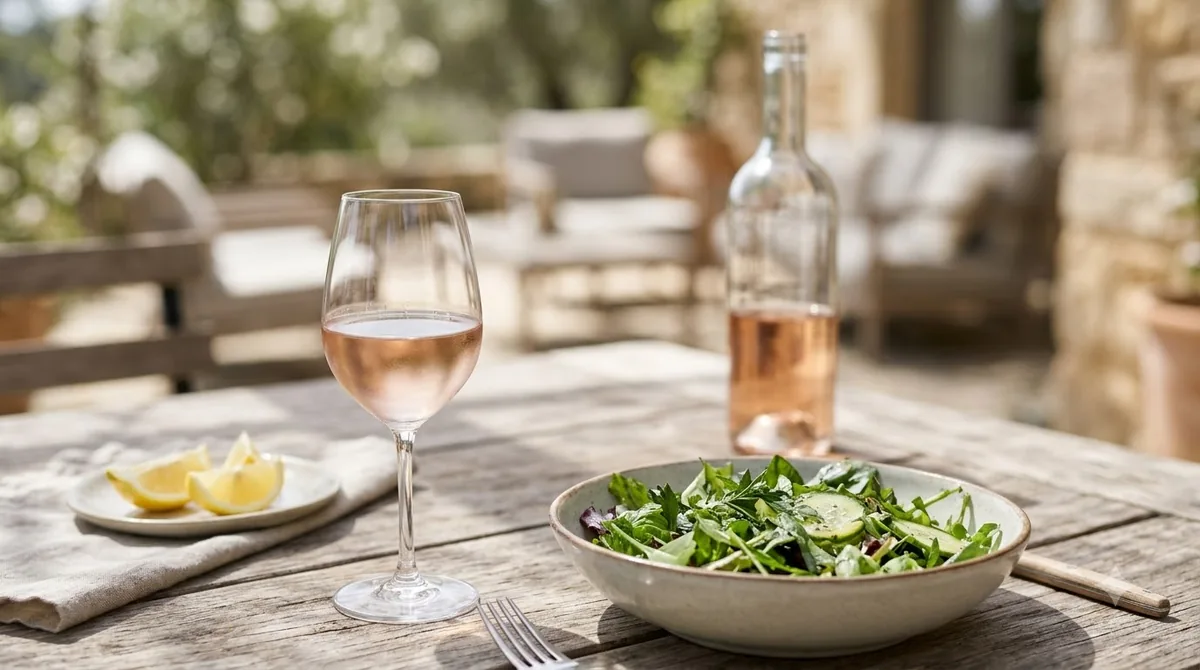
Rosé is a particularly attractive choice for homemade candy because it often combines fresh red-fruit flavors with refreshing acidity. Depending on the wine, you may notice strawberry, watermelon, raspberry, or citrus. Dry rosé generally makes a less sugary-tasting gummy than a sweet rosé when both receive the same amount of added sugar.
For the most predictable results, begin with a straightforward, fruit-forward bottle rather than an expensive wine with delicate aromas. Strong spices, pronounced oak, or very high tannin can become less pleasant when concentrated into a sweet candy. You want a wine that still tastes recognizable after the gelatin and sugar are added.
Wine selection at a glance
| Wine style | Flavor characteristics | Gummy appearance | Best use |
|---|---|---|---|
| Merlot | Plum, black cherry, soft tannin | Deep red or purple | Rich fruit-flavored gummies |
| Pinot Noir | Raspberry, cherry, bright acidity | Ruby red | Lighter red-wine candy |
| Cabernet Sauvignon | Blackcurrant, firm tannin | Dark burgundy | Bold, less delicate flavors |
| Sauvignon Blanc | Citrus, green apple, herbal notes | Pale yellow | Bright, refreshing gummies |
| Riesling | Peach, apple, floral aromas | Light gold | Aromatic, fruit-forward candy |
| Dry rosé | Strawberry, raspberry, citrus | Pink | Colorful party gummies |
These descriptions are starting points rather than strict rules. The same grape can produce different results depending on the region, ripeness, and winemaking method. If you are making several batches, use a separate saucepan and clean molds for each wine so their colors and flavors remain distinct.
How to Adjust Sweetness, Texture, and Wine Flavor
The texture of wine gummies depends mainly on the gelatin concentration, the amount of liquid, and the time spent chilling. Small adjustments can produce a softer dessert-style gel or a firmer candy that holds its shape more confidently.
Making softer gummies
For a softer, more delicate texture, use a slightly smaller quantity of gelatin than the standard recipe. For example, reducing the amount from 3 tablespoons to 2 1/2 tablespoons while keeping the other ingredients unchanged creates a less firm mixture. However, the resulting gummies may be more difficult to remove from small molds.
Soft gummies are particularly suitable for serving in small dessert cups or on a plate with fresh berries. They can also be used as a garnish for a dessert platter. Keep them refrigerated until serving because softer gelatin candies lose their shape more readily at room temperature.
Making firmer, chewier gummies
For firmer gummies, use the full 3 tablespoons of gelatin and allow the mixture to chill for at least 3 hours. If you want a more substantial candy, you can experiment with a small increase in gelatin, but make changes gradually. Too much gelatin can create a rubbery texture that masks the wine’s flavor.
Another method is to allow the unmolded gummies to dry slightly. KQED’s wine gummy method recommends leaving the candies uncovered for 24 hours to develop a firmer texture. This is a useful technique when you prefer a less moist surface, although the finished pieces should still be stored under refrigeration.
Adjusting sweetness
Wine acidity has a significant effect on the final flavor. A particularly crisp Sauvignon Blanc or dry rosé may need more sweetness than a fruit-forward Riesling. Start with the recipe’s 1/2 cup sugar, then make small adjustments in subsequent batches rather than adding large quantities without tasting.
Corn syrup also contributes to texture. It provides a smoother consistency and helps limit unwanted sugar crystallization. If you leave it out, the recipe can still set, but the texture may be somewhat different. Do not replace it with an equal quantity of extra wine because doing so changes the balance of liquid and gelatin.
Adding fruit and other flavors
Lemon zest, orange zest, and a small amount of berry puree can complement wine gummies. Use restrained quantities so that the wine remains the dominant flavor. Fine-strained fruit puree is preferable to large fruit pieces because solids can make the gummies uneven and interfere with filling small cavities.
Be careful with fresh pineapple, kiwi, papaya, mango, figs, and fresh ginger. These ingredients contain enzymes that can break down gelatin proteins and prevent a reliable set. The Kitchn identifies these fruits as potential causes of gelatin-setting problems. Cooked fruit may be a better alternative if you want to incorporate those flavors.
Tip: Make a small test batch before changing several ingredients at once. Adjusting the wine, sugar, and gelatin together makes it difficult to identify which change improved or weakened the texture.
Alcohol Content, Serving Ideas, and Food Pairings
Wine gummies are best treated as an adult dessert when made with regular wine. Heating wine does not guarantee that all its alcohol disappears, and the amount retained depends on temperature, cooking time, and preparation method.
This distinction matters because some recipes use relatively gentle heating to preserve wine flavor, while others deliberately cook the wine to reduce its alcohol content. Growing Chefs! Ontario describes cooking wine past 160°F as an option for making alcohol-free gummies and also suggests using de-alcoholized wine. For a reliably alcohol-free dessert, choose de-alcoholized wine and avoid assuming that a brief heating step removes all alcohol.
Serving wine gummies at a party
Serve the gummies chilled in small bowls or on a dessert platter. Separate red, white, and rosé varieties so guests can identify the different flavors. Small paper candy cups can make individual servings easier to handle, particularly when the gummies have a slightly sticky surface.
For a wine-themed gathering, pair red wine gummies with dark chocolate squares, fresh cherries, or chocolate-covered strawberries. White wine gummies work nicely alongside lemon cookies, almond biscuits, and sliced pears. Rosé gummies complement strawberries, raspberries, and light vanilla desserts.
Pairing wine gummies with desserts
Sweetness is important when matching wine-flavored candy with other foods. A dessert that is much sweeter than its accompanying wine can make the wine seem sour or thin. The same principle applies to a wine-based candy: pair it with desserts that have similar or slightly lower sweetness levels.
Dark chocolate is a useful companion for red wine gummies, especially when the candy uses Merlot or Pinot Noir. The richness of chocolate balances the fruit flavors, while its slight bitterness provides contrast. For white wine gummies, citrus shortbread and lightly sweetened panna cotta create a cleaner combination.
Cheese boards can also provide interesting contrasts. Try red wine gummies with mild aged Gouda or semi-firm cheddar, and serve rosé gummies with creamy Brie. Salt and fat can soften the perception of tannin, making richer cheese particularly suitable alongside red-wine-inspired flavors.
Building a wine-inspired dessert spread
Wine gummies can be one element of a larger dessert selection. Combine them with chocolate truffles, fruit, cheese, and small cookies to create a platter with different textures. If you want another wine-based dessert drink, a red wine hot chocolate recipe provides a warm, chocolate-focused contrast to the chilled candies.
For a refreshing drink alongside the platter, a port and tonic recipe offers a different balance of sweetness, acidity, and bubbles. Guests who prefer a less sweet fortified-wine option may also enjoy a sherry cocktail recipe. Keep alcoholic drinks clearly separate from the candy and label the gummies so guests know they contain wine.
Common Wine Gummies Problems and How to Fix Them
Most problems with homemade wine gummies come from incorrect gelatin preparation, excessive heat, or an unsuitable liquid-to-gelatin ratio. Understanding the cause makes it easier to correct the next batch without changing the entire recipe.
Why are my wine gummies not setting?
The most common reason is insufficient gelatin or too much liquid. The standard recipe uses 3 tablespoons of powdered gelatin for 1 cup of wine, plus the water used for blooming. If you add extra wine without adjusting the gelatin, the finished mixture may remain soft.
Another possibility is that the gelatin was not properly bloomed. Dry powder added directly to hot wine can clump, leaving parts of the mixture without enough dissolved gelatin. Always hydrate it in cold water for 5-10 minutes before combining it with the warm ingredients.
High alcohol concentrations can also interfere with gelatin’s setting ability. For this reason, avoid replacing the water or corn syrup with additional wine. If the gummies are still soft after 3 hours, allow another 1-2 hours of refrigeration before deciding that the batch has failed.
Why are the gummies too rubbery?
Too much gelatin is the usual cause of an excessively firm or rubbery texture. Powdered gelatin brands can also differ in strength, so identical tablespoon measurements do not always produce exactly the same result. Weighing the gelatin provides more consistent measurements across batches.
Reduce the gelatin slightly next time and maintain the same amount of wine and sugar. Make a small adjustment rather than cutting the gelatin dramatically. A softer gummy should still release from the mold and retain its shape when transferred to a serving plate.
Why are my gummies cloudy?
Cloudiness can develop when ingredients are not fully dissolved or when wine contains suspended particles. Some red wines naturally have more visible pigment and sediment than others. Straining the warm mixture through a fine-mesh sieve can help remove unwanted particles before filling the molds.
Foam can also collect on the surface during whisking. Allow the mixture to stand briefly and skim away visible foam before pouring. Avoid vigorous whisking once the gelatin has dissolved because unnecessary air bubbles can create an uneven appearance.
Why are my gummies sticking to the molds?
Insufficient chilling is a common reason. The gummies may feel firm on top while the center remains too soft to release cleanly. Refrigerate for at least 3 hours and check that the largest cavities have set before unmolding.
Silicone molds generally release gelatin candy without much assistance, but very detailed shapes can be difficult. A light coating of neutral oil or a small dusting of cornstarch can help. Avoid applying too much oil because it may leave an unpleasant surface film.
Why do my gummies taste too sweet?
The wine may have been naturally sweet before the sugar was added. Try a drier wine with brighter acidity for the next batch, or reduce the granulated sugar slightly. Pinot Noir, Sauvignon Blanc, and dry rosé are useful starting points if you want the wine’s natural character to remain noticeable.
Remember that refrigeration changes how sweetness is perceived. Taste a small cooled sample before making large changes, and adjust the next batch rather than adding extra wine to a mixture that has already been prepared.
Frequently Asked Questions
Can you make wine gummies without corn syrup?
Yes. You can omit corn syrup and use granulated sugar as the main sweetener, although the finished candy may have a slightly different texture. Corn syrup contains glucose and other sugars that influence crystallization and mouthfeel. Keep the gelatin and liquid proportions consistent when experimenting with substitutions.
Can you make wine gummies with sparkling wine or Champagne?
Yes. Sparkling wine can replace still wine in the same general recipe, although heating removes its carbonation. Prosecco, Cava, and Champagne can all provide different flavor profiles. Choose a style with enough fruit character to remain noticeable after adding sugar.
Can you use gelatin sheets instead of powdered gelatin?
Yes, but the conversion depends on the size and strength of the sheets. Standard silver-grade sheets are often around 2 grams each, while other grades can have different weights and Bloom strengths. Weighing the gelatin and following the sheet manufacturer’s hydration instructions helps produce a more consistent result.
Are homemade wine gummies suitable for vegetarians?
Traditional powdered gelatin is derived from animal collagen, so these gummies are not vegetarian. Agar-agar and certain pectins are plant-derived alternatives, but they behave differently from gelatin. A direct one-for-one substitution will not necessarily produce the same chewy texture or setting time.
Can you freeze homemade wine gummies?
Freezing is generally unnecessary and can affect the texture of gelatin candy after thawing. Ice crystals and moisture changes may make the gummies watery or less appealing. Refrigeration in an airtight container is a better approach for maintaining their original texture.
Homemade wine gummies are a simple way to turn red wine, white wine, or rosé into a colorful adult dessert with familiar candy-shop appeal. Start with the measured gelatin and wine proportions in this recipe, allow enough time for chilling, and experiment with different wine styles once you have mastered the basic method. Serve the finished gummies cold, identify them clearly as wine-containing candy, and enjoy them as part of a wine-inspired dessert spread.
More in Food & Wine Pairing
 Risotto With White Wine Recipe: Make a Creamy Dinner at HomeUpdated Nov 20, 2026
 Wassail With Wine Recipe for a Festive Spiced Holiday DrinkUpdated Nov 20, 2026
 Spritz Veneziano Recipe: Make a Classic Venetian Aperitivo at HomeUpdated Nov 20, 2026
 Summer Wine Punch Recipe for Easy Homemade EntertainingUpdated Nov 20, 2026
 Bishop Recipe: How to Make a Bright, Citrus-Forward Red Wine CocktailUpdated Nov 20, 2026
 Wine Cupcakes Recipe: Bake Rich Chocolate Cupcakes at HomeUpdated Nov 20, 2026