

We may earn a commission when you buy through links on this page, at no extra cost to you. Learn more.
What is the most expensive wine? There is no single answer, because the title depends on whether you mean the highest auction price, the highest shelf price, or the rarest bottle. Among the best-known names in the discussion are the top Burgundy estates and Australia’s Penfolds Grange, whose reputation and limited older vintages have pushed individual bottles into the auction record books.
Few questions about wine get asked as often as this one, and the answer is rarely a single bottle on a list. Prices for fine wine are set by scarcity, reputation, age, and demand from collectors, not by the quality of the wine alone. A tiny production, a famous name, and a bottle that has survived decades in a cellar can all push a price far above what most people would pay for a special dinner. This guide explains how the most expensive wines get their reputations, which names come up most often, and what the numbers do and do not tell you.
Why some wines become so expensive
Fine wine is priced on a different logic from everyday bottles. A wine from a small vineyard with a limited annual output can only be sold in limited quantities, and when demand from collectors is high, the price rises quickly. Reputation matters just as much. A producer with a long track record of consistent bottles builds trust, and buyers are willing to pay for that confidence even when a similar wine from an unknown estate costs far less.
Age adds another layer. Some wines are sold young, but the rarest bottles are often older vintages that have been stored in ideal conditions for many years. Old bottles are harder to find, can be harder to verify, and carry a story that collectors value. That is why a single old bottle can sell for far more than a new release from the same producer, even though the younger wine might score well with critics.
Penfolds Grange: an Australian benchmark
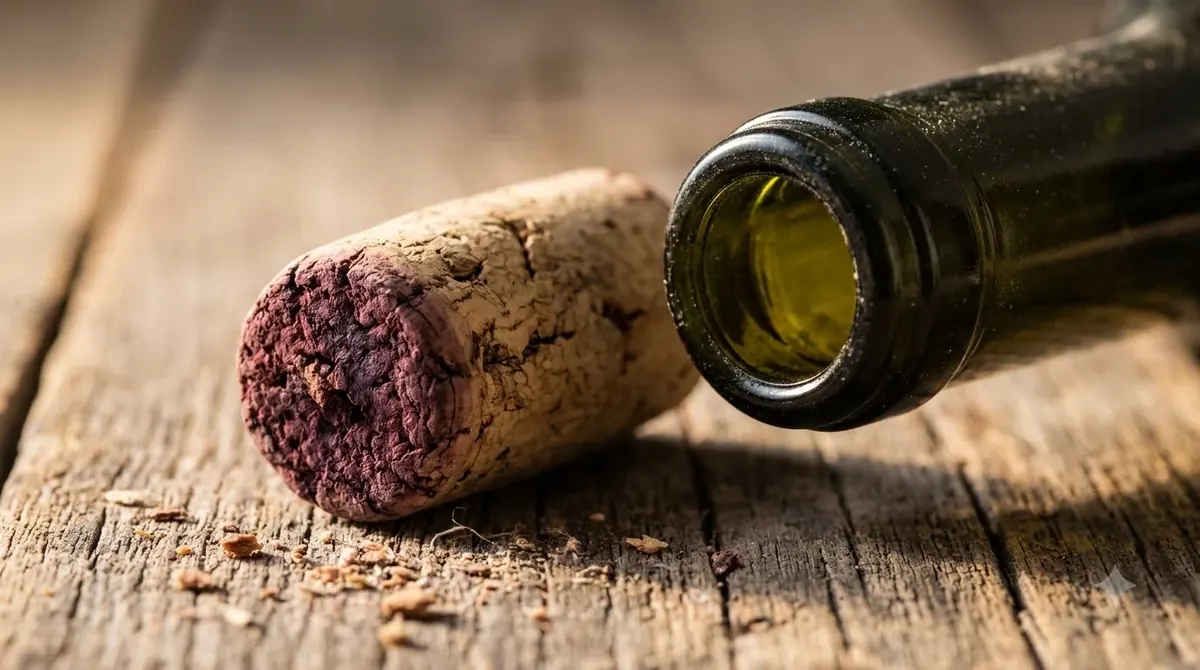
Penfolds Grange is one of the most talked-about names in the category. According to the Wikipedia entry on Penfolds Grange, the wine was first made on an experimental basis in 1951, and the first commercial release was the 1952 vintage. Penfolds winemaker Max Schubert set out to create a red that could rival the finest Bordeaux wines in quality and ageing potential, and the result is predominantly Shiraz, usually with a small percentage of Cabernet Sauvignon.
Its reputation rests on that long history and on the record prices older bottles have fetched at auction. The same source notes that a 1951 bottle sold at auction in 2004 for a very high figure, and that the 1971 vintage, originally released at a modest price, now sells at auction for much more. Those examples show how the secondary market can turn an everyday release into a collector’s item over several decades. They are also a reminder that auction results describe a specific bottle in a specific condition, not the price a typical bottle would fetch.
Burgundy and the cult estates
Burgundy is another region where the most expensive wines are concentrated. The region’s small, highly fragmented vineyards mean that a single estate’s best plots can yield only limited quantities in a given year. Pinot Noir from the top Grand Cru sites is often cited when people discuss the highest-priced bottles, and Romanée-Conti is the name most often mentioned, because of its scarcity and its place in the region’s history.
Burgundy also shows how much the producer matters. Two neighboring estates can sit on sites with similar soils, yet the bottles sell for very different amounts because of reputation, vintage, and the number of bottles released. When you look at a rare Burgundy, the label and the producer are often worth more to collectors than the vineyard map alone.
Tip: Auction results and shelf prices measure different things. Auction records describe a specific bottle, often an older vintage with a documented history. A shelf price describes a bottle that is available to buy now.
How to compare the most expensive wines
If you want to compare expensive wines, start with the category you care about. Some people focus on the highest auction result, others on the top retail bottle, and others on the rarest vintage from a single estate. Each gives a different list, and the answer changes with the question.
| What you are measuring | What it tells you | What it does not tell you |
|---|---|---|
| Auction record | How collectors valued a specific bottle at one sale | What a typical bottle costs at a store |
| Shelf price | What a bottle costs to buy now | Whether the wine is rare or aged |
| Vintage and age | Why an older bottle may be scarce | Whether the wine will taste better |
| Production size | How many bottles exist | How good the wine is |
The table makes the point that a long list of expensive wines is not a list of the best wines for drinking. A very rare bottle may be more interesting as a collectible than as a dinner wine, and an everyday wine from a well-run producer may give more pleasure at the table for the same money.
Does a high price mean better taste?
Price and quality overlap, but they are not the same thing. A high price often reflects scarcity, reputation, and the cost of farming small, difficult vineyards, and those factors can produce excellent wine. Yet many people find that blind tastings do not always match the price tags. A wine’s enjoyment depends on the food, the company, and the moment, so the most expensive bottle is not always the one that will please the people at your table.
Collectors also think about storage and provenance. An old bottle is only as good as the cellar it came from, so buyers often look for clear records of how a wine was kept. For a casual drinker, that level of detail is rarely necessary, but it explains why the same wine can sell for very different amounts depending on its condition and history.
If you are curious about the top end of the market, read the producer’s own notes, look at the vintage, and taste a wine from a similar style before committing to a rare bottle. You can learn a great deal from a moderately priced bottle from the same region, and it is often a better introduction than a famous name you cannot judge yet.
Frequently Asked Questions
What is the most expensive wine ever sold?
Auction records change over time and depend on the bottle, vintage, and sale. Rare Burgundy and old Bordeaux often appear near the top of record lists, so check a current auction source before quoting a single number.
Why is Penfolds Grange so well known?
Penfolds Grange was first made as an experiment in 1951 and released commercially from the 1952 vintage. Its Shiraz-based style and long history have made it a benchmark for Australian red wine, and older bottles are sought after by collectors.
Do expensive wines age better than cheaper ones?
Not always. Some expensive wines are built to age, but many cheaper wines are meant to be drunk young. Storage conditions and the wine’s structure matter more than price alone.
Should I buy an expensive wine to impress guests?
A well-chosen bottle in a style your guests enjoy usually makes a better impression than a famous name they do not like. Check the food you plan to serve and choose a wine that suits it.
The most expensive wine is really a question about collecting, scarcity, and reputation more than about everyday drinking. If you want to learn more about the basics, visit the Wine Q&A section, or read about how many calories in champagne when you are choosing a celebration bottle.
More in Wine Basics
 Which Rose Is Best for Your Taste, Budget, and Food PairingsUpdated Nov 21, 2026
 Is Cheap Wine Bad? How to Find Bottles Worth DrinkingUpdated Nov 21, 2026
 What To Write On A Wine Gift Tag: Thoughtful Messages For Every OccasionUpdated Nov 21, 2026
 Which Wine Is Best For Weight Loss? Compare Lower-Calorie ChoicesUpdated Nov 21, 2026
 What Is The Best Wine For Mimosas? Choose Bubbly That Balances Orange JuiceUpdated Nov 20, 2026
 Which Prosecco Is Best for Your Taste and OccasionUpdated Nov 20, 2026