

We may earn a commission when you buy through links on this page, at no extra cost to you. Learn more.
The best wine for spritz is a crisp, dry white with refreshing acidity, such as Sauvignon Blanc, Pinot Grigio, or Riesling. These wines retain their fruit and freshness when mixed with sparkling water, making them reliable choices for an easy, refreshing drink. Grüner Veltliner and Albariño are excellent alternatives, while dry rosé and lighter reds offer different styles. Choose a reasonably priced bottle with clean fruit, chill both ingredients, and adjust the wine-to-soda ratio to suit your taste.
A wine spritzer is one of the simplest ways to turn an everyday bottle into a refreshing drink. The basic combination is still wine and sparkling water, although the proportions, grape variety, and garnish can change the result considerably. The best bottle is not necessarily the most expensive or complex. It should have enough acidity, fruit, and character to remain enjoyable after dilution. Whether you are shopping for a backyard gathering, a summer lunch, or a casual evening drink, understanding a few wine styles makes choosing much easier.
Who This Is For
A good spritzer wine suits people who enjoy fresh, uncomplicated drinks and want more flexibility than a conventional glass of wine. The ideal bottle is approachable on its own, but has enough personality to remain recognizable after sparkling water is added.
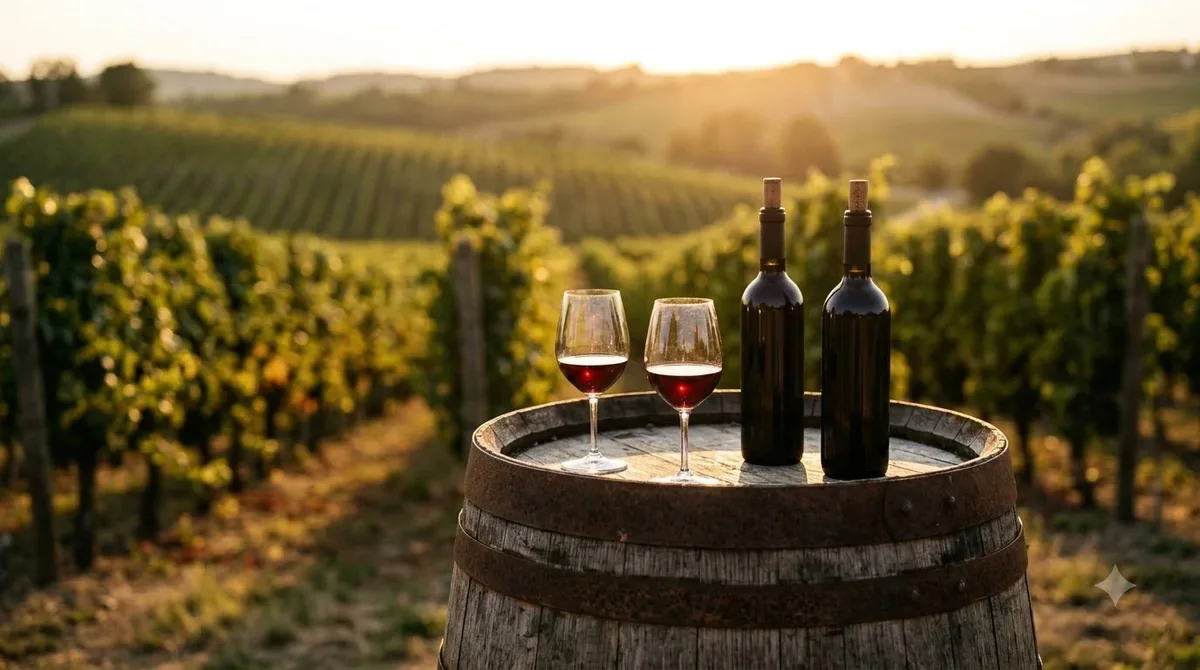
This guide is useful if you are buying wine specifically for spritzers, using an unfinished bottle, or planning drinks for several guests. Sauvignon Blanc, Pinot Grigio, and Riesling are particularly practical starting points because their fruit and acidity work well in a diluted drink. A dry rosé is another dependable choice if you want a pink drink with berry and citrus character.
It is also useful for shoppers who prefer lighter drinks without giving up the flavor of wine. Adding sparkling water reduces the proportion of wine in each serving. Wines of Germany describes the traditional equal-parts combination as producing a drink with approximately 5–6% alcohol by volume. The actual strength depends on the original wine’s alcohol content and the amount of water used.
People who prefer sweeter drinks are not excluded. A slightly off-dry Riesling, Rosé d’Anjou, or White Zinfandel can produce a softer result. However, those wines should be selected deliberately rather than treated as interchangeable with crisp, dry whites. Their natural sweetness changes the balance, especially when paired with sweet soda or flavored mixers.
For entertaining, choose one versatile white and one alternative style instead of buying several expensive bottles. A crisp Sauvignon Blanc covers most classic spritzer preferences, while a dry rosé gives guests a different flavor and appearance. If you are planning a wider wine selection, our wine-buying guide provides additional context for comparing styles and making practical purchasing decisions.
Key Factors to Compare
The most important buying considerations are acidity, sweetness, body, tannin, and price. A spritzer dilutes the wine, so a bottle with clear fruit and refreshing acidity generally performs better than one built around heavy oak or powerful tannins.
Acidity is especially important because it keeps the drink lively after sparkling water is added. Sauvignon Blanc and Riesling are reliable examples of high-acidity whites. Pinot Grigio can also work well when you want a lighter, more neutral flavor. A wine with little acidity may taste less refreshing once diluted, particularly if the drink is served over melting ice.
Sweetness is the next consideration. Dry wines are the most versatile because they leave room for fruit garnishes, flavored sparkling water, and other additions without making the finished drink overly sweet. Off-dry wines can work when you prefer softer fruit flavors. Sweet wines are possible too, but they are better suited to drinkers who actively want a sweeter result.
Body and tannin matter when choosing something other than white wine. A medium-bodied white may retain more flavor than a very delicate one, while a lightly structured red can be refreshing when served slightly chilled. Avoid strongly tannic reds because carbonation can make their drying, sometimes bitter character more noticeable.
| Buying factor | What to look for | Good examples | Why it matters |
|---|---|---|---|
| Acidity | High or refreshing | Sauvignon Blanc, Riesling | Preserves freshness after dilution |
| Sweetness | Dry to off-dry | Pinot Grigio, dry Riesling | Keeps the finished drink balanced |
| Body | Light to medium | Albariño, Grüner Veltliner | Provides flavor without excessive weight |
| Tannin | Low for red wines | Pinot Noir, Beaujolais | Reduces harshness with carbonation |
| Carbonation | Medium to strong | Club soda, sparkling mineral water | Creates a refreshing finish |
| Serving temperature | 45–50°F for light whites and rosé | Chilled Sauvignon Blanc | Helps maintain a crisp impression |
Price is another practical consideration. A spritzer does not require a prestigious wine or a bottle with years of cellar development. However, a noticeably flawed or unbalanced wine will not become better simply because sparkling water is added. A sound everyday bottle with recognizable fruit and a clean finish is usually the sensible purchase.
Think about how the drink will be served, too. A single glass mixed just before drinking can accommodate a more aromatic wine, while a pitcher for a group benefits from an uncomplicated, consistent style. For either approach, freshly opened sparkling water is preferable to a bottle that has already lost much of its carbonation.
Step-by-Step: How to Choose and Make a Spritzer
Start with a dry, aromatic wine, decide how wine-forward you want the drink, and combine it with thoroughly chilled sparkling water. A few straightforward steps produce a better result than relying on expensive ingredients or complicated cocktail additions.
- Choose the wine style. Begin with Sauvignon Blanc if you like citrus and herbal aromas, Pinot Grigio if you prefer a lighter, more restrained flavor, or Riesling if you want pronounced fruit and acidity. A dry rosé is a good alternative for a pink spritzer.
- Choose a suitable bottle. Look for a fresh, balanced everyday wine rather than a bottle intended for long-term cellaring. Avoid heavily oaked whites, wines with excessive residual sweetness, and powerful reds with firm tannins.
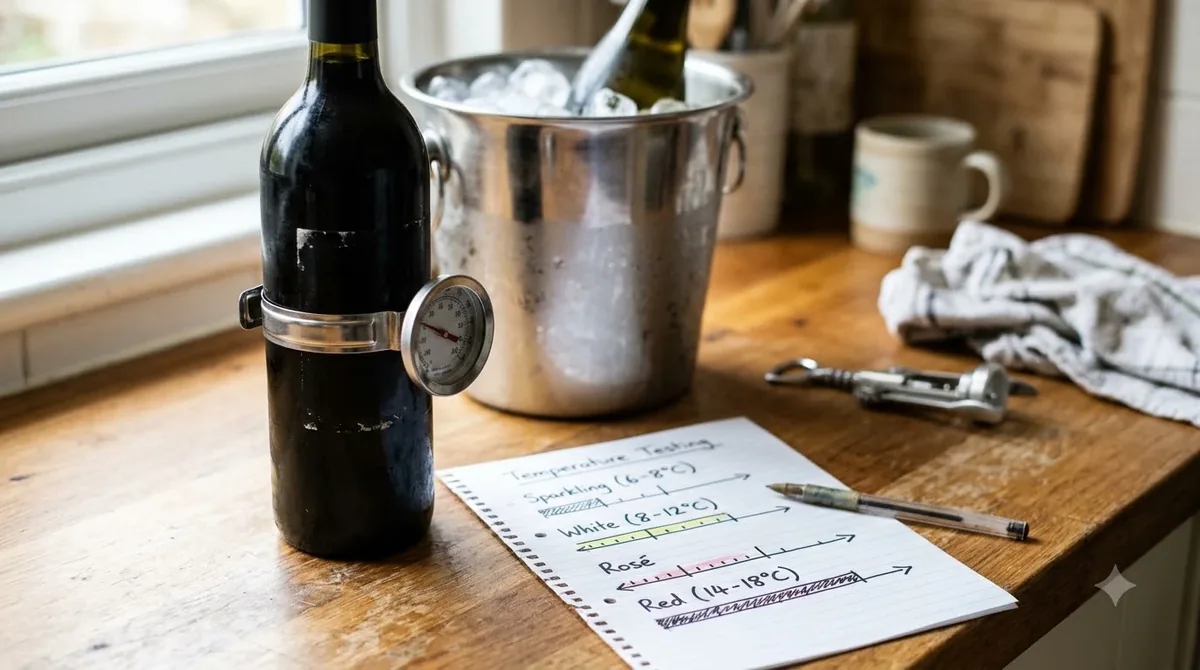
- Chill the ingredients separately. Light white wines and rosé are best served around 45–50°F. Refrigerate the sparkling water as well so the finished drink remains cold without requiring excessive ice.
- Select your mixing ratio. Start with 3 ounces of wine and 1 ounce of club soda for a wine-forward drink. For a more traditional, lighter version, try 2 ounces of each ingredient.
- Prepare the glass. Use a large wineglass or tall tumbler. Add ice if you prefer, then pour in the chilled wine. Large ice cubes are useful because they melt more slowly than small cubes.
- Add the sparkling water. Pour it gently over the wine to preserve carbonation. Give the drink one light stir if necessary rather than mixing vigorously.
- Finish with a garnish. Add a lemon or orange twist for citrus character, or use a fresh herb sprig if you want a more aromatic presentation. Taste before adding anything sweet.
The proportions are flexible rather than fixed. Bon Appétit’s recipe uses 3 ounces of aromatic white wine and 1 ounce of club soda, while Wines of Germany describes an equal-parts traditional combination. Both approaches are useful: the first keeps the original wine more prominent, and the second produces a lighter drink. For another practical recipe perspective, see Bon Appétit’s wine spritzer recipe.
For a pitcher, multiply the chosen proportions while keeping the sparkling water separate until serving. For example, 12 ounces of wine and 4 ounces of soda reproduce the 3:1 approach for several small servings. If you are serving a larger group, prepare the wine portion in advance and add the soda directly to individual glasses so the bubbles remain lively.
Tip: Make your first spritzer with 3 parts wine to 1 part sparkling water. Taste it, then add more soda if you want a lighter drink. This approach makes it easier to adjust the balance without accidentally diluting the wine too much.
Types or Styles Explained
White wine is the most versatile foundation for a spritzer, but rosé and selected red wines can work just as well. The best choice depends on whether you prefer citrus, orchard fruit, floral aromas, berry flavors, or a softer finish.
Sauvignon Blanc: Best Overall Choice
Sauvignon Blanc is an excellent all-purpose option because its bright acidity and citrus character remain noticeable after adding sparkling water. Depending on its origin, the wine can show grapefruit, lime, green apple, fresh herbs, or tropical fruit. These characteristics make it particularly suitable for a simple lemon-garnished spritzer.
New Zealand Sauvignon Blanc often provides expressive citrus and herbal notes, while examples from France’s Loire Valley can offer a more restrained mineral and citrus profile. Both styles are useful, although the more aromatic version may be preferable if the drink includes ice and a relatively generous amount of soda.
Pinot Grigio: Best for a Light, Neutral Drink
Pinot Grigio is a strong choice for anyone who does not want the wine to dominate the glass. Its generally lighter body and restrained fruit allow the sparkling water to contribute plenty of freshness. Expect flavors such as pear, lemon, and apple in many examples.
Italian Pinot Grigio is an especially practical starting point for a straightforward white spritzer. It works with lemon, lime, cucumber, or a simple orange garnish. Look for a dry style rather than a noticeably sweet version if you want a clean finish.
Riesling: Best for Aromatic Fruit and Acidity
Riesling is a classic spritzer wine, particularly in German drinking traditions. Its acidity and aromas of apple, peach, and citrus give the finished drink a recognizable personality. Wines of Germany specifically identifies Riesling as the traditional choice.
Dry Riesling produces a crisp, refreshing drink, while off-dry Riesling offers a softer impression. If you prefer more sweetness, choose a wine with some residual sugar and use plain sparkling water rather than a sweetened mixer. This keeps the finished drink from becoming cloying.
Grüner Veltliner and Albariño: Best Alternatives
Grüner Veltliner is a useful alternative when you want something crisp and aromatic without relying on Sauvignon Blanc. It often shows citrus, green apple, and subtle peppery notes. The wine’s refreshing acidity gives it enough character to remain interesting after dilution.
Albariño is another excellent option. Its citrus, orchard-fruit, and sometimes saline character can create a particularly refreshing spritzer. It is a natural choice if you enjoy seafood-inspired flavors or want a white wine that feels more expressive than a neutral Pinot Grigio.
Dry Rosé: Best for a Pink Spritzer
A light, dry Provence-style rosé creates a refreshing drink with strawberry, raspberry, citrus, and delicate floral notes. The color also makes it an attractive option for outdoor entertaining. Choose a crisp, relatively light style rather than a rich, heavily flavored rosé.
For a sweeter alternative, Rosé d’Anjou and White Zinfandel offer a softer fruit profile. They work especially well when the garnish is simple and the sparkling water is unsweetened. If you are comparing pink wine options, our guide to dry white wine also helps explain the differences between crisp, dry wine styles and their flavor profiles.
Light Red Wine: Best for a Different Summer Drink
Red wine spritzers are less conventional, but they can be enjoyable when the wine is light and low in tannin. Beaujolais, made from Gamay, is a particularly useful choice because its juicy red-fruit character is generally more approachable than that of a powerful Cabernet Sauvignon.
Valpolicella and Bardolino are additional options. Light Pinot Noir from Chile, southern France, or New Zealand can also work. Wines of Germany names Pinot Noir, Portugieser, and Meunier among suitable low-tannin red varieties. Avoid full-bodied, strongly structured wines because their tannins can become more pronounced alongside carbonation.
If you are exploring red wine for this purpose, the distinctions explained in our dry red wine guide can help you identify lighter styles. A sweet red wine may appeal to drinkers who prefer fruitier drinks, but it will create a noticeably different spritzer from the traditional dry versions.
Common Mistakes
The most common spritzer mistakes involve choosing the wrong wine, using the wrong sparkling mixer, or adding too much dilution. A successful drink depends on keeping the wine’s fruit and acidity recognizable while allowing the carbonation to make it lighter.
Choosing a Wine That Is Too Heavy
Heavily oaked Chardonnay is not usually the first choice for a classic spritzer. Its richer texture and buttery flavors can become less appealing when diluted. Similarly, high-tannin Cabernet Sauvignon and Syrah are generally poor choices for a straightforward red spritzer.
That does not mean every fuller wine is unusable. The issue is balance. If the original wine depends on concentrated fruit, oak, or firm structure for its character, sparkling water can make those features seem disconnected. A simpler, fresher bottle is usually more successful.
Buying the Cheapest Available Wine
A spritzer is a casual drink, but the wine still provides most of its flavor. A bottle with unpleasant acidity, excessive sweetness, or obvious faults will remain disappointing after dilution. Choose a wine that tastes clean and pleasant on its own.
At the same time, there is little reason to use a rare or expensive bottle. John Wilson recommends avoiding both the finest wines and the very cheapest bottles for spritzers. The practical middle ground is an approachable everyday wine with clear fruit and a refreshing finish.
Adding Too Much Soda Too Quickly
Adding too much sparkling water can make the drink taste more like flavored water than wine. This is particularly noticeable with delicate Pinot Grigio or subtle white blends. Start with a measured amount and adjust after tasting.
For a stronger wine presence, use the 3:1 ratio. For a lighter, more traditional style, use 1:1. There is no need to commit to one proportion for every bottle because different wines have different levels of acidity, body, and aromatic intensity.
Using Sweet Mixers Without Adjusting the Wine
Lemon soda, lemonade, and flavored mixers add sweetness in addition to carbonation. They can be enjoyable, but combining them with an already sweet wine can create an unbalanced drink. If you want a sweeter spritzer, either choose a dry wine and sweet mixer or use a sweeter wine with plain sparkling water.
Confusing a Spritzer With a Spritz
A wine spritzer is traditionally still wine mixed with sparkling water. An Aperol-style spritz is a different cocktail that uses sparkling wine, an aperitif, and soda. Prosecco can be used in cocktail variations, but it is not necessary for a traditional wine spritzer.
Understanding this distinction prevents unnecessary spending. If you want the simple wine-and-soda combination, buy a suitable still wine. If you want a sparkling-wine cocktail, shop for the ingredients required by that specific recipe instead.
Care and Storage Tips
Proper chilling, fresh carbonation, and sensible storage make a noticeable difference to the finished drink. The wine and sparkling water should both be cold before mixing, and the drink should be prepared close to serving time.
Store the Wine Correctly
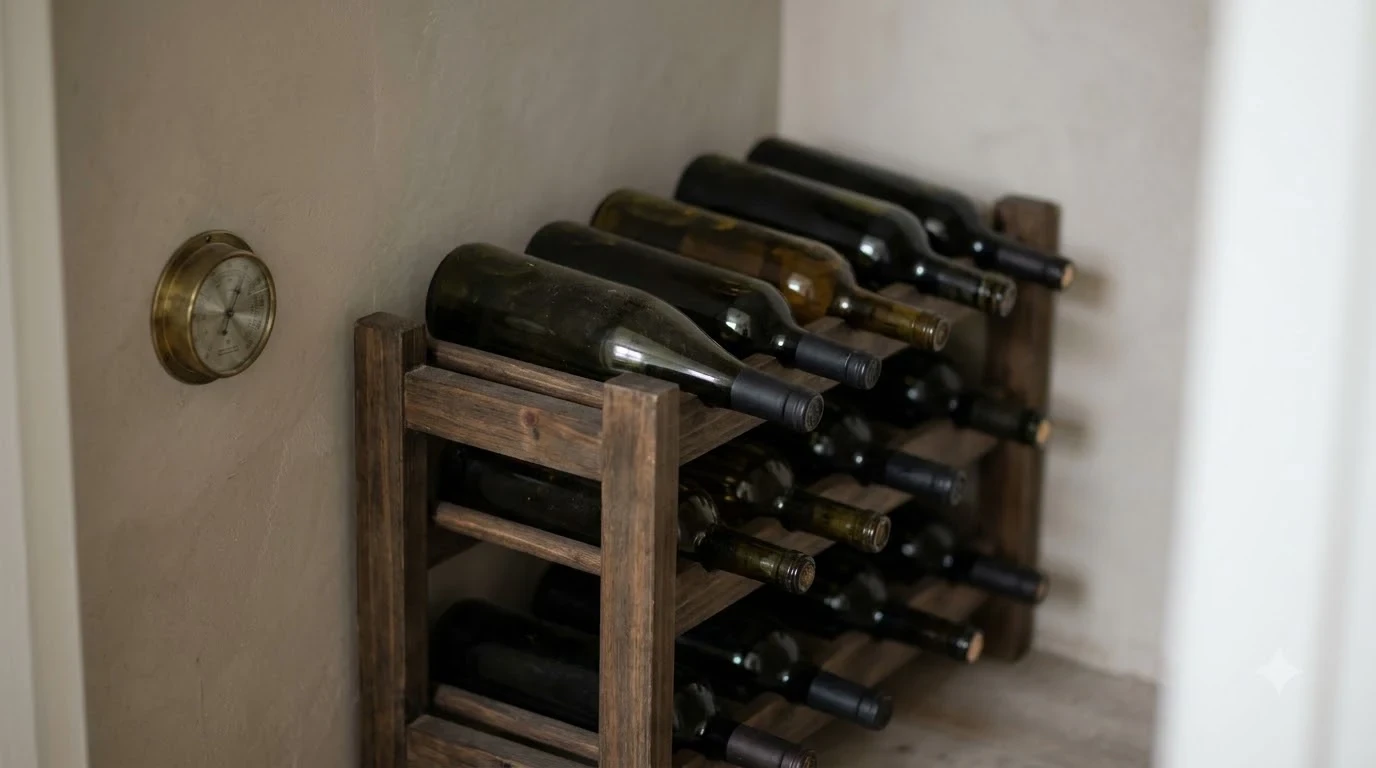
Unopened wine should be stored away from direct sunlight and large temperature fluctuations. For longer storage, keep bottles on their sides in a cool location near 55°F, particularly when they have natural cork closures. A stable environment is more important than repeatedly moving bottles between warm and cold spaces.
For a spritzer bottle intended for immediate use, refrigeration is convenient. Light whites and rosé are generally best served around 45–50°F. Full-bodied white wines can be served slightly warmer, but a spritzer generally benefits from a cool, fresh starting point.
Keep Sparkling Water Fresh
Carbonation is an essential part of the drink’s texture. Use freshly opened club soda or sparkling mineral water rather than a bottle that has been sitting open for several days. Medium-to-strong carbonation is recommended by Wines of Germany because the bubbles help create the refreshing character associated with the drink.
Choose a sparkling water with a relatively neutral flavor. Strong mineral character or pronounced added flavors can compete with the wine. Plain club soda is a dependable choice, while unflavored sparkling mineral water offers another straightforward option.
Prepare Only What You Need
Do not mix a large pitcher hours before serving if you want lively carbonation. Wine can be chilled in advance, but sparkling water should be added shortly before drinking. For a party, prepare individual glasses or a small batch that can be finished promptly.
Leftover still wine can be refrigerated and used for another spritzer within the usual short storage window. Most opened still wines are best consumed within approximately 3–5 days when properly refrigerated and sealed. The exact period depends on the wine, closure, and storage conditions.
Adjust the Serving Temperature
Cold ingredients help maintain freshness and slow the loss of carbonation. Light whites and rosé work well around 45–50°F, while light reds can be served around 55–60°F before mixing. If you add ice, remember that melting cubes introduce extra water and gradually change the proportions.
When both the wine and soda are already cold, ice is optional. John Wilson specifically points out that a spritzer does not need additional ice when both ingredients are sufficiently chilled. This is useful when you want to preserve a more wine-forward flavor over the course of a drink.
Frequently Asked Questions
Can you make a wine spritzer with sparkling wine?
Yes, but the result is closer to a sparkling wine cocktail than a traditional still-wine spritzer. Prosecco, Cava, or another sparkling wine can be combined with additional soda, although the existing bubbles may make the finished drink quite lively. Add the soda gently and taste before adding more.
Is club soda or sparkling mineral water better for spritzers?
Both work well, but their mineral composition can affect the flavor. Club soda generally provides a neutral, dependable base, while sparkling mineral water may contribute a distinctive mineral character. For delicate wines, a relatively neutral option is usually the safer choice.
Can you make a wine spritzer without alcohol?
Yes. Use a nonalcoholic wine or dealcoholized wine as the base and add chilled sparkling water in a similar proportion. The finished drink will depend on the acidity, sweetness, and flavor concentration of the nonalcoholic wine, so adjust the ratio after tasting.
Which glass is traditionally used for an Austrian spritzer?
A large wineglass or simple drinking tumbler is suitable for serving a traditional Austrian-style spritzer. A larger vessel leaves enough room for the wine, sparkling water, and optional ice without making the drink difficult to mix. The glass should also be easy to hold and comfortable for casual drinking.
Can frozen fruit replace fresh fruit in a wine spritzer?
Yes. Frozen berries, peach slices, and grapes can add fruit character while helping keep the drink cool. They may release more juice as they thaw, so use them sparingly if you want to preserve the original wine flavor. Add them shortly before serving rather than storing them in a prepared pitcher.
For most shoppers, Sauvignon Blanc, Pinot Grigio, and Riesling are the strongest starting points for a refreshing wine spritzer. Dry rosé and light Beaujolais provide appealing alternatives when you want something different. Choose a balanced everyday bottle, keep both ingredients cold, and adjust the ratio until the wine and bubbles are in harmony.
More in Wine Buying Guides
 Wine Fridge Buying Guide for Smarter Wine StorageUpdated Nov 21, 2026
 Best Zinfandel at Costco for Fuller, Fruit-Forward RedsUpdated Nov 21, 2026
 Best Wine For Hot Weather: Refreshing Bottles for Warm DaysUpdated Nov 21, 2026
 Best Zinfandel Under 20: Find Rich, Flavorful California RedsUpdated Nov 21, 2026
 Best Wine For Fathers Day: Find a Bottle Dad Will LoveUpdated Nov 21, 2026
 Best Waiheke Island Wineries for a Better Wine TripUpdated Nov 21, 2026