

We may earn a commission when you buy through links on this page, at no extra cost to you. Learn more.
The best Waiheke Island wineries pair distinctive island-grown wines with cellar doors that make it easy to compare Syrah, Bordeaux-style reds, and an expanding range of whites. Start with Mudbrick or Cable Bay near Oneroa for a convenient first stop, add Tantalus or Te Motu in Onetangi for a deeper look at estate wines, and set aside extra travel time for eastern-island destinations such as Man O’ War. The right shortlist depends on whether the priority is serious red wine, a long lunch, a scenic tasting, or a mix of all three. A sensible day usually includes two or three wineries, not a race through every tasting room.
Waiheke is a compact wine region in the Hauraki Gulf, but its wineries are spread across roads and valleys that take longer to cover than a glance at the island map suggests. Use the guide below to match wine styles, tasting formats, food, and transport before settling on a route.
Who This Is For
Waiheke suits travelers who want to taste premium reds and enjoy a vineyard setting without making a separate trip to a distant wine region. The island is roughly a 40-minute passenger-ferry ride from downtown Auckland, with polished restaurant destinations, relaxed tasting rooms, and a beachfront stop.
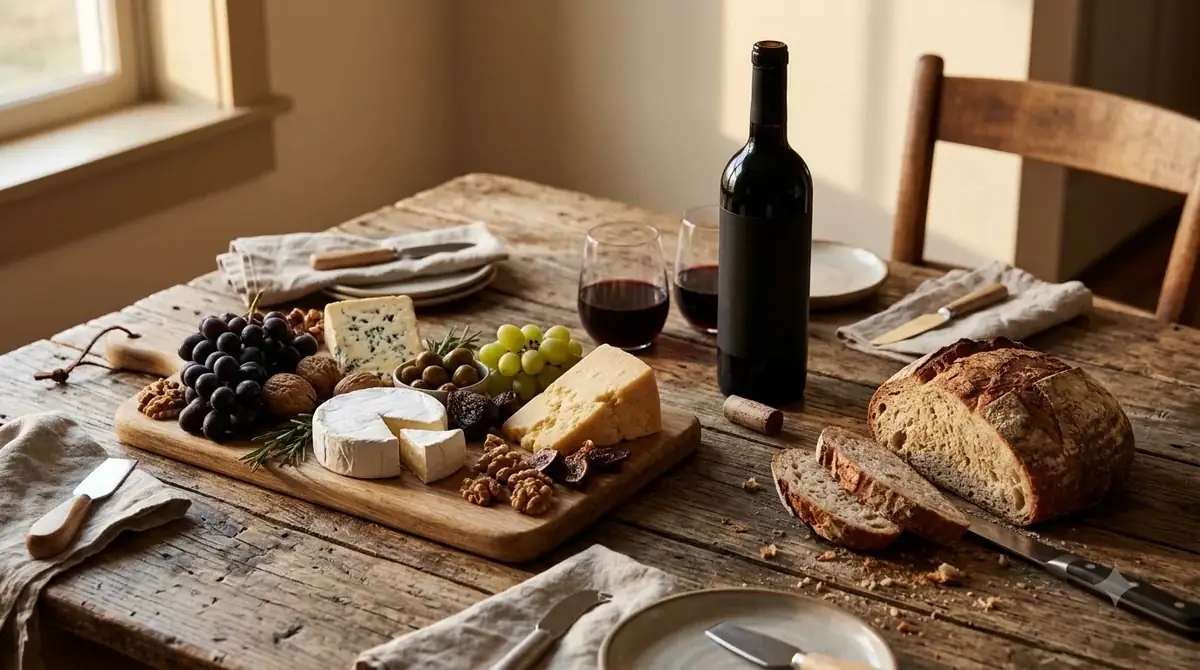
Red-wine drinkers have a clear reason to visit. Waiheke built its reputation around Bordeaux-style blends and Syrah, with Stonyridge, Te Motu, Obsidian, and Passage Rock offering different expressions. Bordeaux blends often combine Cabernet Sauvignon, Merlot, and Cabernet Franc; Syrah brings a peppery, savory contrast. Tasting both side by side is more revealing than choosing a bottle for the view alone.
White-wine drinkers should not rule out the island. The Waiheke Wine Growers Association lists Chardonnay, Pinot Gris, Viognier, Sauvignon Blanc, and Albariño alongside the better-known reds. Mixed groups can split their attention between Syrah, aromatic whites, and rosé, then meet over lunch at a cellar door with restaurant or casual food service.
For a first visit, prioritize accessible stops around Oneroa and Onetangi, then consider a longer trip east only when a particular producer or beachside setting justifies it. Travelers comparing the character of wine regions in other countries may also enjoy our guides to the best Long Island wineries, best Temecula wineries, and best Paso Robles wineries; the same questions about local varieties, tasting-room atmosphere, and distance between estates matter in each place.
Key Factors to Compare
Compare the wine list first, then the tasting format, location, and food offering. A beautiful terrace is a bonus, but a stop earns its place on an itinerary when it pours wines that add something different from the previous winery.
| Cellar door | Wine focus | Useful visit detail | Best fit |
|---|---|---|---|
| Mudbrick | Syrah, Bordeaux-style blends, Chardonnay, Viognier | Tastings take about 20–40 minutes; four tasting themes are listed | First-time visitors, food, and structured flights |
| Tantalus Estate | Syrah, Bordeaux-style blends, Chardonnay, Pinot Gris | Guided groups of up to 10; seasonal paddles from 11 a.m. to 8 p.m. | Estate-led tasting and an extended stop |
| Stonyridge | Bordeaux-style blends, Malbec, Rhône-style reds, Chardonnay | Larose vertical tasting compares four back vintages in about 45 minutes | Collectors and classic red-wine fans |
| Man O’ War | Syrah, Bordeaux-style blends, rosé, and several whites | Beachfront tasting room at the island’s eastern end | A destination visit with a coastal setting |
| Te Motu | Cabernet-Merlot blend and rosé | Onetangi Valley cellar door with The Shed restaurant | Visitors who want to compare red blends over a meal |
These are starting points rather than a definitive ranking. Mudbrick is close to Oneroa, and its official page describes tastings of 20–40 minutes; groups smaller than seven do not need to book, while larger groups do. Stonyridge suits visitors who want a focused look at Bordeaux-style red wine. Its published listing describes a Larose vertical tasting of four back vintages in about 45 minutes.
At Tantalus, the cellar team presents estate-grown wines. The winery’s cellar-door page says guided groups are limited to 10 and seasonal self-guided paddles are available in the Alibi Courtyard and Lounge from 11 a.m. to 8 p.m. For current details, see the winery’s Tantalus cellar-door information. Before choosing a remote stop, compare the tasting experience against the time needed for taxis, shuttles, or a guided tour.
Step-by-Step
A rewarding Waiheke itinerary begins with a wine preference and ends with a confirmed way back to the ferry. Six simple planning steps help keep the day relaxed and leave room to enjoy the tastings.
- Choose the wine style you most want to understand. For a classic island comparison, choose a Syrah and a Bordeaux-style blend. For a broader flight, look for Chardonnay, Pinot Gris, Viognier, or rosé as a contrast rather than ordering similar reds at every stop.
- Pick one anchor winery. Choose Stonyridge for its Bordeaux focus and Larose vertical option, Mudbrick for guided flights and dining, Tantalus for estate wines and a flexible self-guided paddle, or Man O’ War for a beachfront tasting room. An anchor stop gives the day a purpose and makes the remaining choices easier.
- Group stops by area. Oneroa is a practical starting area for Mudbrick and Cable Bay. Onetangi is another useful cluster for Tantalus, Te Motu, Stonyridge, and Casita Miro. Man O’ War is at the eastern end, so treat it as the main event rather than squeezing it between two nearby cellar doors.
- Reserve the parts that need a reservation. Book restaurant tables, special tastings, larger groups, and private tours in advance. Mudbrick says groups of seven or more need to book tastings, while Tantalus keeps guided groups to 10. Walk-in availability can change with the day, season, and service demand.
- Plan transport before the first pour. Wine Cellar Door’s Waiheke guide says passenger ferries from downtown Auckland reach Matiatia in about 40 minutes. On the island, use a winery tour, taxi, local bus, or e-bike only after checking the terrain and the distance between stops; steep roads and separated destinations make an improvised tasting route inconvenient.
- Decide how to take wine home. Ask whether the bottle is intended for early drinking or cellaring, note the grape blend and vintage, and keep receipts with the bottles. For more on comparing bottles by style, occasion, and intended use, see our wine-buying basics.
One winery with a proper lunch can be more satisfying than four rushed tastings. Pair Mudbrick with Cable Bay around Oneroa, or combine Tantalus with Te Motu and Stonyridge around Onetangi. If visiting Man O’ War, allow extra travel time and confirm the return connection before lunch.
For mixed groups, alternate a wine-led stop with a meal-led stop. This creates a pause between flights and helps everyone remember which producer poured the preferred style.
Types or Styles Explained
Waiheke’s signature remains structured red wine, but the island’s growers also produce a varied white and rosé selection. The regional association’s producer list is useful for matching a grape to a cellar door instead of assuming every winery makes the same range.
Bordeaux-Style Blends
These are a natural starting point for visitors who enjoy Cabernet-led reds with structure and the potential to develop in bottle. Stonyridge is closely associated with this style: the vineyard’s flagship Larose is a Bordeaux blend, and its vertical tasting compares four earlier vintages in a session of about 45 minutes. Te Motu lists a Cabernet-Merlot wine, while Mudbrick and Man O’ War also appear in the regional growers’ blend category.
When comparing these wines, ask which grapes make up the blend and whether the winery is pouring a current-release or reserve bottling. Cabernet Sauvignon can give a blend firm tannin and cassis-like character; Merlot often adds a softer texture. The percentages and vintage conditions change the balance, so two bottles described as Bordeaux-style can still taste quite different.
Syrah
Syrah is one of the island’s defining red varieties. Obsidian, Passage Rock, Tantalus, Mudbrick, and Man O’ War are among the producers listing Syrah, giving visitors a chance to compare it across different vineyard sites and winemaking choices. Look for differences in pepper, dark fruit, savory notes, oak influence, and tannin rather than expecting a single house style.
Syrah is usually a stronger match for grilled lamb, beef, mushrooms, and dishes with herbs than for delicate seafood. If the tasting room offers both Syrah and a Bordeaux-style blend, try them in the same visit and ask which wine the staff would pair with the dish you plan to order. This side-by-side approach is especially helpful for choosing a bottle to bring home for a particular meal.
Whites, Rosé, and Less-Common Grapes
Waiheke’s white-wine list includes Chardonnay, Pinot Gris, Viognier, Sauvignon Blanc, and Albariño. Tantalus lists Chardonnay and Pinot Gris; Mudbrick lists Chardonnay and Viognier; Man O’ War lists Sauvignon Blanc, Chardonnay, Pinot Gris, and Viognier. Passage Rock and Goldie also list several white options. Visitors who favor crisp acidity can start with Sauvignon Blanc, while Chardonnay is useful for comparing richer textures and oak treatment.
The island also has less expected choices. Jurassic Ridge lists Cabernet Franc and Montepulciano, Obsidian includes Tempranillo, and Poderi Crisci lists Arneis and Pinot Grigio. Ask about these grapes after tasting the core Syrah and Bordeaux styles. The producer-by-producer overview from the Waiheke Wine Growers Association is a useful way to check which winery lists a particular grape.
Food-Led and Scenic Cellar Doors
Some visitors choose a winery for the meal as much as for the wine. Mudbrick combines tastings with a restaurant and bistro; Tantalus includes a restaurant and the Alibi lounge; Te Motu has The Shed; and Man O’ War pairs its tasting room with a beachfront setting. Cable Bay is another Oneroa option for a vineyard visit with dining and views.
For a longer lunch, book the table first and treat the tasting as part of the meal rather than trying to fit in several more cellar doors afterward. For a short tasting between other plans, choose a winery with a clearly defined flight and an easy transport connection. The best stop is the one that suits the group’s pace and wine interests, not simply the one with the most photographed terrace.
Common Mistakes
The most common planning error is assuming Waiheke’s wineries sit close together. They do not all cluster around the ferry terminal: Oneroa and Onetangi have several accessible options, while Man O’ War and other eastern destinations require a more deliberate journey.
A second mistake is treating every cellar door as an unbooked walk-in. The growers’ association notes that some vineyards are seasonal or require advance calls for private tastings. Mudbrick’s tasting information allows groups smaller than seven to arrive without a booking but asks groups of seven or more to reserve. Restaurant rules can differ from tasting-room rules, so confirm both.
Another mistake is choosing a winery entirely for its view. Check the grapes before traveling, especially if someone wants Chardonnay, Viognier, or a less common variety rather than Syrah or Bordeaux blends. Waiheke also makes white wines and rosé across several producers.
Do not leave transport until after the tasting. The island leg may involve a bus, booked transfer, taxi, or tour. Avoid a self-drive tasting day without a designated driver, and check the hills before relying on an e-bike between distant wineries.
Care or Storage Tips
Keep wine bought on Waiheke cool and protected from temperature swings on the trip home. For longer storage, keep bottles on their sides in a dark place near 55 degrees Fahrenheit, especially when they have natural cork closures. Do not leave purchases in a hot car or direct sun.
Serve wine at a temperature that suits its style: light whites and rosé around 45–50 degrees Fahrenheit, fuller whites around 50–55 degrees, light reds around 55–60 degrees, and fuller reds around 60–65 degrees. A brief chill can help Syrah and Cabernet blends on a warm afternoon.
Tip: A standard 750 ml bottle yields about five 5-ounce glasses. If you open several bottles after returning home, refrigerate unfinished still wine and aim to drink it within 3–5 days; young, full-bodied reds can benefit from 30–60 minutes of decanting before serving.
Match food to the wine’s structure. Cabernet blends and Syrah suit lamb, beef, or aged cheese, while Sauvignon Blanc and Pinot Gris pair more easily with shellfish and salads. Acidic dishes need equally acidic wine, and sweet wine should be at least as sweet as dessert. Salt and fat soften tannin; chili heat feels stronger beside high-alcohol or tannic wines.
Frequently Asked Questions
Is Waiheke Island a recognized wine region?
Yes. Wine Cellar Door describes Waiheke Island as a registered Geographical Indication since 2018, recognizing it as a distinct wine-growing region within New Zealand. The designation is useful when comparing island-grown wines with bottles sourced from elsewhere in the country.
Can I taste wines from outside Waiheke at an island winery?
Yes. Mudbrick lists a separate South Island tasting that features Marlborough-grown wines, alongside its island and reserve-focused flights. That can be useful for visitors who want to compare Waiheke’s warmer-climate styles with wines from another New Zealand region during one visit.
Which Waiheke wineries offer overnight stays?
Wine Cellar Door’s Waiheke directory lists Mudbrick, Cable Bay, and Kennedy Point among the cellar doors with overnight accommodation. Availability and room arrangements are separate from tasting-room access, so contact the property before building an overnight stay around a wine visit.
Are walk-in tastings available at Waiheke wineries?
Wine Cellar Door’s Waiheke directory lists 11 cellar doors as welcoming walk-in visitors, including SOHO Family Vineyards, Casita Miro, and Goldie Estate. That listing is a useful starting point, but it does not guarantee space for a special tasting or restaurant table.
Can I bring a car to Waiheke Island?
Yes. Wine Cellar Door’s visitor notes identify a vehicle ferry from Half Moon Bay to Kennedy Point, in addition to passenger services from downtown Auckland. A car is most useful when the group has a non-drinking driver and a confirmed parking plan at each winery.
For most first-time visitors, the strongest shortlist is Mudbrick, Tantalus, Stonyridge, Te Motu, and Man O’ War, with the final choice shaped by wine preference and transport. Choose two or three stops that offer different styles, reserve the meal or special tasting that matters most, and leave enough time to enjoy Waiheke rather than watching the clock.
More in Wine Buying Guides
 Riesling Gift: Choose a Bottle They’ll LoveUpdated Nov 21, 2026
 Sweet Red Wine Gift: Choose a Bottle They’ll LoveUpdated Nov 21, 2026
 Malbec Gift: How to Choose a Memorable Bottle for Any OccasionUpdated Nov 21, 2026
 Sherry Gift Ideas That Match Every Wine LoverUpdated Nov 21, 2026
 Moscato Gift: How to Choose a Sweet Wine They’ll LoveUpdated Nov 21, 2026
 Merlot Gift: How to Choose a Bottle They’ll AppreciateUpdated Nov 21, 2026