

We may earn a commission when you buy through links on this page, at no extra cost to you. Learn more.
For wine drinkers, william fevre wine means Chardonnay from Chablis in northern Burgundy, France, with brisk acidity, citrus and orchard-fruit flavors, and a stony, often saline finish. The Domaine makes wines across the Chablis hierarchy, from approachable village bottlings to site-specific Premier Cru and Grand Cru expressions. Understanding the appellation level, vineyard name, and winemaking choices makes it easier to select a bottle for seafood, poultry, or a special meal.
William Fèvre is a producer rather than a grape variety or a separate wine style. Its name is closely tied to Chablis, where cool growing conditions and limestone-rich soils give Chardonnay a different profile from many richer, oak-forward examples elsewhere in Burgundy. This guide explains the estate, its vineyards, its typical taste, and how to serve and pair the wines.
What William Fèvre Wine Is
William Fèvre is a Chablis estate whose identity rests on Chardonnay and a range of vineyard sites around the town of Chablis. The estate has made wine under the William Fèvre name since 1959, and its portfolio spans village Chablis, Premier Cru, and Grand Cru bottlings rather than a single house blend.

The estate joined Domaines Barons de Rothschild Lafite in January 2024. The Chablis wine organization’s announcement describes about 70 hectares divided among almost 90 plots, with holdings in Chablis, Chablis Premier Cru, and Chablis Grand Cru. That spread matters because a bottle bearing the same producer name can come from very different vineyard positions. Village Chablis shows the broader district, while a named Premier Cru or Grand Cru is a more specific expression of a recognized site.
Director Didier Séguier has been central to the estate’s modern identity. Decanter describes a move away from a strongly new-oak style toward wines that emphasize freshness and individual climats; the ownership announcement also highlights organic and environmental viticulture and a low-intervention cellar approach. William Fèvre belongs to Domaines Barons de Rothschild Lafite, not the separate baron philippe de rothschild wine business; learn more about producers in this guide to Wine Brands.
Chablis Terroir and Vineyard Sites
Chablis’s character begins with its position in northern Burgundy and its marine-derived limestone soils. The regional wine body identifies two main Jurassic formations, Kimmeridgian and Portlandian, and explains that Chablis, Premier Cru, and Grand Cru vineyards are mainly on Kimmeridgian hillsides, while Petit Chablis is mainly planted on Portlandian soils higher on slopes and plateaus.
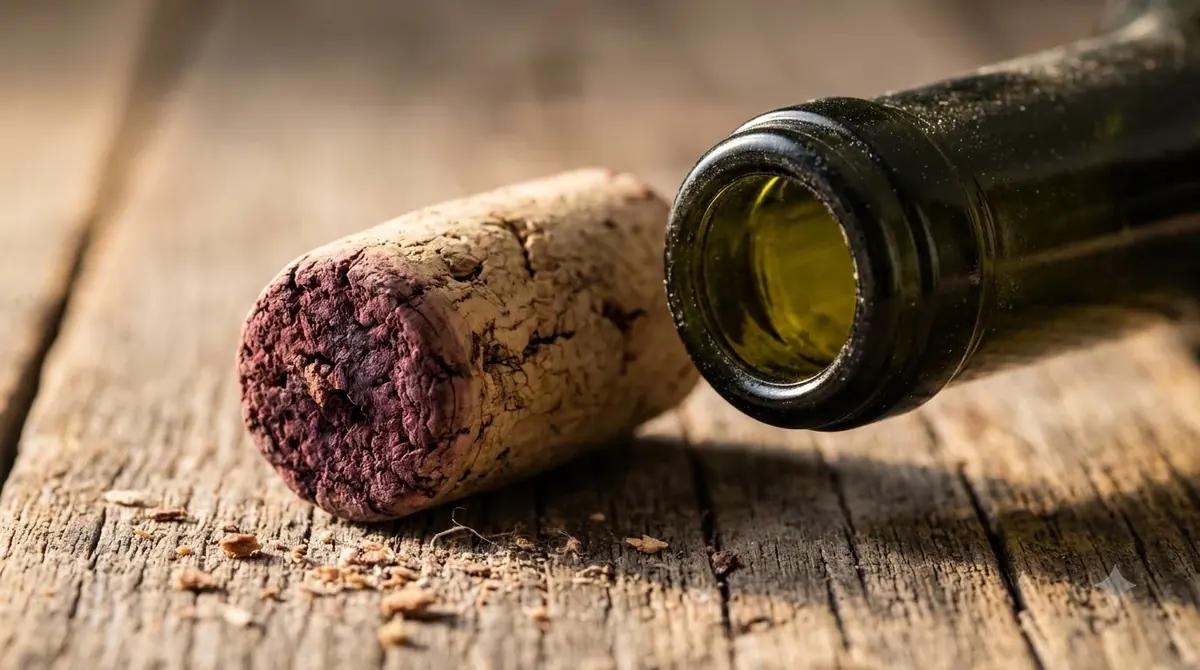
Kimmeridgian soil formed more than 150 million years ago, when a shallow sea covered the area. It contains limestone, marl, clay, and small marine fossils, including the oyster fossil Exogyra virgula. These geological details are not flavors that literally pass from rock into a glass; they are part of the growing environment that shapes drainage, water availability, and ripening. Read the regional explanation of Chablis soils for a closer look at the two formations.
Harder, more recent Portlandian limestone is associated with Petit Chablis plateaus, while softer Kimmeridgian marl is prominent on the slopes used for higher classifications. This is a guide rather than a quality switch; aspect, vine age, weather, and cellar decisions also shape the wine.
The word climat is important on a Burgundy label. It refers to a recognized vineyard site, not to the weather, and different climats can produce different balances even when they share the same grape and producer. William Fèvre’s range includes names such as Fourchaume, Montmains, Vaillons, Montée de Tonnerre, Les Clos, Bougros, and Vaudésir.
The Four Chablis Appellation Levels
Chablis has four principal appellation levels: Petit Chablis, Chablis, Chablis Premier Cru, and Chablis Grand Cru. All four are white wines made from Chardonnay, but their vineyard positions and geographic boundaries help set expectations for style, concentration, and food pairing.
Petit Chablis is generally the lightest and most direct style. Its vineyards are mainly on Portlandian soils on plateaus and higher slopes, and the wines often show citrus, green apple, and a clean finish. It is a sensible choice for an aperitif, oysters, fried fish, or a casual lunch where the wine should refresh rather than dominate.
Chablis, sometimes called village Chablis, is the central expression of the appellation. It typically offers more depth than Petit Chablis while retaining lively acidity and a dry finish. William Fèvre’s village bottlings are a good introduction to the producer because they show the broader Chablis profile without requiring a choice among individual Premier Cru or Grand Cru sites.
Chablis Premier Cru comes from designated hillside sites and usually provides added detail, length, or concentration. William Fèvre bottlings include names such as Fourchaume, Vaillons, Montmains, and Montée de Tonnerre. These are not synonyms for one uniform flavor: slope position, exposure, and soil depth can change how ripe, taut, broad, or mineral a wine feels.
Chablis Grand Cru is the top tier and comes from seven climats on the Grand Cru slope: Les Clos, Blanchot, Bougros, Vaudésir, Grenouilles, Valmur, and Les Preuses. These wines are generally the most concentrated and structured examples, with the potential to develop complexity in bottle. The named site gives a more precise indication of origin than the general Chablis name.
| Appellation level | Vineyard position | Typical style | Useful occasion |
|---|---|---|---|
| 1. Petit Chablis | Mostly Portlandian plateau and higher slopes | Light, brisk, citrus-led | Aperitif, oysters, fried fish |
| 2. Chablis | Mainly Kimmeridgian hillsides | Dry, fresh, stony | Seafood, salads, weeknight meals |
| 3. Chablis Premier Cru | Designated hillside climats | Layered and concentrated | Scallops, roast chicken, richer fish |
| 4. Chablis Grand Cru | Seven climats on the Grand Cru slope | Structured and age-worthy | Lobster, turbot, special dinners |
The ranking describes origin and typical potential, not guaranteed enjoyment. A drinker who values energy may prefer village Chablis, while someone who enjoys texture and a longer finish may choose a Premier Cru or Grand Cru.
Tasting Profile and Winemaking Choices
William Fèvre Chablis is usually dry, high in acidity, and focused on citrus, orchard fruit, and mineral impressions. Common descriptors include lemon, lime, green apple, pear, white flowers, wet stone, chalk, and a lightly saline finish, although the balance changes with vineyard, vintage, and bottle age.
Entry-level bottlings are clean and refreshing rather than rich and buttery, with lemon zest, crisp apple, and a fresh finish.
Premier Cru bottlings can add weight and texture while keeping the appellation’s acidity. Fourchaume, Vaillons, Montmains, and Montée de Tonnerre are useful names to compare because they come from distinct sites. Decanter’s William Fèvre producer tasting profile also describes differences within the Grand Cru range: Bougros can be broader, while the steep Côte Bouguerots section was more restrained and mineral; Les Preuses was noted for a steely, flinty character.
Grand Cru wines combine concentration with structure. A young bottle can seem reserved, then broaden toward ripe pear, peach, hazelnut, or savory notes as it opens. Greater weight should remain balanced by freshness.
How oak affects the style
Oak is not automatically absent from Chablis, but barrel use need not mean strong vanilla or toast aromas. Decanter describes William Fèvre’s move under Didier Séguier from pronounced new oak toward lighter use, aiming to express individual vineyard sites.
Oak varies by cuvée and vintage. Village Chablis may be linear and direct, while Premier Cru and Grand Cru bottlings can show more breadth; lees contact can add texture without erasing acidity.
Tip: Compare a village Chablis with a Premier Cru from the same vintage. Keep the serving temperature similar and taste them side by side; differences in texture, concentration, and finish are easier to recognize than when bottles are opened on separate occasions.
Food Pairings for William Fèvre Chablis
High acidity and a dry finish make William Fèvre Chablis a natural match for seafood, shellfish, and dishes with a little richness. Its citrus character refreshes the palate, while its relatively restrained body lets delicate ingredients remain in focus.
For Petit Chablis or village Chablis, try oysters, shrimp, steamed mussels, clams, scallops, or grilled white fish. Crisp acidity and a saline impression complement shellfish, while lemon on sole or cod matches the wine’s freshness.
Premier Cru wines can handle richer preparations. Try Fourchaume or Montmains with seared scallops, halibut with beurre blanc, roast chicken, or chicken in a light cream sauce. The food’s added texture meets the wine’s concentration, while acidity keeps butter and cream from making the pairing feel heavy. Mushroom risotto can work with a broader Premier Cru, particularly when the recipe is savory rather than sweet.
Grand Cru Chablis deserves food with enough flavor and texture to stand alongside it. Lobster, turbot, crab with butter, roast chicken with mushrooms, and gently grilled monkfish are strong choices. A developed bottle may also pair with aged Comté or another firm, nutty cheese. Keep sauces restrained: lemon, herbs, butter, and light cream are more dependable than hot spices or intense smoky barbecue flavors.
Acidity matters especially with vinegar, citrus, or pickled ingredients. Match the food’s sharpness with a wine that is at least as lively, or the wine can taste flat. For a broader meal, the estate’s whites can move from a first course to the main dish, but intensity should rise with the food. This is a different role from a structured red such as Campo Viejo red wine, which may suit grilled meats and tomato-based dishes better than raw oysters or lean white fish.
Serving, Storing, and Choosing a Bottle
Serve William Fèvre Chablis cool enough to emphasize freshness but not so cold that its aroma disappears. A practical starting range is 45–50°F for a lighter village wine and 50–55°F for a fuller Premier Cru or Grand Cru. If the bottle has been in a very cold refrigerator, give it a few minutes in the glass to show its fruit and texture.
Use a standard white wine glass with a bowl wide enough to let the wine open. A pour of about 5 ounces gives room to swirl, and a 750 ml bottle yields roughly five such glasses. For a tasting of several appellation levels, begin with Petit Chablis or village Chablis before moving to Premier Cru and Grand Cru, so the lighter wine is not overshadowed.
Most young village Chablis can be enjoyed without decanting. A reserved Premier Cru or Grand Cru may benefit from 10 to 20 minutes of air in the glass, but taste a small pour first. Older bottles should be handled gently because excessive aeration can make delicate aromas fade.
Village Chablis is often enjoyed young, while structured Premier Cru and Grand Cru wines can develop with age. Decanter recalls a 2005 Les Preuses Grand Cru that still showed vivid acidity, crushed-rock character, and citrus years later; that is potential, not a promise for every vintage. Store bottles away from heat, light, and temperature swings, near 55°F, and lay natural-cork bottles on their sides.
How to choose among the labels
Start with the food and occasion. For a weekday seafood dinner, village Chablis is a versatile entry point. If you want more vineyard detail, look for a Premier Cru name such as Fourchaume, Vaillons, Montmains, or Montée de Tonnerre. For a special meal or a bottle to cellar, consider one of the seven Grand Cru climats.
Choose by style too: younger village Chablis tends toward crisp lemon and green apple, while Premier Cru or Grand Cru can offer a broader palate. Vintage conditions affect the balance between acidity and ripeness, so the exact wine name and vintage matter.
Treat the appellation as a map rather than a scorecard: Grand Cru signals prestigious origin, not a guarantee of personal preference. Comparing two levels or climats is a practical way to find the style that suits you.
Frequently Asked Questions
These answers clarify a few terms that appear on Chablis labels and in discussions of William Fèvre. The four appellation levels and seven Grand Cru climats provide a useful map, while a few regional details explain the history and rules behind the names.
What does the word “climat” mean on a Burgundy wine label?
A climat is a named, precisely delimited vineyard site with its own recognized identity. It is not a reference to the weather. In Burgundy, the term identifies a specific origin such as Les Clos or Fourchaume more precisely than the regional appellation alone.
Why do Chablis vineyards contain oyster fossils?
The area was covered by a shallow sea during the Jurassic period, and marine sediments later became part of the limestone and marl beneath the vineyards. One fossil associated with Kimmeridgian soil is Exogyra virgula, a small oyster. The fossil record is evidence of the region’s ancient marine environment, not a flavoring in the wine.
Does Grand Cru mean the wine will taste sweeter?
No. Grand Cru is a vineyard-origin classification, not a sweetness category. William Fèvre Grand Cru Chablis is generally made as a dry white wine, and concentration should not be confused with residual sugar.
Why are frost-protection systems seen in Chablis vineyards?
Chablis has a cool, semi-continental climate, and spring frost can damage young buds after growth begins. Growers may use overhead sprinklers, heaters, or wind machines in vulnerable sites to reduce frost damage. These measures protect the crop but do not change the appellation level.
Can Chardonnay from outside France be called Chablis?
No. Chablis is a protected geographical appellation in Burgundy, so Chardonnay from California, Australia, or another region cannot use the Chablis name simply because it is the same grape. A bottle from elsewhere may say Chardonnay or use its own protected regional name.
William Fèvre offers a way to explore Chablis from bright village wines to concentrated Premier Cru and Grand Cru bottlings. Focus on the appellation level, named climat, and vintage, then match the bottle to the dish and serving temperature. That approach reveals why the producer’s name is associated with site-driven Chardonnay rather than one uniform house style.
More in Wine Brands
 Underwood Wine Price: Compare Bottles, Cans, and Pack SizesUpdated Nov 21, 2026
 Zenato Wine Price: Compare Styles and Choose the Right BottleUpdated Nov 21, 2026
 Zuccardi Wine Price: Compare Bottles and Find the Right RangeUpdated Nov 21, 2026
 Yellow Tail Moscato Review: Taste, Sweetness and Serving TipsUpdated Nov 21, 2026
 Wolf Blass Yellow Label Review: Choose Your Best StyleUpdated Nov 21, 2026
 Wolffer Estate Rose Review: Choose the Right Bottle for Your TableUpdated Nov 21, 2026