

We may earn a commission when you buy through links on this page, at no extra cost to you. Learn more.
Whole Foods wine means the wine sold in Whole Foods Market stores, and shoppers can find a range of styles there by reading labels, comparing regions, and choosing bottles for a specific meal. The store’s wine section carries bottles from many countries and price levels, so the most useful approach is to decide what you want to drink before you walk the aisle. Knowing the grape, the region, and the style helps you pick a bottle that fits your meal, no matter which shelf it sits on.
This guide explains how to shop for wine at a large natural-foods retailer, how to read the information on the bottle, and how to match a wine to food and occasion. It also covers how to store opened bottles, so the wine you buy keeps its character after the first pour.
How to Approach the Wine Aisle
A wine section can feel crowded, and many shoppers pick the bottle with the most attractive label. A better approach starts with three questions: what you want to drink, what you plan to eat, and how much you want to spend. Those answers narrow the shelf quickly, even before you read a single tasting note.
Start with the style you already enjoy. If you like crisp, bright whites, look for a sauvignon blanc or a dry riesling. If you prefer red wine with more body, a cabernet sauvignon or a syrah may suit you. Once you know the style, it becomes easier to compare bottles from different countries and producers.
Ask staff for help when the section feels unfamiliar. Tell them the meal and the flavors you like, and they can often point you toward a few options that match your budget. Even a short conversation can save time and help you learn the labels you will see again.
Reading the Label and the Region
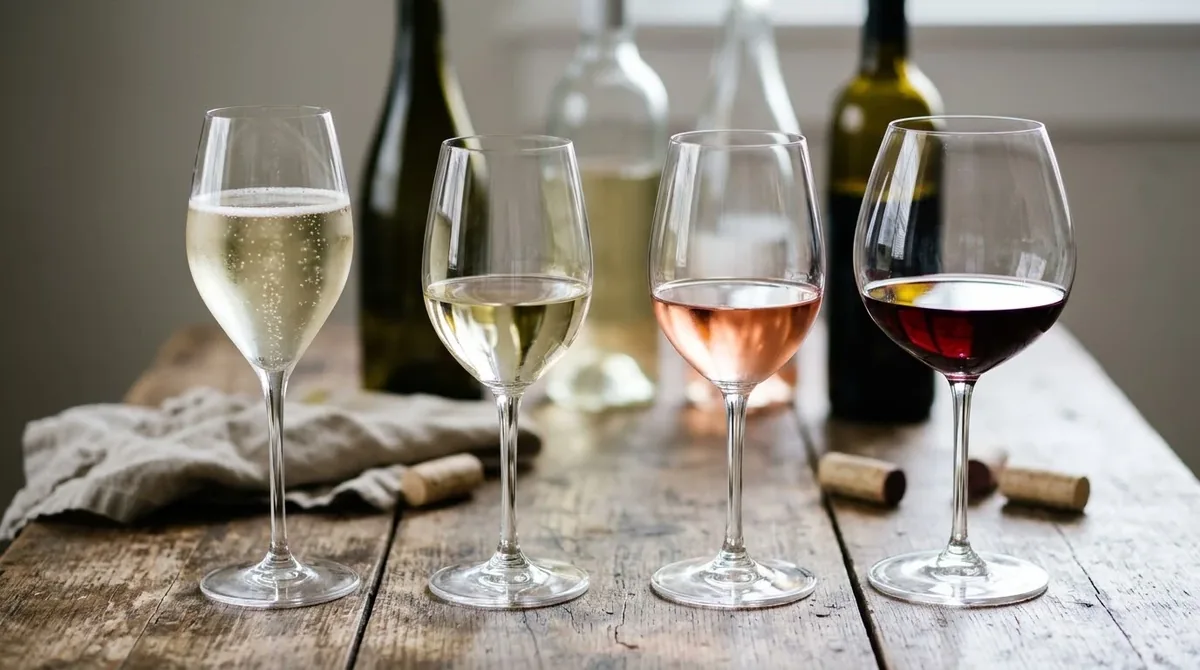
The front label usually shows the producer, the grape or blend, and the vintage. Some labels also name a region or appellation, which tells you where the grapes were grown. A region name can be a strong clue about the wine’s style, since climate and soil shape how the grapes taste. Wine from a cool region often tastes brighter, while wine from a warm one often tastes riper and fuller.
The back label adds details such as alcohol level, a tasting description, and sometimes serving or pairing advice. Those notes are helpful but should be read as the producer’s own description. When you can, compare the notes with an independent source before you decide.
| Label clue | What it usually tells you | How to use it |
|---|---|---|
| Grape name | The main flavor profile and body | Match it to the style you like |
| Region or appellation | Climate and soil influence | Compare cool and warm regions |
| Vintage | The growing season | Choose recent releases for fresh whites and rosés |
| Alcohol level | How full or light the wine may feel | Lower numbers often suit lighter meals |
Matching Wine to Food and Occasion
Food pairing is simpler than it sounds. Light, crisp whites tend to suit salads, seafood, and fresh vegetables, while fuller reds often work with roasted or grilled meats. Sparkling wine is a flexible choice for many dishes, and a slightly sweet white can calm the heat of spicy food. The goal is to balance the wine and the dish so that neither overpowers the other.
Occasions shape the choice too. For a casual weeknight, a reliable everyday red or white is usually enough. For a dinner party, consider two styles, one white and one red, so guests can choose. For a special meal, a bottle from a region with a strong reputation can add interest to the table.
If you are shopping for a group, buy a mix of styles rather than a single bottle. That approach gives you a useful comparison and reduces the risk that everyone will dislike the same wine. It also helps you learn your own preferences faster than trying one bottle at a time.
Store Brands, Imports, and Familiar Names
Large retailers often carry their own label alongside widely known national brands and imports. Private-label wine can offer good value, but it is worth tasting a few before you decide which ones to buy again. Imported bottles bring regional character from places such as France, Italy, and Spain, while domestic bottles can show the style of a specific American growing area.
Familiar names can be a useful starting point. A bottle from a recognizable producer gives you a consistent style to compare against, which is helpful when you are learning. For example, if you want a sweeter red, a bottle like Stella Rosa Red shows one approach, while a structured red such as Spottswoode wine shows a more serious style. You can also look at Pedernales wine when you want to compare an American producer with a different climate.
Storing Wine After You Open It
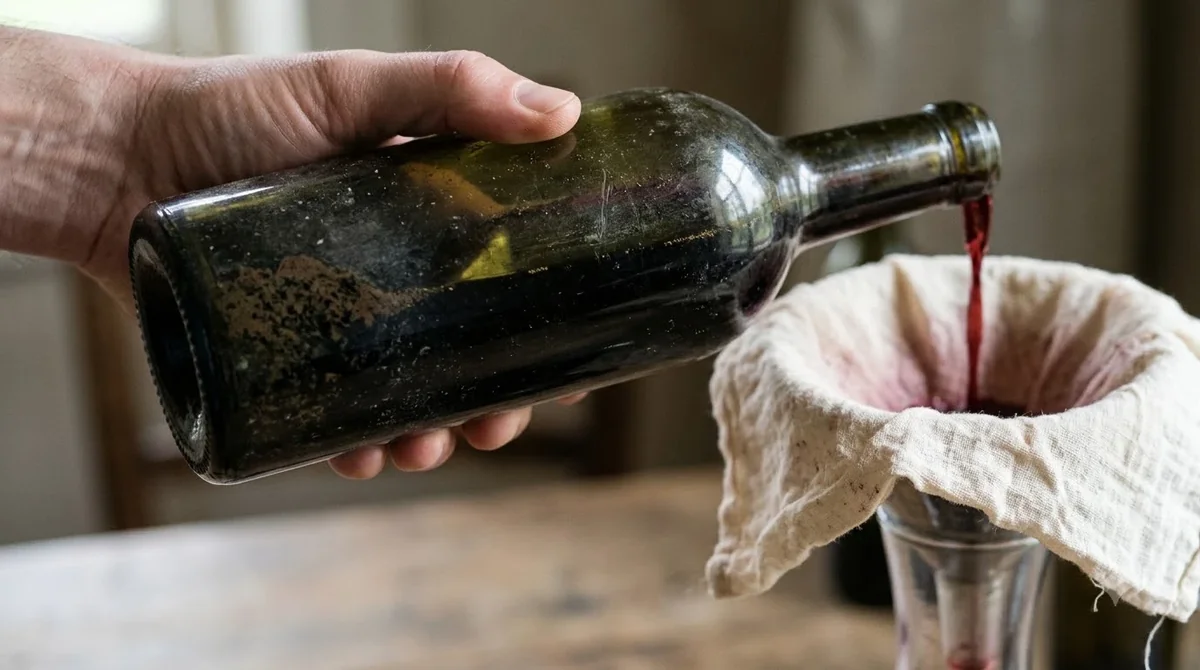
Storage is where many good bottles lose their charm. An opened bottle starts to oxidize, which dulls fruit and freshness. Re-cork it tightly, keep it out of direct sunlight, and store it in a cool place. White wines and rosés usually belong in the refrigerator after opening, while many reds can stay on a counter or in a cool cabinet for a short time.
VinePair’s Wine 101 guide covers storing a bottle of open wine as part of its broader basics, and it is a useful reference when you want to learn how different styles behave after the first pour. For most everyday bottles, a day or two is a reasonable window, although fuller reds often hold up longer than light whites.
Tip: Buy a half-bottle or a smaller format when you are trying a new style for the first time. That way you can taste a wine without committing to a whole bottle.
Who This Guide Is For
This guide suits shoppers who want to make better choices in a large wine section without learning everything about the category first. It is also useful for people who buy wine for meals at home and want a simple way to pick a bottle that fits the food.
Experienced buyers can use the same approach to test new regions. Compare two bottles of the same grape from different climates, and notice how the fruit, acidity, and tannin shift. That habit builds a useful palate and makes every trip to the store more rewarding.
Frequently Asked Questions
How do I choose wine in a large grocery wine section?
Decide on the style you like and the food you plan to serve. Use the grape name and region on the label to narrow the choice, then ask a staff member for a recommendation if you need help.
Are store-brand wines worth buying?
Some store-brand bottles offer good value, but quality varies. Taste a few before buying in quantity, and keep the ones that match your taste.
How long does opened wine last?
Most everyday wines keep for a day or two after opening if they are re-corked and stored properly. Lighter whites should be refrigerated, and fuller reds often hold up a little longer.
What wine goes with a casual dinner?
A versatile red such as a medium-bodied blend or a crisp white like sauvignon blanc suits most casual meals. Choose based on the main dish and how rich the sauce is.
Shopping for wine at Whole Foods becomes easier once you know what you want to drink and what you plan to eat. Read the grape, region, and vintage on the label, compare a few styles, and store any leftovers properly. For a general introduction to wine basics, read VinePair’s Wine 101 guide, then return to the aisle with a clear plan.
More in Wine Brands
 Underwood Wine Price: Compare Bottles, Cans, and Pack SizesUpdated Nov 21, 2026
 Zenato Wine Price: Compare Styles and Choose the Right BottleUpdated Nov 21, 2026
 Zuccardi Wine Price: Compare Bottles and Find the Right RangeUpdated Nov 21, 2026
 Yellow Tail Moscato Review: Taste, Sweetness and Serving TipsUpdated Nov 21, 2026
 Wolf Blass Yellow Label Review: Choose Your Best StyleUpdated Nov 21, 2026
 Wolffer Estate Rose Review: Choose the Right Bottle for Your TableUpdated Nov 21, 2026