

We may earn a commission when you buy through links on this page, at no extra cost to you. Learn more.
This Whitehaven Sauvignon Blanc Review finds a crisp, dry, medium-bodied Marlborough white wine with refreshing acidity, citrus, gooseberry, tropical fruit, and herbal flavors, making it particularly appealing for seafood, salads, and lighter meals. Whitehaven combines grapes from several Marlborough subregions to create a balanced expression of New Zealand Sauvignon Blanc. Its stainless-steel fermentation preserves fresh fruit characteristics, while its lively acidity gives the wine an energetic finish. It is a strong option for drinkers who enjoy aromatic, refreshing white wines rather than rich, buttery styles.
Whitehaven Sauvignon Blanc occupies an interesting position among New Zealand’s recognizable white wines. It offers the familiar combination of citrus, tropical fruit, and green herbal character associated with Marlborough, but its appeal goes beyond simply delivering an intensely aromatic glass. The wine’s medium-bodied texture, carefully balanced acidity, and regional fruit sourcing make it worth considering for everyday meals, casual entertaining, and warm-weather occasions. Understanding its flavor profile, production methods, and food-pairing possibilities helps determine whether it matches your preferences.
Who This Wine Is For
Whitehaven Sauvignon Blanc is best suited to people who enjoy dry, aromatic white wines with refreshing acidity and recognizable fruit flavors. Its combination of citrus, tropical fruit, and green herbal notes makes it versatile enough for casual drinking and food-focused occasions.
One of its main attractions is the relationship between fruit intensity and freshness. The wine is not presented as an especially heavy or oak-driven Sauvignon Blanc. Instead, Whitehaven emphasizes ripe citrus, white peach, gooseberry, tropical melon, and aromatic herbs. These characteristics appeal to drinkers who want expressive fruit without the richness associated with heavily oaked Chardonnay.
Its 13% alcohol by volume also gives it a little more presence than some particularly light white wines. The medium-bodied description from the producer suggests a wine with enough palate weight to accompany food while maintaining the crisp character expected from Marlborough Sauvignon Blanc.
Several types of wine drinkers may appreciate this combination:
- Fans of New Zealand Sauvignon Blanc: Those who enjoy passionfruit, lime, gooseberry, and fresh-cut herbs will recognize familiar regional characteristics.
- Seafood enthusiasts: Its acidity and citrus-driven profile work particularly well with oysters, shellfish, and simply prepared white fish.
- Dry wine drinkers: The 2025 vintage has 1.4 grams of residual sugar per liter, making it a suitable option for people who generally avoid sweet white wines.
- Casual entertainers: Its aromatic character and broad food compatibility make it practical for serving alongside several lighter dishes.
- Explorers of Marlborough wines: It offers an opportunity to experience fruit sourced from multiple subregions rather than relying on a single vineyard expression.
However, this may not be the ideal choice for everyone. Drinkers who prefer soft, low-acid whites, pronounced oak, creamy textures, or noticeably sweet fruit may find the wine sharper and more restrained in sweetness than they expect.
It is also important to distinguish between fruitiness and sweetness. Sauvignon Blanc can smell strongly of ripe melon, peach, passionfruit, and citrus while remaining completely dry in its overall style. Whitehaven’s fruit-forward aromas should therefore not be mistaken for a sweet wine.
Key Factors to Compare
The most useful way to evaluate Whitehaven Sauvignon Blanc is to examine its dryness, acidity, body, alcohol content, regional sourcing, and winemaking approach. These characteristics provide a clearer picture of the drinking experience than tasting-note descriptions alone.
The following specifications refer specifically to Whitehaven’s 2025 Marlborough Sauvignon Blanc. Different vintages can show variations in their analytical measurements and sensory characteristics.
| Characteristic | 2025 Vintage Details | What It Means |
|---|---|---|
| Grape variety | 100% Sauvignon Blanc | Classic varietal expression |
| Origin | Marlborough, New Zealand | Cool-climate regional character |
| Alcohol | 13% ABV | Moderate alcohol presence |
| Residual sugar | 1.4 g/L | Dry overall style |
| Titratable acidity | 6.51 g/L | Fresh, lively acidity |
| pH | 3.25 | Consistent with a bright acid profile |
| Fermentation | Stainless steel, 12–16°C | Preserves varietal freshness |
| Lees contact | Approximately 2 months | Contributes additional palate character |
| Harvest period | March 14–April 10, 2025 | New Zealand autumn harvest |
These figures come from Whitehaven’s published 2025 wine information. The residual sugar and acidity measurements are particularly useful because they help explain why the wine can have generous fruit aromas without tasting sweet. Its relatively low residual sugar is consistent with the crisp, dry profile associated with Marlborough Sauvignon Blanc.
Regional origin is another important factor. Whitehaven sources fruit from Awatere Valley, Wairau Valley, and Southern Valleys. These areas contribute different characteristics, allowing the winemaking team to combine more herbaceous, tropical, citrus-driven, and mineral elements in the finished wine.
The winery also uses stainless-steel fermentation rather than relying on prominent oak influence. This is an important distinction for people choosing between fresh Sauvignon Blanc and richer white wines. Stainless steel helps retain the variety’s aromatic identity, while the time spent on light yeast lees adds another dimension to the texture.
For additional background on the producer’s regional approach, the official Whitehaven 2025 Sauvignon Blanc technical and tasting information provides the vintage-specific details behind these characteristics.
Step-by-Step: How to Evaluate Whitehaven Sauvignon Blanc
Evaluating this wine does not require professional tasting equipment or extensive wine knowledge. A simple sequence involving appearance, aroma, temperature, acidity, and finish can reveal whether its style suits your preferences.
-
Start with the appearance.
Pour a small amount into a clean white wine glass. Whitehaven describes its 2025 vintage as pale lemon. Look for a light yellow appearance with a possible greenish impression. Color alone cannot establish quality, but it provides an initial indication of the wine’s presentation.
-
Bring the wine to the right temperature.
Serve the bottle lightly chilled, ideally around 45–50°F for a refreshing, aromatic experience. Excessive chilling can suppress delicate aromas, while warmer serving temperatures can make the alcohol feel more noticeable and reduce the perception of freshness.
-
Examine the primary aromas.
Gently swirl the glass and look for citrus oil, lime, white peach, tropical melon, lemongrass, and gooseberry. The precise balance may change between vintages, but these are central characteristics identified in Whitehaven’s 2025 tasting description.
-
Pay attention to herbal characteristics.
Look beyond the fruit. Green herbs, blackcurrant leaf, boxwood, and other leafy aromas can provide complexity. Marlborough Sauvignon Blanc often combines ripe tropical fruit with recognizable green and herbal notes.
-
Assess the acidity and texture.
Take a small sip and consider how quickly the wine produces a refreshing sensation. Its acidity should provide definition, while the medium-bodied palate gives it more presence than an extremely light white wine. Notice whether the texture feels lean, rounded, or somewhere between the two.
-
Consider the finish.
After swallowing, notice whether citrus, gooseberry, green herbs, or tropical fruit remain. Whitehaven describes its 2025 vintage as having a lingering, precise finish, supported by fresh acidity.
-
Try it alongside food.
Repeat the tasting with oysters, a simple seafood dish, or a summer salad. Food can change how acidity and fruit are perceived, revealing whether the wine works better as an aperitif or as a companion to a meal.
Following these steps also makes it easier to compare Whitehaven with other bottles. Instead of judging a Sauvignon Blanc only by its initial aroma, consider the complete experience from the first impression through the finish.
Tip: Avoid serving Sauvignon Blanc directly from an extremely cold refrigerator. Allow a few minutes for the glass to warm slightly if the aromas seem muted. A serving temperature around 45–50°F generally provides a good balance between refreshing acidity and aromatic expression.
Types and Styles Explained
Understanding Marlborough’s subregions helps explain why Whitehaven Sauvignon Blanc combines both tropical and herbal flavors. The winery sources fruit from three distinct areas, each contributing a different element to the final blend.
Awatere Valley is associated with cooler and windier growing conditions. According to Whitehaven, the grapes from this area contribute green characteristics such as gooseberry, blackcurrant leaf, and jalapeño. These flavors can provide the more savory and herbaceous side of the finished wine.
Wairau Valley is known for warmer temperatures, free-draining soils, and an extended growing season. Whitehaven associates fruit from this area with more complex tropical and citrus characteristics. These qualities help create the ripe fruit expression that many Sauvignon Blanc drinkers expect from Marlborough.
Southern Valleys contributes another dimension. Whitehaven describes this cooler, drier area as a source of wines with structure, texture, and minerality. Those characteristics help explain why its Sauvignon Blanc can have more palate weight than a wine built exclusively around sharp citrus aromas.
These regional distinctions are useful because Sauvignon Blanc is not a single uniform style. New Zealand Wine explains that the country’s different growing conditions influence the balance between fruit ripeness, herbal intensity, and acidity. Marlborough is particularly associated with vivid aromatic expression and crispness.
How Whitehaven Fits Into the Marlborough Style
Marlborough Sauvignon Blanc became internationally recognized for its distinctive combination of passionfruit, gooseberry, citrus, and green pepper characteristics. The region’s high sunshine hours, relatively low rainfall, and temperature differences between daytime and nighttime help preserve fresh acidity while allowing aromatic flavors to develop.
Whitehaven follows this recognizable regional approach, but its use of fruit from several subregions adds variety to the finished blend. The resulting style is not exclusively tropical or exclusively herbaceous. Instead, the wine brings these elements together with citrus freshness and a medium-bodied palate.
For a closer look at the broader grape variety, the Whitehaven Sauvignon Blanc overview provides another useful starting point. It helps place the bottle within the producer’s wider wine identity.
Common Mistakes When Choosing or Drinking This Wine
Several common assumptions can lead to disappointment when buying or serving Whitehaven Sauvignon Blanc. Most involve confusing fruit aromas with sweetness, expecting every vintage to taste identical, or overlooking the effect of serving temperature and food.
Assuming Fruity Means Sweet
Sauvignon Blanc is naturally capable of producing intense fruit aromas. Passionfruit, melon, peach, lime, and gooseberry can make the wine smell ripe and expressive even when its residual sugar is low.
Whitehaven’s 2025 vintage contains 1.4 g/L of residual sugar. That measurement is consistent with a dry style rather than a noticeably sweet white wine. Drinkers who enjoy aromatic wines but dislike sugary finishes may find this distinction particularly useful.
Expecting Every Vintage to Taste Exactly the Same
Vintage conditions affect grape development, harvest timing, and the balance between acidity and ripeness. Even when the producer maintains the same general winemaking philosophy, the resulting wine can vary from one harvest to another.
For example, Whitehaven’s published 2025 tasting description emphasizes ripe citrus oil, white peach, tropical melon, gooseberry, and boxwood. Wine Enthusiast’s assessment of the 2024 vintage highlights lime, lemongrass, pink grapefruit, and dried herbs. These descriptions demonstrate how the recognizable regional identity can remain while the emphasis on individual aromas changes.
Serving the Wine Too Cold
Very cold white wine can seem muted because low temperatures reduce the intensity of aromatic perception. This is particularly noticeable with Sauvignon Blanc, where fragrance is an important part of the experience.
Serve it around 45–50°F rather than leaving it in an ice bucket for an extended period. If it has been chilled too much, allowing the glass to warm slightly can reveal more of its citrus and herbal character.
Pairing It With Heavy or Incompatible Food
Although Sauvignon Blanc is versatile, it is not equally suited to every dish. Richly seasoned red meats, heavily tannic sauces, and intensely spicy meals can overwhelm its fresh fruit profile.
Another common mistake is pairing a high-acidity wine with food that is substantially more acidic without considering the balance. The wine can seem less lively or more subdued alongside an extremely sharp dressing. A useful principle is to match the acidity of the wine to the acidity of the food, with equal or greater acidity in the dish generally producing a better balance.
Assuming the Wine Needs Long-Term Cellaring
Whitehaven recommends enjoying its 2025 Sauvignon Blanc while it is young and fresh. Although the producer says it can develop beyond five years with careful storage, that does not mean extended aging is necessary to enjoy the bottle.
Most people looking for bright citrus, tropical fruit, and fresh herbal aromas will probably prefer drinking it relatively young rather than waiting several years for bottle development.
Care, Serving, and Storage Tips
Correct serving and storage conditions help preserve Whitehaven Sauvignon Blanc’s aromatic qualities and refreshing acidity. The most important considerations are temperature, exposure to air, light, and how quickly an opened bottle is consumed.
Serving Temperature and Glassware
A temperature of approximately 45–50°F is a useful starting point for this style. It keeps the wine refreshing without suppressing its citrus, tropical fruit, and herbal aromas too much.
A standard white wine glass with a moderately narrow bowl works well. The shape provides enough room to release aromas while concentrating them toward the nose. There is no need for specialized glassware to enjoy the wine.
For a typical serving, pour approximately 5 ounces. A standard 750 ml bottle provides about five such glasses, making it convenient for a small dinner gathering.
Storing an Unopened Bottle
Store Whitehaven Sauvignon Blanc away from direct sunlight, strong temperature fluctuations, and heat sources. A consistent storage temperature near 55°F is a useful target for wine storage generally.
If the bottle has a traditional cork closure, storing it horizontally helps keep the cork from drying out. A screw-cap bottle does not require horizontal storage for cork-moisture reasons, although a cool, dark storage location remains important.
For a wine intended to emphasize youthful fruit, buying bottles as needed rather than holding large quantities for many years is a practical approach.
Keeping an Opened Bottle Fresh
Once opened, reseal the bottle and place it in the refrigerator. Still white wines generally retain acceptable freshness for approximately three to five days, although the exact result depends on storage conditions and exposure to oxygen.
For better preservation, minimize the amount of air inside the bottle. A dedicated wine stopper can help, and vacuum-style preservation systems may slow oxidation. Before serving again, allow the wine to warm slightly in the glass so its aromatic profile becomes more expressive.
Changes in aroma, flavor, and freshness are normal after opening. The wine may gradually lose its bright citrus expression, become less lively, or develop more noticeable oxidative characteristics. Refrigeration slows these changes but does not stop them entirely.
Choosing Food Pairings
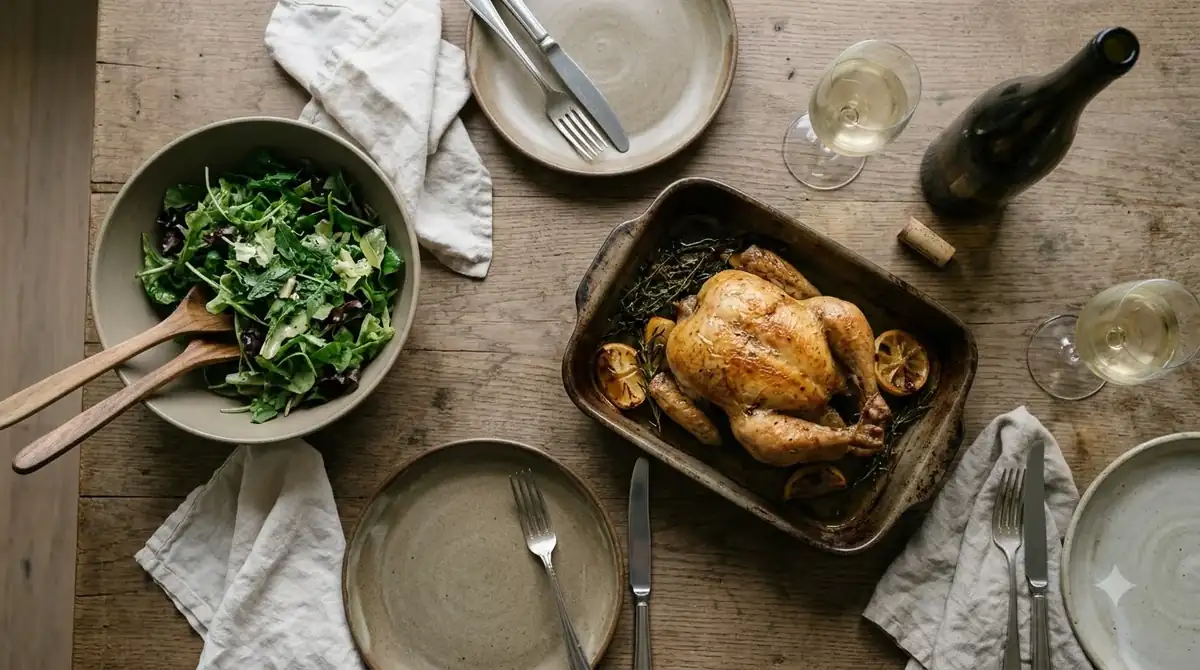
Whitehaven specifically recommends oysters, fresh seafood, Japanese cuisine, summer salads, light poultry, and salty cheeses. These suggestions make sense because the wine’s acidity and fruit character can complement delicate ingredients without overpowering them.
For oysters, a squeeze of lemon can reinforce the wine’s citrus character. Grilled white fish with herbs is another practical match because the preparation allows the wine’s freshness to remain noticeable.
Japanese dishes can work particularly well when they emphasize fresh seafood, vegetables, and lighter sauces. Sushi, sashimi, and simply prepared seafood dishes are natural options, although intensely spicy condiments should be used carefully because alcohol can amplify chili heat.
Salty cheeses offer another interesting contrast. Salt can soften the perception of acidity and make the fruit seem more expressive. Fresh goat cheese, feta, and other moderately salty cheeses can therefore make useful companions.
For a more detailed breakdown of its aromatic character, consult the Whitehaven Sauvignon Blanc tasting notes. These details can help when selecting ingredients that complement particular fruit and herbal characteristics.
Frequently Asked Questions
Is Whitehaven Sauvignon Blanc vegan-friendly?
Vegan suitability can depend on the fining and clarification materials used during production, not simply the grape variety or fermentation vessel. Whitehaven has separate information about its vegan wine offerings, but individual product status should be verified for the particular vintage rather than assumed from the brand name alone. Stainless-steel fermentation does not automatically establish vegan certification.
Does Whitehaven Sauvignon Blanc use a screw-cap closure?
Whitehaven’s published review of its 2025 wine includes a reviewer description identifying a screw-cap closure. Screw caps are widely used for fresh New Zealand white wines because they provide a practical resealing option and help protect aromatic freshness. Packaging details can still vary across markets and bottling releases.
Can Whitehaven Sauvignon Blanc be used in wine-based cooking?
Yes. A dry Sauvignon Blanc can be used in seafood sauces, light risottos, and dishes that benefit from citrus-like acidity. Its herbal and citrus characteristics can complement garlic, parsley, lemon, and shellfish. Avoid using wine that has developed unpleasant oxidative or vinegar-like aromas in a finished dish.
What is the difference between Sauvignon Blanc and Sauvignon Gris?
Sauvignon Gris is a related grape variety with a pinkish-grey skin color, while Sauvignon Blanc has green-skinned grapes. Sauvignon Gris is often associated with a somewhat rounder texture and different aromatic emphasis, although its expression varies by region and winemaking method. Whitehaven’s wine discussed here is made from Sauvignon Blanc, not Sauvignon Gris.
How much wine should be poured into a standard tasting glass?
A tasting pour of approximately 2–3 ounces is useful when comparing several wines because it leaves sufficient room for swirling and smelling. A conventional dining pour is approximately 5 ounces. These serving sizes also make it easier to compare different vintages without filling the glass too high.
Whitehaven Sauvignon Blanc is a compelling option for drinkers who appreciate dry, aromatic whites with recognizable Marlborough character. Its combination of citrus, tropical fruit, green herbs, and refreshing acidity makes it especially suitable for seafood, lighter meals, and relaxed entertaining. If you enjoy crisp New Zealand Sauvignon Blanc rather than sweet or heavily oaked whites, Whitehaven deserves a place on your shortlist. Exploring other producers, including Kim Crawford Sauvignon Blanc, can also help you discover which expression of Marlborough-style Sauvignon Blanc best matches your palate.
More in Wine Brands
 Underwood Wine Price: Compare Bottles, Cans, and Pack SizesUpdated Nov 21, 2026
 Zenato Wine Price: Compare Styles and Choose the Right BottleUpdated Nov 21, 2026
 Zuccardi Wine Price: Compare Bottles and Find the Right RangeUpdated Nov 21, 2026
 Yellow Tail Moscato Review: Taste, Sweetness and Serving TipsUpdated Nov 21, 2026
 Wolf Blass Yellow Label Review: Choose Your Best StyleUpdated Nov 21, 2026
 Wolffer Estate Rose Review: Choose the Right Bottle for Your TableUpdated Nov 21, 2026