

We may earn a commission when you buy through links on this page, at no extra cost to you. Learn more.
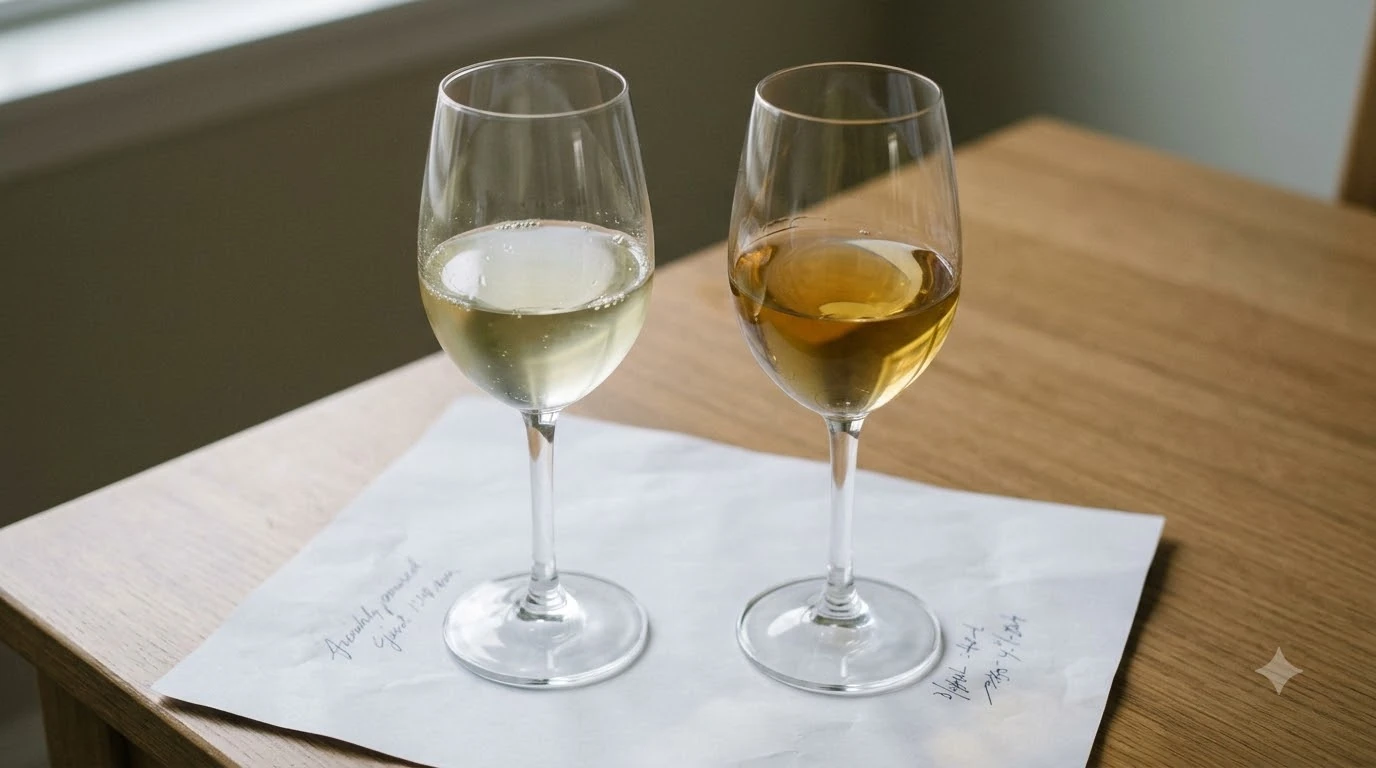
The best match for white wine with chocolate is a wine at least as sweet as the chocolate, with enough acidity to balance its creamy richness. Moscato d’Asti, late-harvest Riesling, Sauternes, and some demi-sec sparkling wines are reliable places to start. Dry Chardonnay or Sauvignon Blanc can also make interesting matches with carefully chosen white chocolate or very dark, low-sugar chocolate, but they are less forgiving with sweet desserts.
Chocolate is not one flavor or texture, and white wine is not one style. White chocolate is buttery and sweet, milk chocolate adds cocoa and caramel notes, and dark chocolate can bring pronounced bitterness and a dry finish. The best match depends on the chocolate’s sweetness, richness, cocoa intensity, and any filling, then on the wine’s sugar, acidity, body, and aroma. A few simple rules make the pairing much easier to plan.
The Sweetness Rule Sets the Foundation
The most dependable starting point is simple: the wine should be at least as sweet as the chocolate. A wine that tastes dry beside a sweet chocolate can seem thin, sharp, or bitter, while a wine with enough residual sweetness stays present through the dessert.
This is why a sweet Riesling or Moscato usually has an easier job beside a white chocolate truffle than a bone-dry Sauvignon Blanc. The chocolate leaves a substantial impression of sugar and fat on the palate. If the next sip is much less sweet, the wine’s acidity and fruit may seem exaggerated rather than refreshing. Choose the sweetness level first, then look for flavors that complement the chocolate.
Sweetness does not mean that every pairing needs a syrupy wine. A lightly sweet or off-dry white can be enough with a less-sweet white chocolate, a small chocolate bite, or a dessert built around citrus and cream. A dense white-chocolate cheesecake or a caramel-filled bar calls for a richer, sweeter wine. Match the whole dessert rather than judging from the word “chocolate” alone.
Acidity is the second part of the balance. It keeps a sweet wine from feeling heavy and can refresh the palate after a buttery or creamy bite. A sweet Riesling with lively acidity can therefore feel brighter than a wine with similar sweetness but less freshness. The goal is not to make the wine taste tart; it is to keep the combination from becoming cloying.
White Wine Styles That Work Best
For most chocolate pairings, begin with an aromatic or dessert-style white that has visible sweetness and refreshing acidity. Moscato d’Asti, off-dry or late-harvest Riesling, Gewürztraminer, Sauternes, and ice wine each offer a different balance of fruit, perfume, and richness.
Moscato d’Asti is a friendly first choice for white chocolate, vanilla creams, and fruit-topped desserts. Its fragrant grape and peach character can echo the vanilla and dairy notes in the chocolate, while its gentle sparkle brings lift to a rich mouthful. Choose a sweeter style when the chocolate is especially sugary; a very dry sparkling wine may feel austere by comparison.
Riesling is versatile because the grape can be made in dry, off-dry, and sweet styles. With chocolate, look for a bottle whose sweetness is clear enough to meet the dessert: late-harvest Riesling and sweeter German styles are safer starting points than a bone-dry example. Lime, peach, apricot, and floral notes can work with white chocolate, citrus peel, berries, or fruit-filled pralines. Its acidity is particularly useful with cream-based desserts.
Gewürztraminer is worth considering when the chocolate includes lychee, rose, ginger, or warm spice. A late-harvest or sweet bottling can meet a sweet filling while the grape’s floral and spice notes add another layer. For a more luxurious dessert, Sauternes brings honeyed fruit and a rich texture that suits white chocolate, baked custards, and cream-heavy pastries. Ice wine can also work with small, intense sweets because it concentrates fruit and sweetness; serve it in modest pours so the wine does not overwhelm the chocolate. Moscato tends to feel bright and aromatic, Riesling often combines sweetness with pronounced acidity, and botrytized wines such as Sauternes can feel broader and more concentrated. Decanter’s wine-and-chocolate pairing discussion also highlights fruitiness, acidity, and texture as useful points of comparison.
Pairing White Wine With White Chocolate
White chocolate is usually the easiest place to begin with white wine because its main impressions are cocoa butter, milk, vanilla, and sugar rather than the bitterness of cocoa solids. A wine with matching sweetness and a fresh finish can complement its creamy texture without adding a competing tannic sensation.
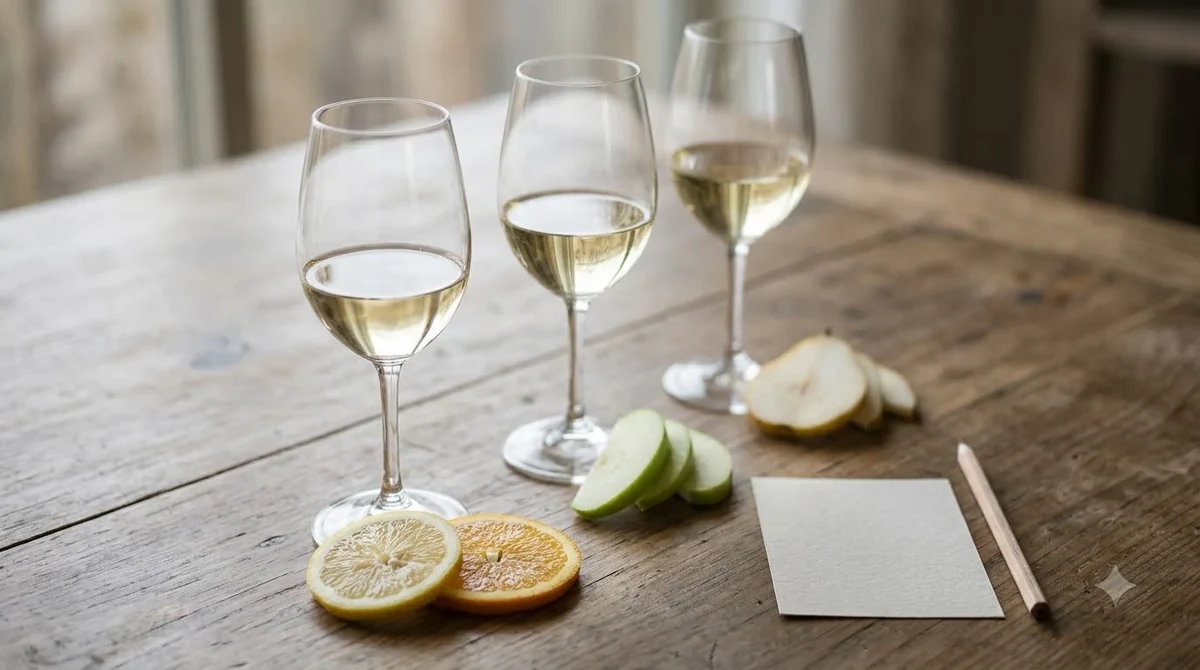
For a straightforward pairing, serve white chocolate with Moscato d’Asti or a sweet Riesling. Moscato’s floral and peach notes can meet vanilla and cream, while Riesling’s acidity can keep a white-chocolate mousse or ganache from feeling too heavy. If the chocolate contains lemon, orange, or another citrus element, a fruit-forward white with bright acidity can pick up that flavor. The sweetness still matters: the wine should not taste noticeably drier than the dessert.
A richer white chocolate dessert can handle a more substantial wine. Sauternes, a sweet Gewürztraminer, or a concentrated late-harvest Riesling can match a thick white-chocolate cheesecake or a pastry filled with white-chocolate cream. For a lighter dessert, a sweeter sparkling wine may offer enough lift without burying delicate flavors. A demi-sec style is a better first experiment than a very dry Brut when the chocolate is distinctly sweet.
Dry Chardonnay and Sauvignon Blanc are possible, but they are not universal answers. A crisp Sauvignon Blanc can echo lemongrass, lime, or citrus in a white chocolate bar, and an unoaked Chardonnay can provide apple-like freshness beside a modest portion. Yet a dry wine may seem sour next to a sugary truffle. Use these drier styles when the chocolate is subtle, the portion is small, or the contrast is deliberate; choose a sweet style for a classic dessert pairing. Wine Enthusiast’s guide to wine and chocolate also points to citrus and vanilla details as useful clues when choosing a white wine.
Milk Chocolate, Nuts, and Filled Chocolates
Milk chocolate has more cocoa flavor than white chocolate but retains a creamy, sweet profile, so it can work with aromatic whites that have a little body and enough sweetness. Fillings matter just as much: caramel, nuts, dried fruit, and citrus can shift the best match away from the base chocolate alone.
For plain milk chocolate, start with a sweeter Riesling or a rounded, slightly sweet white. A wine with peach, apricot, honey, or floral notes can complement the milk and cocoa, while lively acidity prevents the combination from feeling flat. A richer white such as Viognier or Pinot Gris with some oak influence may suit a milk-chocolate piece with toasted nuts, especially when the wine has ripe fruit and enough weight to meet the filling. These fuller whites are better with a substantial chocolate than with a delicate square.
Think of the filling as a second ingredient to match. Hazelnut and almond pralines can work with wines that show toasted, honeyed, or nut-like notes; dried apricot or orange filling may suit a sweet Riesling or Gewürztraminer with matching fruit and spice. Caramel points toward a wine with honey, baked apple, or lightly oxidative notes. If the confection is heavily salted, salt can make the wine seem rounder, but the wine still needs enough sweetness to hold its own.
Start by identifying whether the filling is sweeter, more acidic, or more bitter than the chocolate shell. A tart raspberry center can make a low-acid wine feel dull, while a very sweet caramel center can expose dryness in the glass. Try the wine with the chocolate shell and then with the filling in the same bite. For another sparkling option, the guide to Prosecco with chocolate can help compare fruit, bubbles, and sweetness, though the sweetest chocolate may call for a sweeter sparkling style than a dry bottle.
Dark Chocolate and Dry White Wine
Dark chocolate is the most challenging style for white wine because cocoa bitterness and dryness can make a lean wine seem even sharper. Sweet whites remain the safer choice, particularly with chocolate desserts, but a dry white can work in a narrow set of pairings where bitterness, salt, and texture are carefully balanced.
For dark chocolate above roughly 70% cacao, first consider a sweet, concentrated white such as Sauternes, late-harvest Riesling, or a richer botrytized wine. The wine needs enough sweetness and body to stay present beside roasted cocoa flavors. Very bitter chocolate at 85% or 90% cacao may be less sugary than milk chocolate, but that does not make every dry wine a good match: the cocoa can still make a lean white feel sour or hollow. A small bite of dark chocolate with a sweet wine is a safer opening move.
Some dry whites make a more experimental match with very dark chocolate, especially if the chocolate is not particularly sweet and includes sea salt. A fuller Chardonnay with texture and firm acidity can create a vivid contrast to an intense cocoa bar; a lightly skin-contact white can also work with salted dark chocolate when it has bright fruit rather than harsh bitterness. Treat these as deliberate contrast pairings, not the standard choice for a sweet chocolate cake. If the wine tastes sour after the first bite, switch to a sweeter bottle.
When the menu turns toward bold reds, tannin becomes a different consideration. Cabernet Sauvignon is high in tannin, while Merlot is generally softer and Pinot Noir is lighter; these styles can offer an alternative route with selected chocolate desserts. The separate guides to Cabernet Sauvignon with chocolate and Malbec with chocolate explain why fruit, body, and tannin need to be weighed against cocoa bitterness. For a broader comparison of grape varieties and styles, see Wine by Type.
Serving Temperature and a Simple Tasting Method
Serve white wines cool enough to feel fresh but not so cold that their aromas disappear. Sweet white wines generally show well at 43–50°F, while lighter dry whites suit 45–50°F and fuller whites are better around 50–55°F; sparkling wines can be served at 40–50°F.
Use the table as a practical starting point, not as a substitute for matching the wine to the dessert. The sweet-wine ranges are especially useful for chocolate, since sweetness and acidity need to remain perceptible. A glass that is too cold can mute peach, honey, floral, or citrus aromas; a glass that is too warm can make sweetness and alcohol seem heavier than intended.
| Wine style | Chocolate to try | Serving temperature |
|---|---|---|
| Moscato d’Asti or sweet Riesling | White chocolate, vanilla cream, fruit truffles | 43–50°F |
| Late-harvest Riesling or sweet Gewürztraminer | White chocolate, milk chocolate, citrus or spice fillings | 43–50°F |
| Sauternes or another rich sweet white | White-chocolate cheesecake, ganache, concentrated dark chocolate in small portions | 43–50°F |
| Demi-sec sparkling white | White chocolate, mousse, creamy pastries | 40–50°F |
| Dry Sauvignon Blanc or Chardonnay | Less-sweet white chocolate or very dark chocolate with salt | 45–50°F for light Sauvignon Blanc; 50–55°F for full Chardonnay |
Keep the portions small and taste from lighter to darker. Begin with a plain white chocolate square and a small pour of Moscato or Riesling, then move to milk chocolate with a nut or caramel filling, and finish with dark chocolate. A 5-ounce pour is a standard wine serving, but a pairing flight can use much smaller samples; a 750-milliliter bottle contains about five standard 5-ounce glasses.
Tip: Taste the wine alone, take one small bite of chocolate, then taste the wine again. Notice whether the wine becomes sharper, flatter, or more balanced; if it turns sour or bitter, choose a sweeter or fuller-bodied style rather than adding another flavor to the plate.
For a group tasting, offer two whites side by side instead of asking guests to judge a long lineup from memory. A sweet Riesling and a demi-sec sparkling wine can reveal how acidity, bubbles, and sweetness affect the same chocolate. Put out water and plain crackers between samples, and leave the strongest cocoa bars until last so their bitterness does not dominate the earlier pairings.
Frequently Asked Questions
These quick answers cover common choices and serving decisions that arise after the chocolate is selected.
Which white wine is best with white chocolate?
Moscato d’Asti and sweet Riesling are the most approachable starting points because they bring fruit and enough sweetness for many white-chocolate desserts. White chocolate contains cocoa butter rather than the nonfat cocoa solids that give dark chocolate much of its color and bitter edge. For a richer dessert, Sauternes can provide more concentration.
Can dry white wine go with chocolate?
Yes, but treat it as an experiment rather than the default. Wine Enthusiast describes a pairing of an 85% dark chocolate bar with Oregon Chardonnay, crediting the wine’s bright acidity, salty impression, and texture. That specific contrast is not a general rule for sweet chocolate cake.
Does sparkling wine pair with white chocolate?
Yes. A demi-sec sparkling wine can match the sugar and creaminess, while its bubbles refresh the palate. In a sensory study comparing 14 sparkling wines with five chocolate types, the white chocolate sample’s strongest match was a demi-dry Chardonnay sparkling wine, with a reported association score of 7.22.
What white wine goes with milk chocolate?
Try an off-dry Riesling, sweet Gewürztraminer, or a richer Viognier with enough fruit to match the cocoa and milk. As a non-white-wine alternative, Decanter’s pairing expert suggests Amontillado Sherry, a fortified wine with nutty complexity, for milk chocolate containing almonds or hazelnuts. For a very sweet bar, choose clear residual sweetness rather than a crisp, bone-dry white.
How long can I keep an opened white wine for another chocolate tasting?
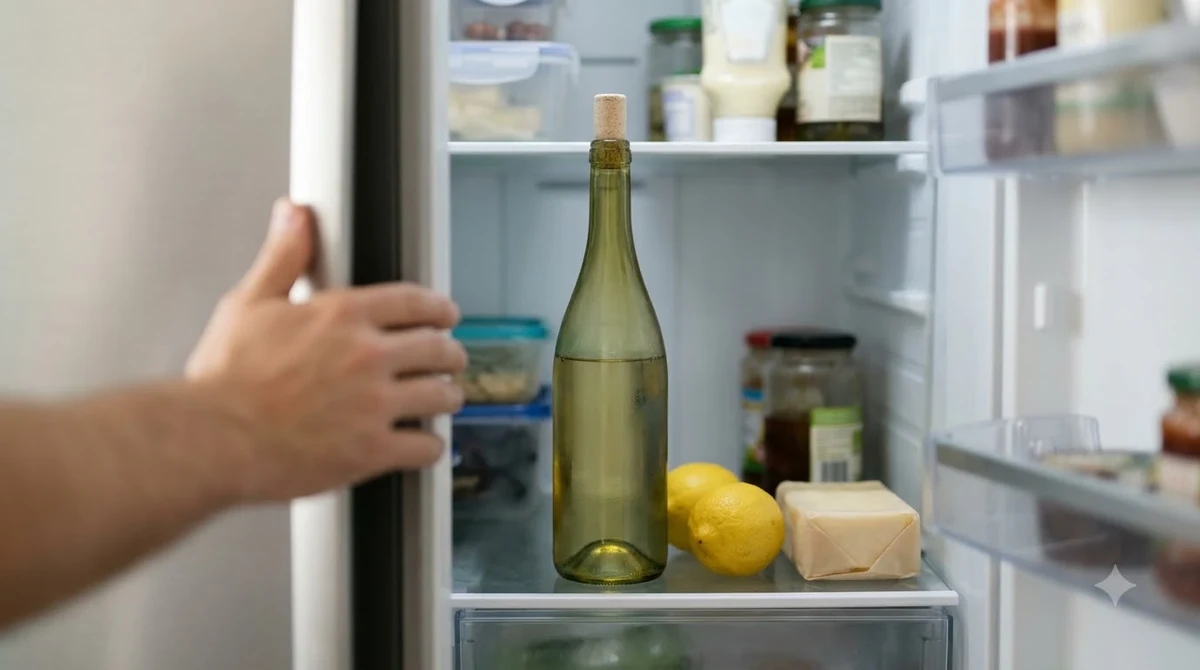
Recork the bottle and store it in the refrigerator. Most opened still wines keep for about 3–5 days under refrigeration, although freshness fades at different rates depending on the wine and how much air remains in the bottle. Recheck the aroma and flavor before serving it again.
White wine can be an excellent partner for chocolate when sweetness, acidity, and texture are considered together. Start with Moscato or Riesling for an easy match, move to richer dessert whites for dense sweets, and reserve dry whites for carefully chosen contrasts. A small side-by-side tasting will quickly show which combination leaves both the wine and the chocolate tasting balanced.
More in Wine Types & Grapes
 Zinfandel Sugar Content: Dry Red vs. White Zinfandel GramsUpdated Nov 21, 2026
 Best Zinfandel Substitute Options for Sipping and CookingUpdated Nov 21, 2026
 Zweigelt Food Pairing: Best Dishes, Cheeses, and Serving TipsUpdated Nov 21, 2026
 Zinfandel Tannins Explained: How Structure Shapes Every BottleUpdated Nov 21, 2026
 Zinfandel Sweetness Level: Dry Red vs. Sweet White Zin ExplainedUpdated Nov 21, 2026
 Xinomavro Food Pairing: Best Dishes, Styles, and Serving TipsUpdated Nov 21, 2026