

We may earn a commission when you buy through links on this page, at no extra cost to you. Learn more.
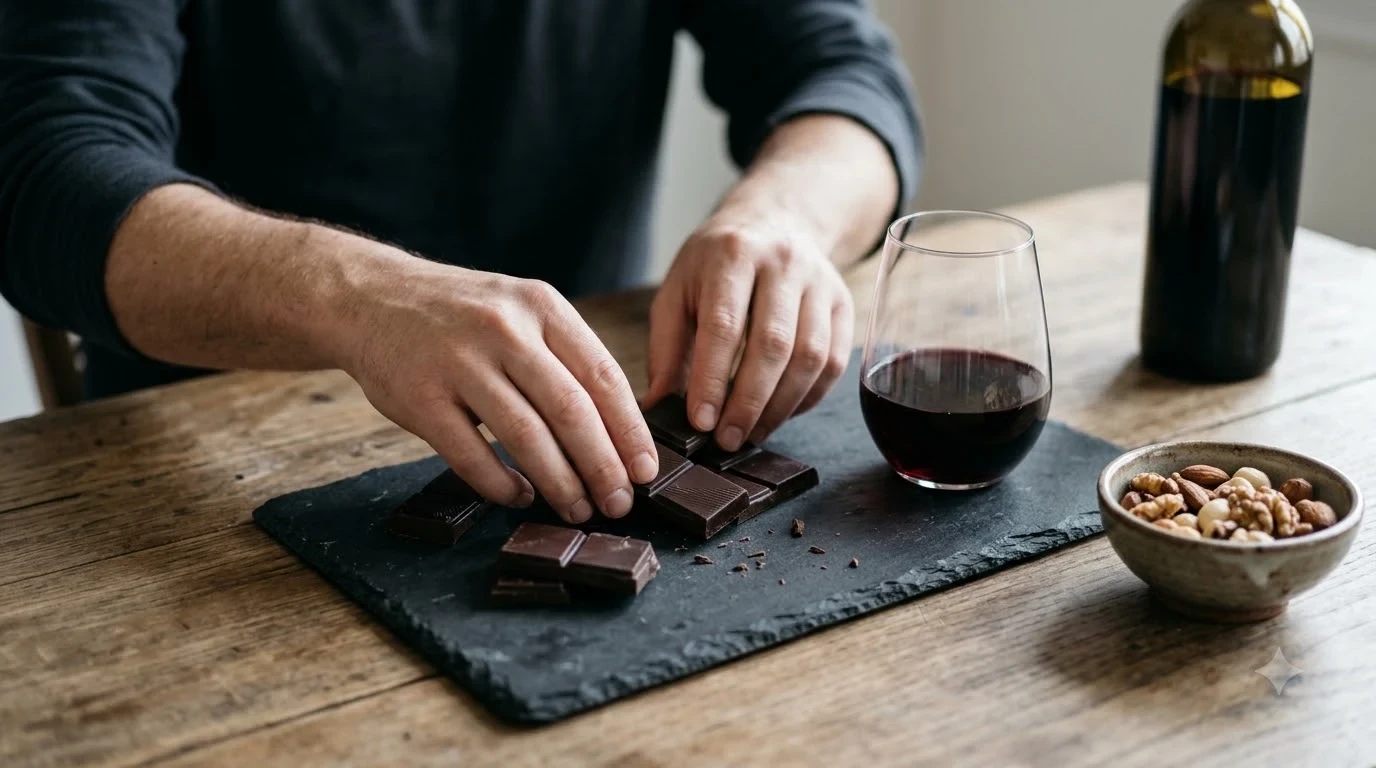
Pairing malbec with chocolate works best when you match a fruit-forward, medium-tannin bottle with dark chocolate containing 70% or higher cacao. Because both wine and cacao contain naturally occurring polyphenols, high-cacao dark chocolate softens the grip of the wine while avoiding the sour clash caused by overly sweet confections. Aim for rich, oak-aged styles from Argentina rather than overly rustic versions to bring out shared notes of cocoa, vanilla, and ripe black plum.
Chocolate and dry red wine have a reputation as a classic duo, yet putting the wrong bar next to the wrong glass can make a fine bottle taste sharp, thin, or overly bitter. Understanding how cacao percentage, sugar levels, and oak aging interact on your palate makes it much easier to turn this pairing from a gamble into a reliable after-dinner treat.
Why Malbec and Chocolate Work Together
Malbec succeeds alongside chocolate because its plush dark fruit flavors and moderate tannin structure mirror the natural flavor compounds found in fermented cacao beans. Unlike sharper, high-acid reds that turn sour against sweets, a ripe bottle offers enough perceived fruit sweetness to hold its own.
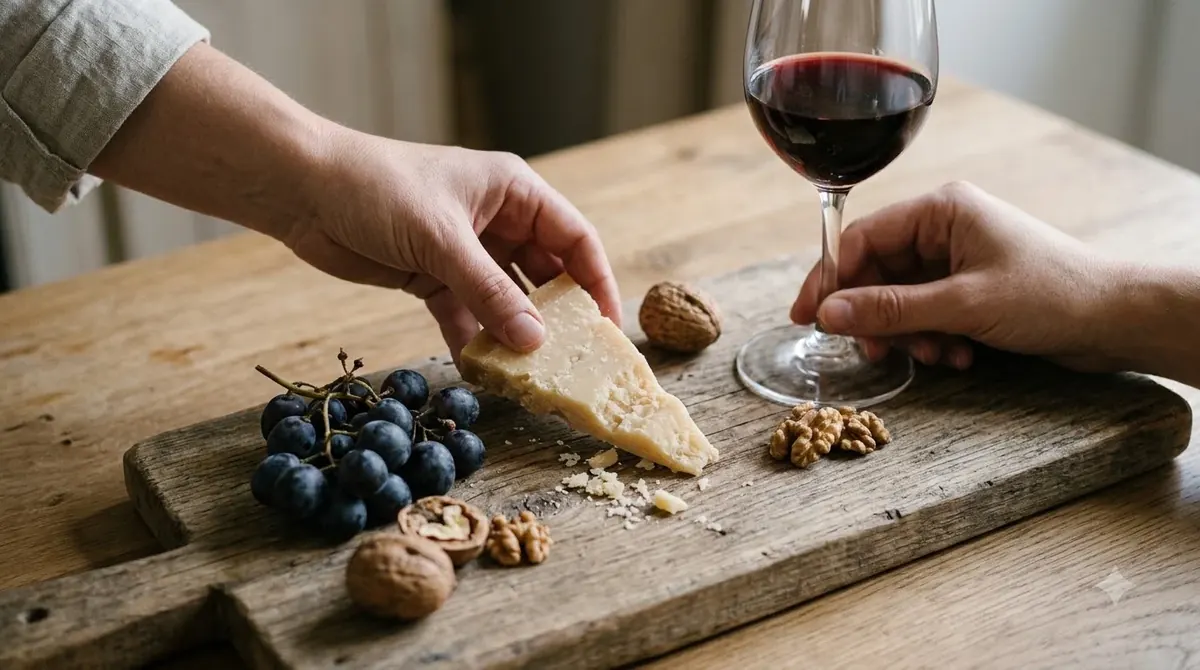
As Wine Folly notes in its comprehensive guide to the grape, malbec typically delivers a full body, medium tannins, medium-low acidity, and an alcohol range between 13.5% and 15% ABV. Those ripe flavors of blackberry, red plum, vanilla, sweet tobacco, and natural cocoa align closely with the roasted aromatics of quality chocolate. When a winemaker ages the wine in oak barrels, additional notes of mocha and baking spice emerge, creating a natural flavor bridge before you even take a bite.
Texture plays an equally important role in this match. Cocoa butter coats the tongue with rich fat, which softens the grip of red wine tannins and smooths out the finish. According to VinePair, fermented cacao beans also contain natural fruitiness and polyphenols similar to those in wine grapes. Matching the physical weight of dense dark chocolate with a full-bodied red prevents either partner from overwhelming the other.
Best Types of Chocolate to Pair With Malbec
Not every style of chocolate flatters a dry red wine, and cacao percentage is the single biggest factor determining whether the pairing sings or falls flat. Bittersweet and extra-dark bars provide the necessary depth and lower sugar levels required to keep the wine tasting lush.
Dark chocolate with 70% to 85% cacao is the sweet spot for most bottles. At this concentration, reduced sugar keeps the wine from tasting harsh or overly acidic, while the pronounced cacao bitterness meets the wine’s ripe black fruit and malbec alcohol content head-on. Adding a pinch of flaky sea salt to dark chocolate sharpens the fruit flavors in the glass even further and smooths out any lingering astringency.
Milk chocolate and white chocolate present much steeper challenges for dry reds. Because milk chocolate contains substantially more sugar and milk solids, it can make a dry red wine taste stripped, sour, and unpleasantly tannic by comparison. White chocolate lacks cacao solids entirely and relies heavily on cocoa butter and vanilla sugar, making it far better suited to aromatic whites or sparkling wines than to bold reds.
| Chocolate Style | Cacao Range | Pairing Compatibility | Flavor Interaction |
|---|---|---|---|
| Extra-Dark Chocolate | 80% to 90% | High (with ripe styles) | Intense bitterness demands a plush, oak-aged bottle with bold dark fruit. |
| Bittersweet Dark Chocolate | 70% to 79% | Ideal | Balanced cacao and moderate sugar highlight plum, cocoa, and spice notes. |
| Semisweet Dark Chocolate | 55% to 69% | Moderate | Higher sweetness can make drier, less fruity bottles taste slightly tart. |
| Milk Chocolate | 30% to 45% | Low | High sugar and dairy clash with dry tannins, making the wine taste sharp. |
| White Chocolate | 0% cacao solids | Poor | Pure cocoa butter and sugar overwhelm dry red structure; choose sweet whites instead. |
Regional Styles: Argentine vs. French Malbec
Where your bottle was grown dramatically changes how it interacts with dark chocolate, with high-altitude Argentine bottles offering a much softer, fruitier profile than traditional French versions. Choosing the right origin helps ensure the wine has enough ripe fruit to balance bitter cacao.
In Argentina—particularly in high-elevation regions of Mendoza like Luján de Cuyo and the Uco Valley—intense sunlight ripens the grape’s thick skins completely. This produces plush, fruit-forward wines brimming with blackberry, black cherry, and velvety tannins. Bottles that spend 12 to 20 months in oak barrels develop rich mocha and chocolate accents that meld effortlessly with bittersweet truffles or dark bark.
In Cahors, the grape’s ancestral home in Southwest France where it is also known as Côt, the cooler climate yields a markedly different style. French versions tend to be leaner, earthier, and firmer in tannin, with savory notes of leather, black pepper, and tart red fruit. Because those firmer tannins and lower fruit sweetness can collide with the polyphenols in dark chocolate, Argentine bottlings generally make a safer and more harmonious choice for dessert.
How to Serve Malbec and Chocolate Together
Serving both the wine and the chocolate at their proper temperatures allows their aromatics to open up and prevents cold fat or warm alcohol from dulling the pairing. A few small adjustments before pouring will make a noticeable difference on the palate.
Serve your bottle slightly below standard room temperature, ideally between 60°F and 68°F (15°C to 20°C). If the wine is too warm, the alcohol can feel hot and accentuate bitterness in high-cacao chocolate; if it is too cold, the tannins will taste tight and astringent. Giving a younger, oak-aged bottle about 30 minutes in a decanter softens its edges and brings forward lush vanilla and berry aromas.
Chocolate temperature matters just as much as wine temperature. Avoid serving dark chocolate straight from the refrigerator, where cold temperatures lock up the cocoa butter and mute its flavor. Let dark chocolate rest at a cool room temperature around 65°F to 70°F so it begins to melt smoothly on your tongue right as you take a sip. If you are hosting a tasting flight, organize the progression from lower-cacao dark chocolates to higher-cacao bars so the most intense bitterness comes last.
Tip: Take a small bite of dark chocolate and let it melt halfway on your tongue before sipping the wine—coating your palate with cocoa butter first cushions the wine’s tannins and amplifies its dark berry fruit.
Creative Chocolate Pairings Beyond Plain Bars
Once you master the baseline match of dark chocolate bars, adding complementary savory, fruity, or spiced inclusions can make the pairing even more dynamic. Think of chocolate as a carrier for flavors that already echo the tasting notes in your glass.
Dark chocolate studded with dried cherries, raspberries, or blackberries creates an immediate mirror effect with the wine’s natural fruit profile. Similarly, dark chocolate infused with warm baking spices—such as cinnamon, clove, or a subtle hint of chili—plays directly into the toasted oak and pepper notes found in reserva-style bottles. Nuts like roasted hazelnuts, almonds, or pecans add earthy crunch and natural oils that further soften the wine’s finish.
When moving into baked desserts, keep sweetness levels in check so the dish does not overpower a dry red. Flourless dark chocolate torte, bitter cocoa brownies with minimal frosting, or dark chocolate ganache tarts work far better than sugary milk-chocolate layer cakes. If you enjoy comparing different bold reds with rich cocoa desserts, exploring cabernet sauvignon with chocolate offers a great contrast in how firmer tannins and higher acidity behave next to similar sweets, or you can browse broader styles in Wine by Type to see how fortified wines like Port handle ultra-sweet confections.
Frequently Asked Questions
Is malbec good with milk chocolate?
Dry malbec generally clashes with milk chocolate because the high sugar and dairy content make the wine taste sour, thin, and overly bitter. If you prefer milk chocolate, choose a softer, sweeter wine such as Ruby Port, Brachetto d’Acqui, or an off-dry Riesling instead.
What percentage of dark chocolate is best with malbec?
Dark chocolate with 70% to 80% cacao is the most reliable match. This range keeps sugar low enough that the wine retains its lush berry fruit, while providing enough rich cocoa butter to smooth out medium tannins.
Should you decant malbec before pairing it with chocolate?
Decanting a full-bodied or oak-aged bottle for about 30 minutes helps soften any firm tannins and opens up aromas of dark plum, cocoa, and spice. Lighter, unoaked bottles can be poured straight from the bottle without decanting.
How many calories are in a glass of malbec paired with dark chocolate?
A standard 5-ounce pour of dry red wine typically contains around 120 to 130 calories depending on its alcohol level, while a 1-ounce square of 70% dark chocolate adds roughly 170 calories. You can check exact figures by alcohol percentage in our guide to calories in malbec.
Finding the right match between malbec and chocolate comes down to balancing sweetness, weight, and cacao intensity rather than reaching for the sweetest treat on the table. Stick to high-cacao dark chocolate, serve both at cellar-cool temperatures, and let the wine’s ripe dark fruit and subtle cocoa notes meet the chocolate halfway.
More in Wine Types & Grapes
 What Does Mourvèdre Taste Like? Flavor Profile, Regions, and PairingsUpdated Nov 20, 2026
 What Does Marsanne Taste Like? Flavors, Styles, and Food PairingsUpdated Nov 20, 2026
 What Does Malvasia Taste Like? Styles, Flavors, and Food PairingsUpdated Nov 20, 2026
 What Does Grenache Blanc Taste Like? Flavor Profile, Styles, and PairingsUpdated Nov 20, 2026
 What Does Garnacha Taste Like? Key Flavors, Styles, and Pairing TipsUpdated Nov 20, 2026
 What Does Fruit Wine Taste Like? A Complete Flavor and Style BreakdownUpdated Nov 20, 2026