

We may earn a commission when you buy through links on this page, at no extra cost to you. Learn more.
What wine goes with swiss cheese? Pinot Noir, Chardonnay, and Riesling are among the best choices because their fruit, acidity, and balanced body complement Swiss cheese’s mild, buttery, and nutty flavors. For a classic combination, choose a fruity Pinot Noir or a crisp white Chardonnay. Sauvignon Blanc offers a fresher contrast, while off-dry Riesling works particularly well with melted Swiss cheese and rich fondue.
Swiss cheese is an adaptable partner for wine, whether served in thin slices on a cheese board, melted into a sandwich, or combined with Gruyère in a bubbling fondue. The best bottle depends on the cheese’s age, the intensity of its flavor, and what accompanies it. Understanding a few basic pairing principles makes it easy to find a wine that complements the cheese without overpowering it.
The Best Wines to Pair With Swiss Cheese
Pinot Noir is an excellent starting point for Swiss cheese, with Chardonnay and Sauvignon Blanc offering equally appealing white-wine alternatives. These varieties complement the cheese’s mellow character without overwhelming its buttery texture and subtle nuttiness. The best choice depends on whether you prefer a refreshing contrast or a softer, more harmonious match.
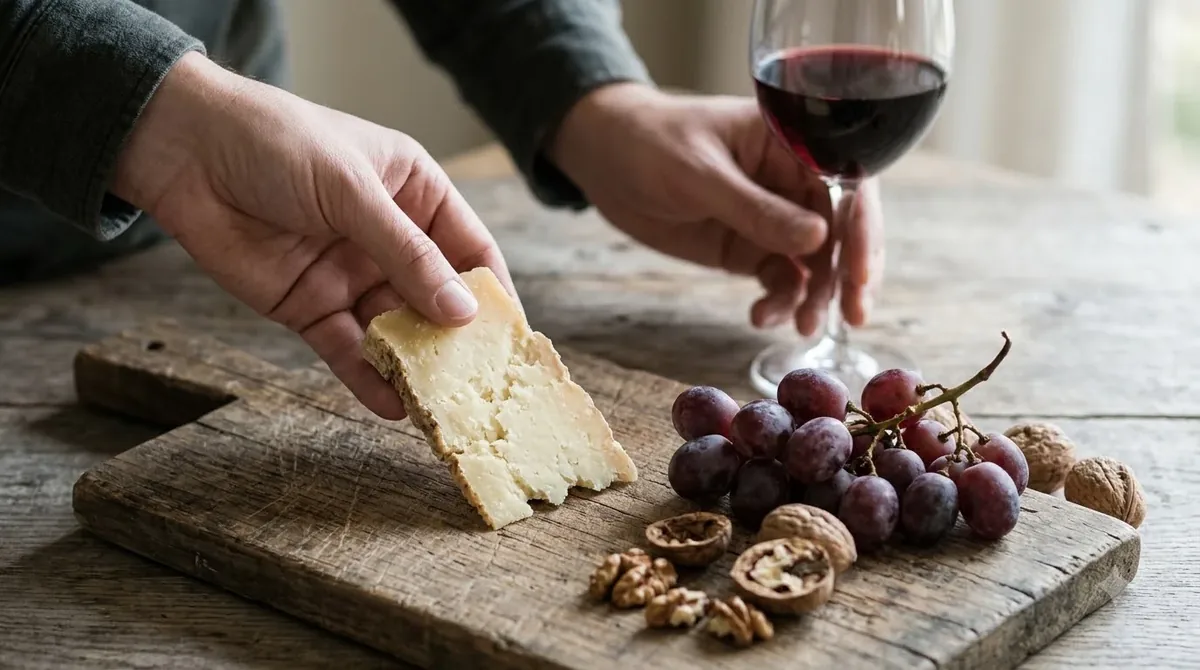
Pinot Noir is particularly successful because it combines red-fruit aromas with relatively low tannin and refreshing acidity. Its cherry, raspberry, and strawberry flavors complement the gentle nuttiness of Swiss cheese. Unlike Cabernet Sauvignon, which can have substantial tannin and a firmer structure, Pinot Noir generally allows the cheese to remain the focus. Choose a youthful, fruit-forward bottle from Oregon, California, or Burgundy for a versatile pairing.
Chardonnay is another reliable choice, especially if you enjoy a richer combination. An unoaked Chardonnay brings apple, pear, and citrus flavors that provide freshness against the cheese’s creamy texture. A lightly oaked version introduces vanilla and toast notes that work particularly well with grilled Swiss cheese sandwiches. Avoid extremely heavy, heavily oaked styles if the cheese is young and delicate, since the wine can dominate the combination.
Riesling provides another useful option. A dry Riesling offers lively acidity and citrus flavors, while an off-dry version adds a small amount of sweetness that balances salty cheese. This makes Riesling particularly versatile when Swiss cheese is served with cured meats, mustard, or savory accompaniments.
Other worthwhile choices include Beaujolais, Pinot Blanc, and Grüner Veltliner. Beaujolais offers juicy red-fruit flavors with gentle tannins, while Pinot Blanc provides a restrained, fresh white-wine alternative. Grüner Veltliner brings green apple, citrus, and subtle peppery notes that complement the cheese without creating an excessively rich pairing.
For an easy decision, start with a medium-bodied Chardonnay for a creamy preparation or Pinot Noir for a cheese board. If you prefer a lighter white wine, Sauvignon Blanc is an excellent alternative. These three styles cover most everyday Swiss cheese occasions without requiring an elaborate selection.
White Wines That Complement Swiss Cheese
White wine is especially versatile with Swiss cheese because it generally has little or no tannin and can provide refreshing acidity against the cheese’s buttery richness. Chardonnay, Sauvignon Blanc, and Riesling each offer a different balance of fruit, freshness, and texture.
Chardonnay is a particularly good match for melted Swiss cheese. Its apple, lemon, pear, and sometimes vanilla flavors complement the cheese’s mild, buttery profile. Unoaked Chardonnay is a natural choice for young Swiss cheese served cold, while lightly oaked Chardonnay works nicely with toasted sandwiches, baked dishes, and mushrooms. The wine’s body should be substantial enough to match the richness of the preparation.
Sauvignon Blanc creates a more contrasting combination. Its high acidity and citrus-driven flavors refresh the palate after bites of cheese. Look for bottles from Marlborough in New Zealand, California, or the Loire Valley in France. A Sauvignon Blanc with grapefruit, lime, and green-herb notes works particularly well when Swiss cheese is served with fresh vegetables, pickles, or a salad.
Riesling is useful when the meal includes salty or strongly seasoned ingredients. Dry Riesling brings citrus and mineral characteristics, while an off-dry style introduces gentle sweetness. The balance of acidity and residual sugar makes it especially appealing with Swiss cheese sandwiches containing ham, mustard, or caramelized onions.
Pinot Blanc and Grüner Veltliner are also worth considering. Pinot Blanc is generally softer and more restrained than Sauvignon Blanc, making it suitable for delicate young cheese. Grüner Veltliner offers lively acidity and a subtle peppery quality that complements Swiss cheese on a platter with fresh fruit and crunchy vegetables.
The choice between these white wines comes down to the preparation. Chardonnay is best when richness is the dominant feature, Sauvignon Blanc provides contrast, and Riesling offers flexibility when salt and savory accompaniments become more prominent.
For additional comparisons between cheese styles, explore our guides to what wine goes with goat cheese and the broader principles of Wine Pairing.
Red Wines That Work With Swiss Cheese
Light and medium-bodied red wines are generally better choices for Swiss cheese than heavily tannic reds. Pinot Noir and Beaujolais are particularly dependable because their fruit-forward profiles and softer tannins complement the cheese’s nutty flavors without creating an excessively dry finish.
Pinot Noir is the leading red-wine choice. Its cherry, cranberry, raspberry, and earthy notes work naturally with the mild sweetness and buttery character of Swiss cheese. The grape’s relatively low-to-medium tannin level also makes it less likely to overwhelm the cheese. Try a fruit-forward Oregon Pinot Noir or a Burgundy Pinot Noir with a traditional Swiss cheese platter.
Beaujolais, made primarily from Gamay, is another excellent option. Its juicy red-fruit flavors, fresh acidity, and generally gentle tannins make it particularly suitable for young and medium-aged Swiss cheese. Serve it slightly cool to emphasize its freshness. This pairing is especially enjoyable with sliced cheese, toasted bread, grapes, and mild cured meats.
Merlot offers a fuller alternative. Its softer tannins and plum, cherry, and blackberry flavors can complement Swiss cheese in richer preparations. A medium-bodied Merlot is especially appealing with a hot sandwich containing roast beef, mushrooms, and melted Swiss cheese. Choose a fruit-forward example rather than an excessively powerful, heavily extracted style.
Syrah and Cabernet Sauvignon require more care. Their higher tannin levels and stronger structures can overwhelm young Swiss cheese, particularly when it is served without substantial accompaniments. However, a firm, aged Swiss cheese with pronounced nutty flavors can handle a more substantial red wine. If choosing Cabernet Sauvignon, serve it with an aged cheese and a substantial accompaniment such as grilled bread or roasted meat.
It is also important to consider serving temperature. Pinot Noir and Beaujolais are generally most enjoyable at 55–60 degrees Fahrenheit, rather than at warm room temperature. A slightly cool serving temperature emphasizes fresh fruit and prevents the alcohol from dominating the pairing.
Wine Folly’s wine and cheese pairing recommendations also identify Pinot Noir and Beaujolais as suitable partners for nutty, medium-firm cheeses, including Swiss and Gruyère.
Choosing Wine for Young and Aged Swiss Cheese
The age of Swiss cheese changes its flavor intensity, texture, and ideal wine companion. Young Swiss cheese is mild and buttery, while aged versions become firmer and more pronounced in their nutty, savory, and sometimes piquant characteristics. Matching the wine to the cheese’s maturity helps maintain balance.
Young Swiss cheese usually has a smooth, supple texture and a gentle flavor. It pairs particularly well with Sauvignon Blanc, unoaked Chardonnay, Pinot Blanc, and light Pinot Noir. These wines provide enough character to complement the cheese without masking its delicate flavor. A crisp white is especially appealing when young Swiss cheese is served cold with apple slices or fresh grapes.
Medium-aged Swiss cheese develops more noticeable nuttiness and a firmer texture. This style offers greater flexibility because it can accommodate both white and red wines. Chardonnay, dry Riesling, Pinot Noir, and Beaujolais are all suitable options. A lightly oaked Chardonnay can echo toasted and buttery flavors, while Pinot Noir adds a complementary red-fruit character.
Aged Swiss cheese has a firmer consistency and more concentrated nutty, savory flavors. It can support wines with greater body and intensity. Try a fuller Chardonnay, a structured Pinot Noir, or a medium-bodied Merlot. For particularly firm, piquant cheese, a more substantial red may work, provided the cheese has enough richness to soften the wine’s tannins.
The following table provides practical starting points for selecting wine according to cheese style and serving occasion. The suggested temperatures follow standard wine-serving ranges.
| Swiss Cheese Style | Recommended Wine | Serving Temperature | Best Occasion |
|---|---|---|---|
| Young Swiss | Sauvignon Blanc | 45–50°F | Cold cheese boards |
| Young Swiss | Unoaked Chardonnay | 50–55°F | Light sandwiches |
| Medium-aged Swiss | Pinot Noir | 55–60°F | Cheese and charcuterie |
| Medium-aged Swiss | Dry Riesling | 45–50°F | Fruit and savory snacks |
| Aged Swiss | Merlot | 60–65°F | Hearty cheese platters |
| Aged Swiss | Fuller Chardonnay | 50–55°F | Grilled cheese dishes |
| Rich melted Swiss | Off-dry Riesling | 45–50°F | Fondue and hot dishes |
These temperatures are starting points rather than rigid requirements. A particularly rich Chardonnay may benefit from being served toward the warmer end of its range, while a fruit-forward Pinot Noir can be refreshing at the cooler end. The important consideration is keeping the wine’s fruit, acidity, and structure in balance with the cheese.
For a mixed cheese board, medium-aged Swiss is often the most flexible option. It has enough flavor to stand alongside fruit and cured meat but remains mild enough for a variety of wines.
Wine Pairings for Swiss Cheese Fondue and Other Dishes
Swiss cheese behaves differently when melted, particularly in fondue, grilled sandwiches, and baked dishes. Heat changes the texture and emphasizes the cheese’s buttery richness, so wines with refreshing acidity or gentle fruit sweetness often work better than very powerful reds.

Swiss cheese fondue is traditionally paired with dry or fruity white wines, particularly Chasselas from Switzerland. Chasselas is a light-bodied white grape associated with the country’s western wine regions. Its restrained fruit character and refreshing profile make it a natural companion for traditional melted-cheese preparations.
Switzerland Tourism recommends Chasselas from the Trois-Lacs region or the Côte vaudoise for moitié-moitié fondue, a traditional combination of Gruyère and Vacherin Fribourgeois. Its guidance also suggests choosing a fruity, relatively low-tannin Pinot Noir when smoked ham is added to fondue. These regional recommendations demonstrate why the ingredients in a dish should influence the wine selection as much as the cheese itself. See Switzerland Tourism’s recommendations for wine with cheese fondue for further regional pairing ideas.
Grilled Swiss cheese sandwiches call for wines that can handle toasted bread, melted butter, and sometimes ham or mustard. Chardonnay is an excellent choice because its fruit and moderate acidity complement the richness of the filling. Pinot Noir is another good option, particularly when the sandwich includes mushrooms or roast beef.
Swiss cheese burgers introduce additional flavors from grilled meat, onions, sauces, and toasted buns. A medium-bodied Merlot is a sensible choice because its softer tannins and ripe fruit complement the savory ingredients. Pinot Noir also works well with a lighter burger, especially one topped with mushrooms or caramelized onions.
Quiche and baked dishes containing Swiss cheese benefit from white wines with enough acidity to balance their creamy fillings. Chardonnay pairs well with mushroom quiche, while Sauvignon Blanc provides a fresher contrast for preparations containing spinach, herbs, or vegetables. Dry Riesling is another useful option when the dish includes bacon or salty seasonings.
For a simple rule, consider the dominant ingredient beyond the cheese. Butter and cream favor Chardonnay, herbs and vegetables favor Sauvignon Blanc, and smoky meats can support Pinot Noir or Merlot. A dish with chili heat requires additional care because alcohol and tannin can amplify the sensation of spice.
If your meal includes a baked pasta dish, you can also compare these suggestions with our guide to what wine goes with mac and cheese, where the same principles of acidity, texture, and richness apply.
Serving Wine and Building a Swiss Cheese Board
Serving temperature, portion size, and accompaniments can make a noticeable difference to a Swiss cheese pairing. Even a well-chosen bottle may seem less balanced if served too warm or too cold. A thoughtfully arranged cheese board also provides different flavors and textures that make the wine more enjoyable.
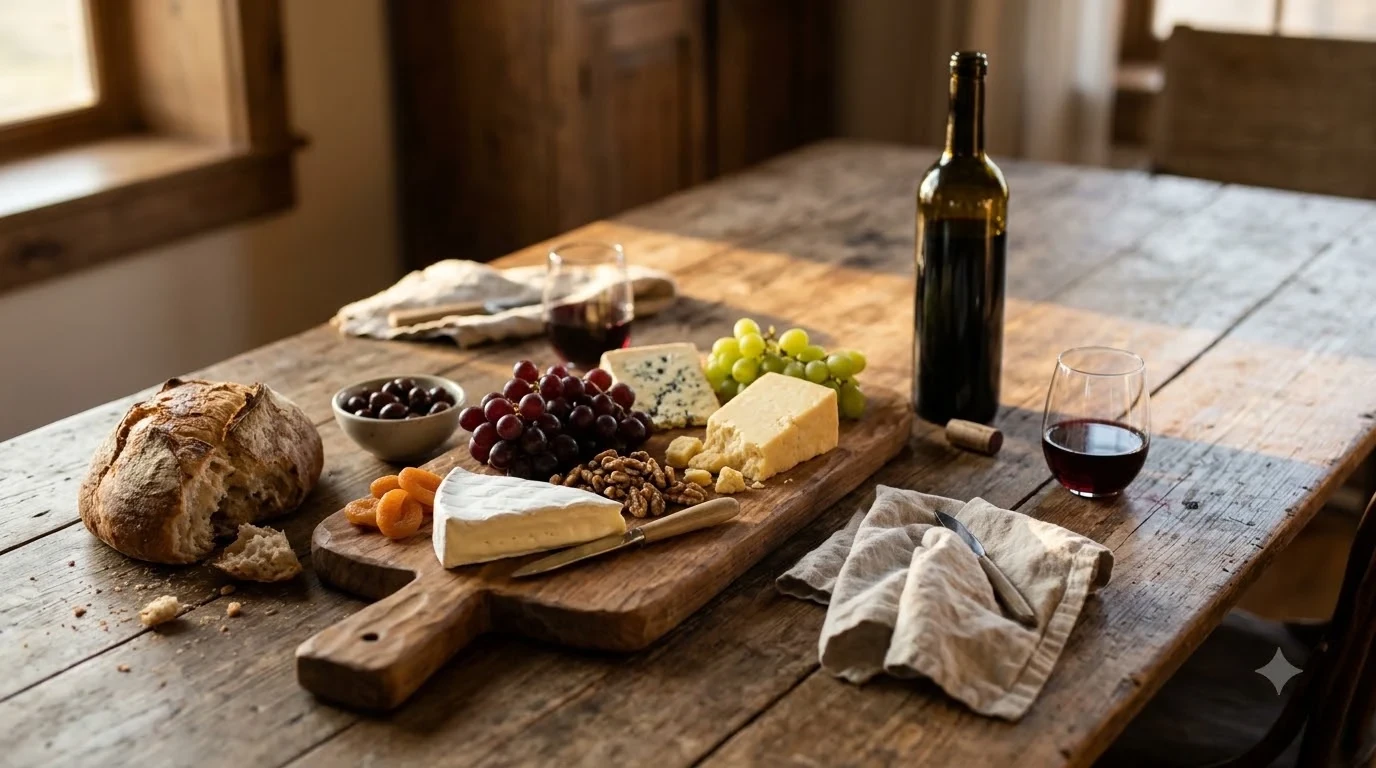
For a cheese board, start with young or medium-aged Swiss cheese cut into thin slices or small cubes. Add fresh apple wedges, pear slices, grapes, toasted almonds, and cashews. These ingredients complement the cheese’s buttery and nutty qualities while introducing different textures. A few slices of cured ham or salami can provide a savory contrast, particularly alongside Pinot Noir or Riesling.
Pickled vegetables, cornichons, and mild mustard are useful additions because their acidity and sharpness contrast with the cheese’s richness. Rye bread, pumpernickel, seeded crackers, and a simple baguette provide a neutral base. Dried apricots and figs add sweetness, especially when the board includes a dry white wine.
Keep the number of accompaniments manageable. Two or three complementary additions are often more effective than filling the board with strongly flavored condiments. Very hot mustard, spicy sauces, and heavily seasoned meats can dominate the delicate character of young Swiss cheese and make the wine taste less balanced.
For wine service, use the following standard temperature ranges:
- Sparkling wine: 40–50°F.
- Light white wines and rosé: 45–50°F.
- Fuller-bodied white wines: 50–55°F.
- Light red wines: 55–60°F.
- Full-bodied red wines: 60–65°F.
- Sweet white wines: 43–50°F.
A standard wine pour is approximately 5 ounces, and a 750-milliliter bottle provides about five glasses. For a small gathering, one bottle of white wine and one bottle of light red wine give guests two distinct pairing options. This is particularly helpful when serving both young and aged Swiss cheese.
Tip: If you are serving just one wine with Swiss cheese, choose a fruit-forward Pinot Noir or a balanced Chardonnay. Serve the Pinot Noir at approximately 55–60°F or the Chardonnay at 50–55°F. These styles are versatile enough for a cheese board, sandwiches, and many everyday preparations.
Allow refrigerated cheese to lose some of its chill before serving so its buttery and nutty flavors are easier to appreciate. Arrange the wine and cheese together, and taste a small piece of cheese before taking a sip. This makes it easier to recognize whether the wine is refreshing the palate, complementing the cheese, or overpowering it.
Frequently Asked Questions
Is Champagne good with Swiss cheese?
Yes. Traditional-method Champagne and other bottle-fermented sparkling wines can pair nicely with Swiss cheese. Their bubbles and acidity provide a refreshing contrast to the cheese’s creamy texture. Blanc de Blancs Champagne, made entirely from Chardonnay, is a particularly interesting option because its citrus and brioche characteristics complement nutty cheese.
Does Prosecco pair well with Swiss cheese?
Yes. Prosecco is made primarily from Glera grapes using the tank method, which preserves fresh fruit aromas. Its apple, pear, and citrus notes work well with mild Swiss cheese served as an appetizer. Choose a Brut style for a drier pairing or Extra Dry if you prefer a slightly softer impression of sweetness.
Can rosé wine go with Swiss cheese?
Dry rosé is a pleasant alternative, particularly with young Swiss cheese served alongside fresh fruit and cured meats. Its strawberry, watermelon, and citrus notes provide freshness without the tannic structure of many red wines. Serve a light rosé at approximately 45–50°F for a refreshing cheese-board combination.
Should Swiss cheese be served before or after wine?
There is no required order, but tasting the cheese first provides a useful way to assess the pairing. A small bite followed by a sip allows the wine’s acidity, fruit, and tannins to interact with the cheese. In a traditional European meal, a cheese course may also be served after the main course and before or after dessert, depending on the dining custom.
Does Swiss cheese pair with dessert wine?
It can, particularly when the cheese is aged and served with dried fruit, toasted nuts, or honey. A late-harvest Riesling offers concentrated fruit and sweetness that can complement the stronger savory character of mature cheese. For ordinary young Swiss cheese, however, a dry or lightly off-dry wine is generally a more balanced choice.
Pinot Noir, Chardonnay, and Riesling are dependable choices for Swiss cheese, with Sauvignon Blanc and Beaujolais providing additional variety. Match the wine to the cheese’s age and preparation, paying attention to acidity, tannin, and richness. Whether you are preparing a simple cheese board or traditional Swiss fondue, the right bottle can make the meal more balanced and enjoyable.
More in Food & Wine Pairing
 Risotto With White Wine Recipe: Make a Creamy Dinner at HomeUpdated Nov 20, 2026
 Wassail With Wine Recipe for a Festive Spiced Holiday DrinkUpdated Nov 20, 2026
 Spritz Veneziano Recipe: Make a Classic Venetian Aperitivo at HomeUpdated Nov 20, 2026
 Summer Wine Punch Recipe for Easy Homemade EntertainingUpdated Nov 20, 2026
 Bishop Recipe: How to Make a Bright, Citrus-Forward Red Wine CocktailUpdated Nov 20, 2026
 Wine Cupcakes Recipe: Bake Rich Chocolate Cupcakes at HomeUpdated Nov 20, 2026