


We may earn a commission when you buy through links on this page, at no extra cost to you. Learn more.
What wine goes with sloppy joes? A fruit-forward red such as Zinfandel, Merlot, or Barbera is an excellent choice because its ripe fruit, balanced acidity, and moderate tannins complement savory ground beef and sweet, tangy tomato sauce. Pinot Noir and Sangiovese are excellent alternatives when you prefer a lighter red, while off-dry Riesling and dry rosé work particularly well with sweeter or spicier versions. The best bottle depends on the sauce’s sweetness, tomato acidity, seasoning, and the richness of your toppings.
Sloppy Joes might be an informal American comfort food, but their combination of beef, tomatoes, brown sugar, Worcestershire sauce, onions, and spices creates several interesting wine-pairing possibilities. Unlike a plain grilled burger, the sandwich has a substantial amount of sauce, meaning the wine must complement both the meat and the ingredients coating it. Choosing something with fresh acidity, generous fruit, and manageable tannins is usually more successful than automatically reaching for the biggest red wine available. Here is how to find a bottle that makes every bite taste balanced.
Best Wines for Traditional Sloppy Joes
Zinfandel, Merlot, and Barbera are three excellent starting points for traditional Sloppy Joes. Each brings a different combination of fruit, acidity, and tannin to the table, helping balance ground beef and a moderately sweet tomato-based sauce.
Zinfandel is particularly appealing when the sauce contains brown sugar, ketchup, molasses, or barbecue seasoning. Its ripe blackberry, raspberry, and plum characteristics complement the sweet-savory flavors of the filling. American Zinfandel can also offer peppery spice, which works naturally with Worcestershire sauce, black pepper, garlic, and paprika. Choose a fruit-forward example rather than an excessively alcoholic, heavily oaked bottle. The latter can make a moderately spicy sandwich seem hotter and can overpower its tomato flavor.
Merlot is a dependable option for a more traditional preparation. It generally has medium tannins and a softer texture than Cabernet Sauvignon, with flavors of plum, black cherry, and sometimes cocoa. These qualities complement browned beef without making the pairing feel too heavy. Merlot is especially suitable when the filling has a noticeable amount of tomato sauce and onions but is not particularly spicy.
Barbera deserves consideration when tomato acidity is the defining feature of the recipe. This Italian red grape is known for naturally high acidity and relatively modest tannins. Its sour-cherry, red-plum, and sometimes herbal notes provide freshness alongside rich beef and tangy sauce. Barbera d’Asti and Barbera d’Alba are useful regional styles to look for when shopping.
The three wines offer slightly different experiences, so consider the balance of your particular recipe rather than treating them as interchangeable.
| Wine | Body and tannin | Typical flavor profile | Best Sloppy Joe style |
|---|---|---|---|
| Zinfandel | Medium-full body; medium tannin | Blackberry, raspberry, pepper | Sweet, smoky, barbecue-style |
| Merlot | Medium-full body; medium, soft tannin | Plum, cherry, cocoa | Classic ground beef and tomato |
| Barbera | Medium body; low-medium tannin | Sour cherry, red fruit, herbs | Tangy, tomato-forward filling |
| Pinot Noir | Light-medium body; low-medium tannin | Cherry, raspberry, earth | Lean beef and lightly seasoned sauce |
| Sangiovese | Medium body; medium tannin | Sour cherry, herbs, red plum | Tomato-rich, savory filling |
| Off-dry Riesling | Light-medium body; low tannin | Citrus, peach, green apple | Spicy or sweet sauce |
| Dry rosé | Light-medium body; low tannin | Strawberry, citrus, red berries | Summer-style Sloppy Joes |
For most traditional recipes, start with Merlot or Zinfandel. If the tomato sauce is particularly tangy, Barbera is a smart alternative. These wines provide enough character for the beef without requiring the intensity of a heavily structured Cabernet Sauvignon.
Red Wine Alternatives for Beef and Tomato Sauce
Pinot Noir, Sangiovese, Cabernet Franc, and Tempranillo provide additional options when you want something different from Merlot or Zinfandel. Their fruit, acidity, and varying tannin levels make them useful for adjusting the pairing to different ground beef preparations.
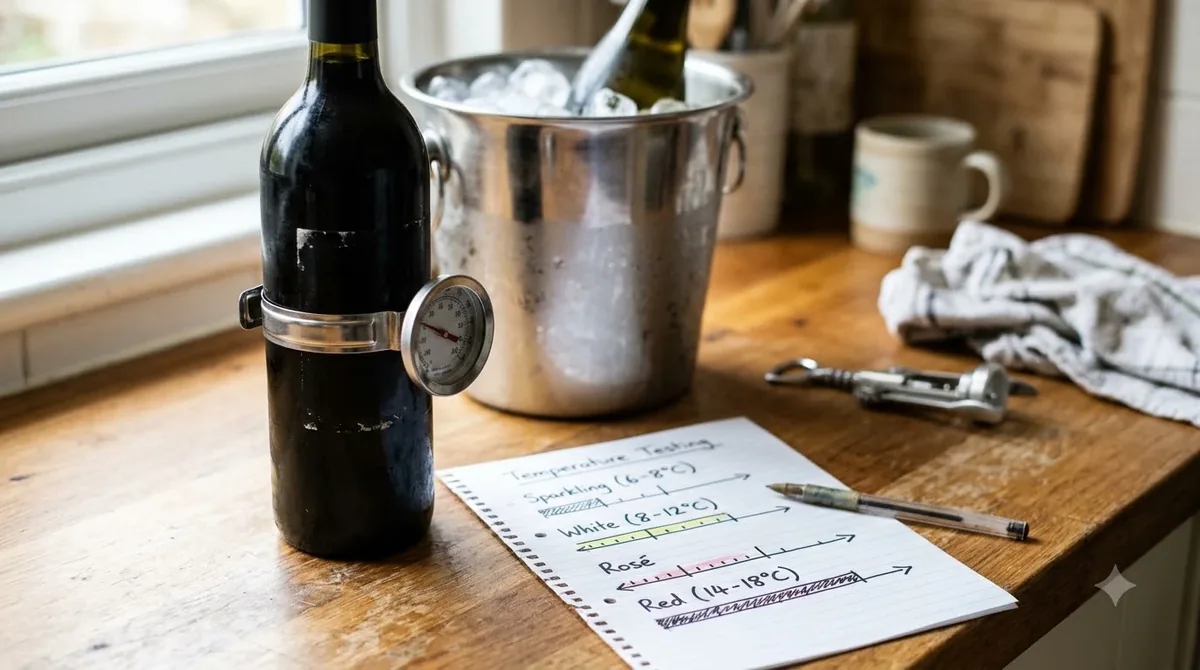
Pinot Noir is an especially good choice for a lighter Sloppy Joe filling. Its red-cherry, cranberry, and raspberry flavors complement beef without overwhelming the tomato sauce. Pinot Noir generally has lower tannins than Cabernet Sauvignon or Syrah, allowing the meat’s savory character to remain prominent. Look for a fresh, fruit-driven style from Oregon, California, or Burgundy. A particularly delicate, earthy bottle may disappear behind a heavily seasoned filling, so choose one with enough fruit concentration.
Sangiovese is a natural partner for tomato-based recipes. Its characteristic sour-cherry fruit, lively acidity, and savory herbal notes complement tomatoes, onions, garlic, and Worcestershire sauce. A Chianti or Chianti Classico can work particularly well when the filling has Italian-inspired seasoning, such as oregano, basil, or rosemary. Its freshness also helps balance the richness of ground beef.
Cabernet Franc offers a more savory alternative. Depending on its origin and winemaking style, it can show red berries, blackcurrant, green herbs, pepper, and earthy notes. These flavors work with the browned meat and seasonings in Sloppy Joes. A medium-bodied example from the Loire Valley is particularly appealing when the sauce is more savory than sweet. Avoid an excessively lean or herbal style if the filling contains substantial sweetness.
Tempranillo is another worthwhile option, especially when the filling includes smoked paprika, cumin, black pepper, or barbecue seasoning. Its red and dark fruit, savory character, and moderate structure complement the beef. Young Tempranillo generally makes a more approachable match than a heavily oak-aged version because the fresh fruit can stand up to the tomato sauce without introducing excessive wood-derived flavors.
For a bolder preparation, consider Syrah or a Grenache-based red blend. Syrah generally has medium-plus to high tannins, with dark fruit, pepper, and sometimes smoky notes. The richness of beef can soften its tannins, but a very tannic bottle may feel aggressive beside a sweet tomato sauce. Grenache-based blends usually offer generous red fruit and a softer texture, making them useful when you want more body without excessive firmness.
Cabernet Sauvignon is possible, but it is not automatically the best red for every Sloppy Joe. Its high tannin level and substantial structure are more suitable when the filling is rich, meaty, and relatively low in sweetness. For an everyday ketchup-heavy recipe, Merlot, Barbera, or Zinfandel will usually provide a friendlier balance.
If you enjoy pairing wine with other beef dishes, the sauce is an important consideration in each case. The principles behind what wine goes with beef brisket can help explain why smoky, fatty beef sometimes calls for a more structured red than a sweet, tomato-based sandwich filling.
White Wine and Rosé for Sloppy Joes
White wine and rosé can work surprisingly well with Sloppy Joes, particularly when the filling is spicy, sweet, or relatively light. Riesling, Sauvignon Blanc, and dry rosé offer freshness that balances the richness of ground beef and the acidity of tomato sauce.
Off-dry Riesling is one of the most versatile choices for spicy Sloppy Joes. It combines lively acidity with a small amount of residual sweetness, making it particularly suitable for recipes containing jalapeños, cayenne pepper, chipotle, or hot barbecue sauce. Peach, lime, green apple, and citrus flavors complement the tomato and seasoning. The touch of sweetness also helps balance chili heat without making the wine seem heavy.
Choose an off-dry German Riesling or a similarly styled bottle from another cool-climate region. Avoid assuming that every Riesling is sweet: the grape produces everything from very dry wines to richly sweet examples. For a spicy filling, a perceptibly off-dry style is generally the most useful starting point.
Sauvignon Blanc is a better match when the recipe is lighter and more herbaceous. Its high acidity and citrus, grapefruit, and green-herb characteristics can refresh the palate between bites. A crisp New Zealand Sauvignon Blanc or a mineral-driven Loire Valley example works particularly well with a filling that uses fresh green peppers, onions, and restrained sweetness. However, a very grassy or delicate Sauvignon Blanc may be overwhelmed by a strongly seasoned, smoky sauce.
Dry rosé offers a practical middle ground between red and white wine. Its strawberry, raspberry, watermelon, and citrus notes provide enough fruit for the beef while maintaining a refreshing finish. Provence rosé is a good option for a lighter, less sweet Sloppy Joe, while fuller-bodied rosé styles can handle more substantial seasoning.
For a sweeter barbecue-inspired filling, consider an aromatic Gewürztraminer. It can bring lychee, peach, floral aromas, and spice that complement sweet-and-hot sauces. A slightly off-dry example is particularly useful when chili heat is noticeable. Keep the wine’s alcohol moderate because alcohol can amplify the sensation of chili heat.
White wine is not necessarily a compromise. It simply requires the right balance of acidity, fruit, sweetness, and body. If your Sloppy Joes are particularly spicy, an off-dry Riesling may provide a more satisfying pairing than a powerful red wine.
Matching Wine to Sweet, Tangy, and Spicy Sauces
The sauce often determines the best wine more than the ground beef itself. Traditional tomato sauce, sweet barbecue seasoning, vinegar, mustard, and chili each influence how the wine tastes, so adjust your bottle to the dominant flavor.
Sweet tomato sauce: Many Sloppy Joe recipes use ketchup, brown sugar, tomato paste, or barbecue sauce. These ingredients create a sweet-savory flavor that can make a very dry, tannic wine seem harder and less fruity. Zinfandel, Merlot, and fruit-forward Grenache are good choices because their ripe fruit characteristics complement the sweetness. The wine should not taste noticeably drier or more bitter than the sauce.
Acidic tomato sauce: If your recipe uses plenty of tomatoes, vinegar, or Worcestershire sauce without much added sugar, acidity becomes especially important. A low-acid wine may seem flat beside a tangy filling. Barbera, Sangiovese, and Chianti are useful because their freshness can keep pace with the sauce. Sauvignon Blanc is another possibility when the filling is relatively light.
Smoky barbecue sauce: Chipotle, smoked paprika, molasses, and barbecue seasoning create deeper flavors that benefit from a fruit-forward red. Zinfandel is particularly suitable, while Syrah and Tempranillo work when the sauce is more savory than sweet. If the barbecue sauce is heavily sweetened, choose a softer, fruitier style rather than an extremely tannic red.
Spicy sauce: Jalapeños, cayenne, chili flakes, and hot sauce require more care. Alcohol and tannin can amplify the sensation of chili heat. Off-dry Riesling, slightly sweet Gewürztraminer, and dry rosé are sensible options. A chilled, fruit-forward red with moderate alcohol can also work, provided the heat is not extreme.
Mustard and vinegar: A tangy filling with mustard or vinegar needs refreshing acidity. Barbera and Sangiovese work well with these flavors, while dry sparkling wine can provide a crisp alternative. If brown sugar makes the sauce moderately sweet, an off-dry Chenin Blanc offers another interesting option.
These principles are consistent with the recommendations in WSET’s food and wine pairing advice, which distinguishes tomato acidity, salty meat, richness, and spice when suggesting suitable wine styles.
For a quick decision, use the following combinations:
- Classic ketchup-based filling: Merlot or Zinfandel.
- Tomato-forward filling: Barbera or Chianti.
- Sweet barbecue filling: Zinfandel or Grenache.
- Hot and spicy filling: Off-dry Riesling or Gewürztraminer.
- Smoky beef filling: Syrah or Tempranillo.
- Light, herbaceous filling: Pinot Noir or dry rosé.
Choosing Wine for Cheese, Bread, and Side Dishes
Sloppy Joes rarely arrive on their own, and the toppings and side dishes can change the best wine choice. Melted cheese, pickles, coleslaw, fries, and potato salad introduce additional fat, salt, acidity, and sweetness that influence the pairing.
Cheddar cheese adds salt, fat, and a sharper flavor to the sandwich. Merlot, Zinfandel, and Sangiovese are all useful options, depending on the sauce. Salt can soften the perception of tannin, while fat makes acidity particularly valuable. A moderately structured red with enough fruit and freshness can handle the combined beef and cheese flavors.
Monterey Jack is milder and creamier than mature cheddar. Its soft texture works well with fruit-forward wines such as Pinot Noir, Grenache, or Merlot. If the sandwich has jalapeños as well as cheese, consider off-dry Riesling because its acidity and subtle sweetness complement both the creamy topping and the chili.
Blue cheese introduces a more intense, salty, and pungent flavor. A fruit-forward Zinfandel can provide an interesting contrast, while an off-dry aromatic white can balance the cheese’s stronger character. The best approach depends on how much cheese you use. For more ideas, see what wine goes with blue cheese.
Pickles and mustard introduce acidity that can make a soft, low-acid wine seem dull. Barbera, Sangiovese, and sparkling wine are useful options because they have enough freshness to complement these sharp flavors. If pickles dominate the sandwich, a crisp white or dry rosé may be more enjoyable than a powerful Cabernet Sauvignon.
French fries and potato chips bring salt and fat into the meal. Sparkling wine is an appealing choice because its bubbles and acidity refresh the palate. Brut Prosecco, Cava, and Champagne can all work, although the level of sweetness should suit the sauce.
Coleslaw deserves special attention. Vinegar-based slaw adds acidity, while mayonnaise-based slaw introduces fat and creaminess. Sauvignon Blanc and dry rosé work with lighter slaw preparations, while Pinot Noir and Barbera can complement the beef and tomato flavors at the same time.
Other comfort-food sides can also influence your decision. If you serve Sloppy Joes with baked eggplant parmesan, for example, a high-acid red such as Sangiovese can provide continuity between the tomato-based dishes. See what wine goes with eggplant parmesan for more ideas about matching wine with tomato sauce and cheese.
Serving Temperature, Portions, and Practical Pairing Tips
Serving temperature can make a meaningful difference to the pairing. Red wine that is too warm may seem alcoholic and heavy, while white wine served too cold can lose much of its aroma and flavor.
For Sloppy Joes, follow these general serving temperatures:
- Light red wines: 55–60°F, especially Pinot Noir and lighter Grenache.
- Full-bodied red wines: 60–65°F, including Zinfandel, Syrah, and Cabernet Sauvignon.
- Light whites and rosé: 45–50°F, including Sauvignon Blanc and dry rosé.
- Full-bodied white wines: 50–55°F, depending on the style.
- Sparkling wine: 40–50°F, including Prosecco and Cava.
- Sweet white wines: 43–50°F, including off-dry Riesling and Gewürztraminer.
Light reds can benefit from a brief period in the refrigerator before serving. A Pinot Noir that is slightly cool can feel refreshing alongside warm beef and tomato sauce. Full-bodied reds should not be served excessively warm because alcohol can become more noticeable, especially with chili-seasoned fillings.
Portion size matters when planning the meal. A standard 750 ml bottle provides approximately five 5-ounce glasses. For a dinner with four adults, one bottle is generally enough for a modest serving, although a second bottle may be useful if wine is the main beverage throughout the meal.
Choose the wine before preparing the filling if you want the flavors to work together particularly well. For example, a bottle of Barbera suggests keeping the tomato acidity prominent and the sweetness moderate. Zinfandel gives you more flexibility with brown sugar, smoky paprika, and barbecue seasoning. An off-dry Riesling makes a good starting point for a spicier recipe.
Tip: If you are unsure which bottle to open, choose a medium-bodied Merlot or fruit-forward Zinfandel for traditional Sloppy Joes. Keep the sauce moderately sweet, serve the red slightly cool, and avoid excessive chili heat. This combination offers a reliable balance without requiring an expensive or unusually specialized wine.
Another useful approach is to taste the sauce before adding the ground beef. If the sauce tastes sharply acidic, select a high-acid wine such as Barbera. If it tastes distinctly sweet, choose a fruit-forward red with soft tannins or a wine with some residual sweetness. If chili dominates, avoid high-alcohol, heavily tannic reds.
For a broader understanding of why these choices work, the Wine Pairing principles of matching acidity, sweetness, intensity, and texture provide a useful framework for other everyday meals too.
Finally, do not feel restricted to one grape variety. The same sandwich can work with several wine styles depending on how you prepare it. A traditional beef-and-tomato filling might call for Merlot, while a smoky version might be better with Zinfandel and a spicy version might be more enjoyable with Riesling.
Frequently Asked Questions
Can you drink red wine with Sloppy Joes?
Yes. Red wine is a natural choice because the beef provides enough savory intensity for fruit-forward and moderately structured wines. A lightly chilled Beaujolais made from Gamay is another option worth exploring, particularly for a less sweet filling. Gamay generally offers bright red fruit and relatively low tannin.
Is Cabernet Sauvignon too strong for Sloppy Joes?
Not necessarily, but its high tannin can make it less comfortable with sweet sauces than softer reds. Cabernet Sauvignon works better with a substantial beef filling that contains relatively little added sugar. A Cabernet Franc or Merlot may provide a softer alternative if the sauce is sweet.
Can you serve Lambrusco with Sloppy Joes?
Yes. Lambrusco is an Italian sparkling red wine that can bring freshness and fruit to a rich ground beef sandwich. Its bubbles help refresh the palate, while its berry flavors complement the savory filling. A dry or off-dry style is particularly useful depending on the sweetness of the tomato sauce.
Should Sloppy Joes be paired with an oaked or unoaked wine?
Unoaked or lightly oaked wines are generally easier choices because they preserve fresh fruit and acidity. A heavily oaked red can introduce pronounced vanilla, toast, and baking-spice flavors that compete with the tomato seasoning. However, moderate oak can work with smoky preparations containing paprika or barbecue sauce.
Can leftover Sloppy Joes be paired with the same wine the next day?
Yes. Properly refrigerated leftover filling can retain its savory character and remain suitable for the original pairing. Reheat the filling thoroughly and reassess its flavor because refrigeration can make sweetness, seasoning, and acidity seem different. If the sauce has thickened considerably, a fresh, high-acid wine can help balance its richer texture.
For traditional Sloppy Joes, Merlot and Zinfandel are two of the most dependable wine choices, while Barbera is excellent for tangier tomato sauces. Off-dry Riesling and dry rosé provide refreshing alternatives for spicy or lighter preparations. Match the bottle to the sauce, serve it at the appropriate temperature, and let the flavors of the beef, tomatoes, and toppings guide your final choice.
More in Food & Wine Pairing
 Risotto With White Wine Recipe: Make a Creamy Dinner at HomeUpdated Nov 20, 2026
 Wassail With Wine Recipe for a Festive Spiced Holiday DrinkUpdated Nov 20, 2026
 Spritz Veneziano Recipe: Make a Classic Venetian Aperitivo at HomeUpdated Nov 20, 2026
 Summer Wine Punch Recipe for Easy Homemade EntertainingUpdated Nov 20, 2026
 Bishop Recipe: How to Make a Bright, Citrus-Forward Red Wine CocktailUpdated Nov 20, 2026
 Wine Cupcakes Recipe: Bake Rich Chocolate Cupcakes at HomeUpdated Nov 20, 2026