

We may earn a commission when you buy through links on this page, at no extra cost to you. Learn more.
When comparing sangiovese vs zinfandel, Sangiovese is a bright, high-acid, savory Italian red with firm tannins, while Zinfandel is a plush, jammy, higher-alcohol red packed with dark berry and black pepper flavors. Sangiovese averages 13% to 14.5% alcohol by volume and shines alongside tomato sauces and aged cheeses. Zinfandel regularly reaches 14% to 16% alcohol by volume, bringing ripe blackberry sweetness and soft, velvety tannins to smoky barbecue and grilled meats.
Both grapes hold iconic status in the wine world, yet they deliver opposite experiences in the glass. Choosing between a Tuscan Sangiovese and a California Zinfandel comes down to whether dinner calls for mouthwatering acidity and earthy herbal structure or bold, fruit-forward warmth. Understanding how these two grapes grow, ferment, and interact with food makes picking the right bottle straightforward.
Sangiovese vs Zinfandel at a Glance
Sangiovese and Zinfandel sit on opposite ends of the red wine spectrum in acidity, alcohol strength, and flavor profile. Sangiovese leans tart, herbal, and structured, whereas Zinfandel emphasizes ripe dark fruit, sweet spice, and lower natural acidity.
| Attribute | Sangiovese | Zinfandel |
|---|---|---|
| Primary Home | Tuscany and Central Italy | California (and Puglia, Italy as Primitivo) |
| Typical ABV | 13%–14.5% | 14%–16% |
| Acidity | High | Low to Medium |
| Tannins | Medium-Plus to High | Low to Medium (Supple) |
| Body | Medium to Full | Medium-Full to Full |
| Core Flavors | Sour red cherry, tomato leaf, oregano, leather | Blackberry jam, black cherry, black pepper, cinnamon |
| Ideal Serving Temp | 55–60°F | 60–65°F |
| Cellar Potential | 5–25 years (top Tuscan styles) | 5–7 years (up to 10+ for old vine) |
The structural contrast between these two red varieties explains why they rarely substitute for one another at the dinner table. According to Wine Enthusiast, Sangiovese is defined by naturally high acidity and grippy tannins that cleanse the palate between bites. Even when grown in warm hillside vineyards across central Italy, Sangiovese retains a brisk, tart backbone that keeps the wine feeling lifted and savory rather than heavy.
Zinfandel moves in the opposite direction because of how its clusters ripen on the vine. A single conical bunch of Zinfandel often holds green, underripe berries right next to shriveled, raisined grapes. When California winemakers wait for the lagging berries to mature, the raisined berries concentrate natural sugars, driving finished alcohol levels up to 15% or 16% ABV while softening the wine’s perceived acidity.
Grape Origins and Key Growing Regions
Sangiovese is native to Italy and dominates central Tuscan appellations, while Zinfandel originated on Croatia’s Dalmatian coast before becoming California’s signature heritage red grape. Both varieties also appear under regional synonyms that shape how bottles are labeled in wine shops.
Sangiovese’s Tuscan Stronghold
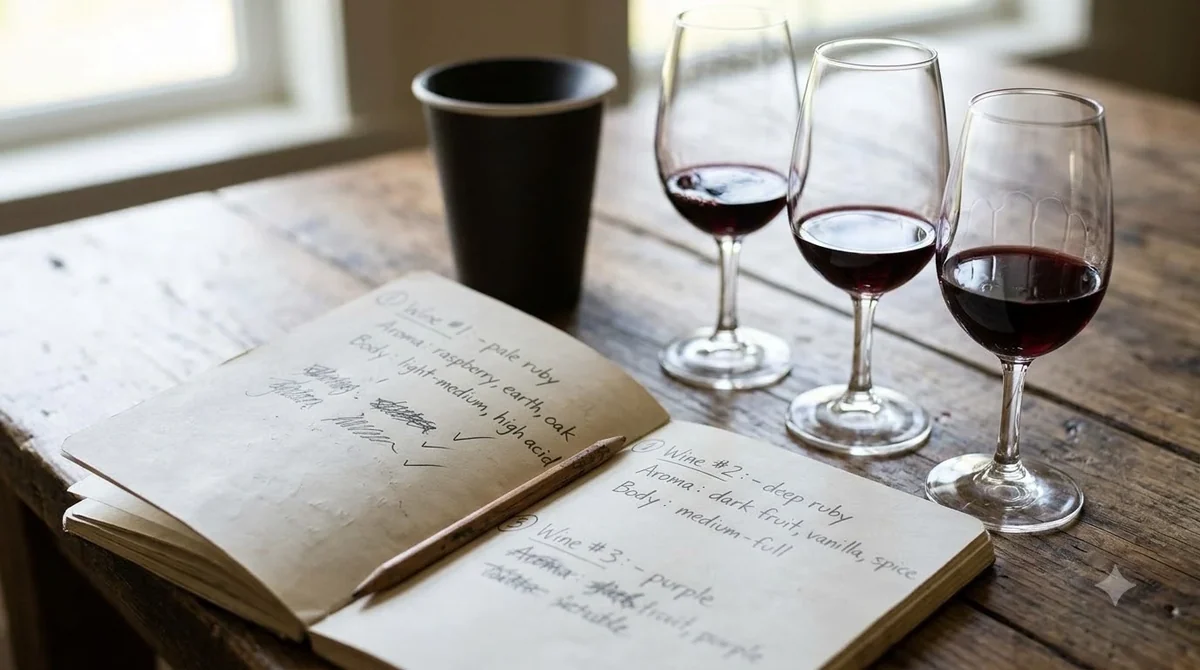
Documented in Tuscany since at least the 16th century, Sangiovese is Italy’s most widely planted red grape variety. Its name roughly translates from Latin as “blood of Jove,” and the vine thrives in poor, rocky, nutrient-scarce soils that naturally restrict excessive leaf growth and focus energy into the fruit. In Tuscany, Sangiovese anchors Chianti Classico—where regulations require at least 80% Sangiovese—as well as Vino Nobile di Montepulciano and Brunello di Montalcino.
Brunello di Montalcino represents the most structured expression of the grape. Grown in the warmer southern hills around the town of Montalcino, these wines must be made from 100% Sangiovese using a local thick-skinned clone called Sangiovese Grosso. Beyond Tuscany, growers in Emilia-Romagna, Umbria, and Marche cultivate Sangiovese for earlier-drinking table reds, while California producers in Napa Valley and Lake County bottle small-lot versions.
Zinfandel’s Journey from Croatia to California
For decades, American vintners assumed Zinfandel was native to the United States because the name existed nowhere else in the world. According to VinePair, DNA profiling conducted at the University of California Davis in 1994 proved that Zinfandel is genetically identical to southern Italy’s Primitivo grape, and later genetic work in 2001 traced both to an ancient Croatian variety called Crljenak Kaštelanski, or Tribidrag.
Cuttings arrived in New England hothouses from Vienna’s Imperial nursery in the 1820s before traveling west during the 1849 California Gold Rush. Today, California holds historic “old vine” Zinfandel blocks—some over 100 years old—across Lodi, Sonoma County’s Dry Creek Valley, Paso Robles, Mendocino County, and the Sierra Foothills. Meanwhile, southern Italy’s Puglia region bottles the exact same grape as Primitivo di Manduria and Gioia del Colle, though US regulations prohibit labeling imported Italian Primitivo as Zinfandel.
Flavor Profile, Acidity, and Tannin Structure
In the glass, Sangiovese tastes tart, earthy, and herbal with noticeable tannic grip, whereas Zinfandel delivers lush, jammy dark fruit, sweet baking spices, and a plush mouthfeel. Color alone often gives away which bottle is poured before the first sip.
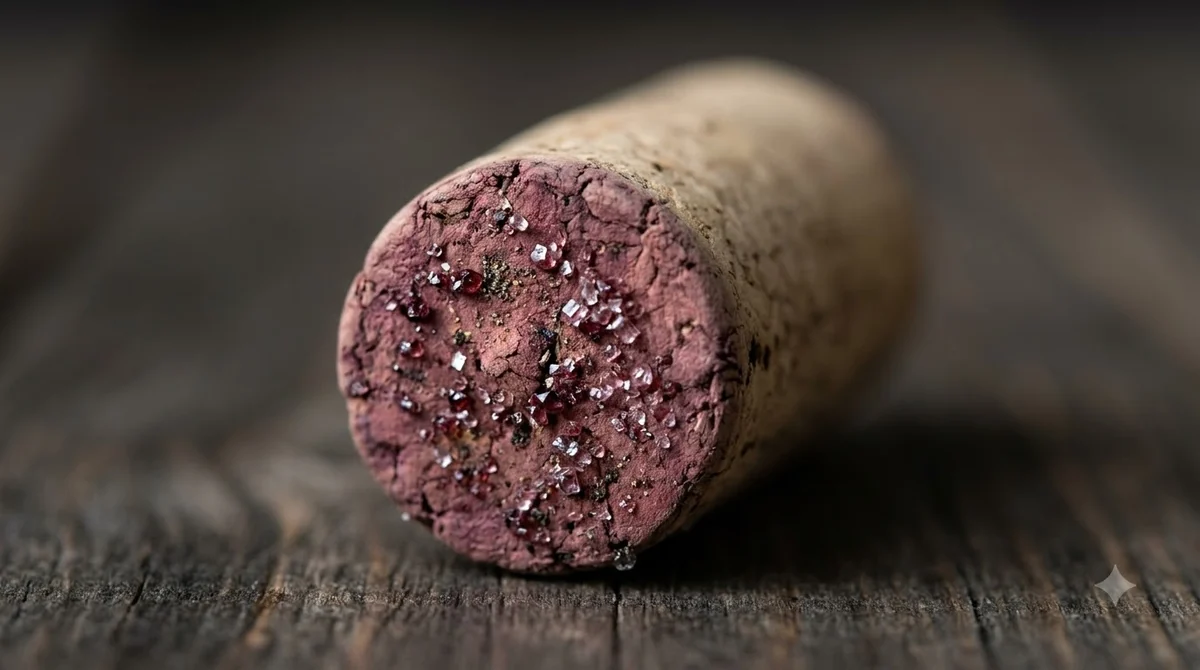
Sangiovese typically displays a translucent ruby to brick-red hue because its skins contain lower levels of dark pigment than Cabernet Sauvignon or Syrah. On the nose and palate, young bottles burst with sour red cherry, cranberry, red plum, and freshly crushed tomato leaf, backed by dried oregano and black tea. As top-tier Sangiovese ages in large Slavonian oak casks or French barriques, secondary aromas of cured leather, sweet tobacco, dried fig, and forest floor emerge alongside firm, mouth-drying tannins.
Zinfandel pours a deeper garnet or medium-ruby color and smells immediately of cooked berries and warm spice. Primary notes center on blackberry jam, black cherry, raspberry preserves, and plum, layered with cracked black pepper, licorice, and cinnamon. Because California winemakers frequently age Zinfandel in American oak barrels, many bottles also show sweet vanilla, coconut, and mocha nuances that accentuate the wine’s ripe fruit character.
Tip: If you love the rich blackberry spice of Zinfandel but find 15.5% ABV bottles too heavy for weeknight dinners, look for Zinfandel from cooler coastal regions like Sonoma’s Russian River Valley or Mendocino County, which typically finish closer to 13.5% or 14.2% ABV with brisker acidity.
Major Wine Styles: From Chianti to White Zinfandel
Both grapes produce remarkably versatile portfolios ranging from crisp rosés and everyday table reds to age-worthy cellar bottles and sweet dessert wines. Knowing the regional style tiers helps prevent surprises when shopping by label.
Sangiovese Styles Across Italy
At the approachable end of the spectrum, Rosso di Montalcino and standard Chianti offer bright cherry fruit and lively acidity meant for drinking within two to four years of vintage. Stepping up to Chianti Classico introduces stricter vineyard boundaries and three aging tiers: Annata (aged 12 months before release), Riserva (aged at least 24 months), and Gran Selezione (aged at least 30 months from estate-grown fruit). At the pinnacle, Brunello di Montalcino requires five years of aging before release, including at least two years in oak, creating massive structure built for 15 to 25 years in the cellar.
Tuscan winemakers also blend Sangiovese with Cabernet Sauvignon and Merlot to craft Super Tuscans, or bottle 100% Sangiovese outside traditional DOCG rules—such as Fontodi’s Flaccianello della Pieve and Isole e Olena’s Cepparello. In addition, Sangiovese is a permitted grape in sweet Tuscan Vin Santo dessert wines, where dried grapes ferment slowly in small wooden caratelli barrels.
Zinfandel Styles: Red, Blush, and Fortified
Dry red Zinfandel divides roughly into fruit-forward, high-octane bottles from warm inland regions like Lodi and Paso Robles, and more restrained, peppery expressions from cooler coastal slopes. Many California producers blend 5% to 15% Petite Sirah into Zinfandel to deepen its color and add firm tannic backbone, much like how syrah vs zinfandel comparisons highlight Syrah’s darker, more structured profile.
Zinfandel also exists as a famous sweet pink wine. In the 1970s, Sutter Home accidentally created White Zinfandel when a batch of pink juice bled off red tanks via the saignée method stuck mid-fermentation, leaving residual sugar around 9% to 10% ABV. Readers comparing crisp dry rosés against sweeter blush pours can explore rose vs white zinfandel to see how skin-contact time and fermentation temperature separate the two styles. Finally, several California wineries fortify late-harvest Zinfandel with grape brandy to make sweet, chocolate-scented Port-style dessert wines.
Food Pairing: Tomato Sauces vs Smoky Barbecue
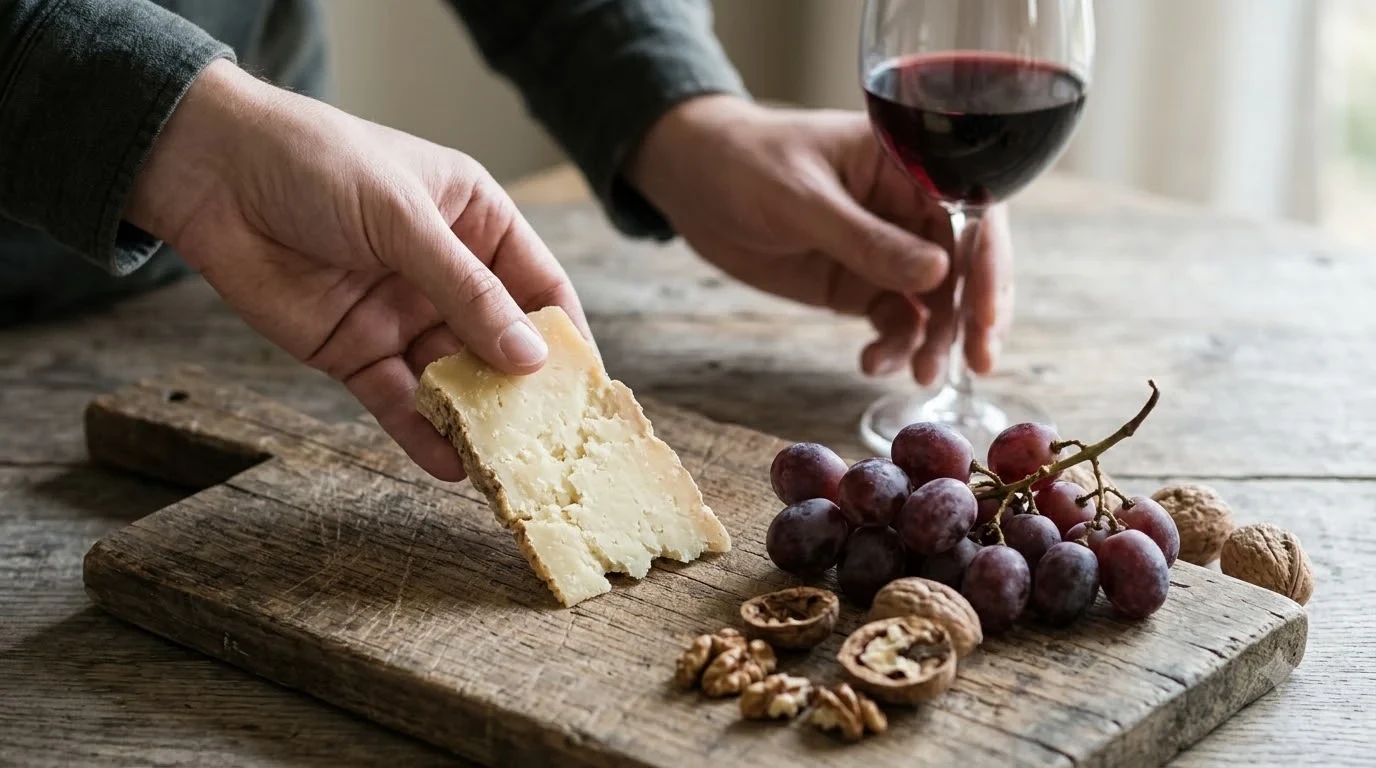
Sangiovese is built for high-acid tomato dishes, cured meats, and aged hard cheeses, while Zinfandel thrives alongside smoky barbecue, sweet-savory glazes, and grilled meats. Matching the structural elements of each wine to the dominant flavors on the plate prevents clashing tastes.
High-acid foods require a wine with equal or higher acidity so the wine does not taste flat or metallic. Because Sangiovese carries brisk natural acidity alongside herbal notes of oregano and tomato leaf, it pairs easily with Neapolitan pizza, spaghetti bolognese, lasagna, and eggplant parmigiana. Salt and fat also soften tannins on the palate, making Chianti Classico or Brunello di Montalcino ideal companions for bistecca alla fiorentina, roasted pork loin, prosciutto, and aged Parmigiano-Reggiano.
Zinfandel excels where Sangiovese’s sharp tannins and high acidity can feel harsh. Sweet, smoky barbecue sauces brushed onto pork ribs, pulled pork, or brisket overwhelm dry, tannic reds, yet Zinfandel’s jammy blackberry fruit and lower acidity harmonize with caramelized brown sugar and wood smoke. Its cracked black pepper notes also complement grilled lamb burgers, blackened Cajun chicken, and sharp aged cheddar, though fiery chili heat should be kept mild because high alcohol and tannin amplify capsaicin burn.
Serving, Decanting, and Cellar Storage
Serve Sangiovese slightly cooler at 60 to 65 degrees Fahrenheit and Zinfandel at 60 to 65 degrees Fahrenheit, giving young tannic bottles 30 to 60 minutes in a decanter before pouring. Proper temperature and aeration keep Sangiovese’s fruit vibrant and prevent high-alcohol Zinfandel from tasting hot.
According to Wine Enthusiast, serving Sangiovese at 60 to 65°F highlights its crisp red cherry acidity while keeping its earthy tannins balanced. Pouring a glass straight from a warm kitchen counter dulls the wine’s refreshing snap and accentuates bitterness. Young Brunello di Montalcino, Chianti Classico Riserva, and single-vineyard Super Tuscans benefit from 45 to 60 minutes of decanting to soften firm tannins and open up dried herb aromas.
Zinfandel shows best at 60 to 65°F; serving a 15.5% ABV bottle warmer than 68°F makes the alcohol fumes dominate the glass. Placing a bottle in a standard refrigerator for 20 minutes before opening brings room-temperature Zinfandel right into its sweet spot. While everyday California Zinfandel is crafted for immediate enjoyment within a few years of vintage, top old-vine bottlings and Brunello di Montalcino stored on their sides in a cool, humid cellar will develop tertiary complexity over a decade or more—a contrast explored further across other classic matchups in Wine vs Wine.
How to Choose Between Sangiovese and Zinfandel
Pick Sangiovese when cooking Italian tomato-based recipes, serving charcuterie, or looking for an earthy, lower-alcohol red that refreshes the palate. Choose Zinfandel when hosting a backyard barbecue, pouring for fans of plush dark-berry reds, or pairing rich, spiced meats.
Checking a few quick details on the bottle makes selection even easier. Under US wine labeling laws noted by VinePair, a California bottle labeled as Zinfandel must contain at least 75% of that grape, whereas “old vine” has no strict legal age minimum and varies by producer. On Italian labels, look for “DOCG” on Chianti Classico or Brunello di Montalcino to guarantee strict regional grape rules and mandatory aging minimums, and check the label for ABV—staying below 14% if you prefer lighter, crisper reds.
Frequently Asked Questions
Is Sangiovese sweeter or drier than Zinfandel?
Both Sangiovese and dry red Zinfandel are fermented dry with minimal residual sugar, though exact residual sugar levels vary by producer and vintage. However, Zinfandel tastes noticeably sweeter on the palate because its high alcohol glycerin and ripe blackberry jam flavors create a perception of fruit sweetness, whereas Sangiovese’s high malic and tartaric acidity makes it taste crisp and tart.
Can you substitute Primitivo for Zinfandel in a blind tasting or dinner pairing?
Yes, Italian Primitivo is genetically identical to California Zinfandel and fills a very similar role at the dinner table. Bottlings from Puglia’s Gioia del Colle appellation tend to show slightly higher acidity and red-berry brightness than warm-climate California Zinfandel, making them even more versatile with tomato-based pasta dishes.
Which wine has more tannins, Chianti Classico or California Zinfandel?
Chianti Classico has noticeably higher, firmer tannins than typical California Zinfandel because Sangiovese naturally possesses thicker skins and higher seed-to-pulp tannin ratios. Zinfandel’s tannins are softer and rounder, which is why winemakers frequently blend in Petite Sirah when they want extra grip.
How long do opened bottles of Sangiovese and Zinfandel last in the refrigerator?
Recorked and stored upright in a refrigerator, both Sangiovese and Zinfandel stay fresh for 3 to 5 days after opening. Sangiovese’s higher natural acidity and tannin structure act as natural preservatives, often keeping it tasting brighter on day four than a soft, low-acid Zinfandel.
What is the difference between Sangiovese Grosso and Sangiovese Piccolo?
Sangiovese Grosso refers to larger-berried clones—such as Prugnolo Gentile in Montepulciano and Brunello in Montalcino—that produce deeper-colored, more structured, and longer-aging wines. Sangiovese Piccolo encompasses smaller-berried clones common in Chianti and Romagna that yield lighter-bodied, higher-acid reds meant for earlier drinking.
Sangiovese and Zinfandel showcase how climate, grape genetics, and winemaking tradition shape two distinct styles of red wine. Keep a bottle of Chianti Classico on hand for pasta nights and aged cheeses, and reach for a peppery California Zinfandel whenever smoky barbecue or grilled meats are on the menu.
More in Wine vs Wine
 Chenin Blanc vs Pinot Gris: Acidity, Body, and Pairing DifferencesUpdated Nov 20, 2026
 Chianti vs Lambrusco: How Tuscany and Emilia-Romagna Reds CompareUpdated Nov 20, 2026
 Chianti vs Primitivo: Key Differences in Taste, Body, and PairingUpdated Nov 20, 2026
 Chianti vs Rioja: Key Differences in Taste, Aging, and PairingUpdated Nov 20, 2026
 Chianti vs Shiraz: How Acidity, Body, and Food Pairings CompareUpdated Nov 20, 2026
 Chianti vs Syrah: Key Differences in Taste, Body, and Food PairingUpdated Nov 20, 2026