

We may earn a commission when you buy through links on this page, at no extra cost to you. Learn more.
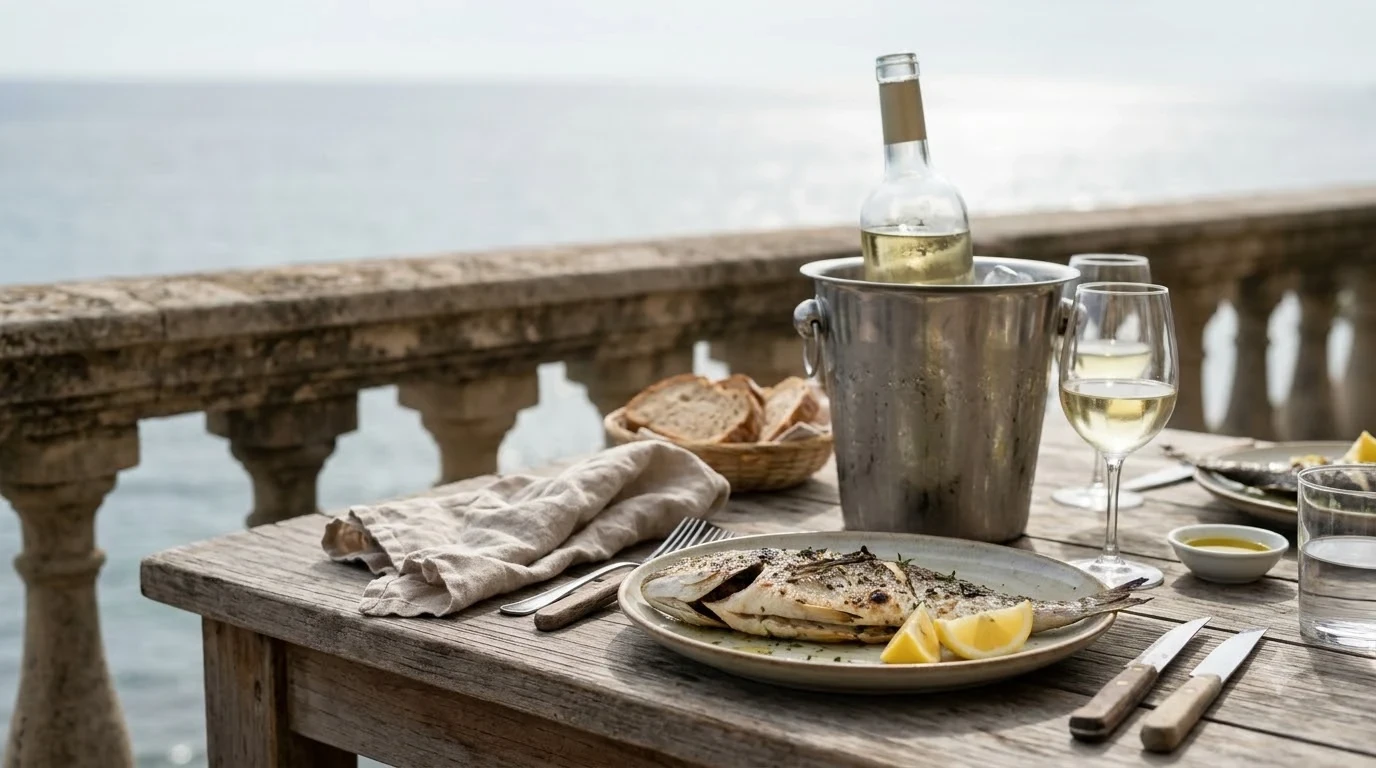
What wine goes with shrimp scampi? A crisp, dry white with bright acidity, such as unoaked Chablis, Sauvignon Blanc, or Pinot Grigio, is the most reliable match. Shrimp scampi is built on garlic, butter, lemon, and a splash of white wine, so the glass should echo the citrus and herbs without adding much weight. A buttery, oaked Chardonnay also works when the sauce is especially rich, and a dry sparkling wine is a good choice for a lighter, celebratory dinner.
Shrimp scampi is one of the quickest dishes to make and one of the easiest to pair, but the sauce does most of the work. The shrimp are sautéed quickly, the garlic softens in butter, and the pan is deglazed with white wine and finished with lemon and parsley. That sauce is the reason white wine suits the dish so well, and the best bottle is usually one that tastes like a close relative of the wine already in the pan.
Why White Wine Fits Shrimp Scampi
Shrimp has a delicate, slightly sweet flavor that can be overwhelmed by a heavy red. Tannins in red wine also react poorly with some seafood, and the metallic notes can become more noticeable. White wines avoid that problem, and their acidity cuts through the butter in the sauce while lifting the lemon.
The basic principle is to match weight with weight. Scampi is light to medium in body, bright with citrus, and fairly rich because of the butter. A wine that is too full can feel heavy, and one that is too thin can taste flat next to the sauce. A medium-bodied white with clean acidity hits the middle, and that is where most of the best matches sit.
Best White Wines for a Lemon Garlic Sauce
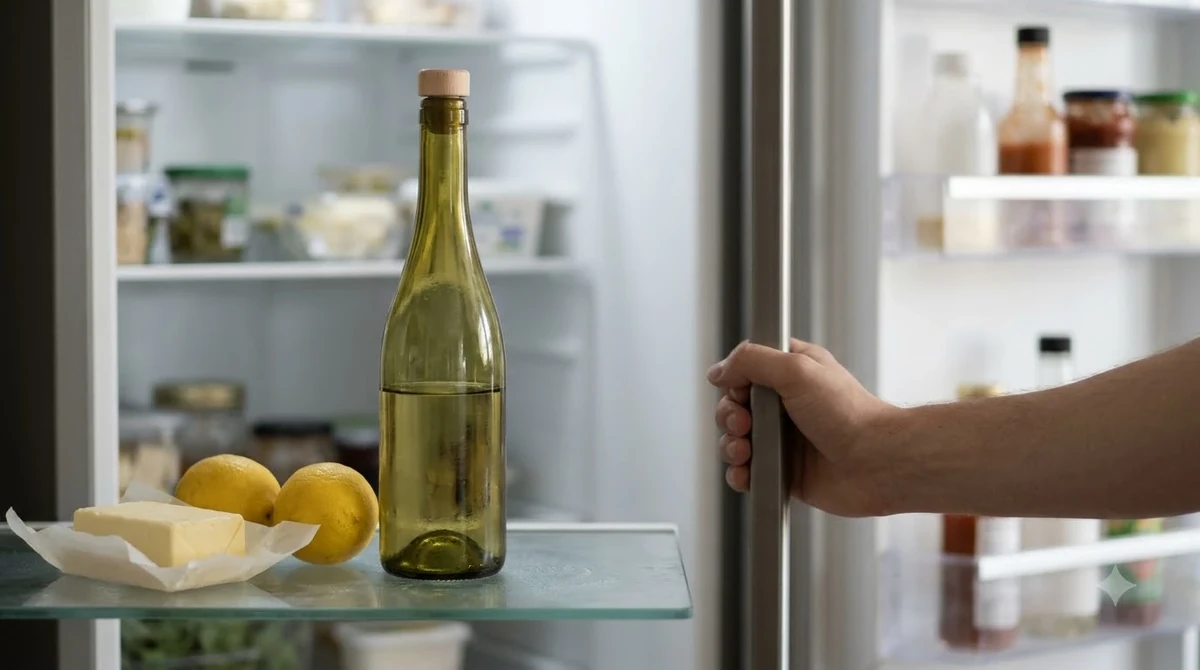
The brightest pairings come from crisp, dry whites that have little or no oak. These wines reinforce the lemon and parsley in the sauce and leave the palate fresh between bites. They are the first choice for a weeknight scampi and for a dinner where the shrimp is the main event.
| Wine style | Body | Why it works with scampi | Watch for |
|---|---|---|---|
| Unoaked Chablis (Chardonnay) | Light to medium | Mineral acidity suits fresh shellfish and garlicky sauces | Oaked styles can feel heavy with a lot of butter |
| Sauvignon Blanc | Light to medium | Citrus and herb notes echo the lemon and parsley | Very grassy bottles can overshadow the garlic |
| Pinot Grigio | Light to medium | Clean, neutral fruit and crisp acidity keep the dish balanced | Flat or sweet versions lose the lift the dish needs |
| Dry sparkling wine | Light | Bubbles and acidity cut through butter and make the meal feel special | Sweeter styles can taste off next to the lemon |
| Oaked Chardonnay | Medium to full | Buttery texture matches an extra-rich sauce | Heavy oak can clash with delicate shrimp |
VinePair’s pairing guide lists unoaked Chablis as a strong match for delicate shellfish, and it names Pinot Grigio, Sauvignon Blanc, and Prosecco among wines that suit shellfish in general. It also suggests that oaked Chardonnay works with lobster and seafood in butter sauce, which is the right direction for an especially rich scampi. The pairing guide is a useful starting point for the broader seafood list.
Tip: Use the same wine in the pan that you plan to pour at the table. A wine that is too oaky or too sweet will show up in the sauce, so choose a dry, unoaked bottle for both jobs.
How Butter and Garlic Shift the Choice
A scampi made with a modest amount of butter and plenty of lemon is much lighter than a version that is finished with a heavy pour of cream or a large knob of butter. The lighter version suits crisp whites and dry sparkling wine. The richer version can handle a wine with more texture, such as a Chardonnay that has seen some oak but still has enough acidity to stay fresh.
Garlic is the other factor. A generous amount of raw or lightly cooked garlic is assertive, and a wine with subtle aromatics can get lost beneath it. Sauvignon Blanc and dry sparkling wine both have enough aromatic lift to stand up to garlic without fighting it. A soft, round Pinot Grigio is a pleasant option when the dish is less garlicky.
Scampi Served Over Pasta or Rice
Shrimp scampi is often served over linguine, angel hair, or rice, and the starch changes the balance. Pasta absorbs some of the sauce and makes the dish feel heavier, so a wine with a little more body can keep pace. A Vermentino or a dry white blend with some texture works well here, as does a Chardonnay with moderate oak.
When the dish is served over rice, the flavor becomes softer and more delicate. A crisp, lean wine such as unoaked Chablis or a Pinot Grigio is usually the better match. In both cases, the aim is to keep the wine bright enough to refresh the palate between bites of buttery pasta or rice.
Other Shellfish Dishes and Wine Pairings
Scampi is a close cousin of other shellfish dishes, and the same principles apply. Grilled or steamed shellfish with a lemon finish tends to go best with the same crisp styles, while heavier seafood such as lobster in butter leans toward an oaked white. Riesling and Sauvignon Blanc are often recommended for seafood in general, and the latter is especially good with fish in herb sauces, according to VinePair.
A seafood-focused dinner may also include a meat course. For a menu that moves from shrimp to beef, the guide to what wine goes with filet mignon shows how to shift to red without losing the thread of the meal. If the dinner moves to chicken instead, the chicken piccata guide covers the lemony white styles that also suit poultry.
Serving Temperature and Glassware
White wine tastes best when it is cold but not ice cold. A Chablis or Sauvignon Blanc served too cold can taste sharp and muted, while one that is too warm can feel heavy and lose its acidity. A short time in the refrigerator before the meal is usually enough. A medium-sized white wine glass helps the aromas gather without flooding the palate with alcohol.
Sparkling wine should be well chilled and poured into a flute or a tulip-shaped glass. The bubbles stay lively longer in a cool glass, and the acidity remains crisp next to the butter. Keeping the bottle in an ice bucket during dinner helps maintain the temperature for the second round.
Common Mistakes With Shrimp Scampi and Wine
The most frequent mistake is choosing a red wine out of habit. Most reds have tannins that can taste bitter next to lemon and seafood, and the shrimp loses its sweetness. The second mistake is picking an oaky, buttery wine for a light scampi. The oak can overwhelm the garlic and make the whole plate feel heavy.
Some cooks also use a sweet wine for the sauce. A sweet wine reduces the acidity that makes scampi taste fresh, and the lemon can seem harsh in comparison. Dry white wine in the pan and dry white wine in the glass is the simplest approach.
Frequently Asked Questions
What is the best white wine for shrimp scampi?
Unoaked Chablis and Sauvignon Blanc are among the most reliable choices. Both have crisp acidity and citrus or mineral notes that suit lemon, garlic, and butter. Pinot Grigio is a pleasant, easy option too.
Can I drink red wine with shrimp scampi?
It is usually not the best choice. Red wines with firm tannins can taste bitter next to seafood and lemon. A light, fruity red served cool is the only red that tends to work, and white or sparkling wine is a safer match.
Should I use the same wine for cooking and drinking?
Yes, when possible. Cooking with a wine you would not drink often leaves an unpleasant taste in the sauce. A dry, unoaked white is ideal for both the pan and the glass, and it keeps the dish consistent from start to finish.
Does sparkling wine go with shrimp scampi?
Yes. A dry sparkling wine has the acidity and bubbles to cut through butter and lift the lemon. Choose a dry or extra-dry style rather than a sweet one, since sweetness can make the sauce taste off.
Shrimp scampi rewards a simple approach. Pick a dry, crisp white or a dry sparkling wine, serve it cold, and keep the bottle that you use in the pan on the table. For more ways to match wine to a full menu, the wine pairing section covers the main styles and how to choose among them.
More in Food & Wine Pairing
 Risotto With White Wine Recipe: Make a Creamy Dinner at HomeUpdated Nov 20, 2026
 Wassail With Wine Recipe for a Festive Spiced Holiday DrinkUpdated Nov 20, 2026
 Spritz Veneziano Recipe: Make a Classic Venetian Aperitivo at HomeUpdated Nov 20, 2026
 Summer Wine Punch Recipe for Easy Homemade EntertainingUpdated Nov 20, 2026
 Bishop Recipe: How to Make a Bright, Citrus-Forward Red Wine CocktailUpdated Nov 20, 2026
 Wine Cupcakes Recipe: Bake Rich Chocolate Cupcakes at HomeUpdated Nov 20, 2026