

We may earn a commission when you buy through links on this page, at no extra cost to you. Learn more.
What wine goes with filet mignon? A medium to full-bodied red such as Cabernet Sauvignon, a Left Bank Bordeaux, or a Syrah is the classic match. Filet is the leanest and most tender cut of beef, so it needs a wine with enough structure to stand up to the meat without covering its gentle flavor. A buttery or cream-based sauce widens the options a little, and a few lighter reds and even some whites can work well with the right preparation.
Filet mignon is often the centerpiece of a special dinner, which makes the wine choice feel more important than it needs to be. The good news is that a few reliable styles cover most situations. This guide explains why red wine works so well with beef, which bottles fit different budgets and tastes, how sauces change the picture, and how to serve the wine so it shows its best side.
Why Red Wine Works With Filet Mignon
Red wine and red meat have a long history together, and the reasons are practical as well as traditional. Tannins are the drying compounds that come from grape skins, seeds, and oak, and they feel rough on their own. Protein and fat in the meat bind to those tannins, which softens the wine and makes it taste rounder and more fruity. A steak with no wine can taste a little plain, while a bold red with the right structure gives the bite back to the beef.
Weight also matters. Heavy wines can overpower a delicate dish, and light wines can get lost next to a rich, hearty one. Filet sits in the middle. It is tender rather than heavy, so the wine should be big enough to match the beef but not so intense that it hides the flavor of the meat.

Best Red Wine Styles for Filet Mignon
Most of the classic pairings for filet come from full-bodied reds that have firm tannins and dark fruit. These are the wines most people reach for first, and they work well in a steakhouse setting or at a home dinner with a simple seasoning of salt and pepper.
| Wine style | Typical body | Why it works with filet | Watch for |
|---|---|---|---|
| Cabernet Sauvignon | Full-bodied | Grippy tannins soften against the protein in grilled steak | Very high alcohol can feel hot next to a simple sauce |
| Left Bank Bordeaux blend | Full-bodied | Cabernet-led blends suit protein-rich beef dishes | Young bottles can need time to open up |
| Syrah or Shiraz | Full-bodied | Dark fruit and peppery notes match smoky or seared beef | Bold versions can overwhelm a very simple preparation |
| Barolo or Nebbiolo | Full-bodied | High tannin and acidity cut through a richer, buttery filet | Often needs a few years of cellaring to soften |
| Chianti Classico | Medium to full | Bright acidity works well with a herbed or Tuscan-style steak | Lower-tier bottles can taste thin |
The VinePair food pairing guide notes that Cabernet Sauvignon softens its grippy tannins with grilled steak, and that Chianti is a traditional partner for Florentine-style steak. Those two examples show how a wine’s structure and the cooking method work together. A seared, charred crust pairs with a bolder red, while a gentle, rare center is more forgiving and works with a wider range of bottles.
Tip: If the wine tastes sharp or dry next to the steak, the meat may be too lean for the tannins. Add a bite of the sauce or a little fat from the plate and taste again.
How Sauces and Sides Change the Match
A plain filet with salt and pepper is the easiest pairing. Once a sauce enters the picture, the wine should follow it. A peppercorn sauce made with cream brings spice and richness, so a Syrah or a Cabernet with plenty of fruit can handle it well. A béarnaise or a garlic butter topping adds fat and a savory note, which suits the firm acidity of a Barolo or a Chianti.
Mushroom sauces are a different case. Earthy flavors often pair better with a lighter red such as a Pinot Noir from a cool region, because the wine can echo the mushrooms without fighting the beef. Red wine reductions are also a natural fit, since they carry the same flavors as the wine in the glass.
How to Serve the Wine
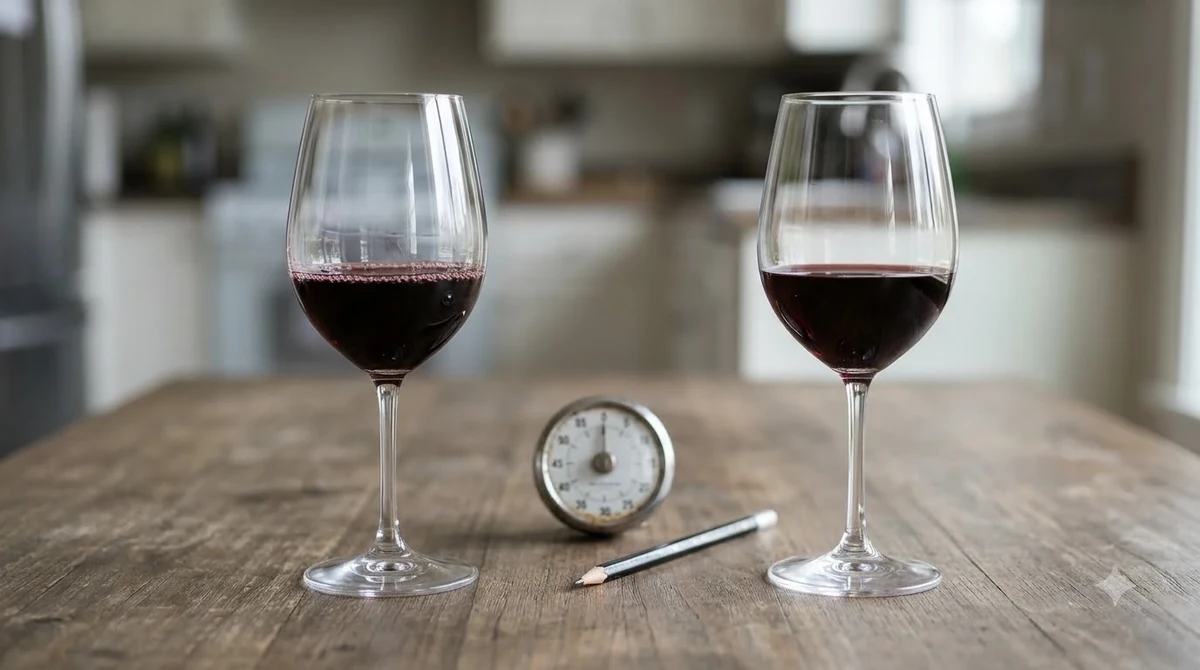
Serving temperature has a large effect on how a red tastes with food. Many people serve bold reds too warm, which makes the alcohol feel more prominent and the wine seem flat. The VinePair serving temperature guide describes medium to full-bodied reds as best served in a cool range of about 60 to 65 degrees Fahrenheit, and it notes that the common idea that heavy reds should be served at room temperature is a misconception.
For a bottle that has been sitting on the counter, the same guide suggests putting it in the refrigerator for about an hour before serving, or in the freezer for around 15 minutes for a quicker chill. Opening the bottle early and decanting it also helps. The wine opens up as it warms slowly in the glass during the meal.
When a Lighter Red or a White Makes Sense
Not every filet dinner calls for a heavy wine. If the meal is lighter, with a small portion, a salad, and a delicate sauce, a medium-bodied red or even a rich white can work. A full-bodied white Chardonnay with some oak and buttery texture can match a filet cooked in butter, and a dry rosé can carry the meal through to dessert without overpowering the beef.
For a pairing with a different protein, the logic is similar. If the dinner moves to chicken or fish, it helps to look at another guide, such as the one on what wine goes with chicken piccata, where the brighter white styles take over. Keeping the weight of the wine in line with the weight of the plate is the simplest rule to remember.
Common Mistakes to Avoid
The most common mistake is choosing a wine that is too light for the meat. A thin, fruity red can disappear next to a thick, well-seared filet. The second mistake is choosing a wine that is too heavy for the sauce. A high-alcohol wine with a sweet finish can clash with a delicate reduction or a light béarnaise.
Some diners also overlook the cooking method. A filet grilled over high heat has a smoky crust that calls for a bolder red, while a filet pan-seared in butter tastes more like a rich, savory meat that suits a silkier wine. Matching the wine to the way the beef was cooked usually works better than matching it to the cut alone.
Frequently Asked Questions
What is the best red wine to serve with filet mignon?
Cabernet Sauvignon and Bordeaux-style blends are the most reliable choices. Their firm tannins soften against the beef, and their dark fruit matches the steak. Syrah is another strong option for a bolder, more peppery style.
Can you serve white wine with filet mignon?
Yes, when the preparation is rich. A full-bodied Chardonnay with oak can match a filet cooked in butter, but most people find a red wine a more natural partner for the beef itself.
Should red wine be served at room temperature with steak?
Usually not. Medium to full-bodied reds are often served a little cooler than many people expect, around 60 to 65 degrees Fahrenheit. A short time in the refrigerator before serving helps the wine taste balanced.
Does a sauce change which wine to pick?
It can. A cream or peppercorn sauce suits a fruit-forward Syrah or Cabernet. A garlic butter or béarnaise pairs well with the acidity of Barolo or Chianti. A mushroom sauce often works better with a lighter red such as Pinot Noir.
Filet mignon rewards a thoughtful pairing without requiring an expensive bottle. Start with a Cabernet Sauvignon or a Bordeaux blend, keep the serving temperature cool, and adjust for the sauce. For more ideas on matching wine to the rest of the menu, the guide to wine pairing covers the main styles and how to pick them.
More in Food & Wine Pairing
 Risotto With White Wine Recipe: Make a Creamy Dinner at HomeUpdated Nov 20, 2026
 Wassail With Wine Recipe for a Festive Spiced Holiday DrinkUpdated Nov 20, 2026
 Spritz Veneziano Recipe: Make a Classic Venetian Aperitivo at HomeUpdated Nov 20, 2026
 Summer Wine Punch Recipe for Easy Homemade EntertainingUpdated Nov 20, 2026
 Bishop Recipe: How to Make a Bright, Citrus-Forward Red Wine CocktailUpdated Nov 20, 2026
 Wine Cupcakes Recipe: Bake Rich Chocolate Cupcakes at HomeUpdated Nov 20, 2026