

We may earn a commission when you buy through links on this page, at no extra cost to you. Learn more.
What wine goes with chicken piccata? A dry, crisp white such as Pinot Grigio, also sold as Pinot Gris, is the classic match. Its high acidity and citrus notes echo the lemon in the sauce, and its light body does not overpower the delicate chicken and caper flavors.
Chicken piccata is a light, tangy Italian-American dish. Thin pieces of chicken are dredged in flour, pan-fried, and finished in a sauce of lemon, butter, parsley, and capers. Because the sauce is bright and sharp, the wine you choose should be just as lively. This guide explains which styles work best, why the match succeeds, and what to avoid.
Why Lemon Sauce Needs a Bright White Wine
The sauce is the key to the pairing. Piccata is built on lemon juice, and the sauce is usually made by adding lemon juice and white wine or stock to the pan drippings, then reducing it and stirring in butter at the end. That makes the sauce tart and rich at the same time.
A wine with high acidity matches that tartness. According to Wine Folly’s Pinot Gris guide, the grape has medium-high acidity and a medium-light, dry body. Its flavors include lemon zest, white peach, and green almond, so the citrus in the wine echoes the lemon in the dish instead of fighting it.
The body is just as important. Chicken piccata is a delicate dish, and a heavy, oaky wine would cover the flavor of the meat and the capers. A light to medium-bodied white keeps the balance.
Best Wine Styles for Chicken Piccata
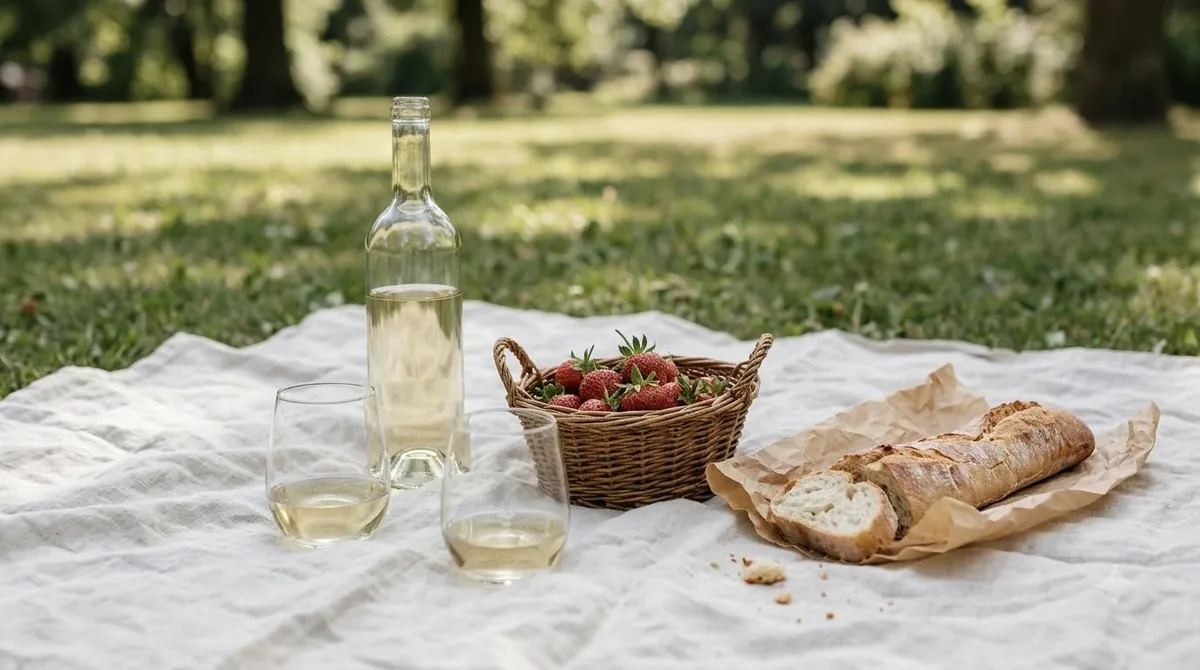
The classic choice is a dry Italian white. Pinot Grigio is the most common pick, and its crisp, citrus-driven style matches the sauce almost exactly. Look for a bottle from a cooler region, since those tend to have more acidity and a sharper edge that suits lemon.
Other dry whites also work well. A Sauvignon Blanc brings herbal and grapefruit notes, which pair with the parsley and lemon. An unoaked Chardonnay can work if you prefer a rounder texture, but it should be lean and clean rather than buttery. The rule is simple: the wine should be dry, bright, and not too heavy.
| Wine style | Why it works | Best fit for |
|---|---|---|
| Pinot Grigio or Pinot Gris | Lemon and green apple notes match the sauce | Classic piccata with a lemon-forward sauce |
| Sauvignon Blanc | Grapefruit and herbal notes echo the parsley and citrus | Piccata with extra herbs |
| Unoaked Chardonnay | Round texture without heavy butter or oak | Creamier or butter-heavy versions |
| Dry Italian white (Vermentino) | Saline, citrus character suits capers | Caper-heavy versions |
| Dry rosé | Red-fruit and citrus balance a lighter sauce | Chicken with a lighter dressing |
Why the Wine Should Be Dry
Dryness is the most important quality. A sweet white wine will clash with the lemon and salt in the sauce, and it can make the dish taste flat. Look for “dry” on the label or choose a style known for dryness, such as most Italian whites. A slightly off-dry wine can work with a very sweet sauce, but piccata is not one of those dishes.
Oak is also a factor. Heavily oaked whites add vanilla and toast, which can overwhelm the chicken and the caper brine. Unoaked or lightly oaked styles keep the focus on the lemon and the meat.
Foods and Sides to Serve Alongside
The simplest sides let the wine and the dish speak for themselves. Buttered pasta, such as linguine or angel hair, is a traditional companion and soaks up the sauce. Roasted asparagus or green beans add freshness, and a simple green salad with a light vinaigrette keeps the meal bright.
Avoid heavy sides, such as creamy casseroles or very rich gratins, which would make the meal too heavy and leave the wine tasting thin. A starchy side is still a good idea, but keep the sauce on the chicken and the pasta as the main source of richness.
Tip: Serve the wine slightly cooler than you would a red, since a crisp white tastes sharper and more refreshing when it is cold.
Serving Temperature and Glassware
Serve Pinot Gris chilled, according to Wine Folly, at about 45 to 55 degrees Fahrenheit, or 7 to 12 degrees Celsius. Chilling keeps the acidity crisp and the citrus bright. A standard white wine glass is enough, and decanting is not needed for a young white.
If you are serving a richer version of the dish, such as one with extra butter, you can allow the wine to warm a little so the texture and fruit open up. For most piccata dinners, though, the wine should stay cold and lively.
How to Cook With Wine in the Sauce
Many piccata recipes call for white wine in the sauce. Use the same kind of wine you plan to serve, so the flavors stay consistent from the pan to the glass. A dry Pinot Grigio or a crisp Sauvignon Blanc works well for cooking, while a sweet or oaked wine will change the sauce in a way that does not suit the dish.
Add the wine to the pan after browning the chicken, then let it reduce before adding the lemon juice and stock. Reducing the wine concentrates its acidity and removes the harsh alcohol, leaving a clean, bright sauce. Finish with cold butter and parsley, and add capers at the end so they stay firm.
Common Mistakes to Avoid
The first mistake is choosing a heavy red. A bold red such as a Cabernet Sauvignon has tannins that clash with lemon, and the sauce can taste metallic. If you prefer red wine with chicken, choose a light, low-tannin style such as a Gamay, and keep the sauce lighter as well.
The second mistake is serving a warm white. A white that is not chilled loses its acidity and can taste flat next to the lemon. Chill the bottle well before the meal starts.
The third mistake is ignoring the capers. They add salt and brine, so the wine should be dry enough to handle them. A sweet wine pushes the saltiness to the front and makes the dish taste harsh.
For more pairing ideas, see our guides on what wine goes with filet mignon and what wine goes with gumbo. The broader wine pairing guide explains how acidity, body, and sauce work together for most dishes.
Frequently Asked Questions
What is the best wine for chicken piccata?
A dry, crisp white such as Pinot Grigio or Pinot Gris is the classic choice. Its acidity and citrus notes match the lemon sauce, and its light body does not overwhelm the chicken.
Can I drink red wine with chicken piccata?
It is possible with a light, low-tannin red such as Gamay, but a white usually suits the dish better. Heavy reds with firm tannins clash with lemon and can taste metallic.
Should I use white wine in the piccata sauce?
Many recipes do. Use a dry white wine, reduce it in the pan, and choose the same style you plan to serve. Sweet or heavily oaked wines change the sauce in a way that does not suit the dish.
How cold should the wine be?
Serve it chilled, around 45 to 55 degrees Fahrenheit. Cold temperatures keep the acidity crisp and the citrus bright, which suits the lemon in the sauce.
Chicken piccata calls for a wine that is dry, bright, and light. A chilled Pinot Grigio or Sauvignon Blanc handles the lemon, capers, and butter well, and it keeps the meal fresh from the first bite to the last.
More in Food & Wine Pairing
 Risotto With White Wine Recipe: Make a Creamy Dinner at HomeUpdated Nov 20, 2026
 Wassail With Wine Recipe for a Festive Spiced Holiday DrinkUpdated Nov 20, 2026
 Spritz Veneziano Recipe: Make a Classic Venetian Aperitivo at HomeUpdated Nov 20, 2026
 Summer Wine Punch Recipe for Easy Homemade EntertainingUpdated Nov 20, 2026
 Bishop Recipe: How to Make a Bright, Citrus-Forward Red Wine CocktailUpdated Nov 20, 2026
 Wine Cupcakes Recipe: Bake Rich Chocolate Cupcakes at HomeUpdated Nov 20, 2026