

We may earn a commission when you buy through links on this page, at no extra cost to you. Learn more.
What wine goes with seafood boil? Off-dry Riesling is one of the best choices, while Sauvignon Blanc, dry rosé, and sparkling wine also pair beautifully with shrimp, crab, crawfish, and Cajun seasoning. The best bottle balances the boil’s salt, chili heat, garlic, lemon, and buttery richness without overwhelming the natural sweetness of the seafood. For a traditional spicy Louisiana-style boil, choose a refreshing wine with lively acidity, modest alcohol, and enough fruit to soften the seasoning.
A seafood boil is a more complicated pairing than a simple plate of shrimp or steamed crab legs. One serving can combine several types of shellfish with smoked sausage, corn, potatoes, garlic butter, lemon, and a generous amount of Old Bay or Cajun seasoning. That mixture makes wine selection particularly important. Rather than choosing a bottle based on seafood alone, consider the strongest flavors in the finished dish. A crisp white can refresh the palate, a slightly sweet Riesling can soften chili heat, and sparkling rosé can handle both salty seasoning and rich butter. The following pairings explain which wines work best and how to choose the right one for your particular seafood boil.
Best Overall Wines for a Seafood Boil
Off-dry Riesling is the strongest all-around choice for a traditional seafood boil because its acidity refreshes the palate while its modest sweetness helps balance spicy seasoning. Dry rosé and sparkling wine are excellent alternatives when the boil contains more butter, lemon, or salty shellfish than chili heat.
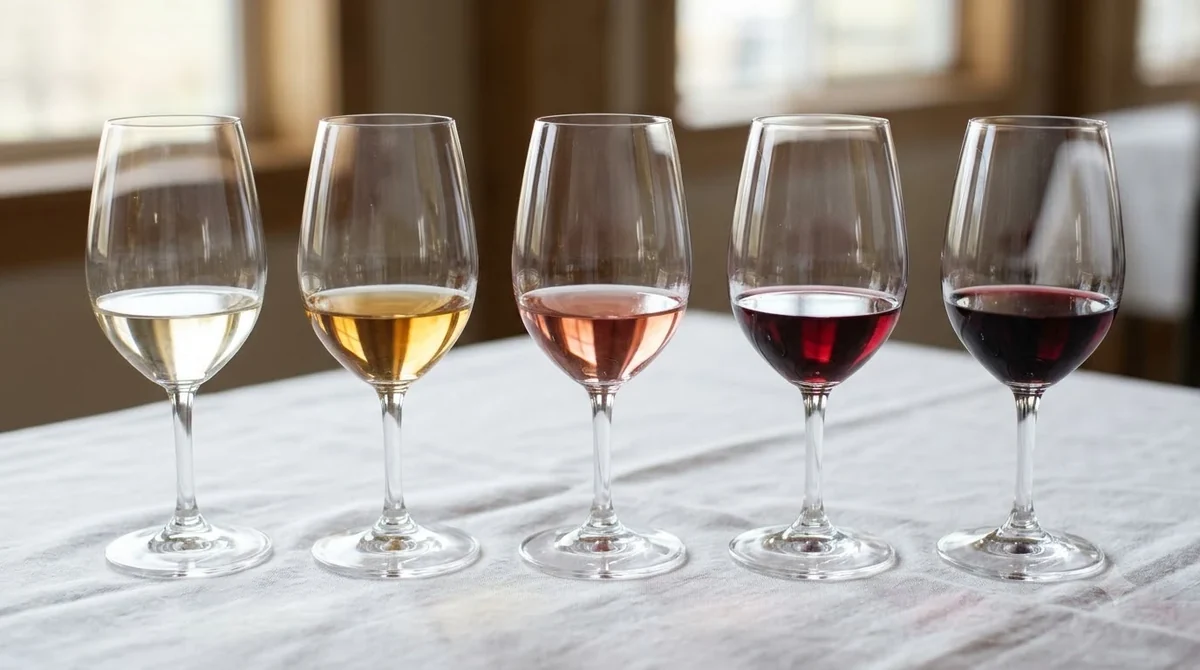
Riesling: Look for an off-dry German Riesling, particularly one labeled Kabinett. Its combination of bright acidity, citrus, orchard fruit, and gentle sweetness works particularly well with Cajun seasoning. The sweetness is not meant to make the meal taste sugary. Instead, it helps moderate the sensation of cayenne, black pepper, and hot sauce while allowing shrimp, crab, and crawfish to retain their delicate character. A dry Riesling is also a good choice if the seasoning is relatively mild.
Dry rosé: A Provence-style rosé or another dry, fruit-forward rosé offers a different kind of balance. Its refreshing acidity handles butter and salt, while strawberry, watermelon, and citrus notes complement corn, smoked sausage, and seasoned shrimp. Rosé is particularly useful when a seafood boil includes several different ingredients and guests have different preferences. It offers enough fruit for richer ingredients without the noticeable sweetness of an off-dry white.
Sparkling wine: Brut sparkling rosé, Cava, and Prosecco can all work. Their bubbles provide a refreshing contrast to melted butter and salty seasoning. Sparkling rosé is especially attractive for crawfish boils and large summer gatherings. Wine Enthusiast interviewed three New Orleans wine professionals about Louisiana food pairings, and their recommendations for crawfish boil included sparkling rosé, Brut Prosecco, and Riesling. Their suggestions demonstrate how several different wine styles can succeed when they balance salt, spice, and seafood character.
Sauvignon Blanc: Choose this variety when the boil is more lemony, herbal, and moderately seasoned than intensely spicy. Its high acidity and citrus character complement shrimp, crab, and clams, particularly when fresh lemon juice is served alongside the seafood. It is a reliable dry option for people who prefer crisp wines without noticeable sweetness.
For most traditional seafood boils, start with an off-dry Riesling or sparkling rosé. Choose Sauvignon Blanc when citrus and herbs dominate, and select dry rosé when the meal includes substantial butter and smoked sausage.
How Cajun Seasoning, Salt, and Chili Heat Affect Wine
Cajun seasoning changes the pairing because it introduces more than heat. Cayenne, black pepper, garlic, onion, salt, paprika, and other spices create an assertive flavor profile that can make high-alcohol, tannic, or very dry wines seem harsher. The safest approach is to choose refreshing acidity, moderate alcohol, and some fruit sweetness when the seasoning is particularly hot.
Salt can make fruit flavors in wine seem more pronounced, but excessive salt also makes a flat, low-acid wine feel heavy. A high-acid Riesling or Sauvignon Blanc helps reset the palate after bites of heavily seasoned shrimp and crab. This is similar to squeezing lemon over seafood: the refreshing acidity contrasts with the savory seasoning rather than competing with it.
Chili heat requires additional care. Alcohol and tannin can amplify the burning sensation of spicy food, so a powerful, high-alcohol red is generally a poor match for a cayenne-heavy boil. An off-dry Riesling is particularly useful because its sweetness can soften the perception of heat. Chenin Blanc with a touch of residual sugar is another good possibility. For a very spicy boil, avoid choosing a wine solely because it is dry and crisp; fruit character and alcohol level matter too.
There is a difference between a mildly seasoned seafood boil and one prepared with several tablespoons of hot sauce, cayenne, and concentrated Cajun seasoning. The first can work beautifully with a dry Sauvignon Blanc or Brut sparkling wine. The second benefits from a little sweetness, making off-dry Riesling a more dependable choice.
The regional food-and-wine recommendations in Wine Enthusiast’s guide to classic New Orleans dishes include sparkling rosé, Brut Prosecco, and Riesling for crawfish boil. These examples support a useful principle: the wine should refresh the palate while accommodating the seasoning rather than trying to overpower it.
Pairing Wine With Shrimp, Crab, Crawfish, and Other Ingredients
The seafood itself influences the pairing, but the additional ingredients can be just as important. Shrimp and crawfish generally favor crisp whites, crab can handle fuller wines, and clams and mussels benefit from mineral-driven acidity. Smoked sausage and butter call for enough fruit and body to keep the wine from disappearing beside the richer ingredients.
Shrimp: Sauvignon Blanc, dry rosé, and Riesling are all dependable choices. Shrimp has a naturally sweet, delicate flavor that can be overwhelmed by heavy oak or aggressive tannins. A citrus-driven white is particularly suitable when shrimp is served with lemon wedges, parsley, and garlic butter. If the shrimp is heavily seasoned with cayenne, switch to off-dry Riesling.
Crab: Crab meat is naturally sweet and delicate, so it benefits from wines that have good acidity without excessive intensity. Dry Riesling, Chenin Blanc, and sparkling wine work well with steamed crab legs. If the crab is served with substantial melted butter, an unoaked or lightly oaked Chardonnay can provide additional body. Avoid heavily tannic reds, which can overwhelm the crab’s subtle flavor.
Crawfish: Crawfish is particularly associated with Louisiana-style boils, where salt, cayenne, garlic, and aromatics play major roles. Off-dry Riesling, sparkling rosé, and Brut Prosecco are strong options. A lightly sweet wine is especially helpful when crawfish is coated in concentrated seasoning rather than simply steamed.
Clams and mussels: These shellfish have a distinctly briny character that pairs well with mineral-driven whites. Albariño, Muscadet, dry Riesling, and sparkling wine are good choices. Their acidity complements the natural salinity without introducing heavy oak or tannin. If the boil includes plenty of clams and mussels alongside shrimp, a dry Albariño is a particularly useful compromise.
Lobster: Lobster has a richer texture and sweet meat, particularly when served with melted butter. Chardonnay becomes more attractive here, especially a lightly oaked style with enough acidity to prevent the pairing from feeling heavy. Sparkling wine is another option because its acidity and bubbles contrast with the butter.
Smoked sausage: Andouille or other smoked sausage introduces fat, smoke, salt, and savory seasoning. A light, fruity rosé or moderately fruity Riesling can bridge the gap between the sausage and shellfish. The wine should have enough flavor to remain noticeable alongside the sausage without becoming overly alcoholic or tannic.
Corn and potatoes: These ingredients are less demanding than the seafood, but they still influence the overall meal. Sweet corn works well with Riesling’s orchard-fruit character, while potatoes and butter benefit from crisp acidity. Sauvignon Blanc and Chenin Blanc are particularly useful when the boil includes generous amounts of lemon, parsley, and garlic.
Choosing Between Sauvignon Blanc, Riesling, Rosé, and Chardonnay
These four wine styles cover most seafood boil preparations, but they serve different purposes. Riesling is strongest with chili heat, Sauvignon Blanc is best for citrus and herbs, rosé is versatile with mixed ingredients, and Chardonnay is particularly useful when butter and rich shellfish dominate.
Riesling should be the first consideration for a traditional Cajun boil. An off-dry German Riesling provides enough sweetness to soften the perception of chili while retaining the acidity needed for salty shellfish. If you prefer a completely dry wine, choose a dry Riesling with pronounced fruit and refreshing acidity instead.
Sauvignon Blanc is better suited to a lighter preparation. Imagine shrimp, clams, and corn seasoned with lemon, garlic, parsley, and a moderate amount of Old Bay. The wine’s citrus and herbal character complement those ingredients without introducing additional sweetness. New Zealand Sauvignon Blanc can be particularly expressive, while French Sauvignon Blanc from the Loire Valley often provides a more restrained style.
Rosé is the flexible choice for a seafood boil that includes several ingredients and different seasoning levels. Dry rosé combines refreshing acidity with berry fruit, making it a natural partner for crab, shrimp, sausage, corn, and garlic butter. Sparkling rosé adds bubbles that refresh the palate between bites.
Chardonnay is best reserved for a richer preparation. If the seafood is served with butter, garlic, or a creamy dipping sauce, Chardonnay has the body to match. Unoaked Chardonnay is a sensible choice when lemon and shellfish remain prominent. Lightly oaked Chardonnay works when butter and lobster or crab dominate the plate.
Tip: If you are serving one wine for a large seafood boil, choose off-dry Riesling. It is more adaptable to chili heat than most dry whites, while its acidity also works with shrimp, crab, crawfish, lemon, and salty seasoning. If your guests strongly prefer dry wine, choose a dry rosé or Sauvignon Blanc instead.
Serving Temperature and Wine Quantities for a Seafood Boil
Serve white wines, rosé, and sparkling wines properly chilled so their acidity and freshness remain prominent alongside the hot, seasoned seafood. A practical target is 45–50 F for light whites and rosé, 43–50 F for sweet whites, and 40–50 F for sparkling wine. Fuller Chardonnay can be served slightly warmer, around 50–55 F.
Temperature matters because very cold wine can lose some of its aromatic character, while warm wine can make alcohol seem more pronounced. This is especially important with spicy food. An off-dry Riesling served too warm may seem sweeter and more alcoholic than intended. A Sauvignon Blanc served excessively cold may lose some of its citrus and herbal detail.
The following temperatures provide useful starting points for common seafood boil pairings:
| Wine Style | Serving Temperature | Best Seafood Boil Match |
|---|---|---|
| Off-dry Riesling | 43–50 F | Spicy shrimp, crawfish, and crab |
| Dry Riesling | 45–50 F | Clams, shrimp, and moderately seasoned crab |
| Sauvignon Blanc | 45–50 F | Lemon, garlic, herbs, and shrimp |
| Dry rosé | 45–50 F | Mixed seafood, sausage, and corn |
| Sparkling rosé | 40–50 F | Crawfish, spicy crab, and buttery shellfish |
| Brut Prosecco | 40–50 F | Salty shellfish and moderately spicy seasoning |
| Chardonnay | 50–55 F | Crab, lobster, and garlic butter |
| Chenin Blanc | 45–50 F | Clams, shrimp, and moderately spicy seafood |
For quantities, a standard 750 ml bottle provides approximately five 5-ounce glasses. A gathering of eight adults who each want two glasses will need approximately four bottles. If sparkling wine is served as an opening drink and a still white accompanies the main meal, divide the quantity between the two styles according to your guests’ preferences.
Keep unopened bottles in an ice bucket or refrigerator until needed. An ice bucket with ice and water chills bottles more evenly than ice alone. Once opened, keep still white wine and rosé refrigerated and aim to finish them within 3–5 days. Sparkling wine generally retains its best character for approximately 1–3 days when properly resealed and refrigerated.
Consider the practical setting, too. Seafood boils are often served outdoors, where bottles can warm quickly. Rather than putting every bottle on the table at once, bring out smaller quantities and keep the rest chilled. This preserves freshness throughout a long meal and reduces the chance that the wine will become warm before the seafood is finished.
Building a Complete Seafood Boil Wine Pairing
A successful seafood boil pairing considers the complete spread rather than just the main shellfish. Think about seasoning intensity, dipping sauces, vegetables, sausage, and serving conditions before deciding which wine to open. One versatile bottle is often more useful than several wines that each match only a single ingredient.
For a classic Louisiana-style spread with shrimp, crab legs, crawfish, corn, potatoes, and andouille sausage, choose an off-dry Riesling. Its fruit and acidity provide a useful balance for the seafood and spicy seasoning. If the meal is less spicy but particularly rich in butter, sparkling rosé is an excellent alternative.
For a lighter coastal-style boil featuring shrimp, clams, mussels, potatoes, and fresh lemon, choose Albariño or Sauvignon Blanc. Both offer refreshing acidity that complements briny shellfish and citrus. Albariño is particularly attractive when clams and mussels make up a substantial portion of the meal.
For a garlic-butter seafood boil, consider Chardonnay or Brut sparkling wine. Chardonnay matches the weight of the butter and richer shellfish, while sparkling wine offers a contrasting texture and refreshing acidity. If the butter sauce includes hot sauce or cayenne, a fruitier sparkling rosé may be more adaptable than a completely dry, austere wine.
Here is a practical way to plan the pairing around three common menus:
Classic Cajun seafood boil
Choose off-dry Riesling for shrimp, crawfish, crab legs, corn, potatoes, and smoked sausage seasoned with cayenne, garlic, paprika, and Old Bay. The wine’s sweetness helps soften the spice while its acidity keeps the combination refreshing. This is the safest single-bottle recommendation for a traditional spicy seafood boil.
Butter and garlic seafood boil
Choose Chardonnay or sparkling rosé for crab, lobster, shrimp, and clams served with melted butter, garlic, parsley, and lemon. Chardonnay offers sufficient body for the richer sauce, while sparkling rosé adds freshness and a little berry character. If chili heat is prominent, choose the rosé rather than a heavily oaked Chardonnay.
Coastal shellfish boil
Choose Albariño, dry Riesling, or Brut Cava for shrimp, clams, mussels, and crab with light seasoning, herbs, and citrus. These wines complement briny shellfish without overwhelming their natural sweetness. This menu is particularly suitable for guests who prefer dry, crisp wines.
Seafood boil pairings also benefit from a little planning around the rest of the meal. If the gathering begins with a cheese course, for example, a strong blue cheese may require a different wine than the shellfish. The principles behind what wine goes with blue cheese can help when planning that separate course. For broader guidance on balancing acidity, sweetness, tannin, and food intensity, explore our Wine Pairing fundamentals.
Other seafood dishes require their own adjustments. A pasta preparation with cream, tomato, or garlic sauce can call for a different wine than a heavily seasoned boil. Our guide to what wine goes with seafood pasta explains how sauce and preparation influence the pairing.
One final point: avoid choosing a powerful Cabernet Sauvignon or Syrah simply because smoked sausage is part of the boil. Their higher tannin levels and stronger structure can overwhelm shellfish and become particularly harsh alongside chili heat. If you want a red wine option, a light Pinot Noir with lower tannin is a more sensible alternative, although it is generally better suited to a separate course featuring salmon or other richer fish.
Frequently Asked Questions
Can you drink red wine with a seafood boil?
Yes, but choose a light red with restrained tannin and moderate alcohol. Pinot Noir or Gamay served slightly chilled can work better than a powerful Cabernet Sauvignon. For a traditional crawfish or shrimp boil with substantial cayenne, white wine and rosé remain more reliable choices.
Is Moscato a good wine for seafood boil?
Moscato can work with a very spicy seafood boil if you enjoy noticeably sweet wines. Its fruit character and sweetness can soften chili heat, although its lower acidity may make it less refreshing alongside salty butter sauces. A lightly sweet Riesling generally provides a more balanced alternative.
Does Champagne pair with crab legs and crawfish?
Yes. Champagne made using the traditional bottle-fermentation method can pair particularly well with crab and crawfish because its fine bubbles, acidity, and developed flavors complement shellfish. Brut Rosé Champagne is a particularly appealing choice for a festive meal, especially when the seasoning is not excessively hot.
Is Pinot Grigio suitable for a seafood boil?
Pinot Grigio is suitable for a mild seafood boil featuring shrimp, crab, clams, and lemon. Its generally light-bodied character works best when the seafood is not heavily coated in butter or intense Cajun seasoning. A fuller, more aromatic white is preferable if smoked sausage and strong spices dominate the dish.
Should you chill wine in the freezer before serving a seafood boil?
A short freezer chill can help cool a bottle, but it should never be forgotten there because liquid expands as it freezes and a bottle can crack. A more controlled alternative is an ice-and-water bucket, which generally cools wine efficiently. Allow fuller whites such as Chardonnay to warm slightly before serving so their aromas remain expressive.
For most traditional seafood boils, off-dry Riesling is the best starting point because it balances spicy seasoning, salt, and the natural sweetness of shellfish. Sauvignon Blanc, dry rosé, and sparkling wine provide excellent alternatives depending on the amount of citrus, butter, and chili in the meal. Serve the wine properly chilled, keep the flavors of the complete spread in mind, and choose a bottle that complements the seafood rather than competing with it.
More in Food & Wine Pairing
 Risotto With White Wine Recipe: Make a Creamy Dinner at HomeUpdated Nov 20, 2026
 Wassail With Wine Recipe for a Festive Spiced Holiday DrinkUpdated Nov 20, 2026
 Spritz Veneziano Recipe: Make a Classic Venetian Aperitivo at HomeUpdated Nov 20, 2026
 Summer Wine Punch Recipe for Easy Homemade EntertainingUpdated Nov 20, 2026
 Bishop Recipe: How to Make a Bright, Citrus-Forward Red Wine CocktailUpdated Nov 20, 2026
 Wine Cupcakes Recipe: Bake Rich Chocolate Cupcakes at HomeUpdated Nov 20, 2026