


We may earn a commission when you buy through links on this page, at no extra cost to you. Learn more.
What wine goes with quiche? Dry white wines with refreshing acidity, particularly Pinot Blanc, Riesling, and unoaked Chardonnay, are excellent choices for balancing its buttery pastry and creamy egg filling. Sparkling wines such as Brut Crémant and Champagne also complement the dish, especially at brunch or when serving quiche cold. For vegetable versions, Sauvignon Blanc adds freshness, while a light Pinot Noir can work with mushroom-heavy fillings.
Quiche is a flexible dish, but its combination of eggs, cream, butter, and savory fillings creates a particular challenge for wine pairing. The wine needs enough acidity to refresh the palate without overwhelming the delicate custard. The best choice also depends on whether the filling contains smoked bacon, Gruyère, spinach, mushrooms, seafood, or seasonal vegetables. Understanding these differences makes it easier to choose a bottle that works with the entire meal rather than just one ingredient.
Why Crisp, Dry White Wines Work Best with Quiche
Dry white wine is generally the most dependable match for quiche because its acidity balances the richness of eggs, cream, and buttery pastry. Pinot Blanc, Riesling, and unoaked Chardonnay offer different levels of freshness and body, allowing you to match the wine to the filling.
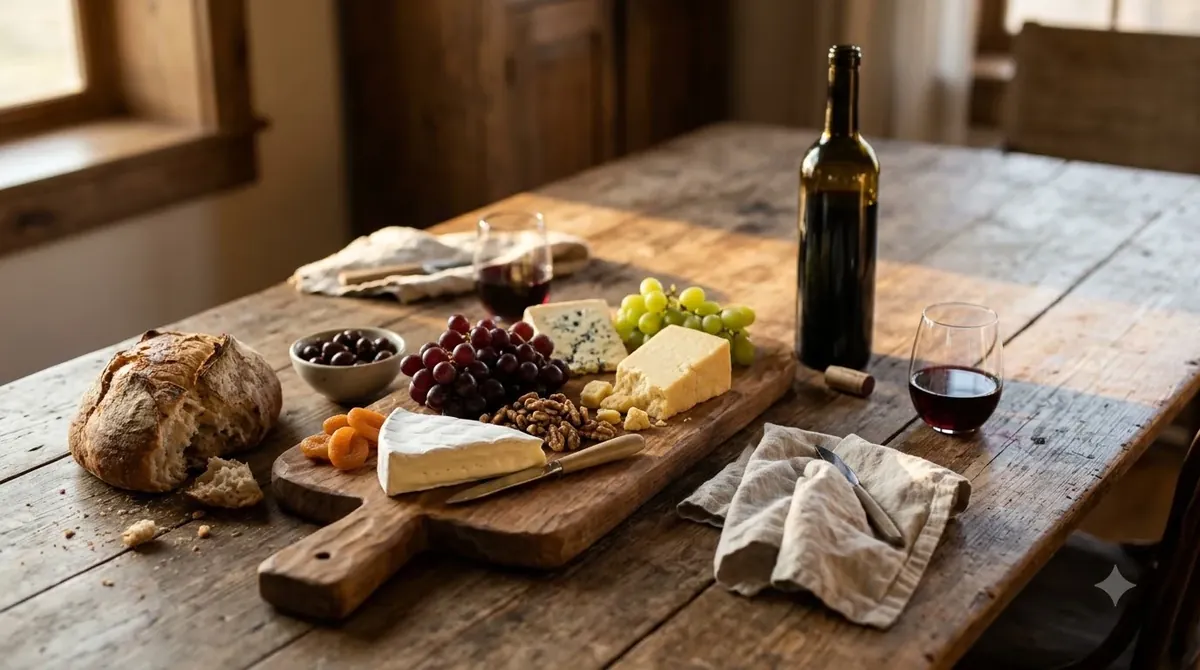
Quiche has three important components from a pairing perspective. The pastry contributes butter and a slightly toasted flavor, the egg-and-cream filling creates a soft and rich texture, and the additional ingredients introduce salt, smoke, vegetables, or cheese. A wine with refreshing acidity helps prevent those elements from making the meal feel overly heavy.
Pinot Blanc is a particularly approachable starting point. Alsace Pinot Blanc typically has gentle apple and pear flavors, moderate acidity, and enough texture to complement the custard. It does not demand attention, which is useful when the filling includes mild ingredients such as onions, leeks, or a modest amount of bacon. Its relatively restrained character also makes it suitable for serving several varieties of quiche at the same meal.
Riesling is a better option when the filling is especially rich or salty. A dry Riesling brings lively acidity and citrus, green apple, or stone-fruit character. Alsace Riesling and dry German Riesling are useful choices, particularly alongside bacon, Gruyère, and other strongly flavored ingredients. Choose a genuinely dry style rather than a noticeably sweet one for a traditional savory quiche.
Unoaked Chardonnay provides another dependable pairing. Chablis and other lightly styled Chardonnay wines combine apple and citrus flavors with a more substantial texture than many lean white wines. This combination works especially well when the pastry is buttery and the custard contains cream or mild cheese. Avoid heavily toasted, strongly oaked Chardonnay if the quiche is delicate, because pronounced vanilla and oak flavors can dominate the eggs.
Tip: If you are unsure which bottle to choose for a mixed brunch menu, start with dry Pinot Blanc or Brut sparkling wine. Both offer enough freshness for creamy quiche without dominating most traditional fillings.
Another useful choice is Pinot Grigio, particularly a dry Italian example with citrus and green apple character. Its light body works with simpler vegetable quiches and lightly seasoned egg fillings. For more general guidance on matching wine structure and food flavors, explore our Wine Pairing resource.
Best Wine Pairings for Quiche Lorraine
Quiche Lorraine traditionally combines eggs, cream, smoked bacon, and pastry, making dry Riesling and Pinot Blanc particularly good matches. Their acidity balances the richness, while their fruit character complements the savory, salty filling.

The traditional French version of quiche Lorraine uses smoked lardons, eggs, cream, milk, pepper, and nutmeg. Some American and modern interpretations also include Gruyère or Swiss cheese. These additions increase the richness and saltiness, so the wine should have enough acidity to keep the combination balanced.
Dry Alsace Riesling is an excellent option for a traditional bacon quiche. Its citrus and stone-fruit flavors provide contrast to the smoky meat, while its acidity refreshes the palate between bites. A bottle with a mineral character can be particularly appealing because it offers freshness without adding heavy oak or excessive sweetness. This is a useful pairing when the bacon is generously distributed throughout the filling.
Alsace Pinot Blanc is a softer alternative. Its apple and pear notes complement the creamy custard, and its moderate acidity allows the bacon and nutmeg to remain noticeable. Choose this style when the quiche is relatively mild or when you want one wine that can accompany both the main dish and a simple green salad.
For a more rounded pairing, consider a lightly oaked or unoaked Chardonnay from Burgundy. Mâconnais Chardonnay can offer enough texture for the pastry and cream without becoming excessively heavy. Chablis provides a leaner alternative when the bacon and cheese make the filling particularly rich.
There is also an interesting regional pairing in Alsace. Lorraine and Alsace are neighboring regions in northeastern France, and the local white wines have a natural affinity for the savory cooking of the area. An Alsace Riesling or Pinot Blanc brings together regional character and practical pairing balance. For a more detailed discussion of the classic bacon-and-egg version, see what wine goes with quiche Lorraine.
One additional option is Medium Sherry. The Sherry Wines organization specifically recommends this style with quiche. Medium Sherry generally combines Oloroso and/or Amontillado with a small proportion of Pedro Ximénez, often around 5 percent. Its fuller character offers an alternative to conventional dry whites, particularly when the quiche has a strongly savory filling. Serve it slightly chilled at approximately 54–57°F, following the recommendation from Sherry Wines’ quiche pairing guidance.
Choosing Wine for Spinach, Mushroom, and Vegetable Quiche
Vegetable quiche usually pairs best with crisp white wine, although the specific vegetable determines how much acidity and body the wine should have. Sauvignon Blanc and Riesling suit green vegetables, while Pinot Blanc and Pinot Gris are useful for sweeter ingredients such as carrots and pumpkin.
Spinach quiche works particularly well with Sauvignon Blanc. The wine’s bright acidity and herbal character complement the earthy, green flavor of spinach. Loire Valley Sauvignon Blanc offers a restrained citrus and mineral profile, while New Zealand Sauvignon Blanc can provide more pronounced herbal and tropical fruit notes. Choose according to how strongly the spinach is seasoned and whether the filling contains cheese.
Leek quiche benefits from a similar approach. Leeks become sweet and mild as they cook, but they retain a gentle vegetal character. Sauvignon Blanc provides a refreshing contrast, while dry Riesling adds citrus acidity without overpowering the filling. If the quiche includes cream and a substantial quantity of cheese, a fuller Pinot Blanc can also work well.
Mushroom quiche calls for a wine with a little more earthy character. Pinot Noir is a particularly interesting option because its red-fruit flavors, relatively low tannin, and natural acidity can complement mushrooms without overwhelming the custard. A light Pinot Noir from Burgundy or Oregon is a good place to start. Serve it slightly cool, around 55–60°F.
For mushroom fillings, Chardonnay is another practical choice. An unoaked or lightly oaked version provides enough texture for the cream and pastry, while its apple and subtle mineral notes work with the earthy mushroom flavors. If the mushrooms are sautéed with garlic, thyme, or shallots, the extra savory character also makes a lightly aromatic white wine appealing.
Pumpkin and carrot quiche are slightly different. These vegetables develop natural sweetness during cooking, especially when roasted. Pinot Gris and Pinot Blanc provide rounder fruit flavors that complement the filling without introducing excessive sharpness. A dry Riesling can also work if the vegetables are balanced with salty cheese or fresh herbs.
Tomato quiche requires more attention to acidity. Tomatoes bring noticeable tartness, and a wine with insufficient acidity can taste flat beside them. Sauvignon Blanc and dry sparkling wine are useful options because their freshness keeps pace with the tomato. If the recipe includes roasted peppers, zucchini, and Mediterranean herbs, a dry rosé can provide another versatile match.
For a vegetable-heavy brunch, Sauvignon Blanc is a reliable all-purpose choice. However, a mixed table with spinach, mushrooms, and roasted pumpkin may be better served by Pinot Blanc or Brut Crémant, particularly if several guests want to try different slices.
Wine Pairings for Cheese and Seafood Quiche
Cheese and seafood change the character of quiche considerably, so the wine should complement the dominant ingredient as well as the egg custard. Dry Riesling, Chardonnay, Pinot Blanc, and sparkling wine cover most of these variations.
Gruyère quiche is particularly well suited to dry Riesling. The cheese contributes savory, nutty, and sometimes slightly salty flavors, while the wine supplies the acidity needed to balance the rich filling. Alsace Riesling is a natural choice, but dry German Riesling can also work. A lightly styled Chardonnay is another option if the recipe contains substantial cream.
For goat cheese quiche, Sauvignon Blanc is often the strongest choice. Goat cheese has a distinctive tang that pairs naturally with the wine’s citrus and herbal character. A Sancerre or Pouilly-Fumé can provide a mineral, refreshing match. Dry Chenin Blanc from the Loire Valley is another good alternative, especially when the recipe includes caramelized onions or fresh herbs.
Blue cheese presents a more challenging pairing because of its concentrated saltiness and strong flavor. A wine with sufficient fruit and freshness is preferable to an intensely tannic red. Depending on the cheese quantity and the other ingredients, a fruit-forward white or a suitable slightly sweet wine may work better than a powerful dry red. For more specific suggestions, see what wine goes with blue cheese.
Salmon quiche is best matched with Pinot Blanc, Chardonnay, or Brut sparkling wine. Salmon has a richer texture than many white fish, and its flavor needs a wine with enough body to avoid disappearing beside the filling. Unoaked Chardonnay works particularly well with salmon, cream, and dill, while Pinot Blanc offers a lighter alternative.
Smoked salmon introduces additional salt and smoke, making dry Riesling an especially useful option. Its acidity balances the richness, and its citrus character provides a pleasant contrast to the smoky fish. Brut sparkling wine also works well when the salmon quiche is served as part of a brunch spread.
For shrimp or crab quiche, consider Sauvignon Blanc or Chablis. These wines bring freshness and subtle mineral character that complement the delicate seafood flavors. Avoid strong oak, which can make the seafood taste less distinct.
There is one important distinction with seafood: oily fish and tannic red wine are generally an unfavorable combination. Salmon may work with a very light Pinot Noir in some preparations, but dry white wine remains the safer choice for a creamy salmon quiche. The same principle applies to other seafood fillings, where acidity and freshness are more useful than firm tannins.
Can You Drink Red, Rosé, or Sparkling Wine with Quiche?
White wine is usually the best match, but red, rosé, and sparkling wines can also work when their structure suits the filling. Light Pinot Noir and Gamay are the most practical red options, while dry rosé and Brut sparkling wine offer versatility across different quiche recipes.
Pinot Noir is a good starting point for anyone who prefers red wine. Its relatively low-to-medium tannin, high acidity, and red-fruit flavors make it more compatible with egg custard than heavier reds. A light Burgundy Pinot Noir or Oregon Pinot Noir can accompany mushroom quiche, caramelized onion quiche, and some bacon-based versions.
Gamay is another useful option. Beaujolais wines are typically fruit-forward and relatively low in tannin, making them suitable for earthy mushroom fillings and savory vegetable preparations. Serve a lighter Beaujolais slightly chilled, around 55–60°F, to keep the fruit fresh and the structure lively.
However, Cabernet Sauvignon, Syrah, and heavily structured red blends are generally poor choices. Cabernet Sauvignon has high tannin, while Syrah can have medium-plus to high tannin. These characteristics can become harsh alongside the delicate eggs and cream. Salt and fat can soften tannin in some food pairings, but quiche does not usually provide enough structure to make a powerful red wine feel balanced.
Dry rosé offers a middle ground. Its fresh acidity and red-fruit character work well with bacon, roasted peppers, tomato, and Mediterranean vegetables. A Provence rosé is a suitable choice for lighter vegetable quiche, while a slightly fuller rosé can accommodate more strongly seasoned fillings. Choose a dry style rather than a noticeably sweet bottle for a traditional savory recipe.
Brut sparkling wine is one of the most versatile options. Champagne, Cava, and Crémant provide refreshing acidity and bubbles that contrast with buttery pastry and creamy custard. Brut is generally dry enough to complement savory fillings without introducing noticeable sweetness. Crémant d’Alsace is especially appealing for a regional pairing with Lorraine-style quiche.
Sparkling wine is also useful when serving quiche cold. A chilled Brut Cava or Champagne brings freshness to a picnic or buffet, where the buttery pastry can feel more prominent. For a brunch gathering with several fillings, one bottle of Brut sparkling wine is often easier to coordinate than separate bottles for each variety.
Serving Temperature, Portions, and Practical Pairing Tips
Serving temperature affects how a wine tastes beside quiche, particularly when the dish is rich or served at room temperature. Light whites should remain cool, fuller whites need slightly more warmth, and light reds benefit from gentle chilling.
Use the following temperatures as practical starting points. They allow the wine to retain its intended freshness while giving its aromas enough room to develop.
| Wine style | Serving temperature | Best quiche pairing |
|---|---|---|
| Pinot Blanc | 45–50°F | Classic Lorraine and mild vegetable quiche |
| Dry Riesling | 45–50°F | Bacon, Gruyère, and spinach quiche |
| Sauvignon Blanc | 45–50°F | Spinach, leek, and goat cheese quiche |
| Chardonnay | 50–55°F | Creamy cheese and salmon quiche |
| Pinot Gris | 45–50°F | Pumpkin, carrot, and roasted vegetable quiche |
| Brut Champagne or Crémant | 40–50°F | Cold quiche and brunch buffets |
| Dry rosé | 45–50°F | Tomato, pepper, and Mediterranean vegetable quiche |
| Light Pinot Noir | 55–60°F | Mushroom and caramelized onion quiche |
The wine should also be poured in a moderate quantity. A standard 5-ounce pour allows enough room to appreciate the wine’s aromas without filling the glass to the rim. A standard 750-milliliter bottle provides approximately five such servings, which is useful when planning a brunch for a small group.
Consider how the quiche will be served. Warm quiche tends to release more of its creamy and savory aromas, while refrigerated or room-temperature quiche can make the pastry and fat more prominent. Sparkling wine and crisp dry whites are especially useful when serving cold slices because their acidity helps refresh the palate.
The preparation method matters as well. A properly baked crust has a pleasant buttery texture, while an underbaked crust can make the entire dish seem heavier. One traditional preparation method uses a 26-centimeter tart tin, chills the pastry for 30 minutes, and blind-bakes it for 10 minutes at 180°C before adding the filling. These steps help establish a firm pastry base for the custard.
Once the quiche is baked, allow it to rest for approximately 10 minutes before slicing. This gives the filling time to settle and makes serving easier. It also avoids placing extremely hot food beside a wine that has just been chilled, allowing the flavors of both to remain more distinct.
For a larger gathering, match the wine to the most prominent filling rather than every individual ingredient. Dry Riesling works well when bacon and cheese dominate, while Pinot Blanc is more adaptable when the quiche contains several mild vegetables. Brut sparkling wine is a particularly useful compromise for a varied brunch menu.
Frequently Asked Questions
What is the single best wine to serve with quiche?
Alsace Pinot Blanc is an excellent all-around choice because it combines apple and pear flavors with moderate acidity and a balanced texture. Its relatively restrained character makes it suitable for both classic Lorraine quiche and milder vegetable versions. For particularly rich bacon or cheese fillings, dry Riesling is another excellent option.
Is Pinot Grigio good with quiche?
Yes. Dry Pinot Grigio, especially from northern Italy, offers fresh citrus and green apple character that complements lighter egg fillings. It is particularly suitable for vegetable quiche with zucchini, leeks, or spinach. Choose a crisp, dry style rather than a fuller, heavily textured white.
Can I serve Champagne with quiche for brunch?
Yes. Brut Champagne is an excellent brunch pairing because its acidity and bubbles complement rich pastry and creamy egg filling. Blanc de Blancs Champagne, made entirely from white grapes, is particularly suitable when the quiche contains seafood or mild cheese. Serve sparkling wine at approximately 40–50°F.
Does sweet wine work with savory quiche?
A slightly rounded wine can work, but a noticeably sweet wine is generally less suitable for salty bacon and cheese fillings. Medium Sherry is a distinct alternative because its combination of oxidative character and a small sweet component is specifically recommended with quiche by Sherry Wines. Serve it at approximately 54–57°F.
What wine should I serve with leftover quiche?
For refrigerated leftover quiche, choose a fresh dry white such as Pinot Blanc or Sauvignon Blanc, or a Brut sparkling wine. If the leftover filling contains mushrooms, a light Pinot Noir is another possibility. Opened still wines generally keep for approximately 3–5 days in the refrigerator when properly resealed, although their aromas can gradually change.
The best wine for quiche is usually a dry white with enough acidity to balance the buttery crust and creamy egg filling. Pinot Blanc offers the greatest flexibility, Riesling suits richer bacon and cheese recipes, and Sauvignon Blanc brings freshness to vegetable versions. For a relaxed brunch or buffet, Brut sparkling wine is an especially versatile choice that makes almost any quiche feel more festive.
More in Food & Wine Pairing
 Risotto With White Wine Recipe: Make a Creamy Dinner at HomeUpdated Nov 20, 2026
 Wassail With Wine Recipe for a Festive Spiced Holiday DrinkUpdated Nov 20, 2026
 Spritz Veneziano Recipe: Make a Classic Venetian Aperitivo at HomeUpdated Nov 20, 2026
 Summer Wine Punch Recipe for Easy Homemade EntertainingUpdated Nov 20, 2026
 Bishop Recipe: How to Make a Bright, Citrus-Forward Red Wine CocktailUpdated Nov 20, 2026
 Wine Cupcakes Recipe: Bake Rich Chocolate Cupcakes at HomeUpdated Nov 20, 2026