


We may earn a commission when you buy through links on this page, at no extra cost to you. Learn more.
What wine goes with mussels? Muscadet is the classic choice because its crisp acidity, light body, and subtle mineral character complement the shellfish’s natural brininess. Spanish Albariño, Sauvignon Blanc, Picpoul de Pinet, and dry sparkling wines are also excellent options. For mussels cooked in cream or butter, a fuller Chardonnay can work particularly well. The best bottle depends on the cooking method, broth, seasoning, and richness of the finished dish.
Mussels are naturally sweet, delicate, and slightly salty, which makes them particularly rewarding to pair with wine. However, a bowl of steamed mussels in garlic broth presents a different pairing challenge from mussels cooked in cream, tomato sauce, or spicy coconut broth. The wine should complement both the shellfish and the ingredients surrounding it. Understanding a few simple pairing principles makes it easier to select a bottle that works with the entire meal rather than competing with individual flavors.
Best Wines to Pair With Mussels
The best wines for mussels are generally dry, refreshing whites with lively acidity and relatively light bodies. Muscadet is the traditional favorite, while Albariño, Sauvignon Blanc, and Picpoul de Pinet offer excellent alternatives for different cooking styles.
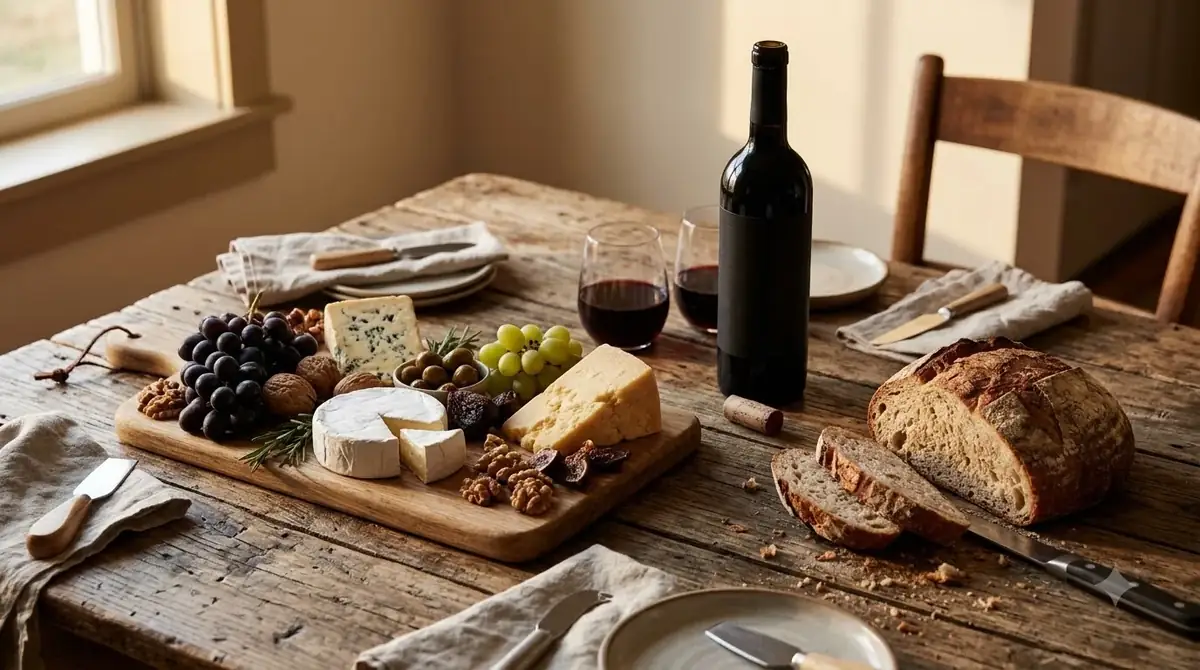
Muscadet: Muscadet from France’s Loire Valley is arguably the most reliable starting point. Made from Melon de Bourgogne grapes, it is typically dry, lean, and refreshing, with citrus, green apple, and mineral characteristics. Its acidity complements the natural saltiness of mussels without covering up their delicate sweetness. Muscadet Sèvre et Maine is an especially useful appellation to look for when choosing a bottle for a traditional mussel dinner.
Another attractive option is Muscadet labeled sur lie. This term indicates that the wine has spent time aging on its lees, or spent yeast cells. The process can contribute a slightly rounder texture and subtle bread-dough or yeasty flavors. These characteristics give the wine additional substance alongside mussels cooked with shallots, butter, and herbs while retaining the freshness needed for seafood. For more detail on the grape, lees aging, and its traditional seafood matches, read this guide to tasting and pairing Muscadet.
Albariño: Spanish Albariño, particularly from Rías Baixas, offers bright acidity, citrus flavors, and a subtle maritime character. It is a particularly good choice for mussels with garlic, parsley, lemon, or olive oil. Compared with a particularly lean Muscadet, some Albariño wines have a little more fruit and texture, which helps them accompany more generously seasoned dishes.
Sauvignon Blanc: Sauvignon Blanc is another dependable option. Its lively acidity and recognizable citrus and herbal flavors complement mussels prepared with parsley, garlic, shallots, and lemon. Loire Valley Sauvignon Blanc can be particularly appealing for a restrained preparation, while New Zealand examples often bring more pronounced citrus and fresh herbal notes.
Picpoul de Pinet: This southern French white is known for its refreshing acidity and citrus-driven character. Its clean, crisp style works with steamed mussels, simple garlic broth, and Mediterranean preparations featuring olive oil and fresh herbs.
Dry sparkling wine: Champagne, Cava, and other dry sparkling wines can also make excellent companions. Their acidity and bubbles refresh the palate between bites, especially when mussels are served with French fries or a lightly fried side dish.
| Wine | Typical character | Best mussel preparation |
|---|---|---|
| Muscadet | Dry, mineral, high acidity | White wine, shallots, and herbs |
| Albariño | Citrus, saline, refreshing | Garlic, parsley, and lemon |
| Sauvignon Blanc | Citrus, herbal, high acidity | Garlic, lemon, and green herbs |
| Picpoul de Pinet | Dry, crisp, citrus-driven | Steamed and Mediterranean mussels |
| Unoaked Chardonnay | Moderate acidity, rounded texture | Butter and cream preparations |
| Brut sparkling wine | Dry, lively acidity, bubbles | Moules frites and fried sides |
| Dry rosé | Fresh acidity, red-fruit character | Tomato, herbs, and Mediterranean spices |
These recommendations provide a useful starting point rather than a rigid set of rules. The intensity of the sauce can change which wine works best. A simple steamed preparation usually needs a lighter wine, while cream, butter, and stronger seasonings can accommodate more texture and body.
For a broader understanding of how acidity, sweetness, body, and tannin affect food combinations, explore our Wine Pairing fundamentals.
Pairing Wine With Different Mussel Preparations
The sauce and cooking method often matter more than the shellfish itself when choosing a wine. Garlic, butter, tomatoes, cream, and chili each influence the pairing in different ways.
White Wine and Garlic Mussels
Mussels steamed with white wine, garlic, shallots, and parsley are among the easiest preparations to pair. Muscadet is the traditional choice because its acidity and mineral character complement the briny cooking liquid. Albariño and Sauvignon Blanc are equally sensible alternatives, particularly if the recipe includes generous amounts of fresh herbs or lemon.
The cooking wine can also provide a useful clue. If the mussels are steamed in a dry, crisp white, serving a similar style alongside the finished dish creates continuity between the broth and the glass. There is no need to introduce a heavily oaked or particularly aromatic wine that changes the character of the meal.
Mussels in Garlic Butter
Butter adds richness and a smooth texture to mussels, so the accompanying wine should have enough acidity to refresh the palate. Albariño is a good option because its citrus notes and moderate texture work with the butter without overwhelming the shellfish.
A dry Sauvignon Blanc can also work well, especially when garlic, parsley, and lemon are prominent. If the preparation is particularly buttery, an unoaked Chardonnay provides a rounder alternative. Its moderate acidity and fuller mouthfeel suit the richness better than an extremely lean white wine might.
Creamy Mussels
Cream-based mussel dishes benefit from a white wine with more body than the leanest seafood wines. Unoaked Chardonnay is a reliable choice, offering a rounded texture that complements cream while retaining enough freshness to keep the meal balanced.
A lightly oaked Chardonnay can work when the sauce includes substantial cream, butter, or other rich ingredients. However, heavy oak and pronounced vanilla flavors are generally unnecessary. The goal is to match the sauce’s weight without losing the delicate sweetness of the mussels.
Tomato-Based Mussels
Tomatoes introduce acidity and sometimes a little sweetness, particularly in sauces made with cooked tomatoes, onions, and garlic. Choose a wine with equally lively acidity so it does not taste flat alongside the sauce. Sauvignon Blanc, Albariño, and dry rosé are all suitable choices.
For a Mediterranean preparation with oregano, basil, olive oil, and tomatoes, dry rosé can be especially appealing. Its red-fruit character complements the savory sauce, while its refreshing acidity keeps the pairing from feeling heavy.
Spicy Mussels
Chili, cayenne, and spicy curry pastes change the pairing considerably. Alcohol and tannin can make chili heat feel stronger, so avoid powerful red wines and high-alcohol bottles. A dry or slightly off-dry Riesling is often a better option because its acidity and touch of residual sweetness help balance the heat.
For mussels prepared with coconut milk, ginger, and chili, a lightly off-dry Riesling offers a particularly useful balance. Sauvignon Blanc may work with mild seasoning, but a wine with some residual sweetness is often more comfortable alongside a genuinely hot sauce.
Understanding the Best White Wine Styles
Different white wine grapes bring different combinations of acidity, body, aroma, and texture. Knowing these differences helps narrow down the right bottle when Muscadet is unavailable or the recipe calls for something richer.
Muscadet and Melon de Bourgogne
Muscadet deserves its reputation as a classic mussel wine because it combines high acidity with a relatively restrained flavor profile. It is made from Melon de Bourgogne, a grape that produces dry whites with citrus, green apple, and mineral characteristics.
The wine’s restraint is an advantage. Instead of competing with the mussels, it supports their delicate flavor and refreshes the palate. This is particularly useful with moules marinières, the traditional French preparation made with mussels, white wine, shallots, and herbs.
Look for Muscadet Sèvre et Maine if you want a recognizable regional style. A sur lie bottling is also worth considering when the recipe includes butter or a more substantial broth. The lees-aged style can bring additional texture without losing the wine’s refreshing acidity.
Albariño From Rías Baixas
Albariño is a natural alternative for seafood because of its freshness and expressive citrus character. The grape is closely associated with Rías Baixas in northwestern Spain, where coastal conditions have helped establish its reputation as a seafood-friendly white.
Expect flavors that can include lemon, lime, green apple, and stone fruit, with a refreshing finish. Some examples also have a subtle salty or mineral impression. These characteristics complement mussels cooked with garlic, parsley, lemon, and olive oil.
Albariño generally has a little more aromatic expression than Muscadet. That makes it a particularly good option when the mussel recipe includes several herbs or when the dish has a stronger Mediterranean character.
Sauvignon Blanc
Sauvignon Blanc is a practical choice for mussels because of its high acidity and fresh herbal character. Depending on its origin and winemaking style, it can offer lime, grapefruit, green apple, grass, and fresh herb flavors.
A restrained Loire Valley Sauvignon Blanc is suitable for simple steamed mussels, especially with lemon and parsley. A more expressive New Zealand Sauvignon Blanc can work with recipes that feature strong garlic and herbs, although particularly intense examples may dominate a delicate broth.
Chardonnay
Chardonnay offers more flexibility when mussels are served with richer ingredients. Unoaked Chardonnay generally retains a clean citrus and apple character, while some fuller styles have a creamier texture and softer acidity.
For mussels in a light butter sauce, choose a Chardonnay with moderate body and good freshness. For a cream-heavy preparation, a lightly oaked example can provide additional weight. Avoid wines with very pronounced oak when the shellfish are simply steamed, since the wine can overwhelm their subtle flavors.
Can You Drink Red Wine or Rosé With Mussels?
White wine remains the safest choice, but red wine and rosé are not automatically excluded. The important considerations are tannin, body, acidity, and the intensity of the preparation.
Red wines with high tannin can clash with seafood, creating an unpleasant metallic impression and overpowering delicate shellfish flavors. Cabernet Sauvignon and strongly structured Syrah are generally poor choices for a simple bowl of steamed mussels. Their tannin and weight can dominate the dish.
If you prefer red wine, look for lighter-bodied styles with low to moderate tannin. Pinot Noir is a reasonable option, especially when mussels are grilled or served in a tomato-based preparation. Its red-fruit flavors and comparatively gentle structure make it more compatible with seafood than a powerful Cabernet Sauvignon.
Beaujolais made from Gamay is another possibility. Its lighter body, fresh fruit, and relatively gentle tannin can work with mussels served alongside grilled vegetables or a savory tomato sauce. Serve it slightly cool rather than at a warm room temperature.
Dry rosé offers an easier compromise. It has the freshness needed for shellfish but also brings enough fruit to accompany richer seasonings. Provence-style rosé is particularly suitable for Mediterranean preparations with tomatoes, herbs, olive oil, and garlic.
There is also a useful distinction between the mussels and the other ingredients on the plate. If the meal includes a rich meat-based side or another substantial dish, the wine may need to accommodate those ingredients too. For example, a separate pairing consideration applies to what wine goes with beef brisket, where the meat’s richness and structure change the ideal wine style.
Tip: If you want to serve red wine with mussels, choose a lightly chilled Pinot Noir or Beaujolais rather than a heavily tannic Cabernet Sauvignon. For most traditional mussel recipes, however, dry white wine remains the more dependable choice.
Choosing Wine for Moules Frites and Mussels With Sides
Mussels are often served as part of a larger meal, and the accompanying sides can influence the best wine choice. French fries, bread, vegetables, and cheese each add different textures and flavors to the plate.
Moules Frites
Moules frites combines mussels with French fries and is a classic French and Belgian-style meal. Muscadet is a particularly appropriate match because its acidity complements the shellfish while refreshing the palate between bites of salty, fried potatoes.
Dry sparkling wine is another excellent choice. Champagne or Cava offers lively acidity and bubbles that work particularly well with fried food. A dry sparkling wine can also transition easily from the first mussels to the last serving of fries.
For a straightforward pairing, choose Brut sparkling wine. Brut is a dry category in the sparkling-wine sweetness scale, while Extra Dry is actually slightly sweeter despite its name. This distinction is useful when selecting a bottle for a savory meal.
Mussels With Crusty Bread
Crusty bread is often served with mussels so diners can soak up the remaining broth. If the broth contains garlic, shallots, and white wine, Muscadet or Sauvignon Blanc will complement the liquid and the shellfish.
When the broth contains butter or a creamy component, consider Albariño or unoaked Chardonnay. These wines provide a little more texture without sacrificing the freshness that makes seafood pairings successful.
Mussels With Vegetables
Green vegetables such as asparagus, zucchini, peas, and green beans can add a fresh, slightly vegetal character to the meal. Sauvignon Blanc is a natural choice for these combinations because its herbal flavors complement the vegetables and its acidity works with the mussels.
For roasted vegetables with olive oil and Mediterranean herbs, Albariño or dry rosé may be more suitable. The additional fruit and texture help connect the wine to the richer flavors of roasted vegetables.
Mussels With Cheese
Cheese changes the balance of a seafood meal, particularly when it appears in a creamy sauce or as part of a side dish. Fresh, high-acidity whites can help balance rich cheese, while a more substantial white may be appropriate for a dish with a pronounced creamy texture.
For a separate cheese course, consider the type of cheese rather than assuming that the mussel pairing will work automatically. Strong blue cheese, for example, has a much more intense flavor than shellfish. Our article about what wine goes with blue cheese explains why sweetness and intensity matter when choosing a bottle for that combination.
Likewise, a baked eggplant dish with tomato sauce and Parmesan creates a different pairing challenge from simple steamed mussels. See what wine goes with eggplant parmesan for recommendations suited to that richer preparation.
Serving Temperature, Cooking Wine, and Practical Pairing Tips
Even a well-chosen wine can seem less appealing if it is served at the wrong temperature. Dry whites and sparkling wines should generally be chilled, while richer white wines benefit from being served slightly warmer so their aromas and texture remain noticeable.
Serving Temperature
Light-bodied whites such as Muscadet, Albariño, Sauvignon Blanc, and Picpoul de Pinet are best served around 45-50 degrees Fahrenheit. This temperature range keeps them refreshing while allowing citrus, fruit, and mineral characteristics to remain apparent.
Full-bodied Chardonnay is better served slightly warmer, around 50-55 degrees Fahrenheit. Excessive chilling can make a fuller wine seem muted, hiding some of its texture and aromatic complexity.
Dry sparkling wines should be served around 40-50 degrees Fahrenheit. If you are serving both a sparkling wine and a still white, keep the sparkling wine colder and allow the still white to warm slightly in the glass.
| Wine style | Recommended temperature | Serving suggestion |
|---|---|---|
| Muscadet | 45-50°F | Chill before serving |
| Albariño | 45-50°F | Serve cool, not icy |
| Sauvignon Blanc | 45-50°F | Keep refreshing and crisp |
| Picpoul de Pinet | 45-50°F | Serve well chilled |
| Unoaked Chardonnay | 45-50°F | Serve cool |
| Fuller Chardonnay | 50-55°F | Allow some warming in the glass |
| Dry sparkling wine | 40-50°F | Serve chilled |
| Dry rosé | 45-50°F | Serve cool |
| Light Pinot Noir | 55-60°F | Serve slightly cool |
What Wine Should You Use to Cook Mussels?
A dry white wine is generally the best choice for steaming mussels. Muscadet is a traditional option, but Sauvignon Blanc, Pinot Grigio, and other crisp dry whites can also work. The wine contributes acidity and aromatic complexity to the cooking liquid, which combines with the natural juices released by the shellfish.
Avoid sweet wines for a traditional garlic and shallot broth because residual sweetness can make the finished liquid taste less balanced. Heavily oaked wines are also unnecessary. Strong vanilla, toast, and wood flavors can distract from the mussels’ delicate character.
For a simple preparation, combine dry white wine with minced shallots, garlic, and a little butter. Add the mussels and cook until their shells open, following appropriate food-safety and cooking instructions. Finish with fresh parsley and lemon if desired. The result is a broth that works naturally with the same style of white wine served at the table.
How Much Wine Should You Serve?
A standard wine pour is approximately 5 ounces, and a 750-milliliter bottle provides about five glasses. For a dinner of four adults, one bottle is generally sufficient for a single glass per person, with additional wine needed if guests want refills.
For a longer meal, consider how much wine will accompany the mussels and whether another course is planned. A bottle of Muscadet or Albariño can serve as the main pairing, while a bottle of sparkling wine may be appropriate for an appetizer or a meal featuring fried sides.
How to Store an Open Bottle
If wine remains after dinner, reseal the bottle and keep it refrigerated. Most opened still wines retain reasonable quality for approximately 3-5 days when properly stored. Sparkling wines generally keep for around 1-3 days with an appropriate sparkling-wine stopper.
Keep the bottle away from excessive heat and air exposure. A chilled, properly resealed bottle is more likely to preserve its freshness than one left open on the counter overnight. For a seafood pairing, freshness is particularly important because the wine’s acidity and clean flavors are central to the combination.
Frequently Asked Questions
Is Muscadet the same wine as Moscato?
No. Muscadet is a dry French white wine made from Melon de Bourgogne grapes, while Moscato generally refers to wines made from Muscat grape varieties. Muscadet is known for its restrained fruit, citrus, and mineral character. Moscato is typically more aromatic and can range from dry to sweet or sparkling.
Can you pair mussels with orange wine?
Yes, a restrained orange wine can work with mussels, especially preparations containing garlic, herbs, or warm spices. Orange wine is made from white grapes fermented with some skin contact, which can contribute additional texture and tannin. Choose a lighter, less tannic example rather than a heavily structured bottle.
Is Vinho Verde a good wine for mussels?
Yes. Portuguese Vinho Verde can be a refreshing alternative to Muscadet, particularly when made from Alvarinho or other fresh white grape varieties. Some examples have a slight natural spritz, which makes them particularly enjoyable with salty seafood and fried accompaniments. Look for a dry style for traditional garlic and white-wine mussels.
Can you serve rosé Champagne with mussels?
Yes. Rosé Champagne combines the freshness of sparkling wine with additional red-fruit character. It can work with grilled mussels, tomato-based preparations, and meals containing richer side dishes. Choose a dry Brut style to maintain a savory balance with the shellfish.
Does the mussel’s season affect wine pairing?
The season can influence the mussels’ size, texture, and availability, but it does not require a completely different wine pairing. Fresh, delicate mussels still work with Muscadet and Albariño, while richer preparations remain suitable for fuller Chardonnay. The cooking method and sauce are generally more important than the calendar when selecting a bottle.
For most mussel dishes, Muscadet remains the most dependable choice because its acidity and mineral character complement the shellfish without overwhelming it. Albariño, Sauvignon Blanc, Picpoul de Pinet, and dry sparkling wines offer equally useful alternatives, while Chardonnay is a better fit for richer cream and butter sauces. Match the wine to the broth, keep the serving temperature appropriate, and choose a style that allows the mussels to remain the focus of the meal.
More in Food & Wine Pairing
 Risotto With White Wine Recipe: Make a Creamy Dinner at HomeUpdated Nov 20, 2026
 Wassail With Wine Recipe for a Festive Spiced Holiday DrinkUpdated Nov 20, 2026
 Spritz Veneziano Recipe: Make a Classic Venetian Aperitivo at HomeUpdated Nov 20, 2026
 Summer Wine Punch Recipe for Easy Homemade EntertainingUpdated Nov 20, 2026
 Bishop Recipe: How to Make a Bright, Citrus-Forward Red Wine CocktailUpdated Nov 20, 2026
 Wine Cupcakes Recipe: Bake Rich Chocolate Cupcakes at HomeUpdated Nov 20, 2026