

We may earn a commission when you buy through links on this page, at no extra cost to you. Learn more.
What is Melon de Bourgogne? It is a white wine grape grown mainly in the western Loire Valley of France, where it makes the dry, crisp wine known as Muscadet. The variety produces light-bodied wines with high acidity and a saline, mineral edge, which is why it suits seafood so well. Despite its name, the grape is grown far from Burgundy, around the city of Nantes. Most bottles are meant to be enjoyed young, although the best examples can age for years.
If you have seen Melon de Bourgogne on a French white wine list and wondered why it sounds so much like Burgundy, you are not alone. Most wine drinkers recognize the wine long before they learn the grape behind it. The variety has been grown in western France for centuries, and its reputation rose and fell with the market for cheap, neutral whites before a new generation of growers began showing what the grape could really do. This guide covers what the grape is, how it becomes Muscadet, what the wine tastes like, and which foods bring out its best side.
The Grape Behind the Name
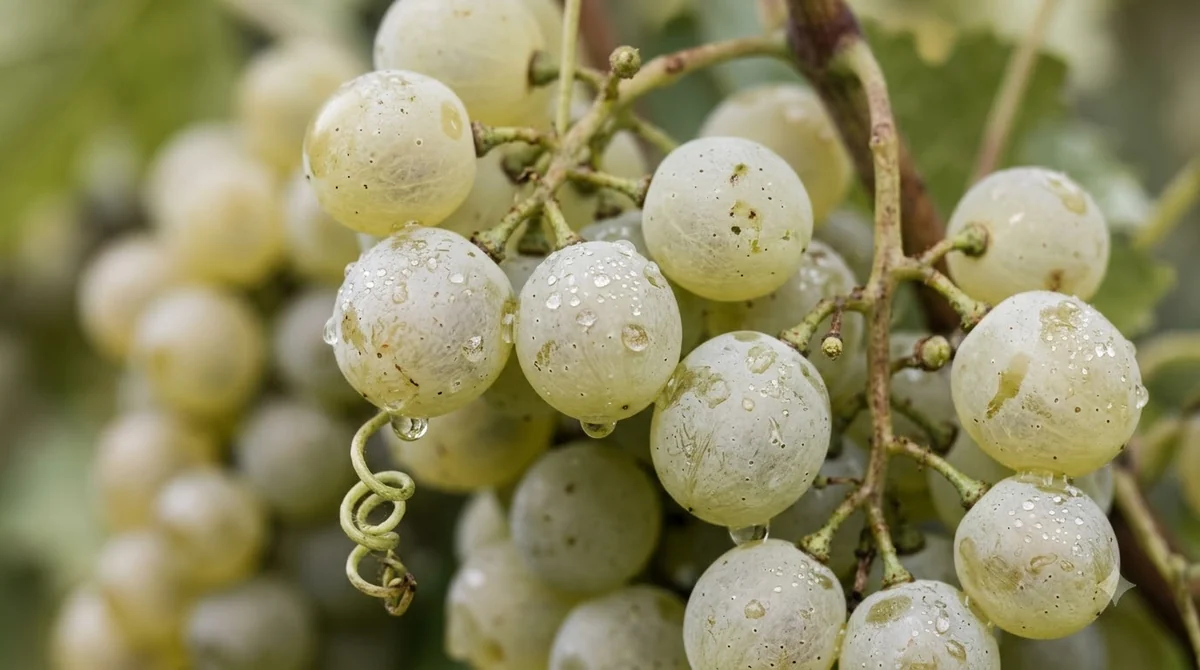
Melon de Bourgogne is a white grape variety grown mostly in the Loire Valley and turned almost entirely into dry white wine. It is a fairly neutral grape, so its character depends heavily on where it grows and how the winemaker handles it.
Decanter explains that the grape is known better as Muscadet, because its production centers on the western Loire near Nantes. The name can be puzzling. “Melon” is the short form, and “Bourgogne” points toward Burgundy, yet the vineyards sit a long way from that region. According to the Punch insider’s guide to Muscadet, the grape arrived from Burgundy in the Middle Ages and became popular in the far western Loire during the 18th century, which helps explain how the name stuck.
The grape itself does not carry the strong perfume of aromatic varieties such as Muscat or Gewürztraminer. Its appeal comes from texture, freshness and the sense of place it gives the wine. Decanter describes the variety as not particularly distinguished on its own, but notes that when the wine is genuinely made sur lie, it can turn into a bracing summer white with a sea-salty freshness. That makes the grape something of a blank canvas, and winemaking choices matter far more than the variety name alone.
For most buyers the practical rule is simple. If a bottle says Muscadet, it is made from Melon de Bourgogne. The same grape can also appear on labels as simply Melon, so keep that in mind when you shop and the rest of the category becomes much easier to follow.
Muscadet and Melon de Bourgogne: One Grape, Two Names
Muscadet is the name of the wine, while Melon de Bourgogne is the name of the grape, and the two terms usually describe the same bottle.
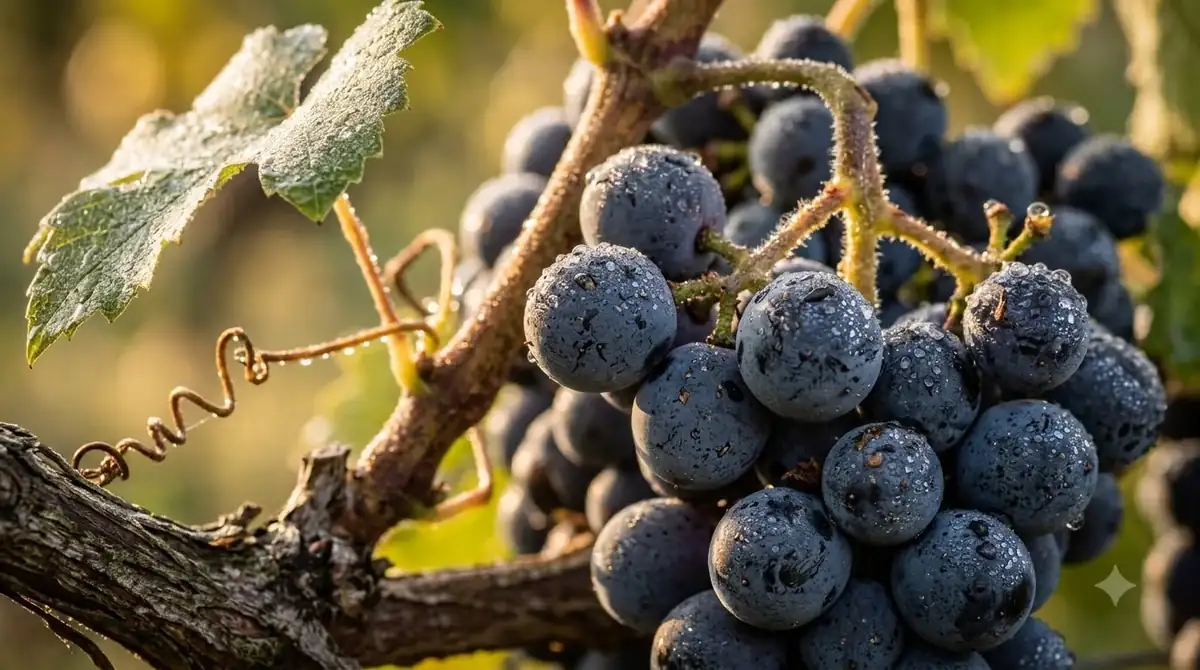
In practice, the two names mean the same thing in the Loire. Punch states that the grape in all Muscadet is Melon de Bourgogne, so a bottle sold under the Muscadet name is always made from this one variety. That gives shoppers a useful shortcut: you do not need to hunt for the grape name separately if the label already says Muscadet.
The name also causes confusion. Muscadet sounds like Muscat, the family of intensely aromatic grapes, but the wine has no real link to those varieties. Expect a dry, lean white with bright acidity rather than the sweet, floral style the sound of the name might suggest. If you want a sweet white, look elsewhere, because Muscadet is dry from start to finish.
Because Muscadet is a regional name, the label often carries more detail than the grape alone. The largest appellation is Muscadet Sèvre et Maine, which Punch describes as lying on either side of the Sèvre and Maine rivers, south of Nantes. Straight Muscadet comes from a much smaller area on the fringes of that zone. Muscadet Coteaux de la Loire and Muscadet Côtes de Grandlieu are rarer names you may spot on a shelf or wine list.
Where the Grape Grows Best and the Key Numbers
The grape performs best in the Sèvre et Maine area around Nantes, where vineyards sit close to the Atlantic and the soils change from one village to the next.
Punch estimates the Sèvre et Maine vineyard at more than 8,200 hectares. Inside it, Punch says ten named crus have been designated after detailed geological study, although not every cru appears on labels yet. These crus are village-level subzones, and they matter because they point to the soil and slope behind the wine. Clisson, Gorges, Le Pallet, Monnières-Saint Fiacre, Goulaine and Château-Thébaud are among them.
The official description from the INAO product sheet for Muscadet Sèvre et Maine places the appellation on 23 communes southeast of Nantes. The appellation was recognized in 1936, and the INAO says it accounts for 81 percent of the claimed vineyard surfaces in the Muscadet area. Most of the region’s wine therefore comes from this one zone, which is a useful starting point when you read a label.
Geology drives many of the differences. Punch explains that the region’s quality surge depends on careful study of its soils, so wines from neighboring villages can taste surprisingly distinct. Punch even compares the situation to Burgundy, where lovers split hairs between villages. Its shorthand is a more bracing Burgundy: Chablis with more zest and a lower price tag.
| Feature | Figure | What it means |
|---|---|---|
| Sèvre et Maine appellation recognized | 1936 | Protected status for the region’s largest Muscadet zone |
| Communes in the appellation | 23 | Located southeast of Nantes |
| Share of claimed vineyard area | 81 percent | Most of the Muscadet vineyard sits in this zone |
| Vineyard area | More than 8,200 hectares | Estimate cited by Punch for Sèvre et Maine |
| Named crus | 10 | Village subzones, not all shown on labels yet |
| Minimum lees contact for sur lie | Until March 1 | Wine stays on fine lees until at least March 1 and shipping |
| Sur lie bottling deadline | Before December 31 | Wine must be bottled at the winery |
| Typical serving temperature | 45 to 50°F | Usual range for light whites |
What Sur Lie Aging Does to the Wine
Sur lie means the wine rests on its fine lees, the spent yeast left after fermentation, and this step gives Muscadet most of its texture.
Sur lie is the term to look for on a Muscadet bottle. According to the INAO, sur lie wines stay on their fine lees at least until March 1 and until they ship, and the mention is reserved for wines bottled at the winery before December 31. In other words, the term describes a specific production step rather than a marketing phrase.
The lees do more than sit in the tank. The INAO says long lees aging without aeration encourages the development of aromas, leaving the wine balanced between roundness and freshness. Sur lie wines typically show saline mineral notes and a light natural prickle. Punch adds that lees aging is the key to giving Muscadet its depth, which is why producers have long used the term across the appellation.
The term has changed meaning over time. Punch notes that sur lie once served as a mark of quality, but today it mostly designates wines bottled the year after the harvest. Many of the best Muscadets are aged far longer, sometimes three years or more, so they cannot carry the label. For shoppers, that means the best bottles may not say sur lie at all, so the commune or cru name is worth checking alongside it.
Taste, Texture and Style
Melon de Bourgogne wine is usually dry and light to medium in body, with crisp acidity, a saline edge and citrus or orchard fruit flavors.
A basic young Muscadet is light, clean and tangy. Decanter describes the classic style as neutral and acidic, a style that many of today’s best producers have moved beyond. Lemon notes are common, and the finish often shows a salty, stony edge. The INAO describes the aromas as predominantly fruity or floral, with a balance between roundness and freshness. If you enjoy that lean, mineral profile, our explainer on blanc de blancs Champagne covers another white built on acidity and minerality.
Sur lie versions add texture. The INAO notes that they tend to lean toward roundness, with saline mineral notes and a faint prickle from natural carbonation. Punch describes the best examples as deeper and more complex, with notes that can include ripe pear and cracked pepper, and says the top bottlings can take years to show their full range. Aging on the lees adds weight that a young, unlabeled bottle may lack.
Winemakers are also pushing boundaries. Punch reports that some ambitious producers are trying neutral oak and orange, skin-macerated Muscadet, and that these experiments can show biting mineral traits. Those styles are still the exception, but they show how much range the grape can carry when it is handled differently.
Food Pairings That Work With Melon de Bourgogne
Melon de Bourgogne pairs best with shellfish and other seafood, because its acidity and salty edge meet the brine of the dish without overwhelming it.
Shellfish is the classic match. Decanter calls sur lie Muscadet the perfect accompaniment to shellfish, and Punch says the wine’s mineral side flatters the brine of shellfish. Raw oysters with a squeeze of lemon are the natural starting point. Steamed mussels cooked with garlic and a splash of white wine, shrimp cocktail and a crab salad with a light dressing all sit comfortably beside a glass.
The wine also suits lighter fish and fresh cheese. Punch notes that ripe vintages and extra-aged versions bring breadth that can handle richer food, so a bottle from a good year stretches further at the table than a young basic bottle does. A grilled white fish with herbs, a salad with sharp vinaigrette, or a fresh goat cheese with lemon zest all match the wine’s acidity and citrus. For a broader set of dishes, see our full Melon de Bourgogne food pairing guide.
Tip: Match acidity with acidity. If the dish is built on lemon, vinegar or tomato, choose a bright, lean Muscadet so the wine does not taste flat beside the food.
Be cautious with heavy, buttery sauces and very sweet desserts. The wine is dry and high in acidity, so rich sauces can make it taste thin, while sweet foods can make it taste sour. Firm, strongly salted aged cheeses can also overwhelm a young Muscadet, so a mild goat cheese or fresh curd usually works better.
Serving, Storing and Buying Tips
Serve Melon de Bourgogne cold, around 45 to 50°F, and finish an opened bottle within three to five days.
Chill the bottle until it reaches about 45 to 50°F, the usual range for light whites. A glass that is too warm makes the wine taste thin and flat, while a glass that is too cold mutes the aromas. A standard 750 ml bottle pours about five glasses at five ounces each, which makes it easy to plan for a dinner party.
Store unopened bottles on their sides in a cool, dark place, ideally close to 55°F, and keep them away from heat. Once opened, still wines such as Muscadet typically keep for three to five days in the refrigerator when sealed with a stopper. Recork the bottle tightly and keep it chilled between glasses.
When you shop, look beyond the grape name. Punch notes that the quality surge has come from individual growers, and that many of the best bottles are now labeled by cru or single vineyard. Punch also presents the wine as a more affordable alternative to Chablis, which makes it a practical choice for everyday drinking. The commune name, the producer and any cru name are more useful guides than sur lie alone. To place this grape among other whites, browse the Wine by Type section.
Frequently Asked Questions
Why did Muscadet get a reputation for being cheap?
For a long time, the Muscadet trade was controlled by négociants, who kept prices low and wines thin. Punch says the quality surge has been driven by individual growers, although some remaining négociants, such as Louis Métaireau, can still make quality wines.
When was Muscadet at its most popular?
Decanter says the wine reached its zenith in the late 1970s and early 1980s, when it defined the neutral, acidic dry white of the Loire. Since then, growers have moved toward smaller, more site-specific bottlings that highlight individual villages.
What do the Muscadet vineyards look like?
The INAO describes vines on hillsides overlooking the Loire and the Goulaine marsh, with sites extending south along the Sèvre and Maine rivers and their tributaries. Punch notes that the best wines come from low-yielding vineyards, which helps explain their concentration.
Is there a sparkling version of Melon de Bourgogne?
Sparkling versions are rare, but some experimental producers are testing the grape in new forms. Punch names Complémen’Terre, an estate run by Manu Landron and Marion Pescheux, as making a pét-nat from melon, a curiosity in a region known for still wines.
Has the price of Muscadet changed?
Punch says the best basic bottles have become somewhat more expensive, but many crus can still be found at modest prices. That mix of quality and value is a big part of why the wine has drawn renewed attention from buyers.
Melon de Bourgogne rewards a closer look. Once you know the grape name, the sur lie term and the cru on the label, the bottle makes much more sense. Start with a basic Sèvre et Maine alongside oysters, then move to a cru when you want to see how soil changes the flavor.
More in Wine Types & Grapes
 What Does Mourvèdre Taste Like? Flavor Profile, Regions, and PairingsUpdated Nov 20, 2026
 What Does Marsanne Taste Like? Flavors, Styles, and Food PairingsUpdated Nov 20, 2026
 What Does Malvasia Taste Like? Styles, Flavors, and Food PairingsUpdated Nov 20, 2026
 What Does Grenache Blanc Taste Like? Flavor Profile, Styles, and PairingsUpdated Nov 20, 2026
 What Does Garnacha Taste Like? Key Flavors, Styles, and Pairing TipsUpdated Nov 20, 2026
 What Does Fruit Wine Taste Like? A Complete Flavor and Style BreakdownUpdated Nov 20, 2026