

We may earn a commission when you buy through links on this page, at no extra cost to you. Learn more.
The best melon de bourgogne food pairing centers on fresh seafood—especially raw oysters, steamed mussels, and poached shellfish—alongside light poultry, fried vegetables, and tangy cheeses. Made famous as the sole grape behind France’s Muscadet wines, Melon de Bourgogne delivers high acidity, a light body, and a distinct briny minerality that acts like a squeeze of fresh lemon on the plate. Because it lacks heavy oak or sweet fruit flavors, it refreshes the palate between bites without overpowering delicate ingredients.
Whether you see the grape listed by its varietal name on a bottle from Oregon or labeled as Muscadet from western France, understanding how its crisp structure interacts with salt, fat, and acid makes matching dinner remarkably straightforward.
What Is Melon de Bourgogne?
Melon de Bourgogne is a hardy, cool-climate white wine grape originally from Burgundy that found its true home at the western edge of France’s Loire Valley, where it is bottled under the regional name Muscadet.
Despite sharing a name with a sweet summer fruit and sounding suspiciously like Muscat, Melon de Bourgogne produces bone-dry, brisk, and decidedly non-fruity white wines. Historians note that the grape was largely uprooted in Burgundy centuries ago, only to thrive near the Atlantic coast around Nantes after surviving the devastating winter freeze of 1709. Today, it accounts for the entirety of Muscadet production and has earned a devoted following among sommeliers and seafood lovers alike.
If you are still getting familiar with what is melon de bourgogne, the easiest mental benchmark is a leaner, saltier version of unoaked Chablis or Pinot Grigio. Rather than leading with ripe orchard or tropical aromas, the grape expresses green apple, lime zest, crushed seashell, and wet stone. That restraint is precisely why chefs prize it at the dinner table: it steps back and lets the ingredients shine while keeping every bite bright.
Flavor Profile and Wine Styles
Wines made from Melon de Bourgogne are light-bodied with zero tannins, bracing acidity, and a modest alcohol range typically between 10 percent and 12 percent ABV.
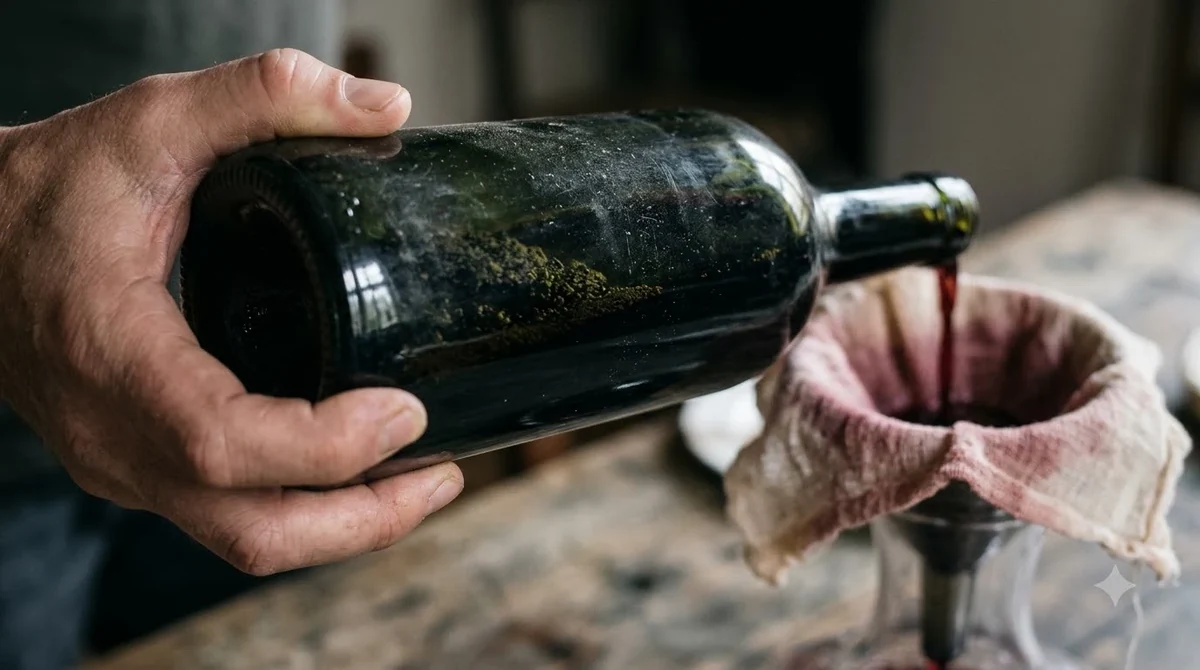
In its purest, stainless-steel fermented form, the wine tastes like lime juice, tart green pear, white flowers, and a subtle splash of sea spray. Because the grape itself is relatively neutral in aroma, winemakers in the Loire Valley developed a traditional aging technique called sur lie—meaning “on the lees”—to add depth and texture. By leaving the finished wine resting on spent yeast cells over the winter until bottling the following spring, producers coax out subtle notes of fresh bread dough, brioche, and raw almond alongside a faint, lively prickle of dissolved carbon dioxide.
For food matching, the distinction between standard bottlings and sur lie expressions matters. Unaged or basic bottlings offer razor-sharp clarity that slices straight through raw shellfish and vinegar-based dressings. By contrast, sur lie wines—and longer-aged village crus from sub-regions like Clisson—gain a round, almost creamy mid-palate weight that stands up effortlessly to butter sauces, pan-seared scallops, and richer melted cheeses.
Where It Grows
Nearly all of the world’s Melon de Bourgogne grows in the western Loire Valley near the Atlantic Ocean, though small, cool-climate plantings also exist in the Pacific Northwest of the United States.
In France, the grape is synonymous with the Muscadet appellations surrounding the city of Nantes, where cool maritime breezes and ancient soils of granite, schist, and gneiss shape its signature saline streak. The largest and most celebrated sub-appellation is Muscadet Sèvre et Maine, which produces the majority of the region’s high-quality bottles. Within Sèvre et Maine, specific granite-rich crus allow the vines to yield concentrated wines capable of developing savory, nutty complexity over five to ten years in the cellar.
Outside France, American winemakers in cool, marine-influenced pockets have planted the grape under the shortened name Melon—since U.S. labeling laws reserve the name Muscadet for the French region. According to Wine Folly’s guide to Muscadet, experimental vineyards in Washington’s Puget Sound AVA and Oregon’s Willamette Valley—specifically wind-cooled areas like the Van Duzer Corridor—produce crisp, coastal-friendly versions that mirror the French benchmark.
How to Serve Melon de Bourgogne
Serve Melon de Bourgogne well chilled between 38°F and 45°F (3°C to 7°C) in a standard white wine glass to preserve its brisk acidity and subtle saline aromatics.
Because the wine relies on tension and freshness rather than heavy aromatics, letting it warm up too much in the glass can make the acidity feel flat and mute its mineral edge. Pull the bottle from the refrigerator right before pouring, or keep it resting in an ice-and-water bucket during warm-weather meals. A standard tulip-shaped white wine glass works best, concentrating the delicate lime and sea-breeze notes toward the nose while directing the wine cleanly across the palate.
Most entry-level bottlings are meant to be enjoyed young—within one to three years of the vintage—while their citrus snap and faint sur lie spritz are at peak vibrancy. Decanting is unnecessary for everyday bottles, though pouring an older, extended-lees cru into a glass fifteen minutes before dinner helps open up its toasted brioche and stony mineral layers.
Best Melon de Bourgogne Food Pairings
The classic melon de bourgogne food pairing formula matches the wine’s lemon-like acidity and saline finish with briny shellfish, lightly fried appetizers, and rich butter or cream sauces.
On the French Atlantic coast, freshly shucked raw oysters and a cold glass of Muscadet Sèvre et Maine are practically inseparable. The wine’s high acid replaces the need for a wedge of lemon, while its mineral finish echoes the ocean brine of the oyster itself. Steamed mussels cooked with garlic, shallots, herbs, and a splash of the same wine—served alongside salty french fries as classic moules frites—create an equally effortless match, as the brisk palate cuts right through the oil of the fries.
Beyond the raw bar, Melon de Bourgogne handles cooked seafood and rich French sauces with remarkable grace. In fact, Wine Folly notes that Muscadet was historically the original cooking wine used to make beurre blanc, the classic Loire Valley emulsified butter sauce served over flaky river fish, poached salmon, or seared sea scallops. The wine’s tart backbone prevents heavy butter, olive oil, or melted Gruyère and Raclette from feeling cloying, making it a secret weapon for fondue nights, crispy calamari, tempura vegetables, and herb-roasted chicken.
| Food Category | Best Dishes to Pair | Why the Pairing Works |
|---|---|---|
| Raw & Chilled Shellfish | Oysters on the half shell, shrimp cocktail, bay scallops, ceviche | High acidity mimics fresh lemon juice while saline minerality mirrors ocean brine. |
| Cooked Seafood | Steamed mussels (moules frites), pan-seared scallops, grilled shrimp, flaky white fish | Crisp citrus notes brighten delicate fish and cut through garlic, olive oil, or butter. |
| Light Meats & Plant Proteins | Herb-roasted chicken, pan-seared pork tenderloin, crispy fried tofu, tempeh | Light body never overwhelms mild proteins, and sur lie texture adds savory depth. |
| Cheese & Rich Sauces | Fresh Loire goat cheese, Gruyère, Raclette, fondue, grilled cheese, beurre blanc | Bracing acidity cleanses the palate after rich, melted dairy and emulsified butter. |
| Vegetables & Fried Foods | Calamari, tempura vegetables, garlic green beans, summer pea salad | Sharp acid slices through frying oil and complements crisp green herbs and vegetables. |
Tip: Skip sweet glazes, heavy barbecue sauces, and fiery chili heat—Melon de Bourgogne has zero residual sugar and no tannins, so sweet or aggressively spicy dishes will make the wine taste sharply sour.
How to Choose a Bottle
When shopping for a bottle, look for the words “Muscadet Sèvre et Maine” and “Sur Lie” on French labels, or search for “Melon” from cool coastal regions in Oregon and Washington.
Because the grape name rarely appears in large print on traditional French labels, knowing the regional hierarchy makes buying simple. Basic Muscadet AOC bottles are light, straightforward, and ideal for casual weeknight fish tacos or simple green salads. Stepping up to Muscadet Sèvre et Maine Sur Lie delivers noticeably more complexity, a rounder mouthfeel, and savory lees character that pairs better with composed dinner dishes like risotto, roast chicken, or creamy pasta.
If your menu leans toward hearty red meats, grilled sausages, or smoky barbecue instead of seafood and light poultry, switch gears to a vibrant red from our broader guide to Wine by Type. For example, exploring blaufrankisch food pairing will give you peppery dark fruit and bright acidity for roasted meats, while carignan food pairing works well for rustic, herb-crusted dishes.
Frequently Asked Questions
Is Melon de Bourgogne sweet like Muscat?
No, Melon de Bourgogne is completely unrelated to Muscat, Moscato, or Moscatel, and it is never sweet. Wines made from Melon de Bourgogne are fermented bone-dry, featuring crisp citrus flavors, green apple notes, and a brisk mineral finish.
What is the difference between Muscadet and Melon de Bourgogne?
Melon de Bourgogne is the name of the white wine grape variety, while Muscadet is the French wine region in the western Loire Valley where it grows. In France, bottles are labeled by the region (Muscadet), whereas American producers in Oregon and Washington label the same grape varietally as Melon.
What does “Sur Lie” mean on a bottle of Muscadet?
Sur lie is a French winemaking term meaning “on the lees,” which indicates the wine was aged over winter on its spent yeast cells before bottling. This process gives Melon de Bourgogne a slightly creamier texture, subtle notes of bread dough or brioche, and a faint, refreshing spritz.
Can you pair Melon de Bourgogne with spicy food?
Heavy chili heat is generally a poor match because Melon de Bourgogne is bone-dry, light-bodied, and high in acid, which can amplify the burn of capsaicin. However, mild aromatic spices like white pepper, ginger, or fresh herbs work well, especially alongside sushi, ceviche, or lightly seasoned seafood.
Keeping a bottle of Melon de Bourgogne in the refrigerator gives you a reliable, food-friendly white wine ready for everything from last-minute shellfish to rich cheese plates. Focus on fresh acidity, coastal minerality, and simple preparations, and the pairing almost always takes care of itself.
More in Wine Types & Grapes
 What Does Mourvèdre Taste Like? Flavor Profile, Regions, and PairingsUpdated Nov 20, 2026
 What Does Marsanne Taste Like? Flavors, Styles, and Food PairingsUpdated Nov 20, 2026
 What Does Malvasia Taste Like? Styles, Flavors, and Food PairingsUpdated Nov 20, 2026
 What Does Grenache Blanc Taste Like? Flavor Profile, Styles, and PairingsUpdated Nov 20, 2026
 What Does Garnacha Taste Like? Key Flavors, Styles, and Pairing TipsUpdated Nov 20, 2026
 What Does Fruit Wine Taste Like? A Complete Flavor and Style BreakdownUpdated Nov 20, 2026