

We may earn a commission when you buy through links on this page, at no extra cost to you. Learn more.
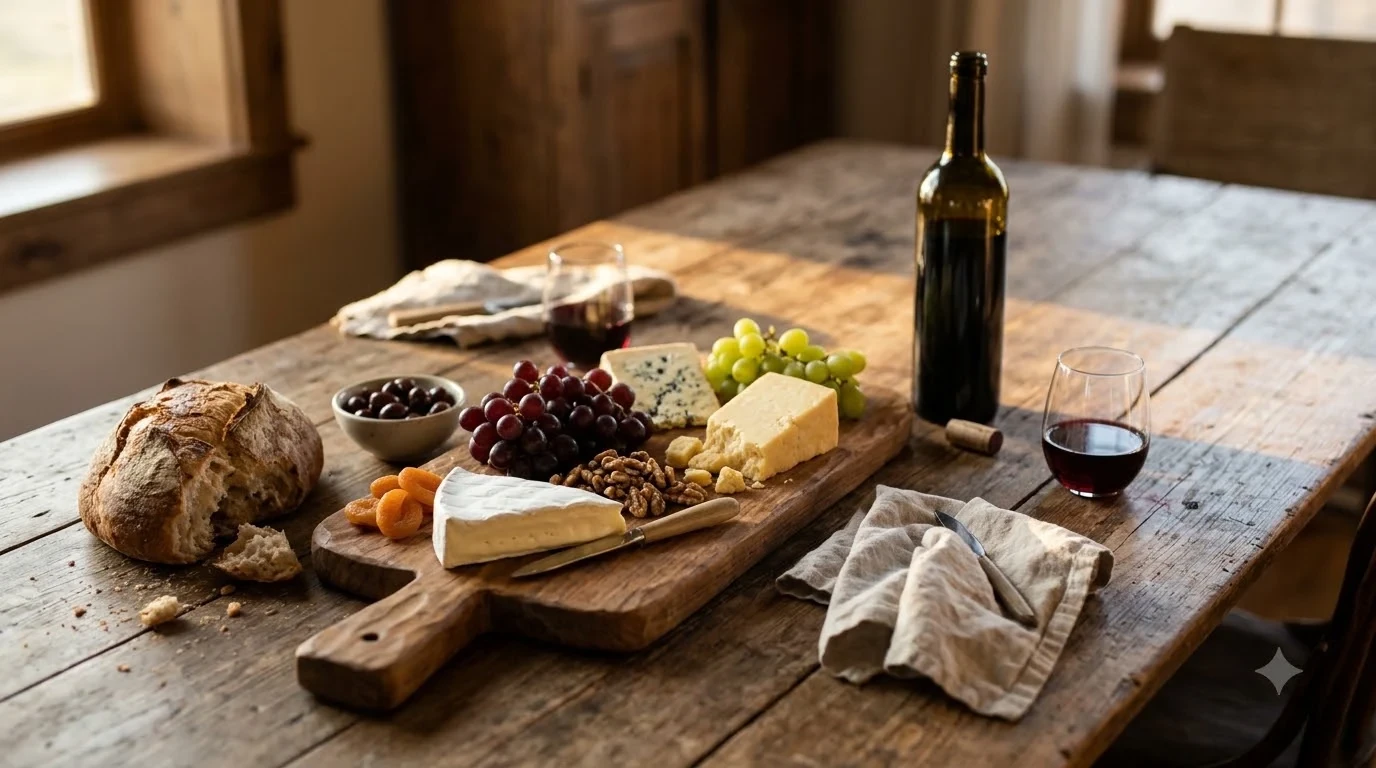
What wine goes with meat and cheese? Sparkling wine, dry rosé, Pinot Noir, and Beaujolais are excellent choices because their freshness and acidity complement salty cured meats and rich cheeses. For a mixed charcuterie board, choose a wine with enough fruit and acidity to work with several ingredients. Lighter meats and delicate cheeses generally suit lighter wines, while aged cheeses and strongly seasoned meats can handle fuller flavors. Sweet wines also deserve a place beside salty blue cheese.
A meat and cheese board sounds simple until it is time to choose the wine. Prosciutto is salty and delicate, salami can be spicy, Brie is creamy, and aged cheddar has a strong flavor of its own. A bottle that works beautifully with one ingredient might taste less appealing with another. The easiest solution is to look at the main flavors on the board and choose a wine that can handle most of them. A few familiar styles make that decision much easier.
The Best Wines to Serve with a Mixed Meat and Cheese Board
Brut sparkling wine is one of the safest choices for a mixed meat and cheese board. Dry rosé, Pinot Noir, and Beaujolais are also good options because they bring freshness without overwhelming the food.
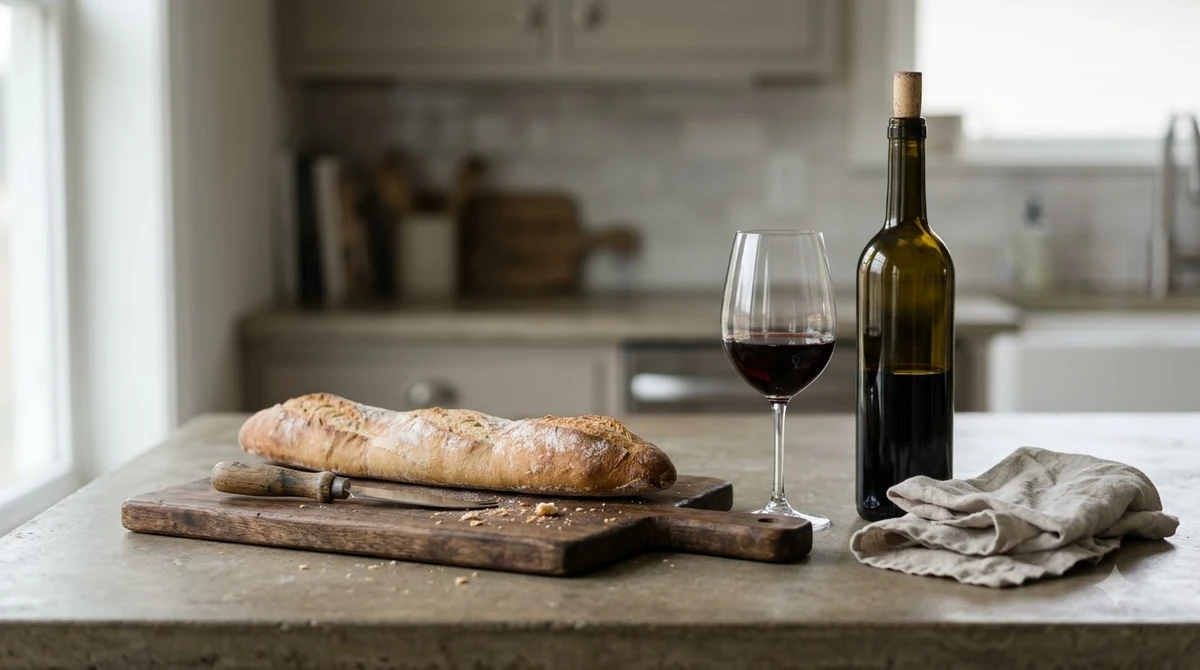
Champagne and Cava are particularly good with boards containing prosciutto, Brie, pâté, and hard cheeses. Their acidity cuts through creamy textures, while the bubbles refresh the palate after salty or fatty bites. A dry sparkling wine is usually the easiest style to serve when guests are choosing different combinations of meat and cheese.
Dry rosé is another dependable choice. Its red-fruit flavors work with cured pork, while its refreshing character suits mozzarella, young Gouda, and mild cheddar. Look for a dry style rather than a noticeably sweet rosé if most of the board is savory.
For red wine, Pinot Noir and Gamay are two good starting points. Pinot Noir has low-to-medium tannin and high acidity, so it can accompany several different foods without dominating the meal. Gamay, particularly Beaujolais, has juicy berry flavors and softer tannins that suit salami, pâté, and younger cheeses.
Lambrusco deserves consideration too. This sparkling red wine works particularly well with mortadella, salami, and creamy cheeses. Its bubbles refresh the palate, while its red-fruit flavors provide enough character for seasoned meats. A dry or slightly off-dry bottle is a sensible choice for a savory board.
Here is how several common wines compare:
| Wine | Good food matches | Serving temperature | Typical character |
|---|---|---|---|
| Brut Champagne | Prosciutto, Brie, Gruyère | 40–50°F | Fresh, crisp, bubbly |
| Cava | Salami, Manchego, pâté | 40–50°F | Dry, refreshing |
| Dry rosé | Ham, mild salami, Gouda | 45–50°F | Bright, fruity |
| Pinot Noir | Prosciutto, Brie, mushroom pâté | 55–60°F | Red fruit, high acidity |
| Beaujolais | Salami, pâté, mild cheddar | 55–60°F | Juicy, light-bodied |
| Chardonnay | Brie, Gruyère, creamy pâté | 50–55°F | Rounded, medium acidity |
| Riesling | Spicy salami, feta, salty cheeses | 45–50°F | High acidity, aromatic |
| Port | Stilton, aged blue cheese | Varies by style | Sweet, concentrated |
These are starting points, not strict rules. A board with lots of spicy sausage needs a different wine from one built around prosciutto and mild cheeses. If guests have different preferences, serving one sparkling wine and one light red is an easy way to cover more combinations.
Choosing Wine for Prosciutto, Salami, Ham, and Cured Meat
Most cured meats work well with wines that have fresh acidity, plenty of fruit, and moderate tannin. The right bottle depends on whether the meat is salty, fatty, smoky, spicy, or relatively delicate.
Prosciutto and dry-cured ham: Champagne, Cava, dry rosé, and Pinot Noir are all good choices. Prosciutto has a delicate pork flavor and a salty, fatty texture. Sparkling wine refreshes the palate, while Pinot Noir brings red-fruit flavors without overwhelming the meat. Spanish jamón can also work with crisp whites such as Albariño.
Genoa salami and mild cured sausages: Try Beaujolais, Barbera, or Merlot. Genoa salami has a rich texture and savory flavor. Barbera is particularly suitable because its naturally high acidity balances fatty foods. Merlot has softer tannins than Cabernet Sauvignon, so it is easier to serve when the board includes both meat and cheese.
Soppressata and pepperoni: Gamay, Barbera, and medium-bodied Merlot are good options. These meats can be salty and heavily seasoned. Very tannic wines may make the combination feel harsh, particularly if the sausage contains chili or black pepper.
Spicy chorizo: Dry rosé, fruity Lambrusco, and off-dry Riesling are worth considering. Chili heat becomes more noticeable with high alcohol and tannin, so a powerful Cabernet Sauvignon is usually not the first bottle to reach for. A little sweetness in Riesling can soften the sensation of spice, while its acidity keeps the pairing fresh.
Mortadella and pâté: Champagne, Lambrusco, Chardonnay, and Pinot Noir can all work. Mortadella has a soft, fatty texture that benefits from acidity and bubbles. Chicken liver mousse and pâté are richer and creamier, making sparkling wine a particularly appealing match. A lighter Pinot Noir also suits earthy, savory pâté.
Bresaola: Try Pinot Noir or Barbera. This air-dried beef has a concentrated, savory flavor and a leaner texture than many pork salamis. A light red can complement it without covering up its more delicate characteristics.
There is a simple way to remember these combinations: delicate meat usually needs a delicate wine, while strongly seasoned meat can handle more fruit and flavor. Decanter also emphasizes the importance of salt, fat, spice, and freshness when choosing wine for charcuterie.
For more examples, read the Decanter guide to pairing wine with charcuterie, which discusses combinations for different cured meats.
Matching Wine with Brie, Cheddar, Gouda, Goat Cheese, and Blue Cheese
The age, texture, and saltiness of cheese matter more than its color. Fresh cheeses tend to suit crisp whites, creamy cheeses work well with sparkling wines, and aged hard cheeses can handle fuller-bodied wines.
Fresh cheeses: mozzarella, ricotta, and goat cheese
Fresh cheeses are generally mild, creamy, and sometimes tangy. Sauvignon Blanc, Albariño, Pinot Blanc, and unoaked Chardonnay are good choices. Their freshness complements the dairy flavors without making the cheese taste heavy.
Goat cheese is especially good with high-acidity Sauvignon Blanc. Sancerre is a classic match, particularly with Crottin de Chavignol. Other Sauvignon Blanc wines from the Loire Valley offer a similar combination of freshness and citrus character. See what wine goes with goat cheese for more pairing ideas.
Feta has a different character because of its saltiness. Off-dry Riesling and Gewürztraminer can balance the briny flavor with a little sweetness. Their acidity also keeps the cheese from making the wine seem heavy.
Brie, Camembert, and bloomy-rind cheeses
Brie and Camembert have soft interiors, creamy textures, and edible bloomy rinds. Champagne, Cava, Chablis, and dry Riesling are good companions. Sparkling wine is especially appealing because its bubbles contrast with the buttery texture.
Pinot Noir and Gamay can also work, particularly with younger Brie and milder Camembert. Avoid very tannic reds when the cheese is delicate. The wine can easily dominate the flavor of the cheese rather than complement it.
Cheddar, Gouda, and aged hard cheeses
Aged cheddar has a stronger, sharper flavor than young cheddar. Merlot, Cabernet Sauvignon, and Rioja can work with mature examples, depending on their intensity. Younger cheddar is easier to pair with Beaujolais or Pinot Noir.
Gouda also changes as it ages. Young Gouda is creamy and mild, making Chardonnay, Pinot Noir, and dry rosé suitable choices. Older Gouda becomes firmer and more nutty. Try a fuller red or an oxidative white wine with these more concentrated flavors.
Gruyère and Manchego are other good additions to a board. Gruyère has hazelnut and brown-butter notes that suit Chardonnay and structured white wines. Manchego, particularly aged examples, works well with Spanish wines and nutty fortified wines such as Amontillado Sherry.
Blue cheese and washed-rind cheese
Blue cheese is often salty, sharp, and powerful. Sweet wines such as Sauternes, late-harvest Riesling, and Port offer a pleasing contrast. The sweetness balances the saltiness and gives the cheese a softer finish.
Stilton with Port and Roquefort with Sauternes are classic combinations. Milder blue cheeses can also work with Pinot Noir or Gamay. For more specific recommendations, see what wine goes with blue cheese.
Washed-rind cheeses such as Taleggio and Époisses have strong aromas and rich flavors. Dry sparkling wine, aromatic whites, and lighter reds are good places to start. A heavily oaked red is not automatically the best choice just because the cheese has a strong smell.
Building a Meat and Cheese Board That Works with Wine
A good board needs variety, but too many ingredients can make wine pairing unnecessarily complicated. Choose a few meats and cheeses with different textures and flavors, then add fruit, nuts, and simple accompaniments.
For six people, a board with three meats and three cheeses is a sensible arrangement. Wine Enthusiast suggests approximately 2 ounces of charcuterie meat per person for an appetizer, increasing to 4 ounces when it is the main event. That works out to about 12 ounces of meat for six appetizer portions.
For the meat selection, consider prosciutto, Genoa salami, and mortadella. These provide three different textures: delicate slices, firmer seasoned sausage, and soft, fatty pieces. For cheese, Brie, aged cheddar, and Manchego provide creamy, sharp, and nutty flavors.
Next, add a few accompaniments. Grapes, sliced pears, dried apricots, almonds, olives, cornichons, and plain crackers are easy choices. You do not need every possible addition. A handful of well-chosen ingredients is often better than a crowded board with too many competing flavors.
Honey and fig preserves are good with aged cheese, but remember that sweet additions affect how dry wine tastes. If the board includes blue cheese and sweet preserves, a slightly sweeter wine may be more enjoyable than a very dry red.
Tip: Choose the wine around the saltiest and fattiest ingredients first. Brut sparkling wine or dry rosé can cover many combinations, while Beaujolais is a good red choice for boards dominated by mild cured meats and approachable cheeses.
Give the cheeses enough room for guests to cut and serve them. Fold prosciutto into loose layers, arrange salami in small groups, and put spreads in separate dishes. Separate knives for soft and hard cheeses help keep the textures and flavors distinct.
If the board is the main meal, increase the portions and provide plenty of bread or crackers. A board served as dinner needs more substantial food than one brought out before a meal. Adding a few fresh ingredients also gives guests a break from the salt and richness of cured meat and cheese.
For a smaller gathering, two meats and two cheeses can be enough. Prosciutto, salami, Brie, and aged cheddar make a straightforward combination that pairs well with sparkling wine or Pinot Noir.
Handling Spicy, Salty, Fatty, and Other Difficult Ingredients
Some foods need extra attention because their flavors can overwhelm a wine. Spicy sausage, very salty cheese, oily meat, and sweet condiments each affect the pairing in different ways.
Spicy meats: Chorizo, pepperoni, spicy soppressata, and nduja can make alcohol and tannin seem stronger. Choose fruity, lower-tannin wines such as Gamay or dry rosé. Off-dry Riesling is another good choice because a little sweetness can soften the sensation of chili heat.
Very salty cheese: Feta, aged blue cheese, and salty hard cheeses benefit from wines with freshness or sweetness. Riesling and Gewürztraminer are good options for feta. For a powerful blue cheese, try Port or Sauternes rather than a dry, tannic red.
Fatty meat: Lardo, mortadella, fatty salami, and pork rillette are particularly good with bubbles and acidity. Brut sparkling wine is an easy choice. Barbera is another option for people who prefer still red wine because its acidity helps balance the richness.
Smoked ingredients: Smoked ham, speck, and smoked cheeses can overwhelm delicate wines. Sauvignon Blanc, Riesling, and Chardonnay with fresh fruit and acidity are good choices. A fruity medium-bodied red can also work when the smoky flavor is not too strong.
Sweet accompaniments: Fig jam, honey, dried fruit, and chutneys can make a dry wine taste less fruity and more acidic. If sweet ingredients play a major role on the board, consider off-dry white wine or a sweet fortified wine. A useful rule is to serve a wine at least as sweet as the dessert or sweet component it accompanies.
Fish and seafood: Some boards include smoked salmon or oily seafood alongside meat and cheese. Sparkling wine, Sauvignon Blanc, and Chardonnay are safer choices than heavily tannic red wines. Oily fish can clash with tannic reds and produce an unpleasant metallic impression.
Acidity matters with sharp cheeses and pickled accompaniments too. Vinegar-based vegetables, cornichons, and tangy cheeses can make low-acid wine taste flat. A wine with equal or higher acidity is usually the better choice.
Think about the ingredient that will dominate each bite. A board with spicy chorizo and mild Brie needs a different wine from one with prosciutto, aged cheddar, and blue cheese. If the ingredients are very different, serving two wines is often easier than trying to find one bottle that does everything.
Wine Serving Temperatures, Portions, and Storage
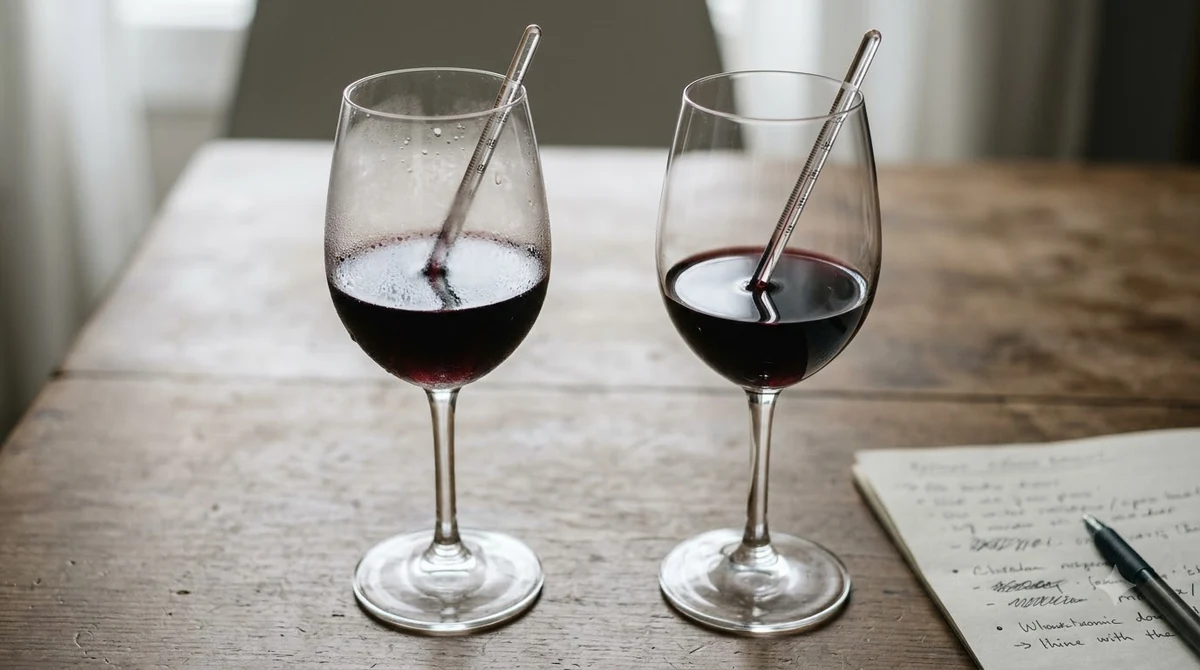
Serving temperature can change how a wine tastes, especially with lighter reds and aromatic whites. Keep sparkling wine chilled, serve lighter reds slightly cool, and avoid leaving full-bodied reds in a warm room for too long.
Use these general temperature ranges:
- Sparkling wine: 40–50°F.
- Light whites and rosé: 45–50°F.
- Full-bodied whites: 50–55°F.
- Light reds: 55–60°F.
- Full-bodied reds: 60–65°F.
- Sweet white wines: 43–50°F.
Pinot Noir and Gamay are particularly pleasant when served slightly cool. A short stay in the refrigerator can help if the room is warm. Serving them too warm makes the alcohol more noticeable and can take away some of their refreshing character.
For white wine, Sauvignon Blanc and Albariño are generally best around 45–50°F. Fuller Chardonnay can be served a little warmer, around 50–55°F, so its texture and aromas are easier to appreciate.
Portions are easy to estimate. A standard wine serving is 5 ounces, and a 750 ml bottle provides approximately five glasses. For six guests, two bottles are a reasonable starting point for a gathering where wine is the main beverage. The amount needed depends on how long guests stay and what other drinks are available.
Opened wine should be stored in the refrigerator. Sparkling wine generally lasts around 1–3 days with a suitable stopper, while most still wines remain enjoyable for approximately 3–5 days. Fortified wines can last several weeks after opening, depending on their style and storage conditions.
Young, full-bodied reds can benefit from 30–60 minutes of decanting. Lighter Pinot Noir and Beaujolais usually need less time. There is no need to decant every bottle before serving a charcuterie board.
Store unopened bottles away from direct sunlight and large temperature changes. Bottles with natural cork closures are generally stored on their sides, at a temperature near 55°F. Keeping wine in a consistently cool place helps preserve its freshness until the next gathering.
If the board also includes a warm cheese dish or a richer side, the guide to what wine goes with mac and cheese offers more ideas for matching creamy food with wine. The broader Wine Pairing resource covers other food combinations.
Frequently Asked Questions
What is the best single wine for a meat and cheese platter?
Brut sparkling wine is one of the most versatile choices because it works with salty ham, creamy Brie, and many hard cheeses. Champagne and Cava are two good examples. Dry sparkling rosé is another option if the board contains several cured pork products.
Can Cabernet Sauvignon go with a meat and cheese board?
Yes, especially when the board includes aged cheddar, mature Manchego, and strongly flavored beef. Cabernet Sauvignon has high tannin, so it is less suitable for delicate prosciutto, spicy salami, and mild fresh cheeses. Choose a board with substantial hard cheeses and full-flavored meat instead.
Does red wine or white wine go better with charcuterie?
Both can work, depending on the ingredients. Gamay and Pinot Noir suit many mild cured meats, while Albariño and Riesling are good with salty and fatty foods. Traditional-method sparkling wines are another option because they combine freshness with enough flavor for a mixed platter.
Should wine be served before or after cheese?
Wine can be served alongside cheese throughout a meal. However, tasting the wine before eating the cheese gives you a better idea of its original flavor. Strong and salty cheeses can change how the wine tastes afterward, especially with delicate dry whites.
What wine pairs with both beef jerky and cheese?
Pinot Noir and Merlot are good starting points with mild beef jerky and semi-hard cheeses. If the jerky is heavily peppered or spicy, choose a fruity wine with moderate alcohol. For smoky beef jerky and aged cheddar, a medium-bodied red can provide enough flavor for both.
The best wine for meat and cheese is one that suits the strongest flavors without overpowering the more delicate ingredients. Start with sparkling wine, dry rosé, Pinot Noir, or Beaujolais, then add a sweeter or fuller-bodied bottle if the board includes particularly salty or mature cheeses. With the right combination, even a simple platter of cured meat and cheese can make a memorable meal.
More in Food & Wine Pairing
 Risotto With White Wine Recipe: Make a Creamy Dinner at HomeUpdated Nov 20, 2026
 Wassail With Wine Recipe for a Festive Spiced Holiday DrinkUpdated Nov 20, 2026
 Spritz Veneziano Recipe: Make a Classic Venetian Aperitivo at HomeUpdated Nov 20, 2026
 Summer Wine Punch Recipe for Easy Homemade EntertainingUpdated Nov 20, 2026
 Bishop Recipe: How to Make a Bright, Citrus-Forward Red Wine CocktailUpdated Nov 20, 2026
 Wine Cupcakes Recipe: Bake Rich Chocolate Cupcakes at HomeUpdated Nov 20, 2026