

We may earn a commission when you buy through links on this page, at no extra cost to you. Learn more.
What wine goes with lemon chicken? Sauvignon Blanc is the best all-around choice because its bright acidity, citrus flavors, and herbal character complement the lemon, seasonings, and tender chicken. Pinot Grigio and unoaked Chardonnay are excellent alternatives, particularly for lighter preparations. For creamy lemon chicken, a fuller Chardonnay or a textured dry rosé provides additional richness without overwhelming the dish.
Lemon chicken is a versatile dish, and the best wine depends on how the sauce is prepared. A simple lemon-and-herb marinade calls for a crisp, refreshing white, while a butter-based pan sauce can support a richer wine. Garlic, rosemary, capers, grilled skin, and Parmesan also influence the pairing. The key is to find a wine with enough freshness to balance the citrus while matching the weight and intensity of the finished meal.
Best Wines to Pair With Lemon Chicken
Sauvignon Blanc is the strongest starting point for lemon chicken because its natural acidity complements citrus, while its fresh fruit and herbal notes work with common poultry seasonings. Pinot Grigio, unoaked Chardonnay, and Albariño offer equally practical alternatives depending on the recipe.
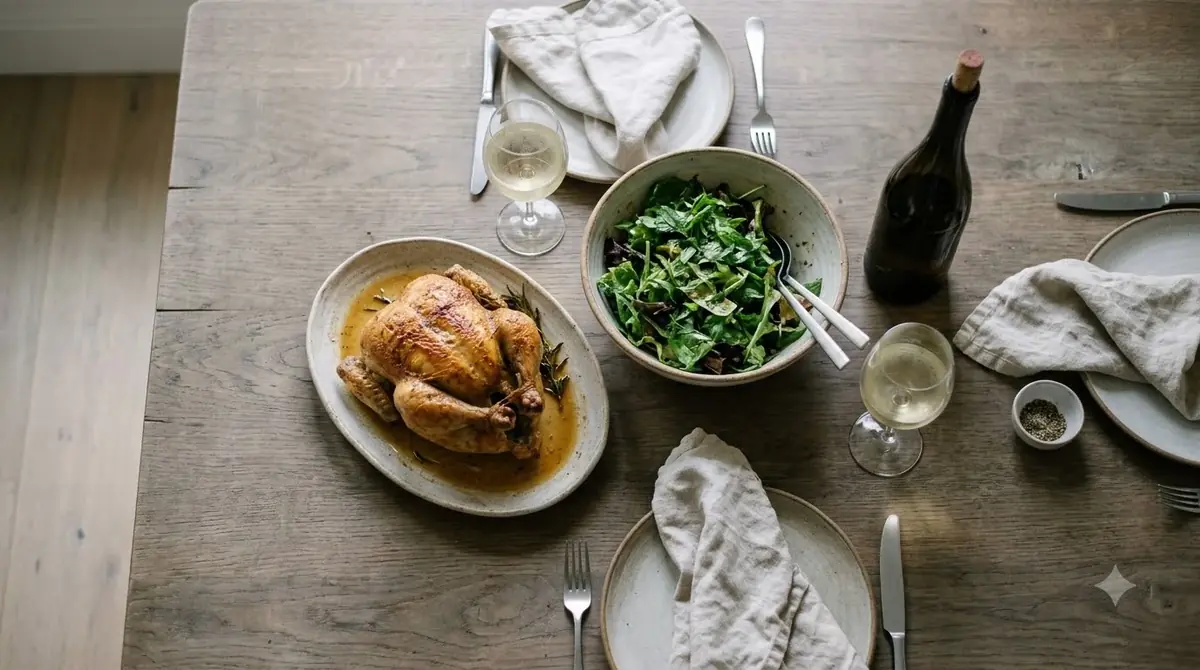
The reason these wines work is structural. Lemon contributes sharp acidity, chicken has relatively mild flavors, and herbs such as thyme, parsley, and rosemary contribute aromatic complexity. A wine that is fresh, moderately light, and not overly tannic allows each component to remain recognizable.
Sauvignon Blanc: This is the first bottle to consider for traditional lemon herb chicken. Sauvignon Blanc typically has high acidity, dry flavors, and aromas that can include grapefruit, lime, green apple, and fresh herbs. Those characteristics make it especially suitable for chicken prepared with lemon juice, olive oil, garlic, and parsley. New Zealand Sauvignon Blanc is a particularly useful style to explore because of its fresh fruit and distinctive herbal character.
Pinot Grigio: Italian Pinot Grigio is a dependable alternative for lighter chicken preparations. Its crisp acidity and flavors of lemon, lime, green apple, and sometimes almond complement a straightforward lemon sauce. Choose this style for grilled chicken breast, roasted potatoes, green beans, or a simple salad.
Unoaked Chardonnay: Chardonnay can be a particularly good match when you want a little more texture without strong oak flavors. Unoaked examples can show lemon, pear, and green apple, making them appropriate for chicken with lemon, garlic, and olive oil. Chablis is a recognizable French example of a crisp, mineral Chardonnay style.
Albariño: This Spanish white grape offers refreshing acidity and citrus-friendly flavors. Its fresh character is useful with lemon chicken served alongside asparagus, green vegetables, or seafood-inspired accompaniments. It is also a good choice when the recipe includes capers or fresh parsley.
Grüner Veltliner: This Austrian white can contribute citrus, fresh acidity, and a subtle peppery quality. It works especially well with lemon chicken seasoned with garlic, thyme, and black pepper. Its aromatic character makes it an interesting alternative to the more familiar Sauvignon Blanc.
| Wine | Acidity | Body | Best preparation |
|---|---|---|---|
| Sauvignon Blanc | High | Light to medium | Lemon and herb chicken |
| Pinot Grigio | High | Light | Grilled chicken breast |
| Unoaked Chardonnay | Medium | Medium | Lemon garlic chicken |
| Albariño | High | Light to medium | Lemon caper chicken |
| Grüner Veltliner | High | Light to medium | Herb-roasted chicken |
| Dry rosé | Medium to high | Light to medium | Grilled lemon chicken |
These are general style descriptions rather than fixed measurements. Growing conditions and winemaking choices influence the final wine, so two bottles made from the same grape can have different levels of fruitiness, body, and acidity.
For a simple decision, choose Sauvignon Blanc for a strongly lemony preparation, Pinot Grigio for a light dinner, and unoaked Chardonnay when the sauce contains additional butter or oil. These three styles cover most traditional lemon chicken recipes.
Why Acidity Matters in Lemon Chicken Pairings
Acidity is the most important characteristic to consider when choosing wine for a lemon-based dish. A wine with comparable or higher acidity can maintain its freshness alongside the citrus instead of seeming flat, heavy, or overly soft.
Lemon juice has a sharp, recognizable sourness. When a dish contains a substantial amount of lemon, a low-acid wine can seem dull by comparison. This is why Sauvignon Blanc, Albariño, and Riesling are useful choices. Their freshness helps the wine remain lively throughout the meal.
Acidity also helps balance the fat in a sauce. Lemon chicken often contains olive oil or butter, both of which contribute richness. A crisp white refreshes the palate between bites, particularly when the chicken is served with roasted potatoes or buttered vegetables.
There is an important distinction between citrus flavor and actual acidity. A wine may smell strongly of lemon without necessarily having enough natural acidity to stand up to a sharply sour sauce. Look beyond the aroma and consider the wine’s overall freshness and structure.
For example, a dry Sauvignon Blanc from Marlborough, New Zealand, can combine citrus aromas with pronounced acidity. An Italian Pinot Grigio may offer a more restrained fruit profile with a similarly refreshing character. Both can work, but the former is generally more suitable when the recipe contains generous amounts of lemon juice.
Sweetness is another consideration. Traditional lemon chicken is savory rather than sweet, so a dry wine is usually the most straightforward match. If the recipe includes honey, brown sugar, or a sweet glaze, a slightly fruitier wine can provide a more harmonious combination.
Keep the overall intensity of the dish in mind as well. A delicate chicken breast with a small amount of lemon zest needs a lighter wine than a heavily seasoned chicken thigh with a concentrated lemon-butter reduction. Matching the intensity prevents either the food or the wine from dominating.
Tip: If your lemon sauce tastes noticeably sour on its own, choose a wine with pronounced natural acidity, such as Sauvignon Blanc or Albariño. If butter makes the sauce richer and rounder, try a medium-bodied Chardonnay with enough freshness to balance the fat.
For more background on how acidity, sweetness, body, and tannin influence food pairings, explore this introduction to Wine Pairing.
Choosing Wine for Lemon Butter, Garlic, and Herb Sauces
The ingredients surrounding the lemon can change the ideal pairing considerably. A simple lemon juice dressing needs a different wine from a creamy butter sauce, even if both recipes use chicken breast and fresh citrus.
Lemon butter chicken: Butter adds richness and a smooth texture that can make a very lean white wine seem slightly thin. Chardonnay is a natural choice, especially a medium-bodied example with some roundness. Unoaked Chardonnay works when the lemon remains the dominant flavor, while a lightly oaked style can complement a richer sauce.
For a particularly rich preparation, look for Chardonnay with ripe apple, pear, or peach characteristics. Avoid choosing an extremely heavy, strongly oaked style if the sauce is sharply acidic. Excessive vanilla and toasted oak can distract from the clean citrus flavors.
Lemon garlic chicken: Garlic creates a more savory and aromatic dish. Sauvignon Blanc is particularly suitable because its herbal character can complement parsley, basil, and other green seasonings. Grüner Veltliner is another good option, especially when black pepper and fresh thyme are prominent.
Lemon herb chicken: Rosemary, oregano, thyme, and parsley introduce fresh botanical notes. A crisp Sauvignon Blanc is a natural choice, but dry rosé can also work well. Provence rosé offers a lighter, refreshing alternative with enough fruit to accompany roasted or grilled chicken.
Lemon caper chicken: Capers add saltiness and a briny quality, making a fresh white wine particularly attractive. Albariño and Pinot Grigio are useful choices because their acidity and citrus-friendly flavors suit the combination. A crisp Sauvignon Blanc also works when parsley and lemon are prominent.
Creamy lemon chicken: Cream changes the structure of the meal. Instead of matching only the citrus, the wine must also accommodate the sauce’s weight. Chardonnay is the leading option, especially a medium-bodied style with a balanced combination of acidity and texture. A dry rosé with enough body can also be successful.
When preparing a cream sauce, consider how much lemon juice is added. A mild cream sauce with a little zest can support a rounder Chardonnay, while a sauce with considerable lemon juice benefits from a fresher style. The wine should complement both the cream and the citrus rather than focusing exclusively on one ingredient.
Lemon chicken with Parmesan: Parmesan adds saltiness, savory depth, and richness. Sauvignon Blanc can provide a refreshing contrast, while Chardonnay can complement the cheese’s fuller texture. Pinot Grigio is another option for lighter preparations featuring only a modest amount of grated cheese.
The same principle applies to side dishes. A lemon chicken dinner served with steamed asparagus and rice is relatively light, while one served with creamy mashed potatoes and roasted vegetables is considerably richer. Adjust the wine to the entire plate, not just the main ingredient.
Red Wine and Rosé Options for Lemon Chicken
White wine is usually the easiest choice for lemon chicken, but red wine and rosé can work when the preparation has enough savory richness, grilled flavor, or seasoning. The important distinction is tannin: high-tannin reds can clash with acidic lemon sauce.

Cabernet Sauvignon is generally a poor match for traditional lemon chicken because its high tannin can make the combination feel harsh. The citrus acidity can also make the wine seem metallic or less fruity. Merlot is softer, but its medium tannin does not automatically make it suitable for a sharply lemony sauce.
Pinot Noir is a more promising red alternative. It generally has low-to-medium tannin and good acidity, allowing it to accompany chicken without overpowering the meat. Choose a lighter, fruit-forward style rather than a heavily extracted or strongly oaked example.
Pinot Noir is particularly suitable when the chicken is grilled or roasted and has developed browned skin. Those savory flavors provide additional depth that can support a light red wine. However, the lemon sauce should remain moderate rather than intensely sour.
Gamay is another possibility. Wines made from Gamay, including Beaujolais, often have fresh red fruit and relatively gentle tannins. They are especially useful when the chicken is served with roasted vegetables, mushrooms, or a substantial herb seasoning.
Garnacha can also work in a fuller preparation, provided the wine is fresh and not excessively alcoholic or tannic. Its red-fruit character can complement grilled chicken and savory seasoning, although it is less suitable for a very delicate lemon-butter sauce.
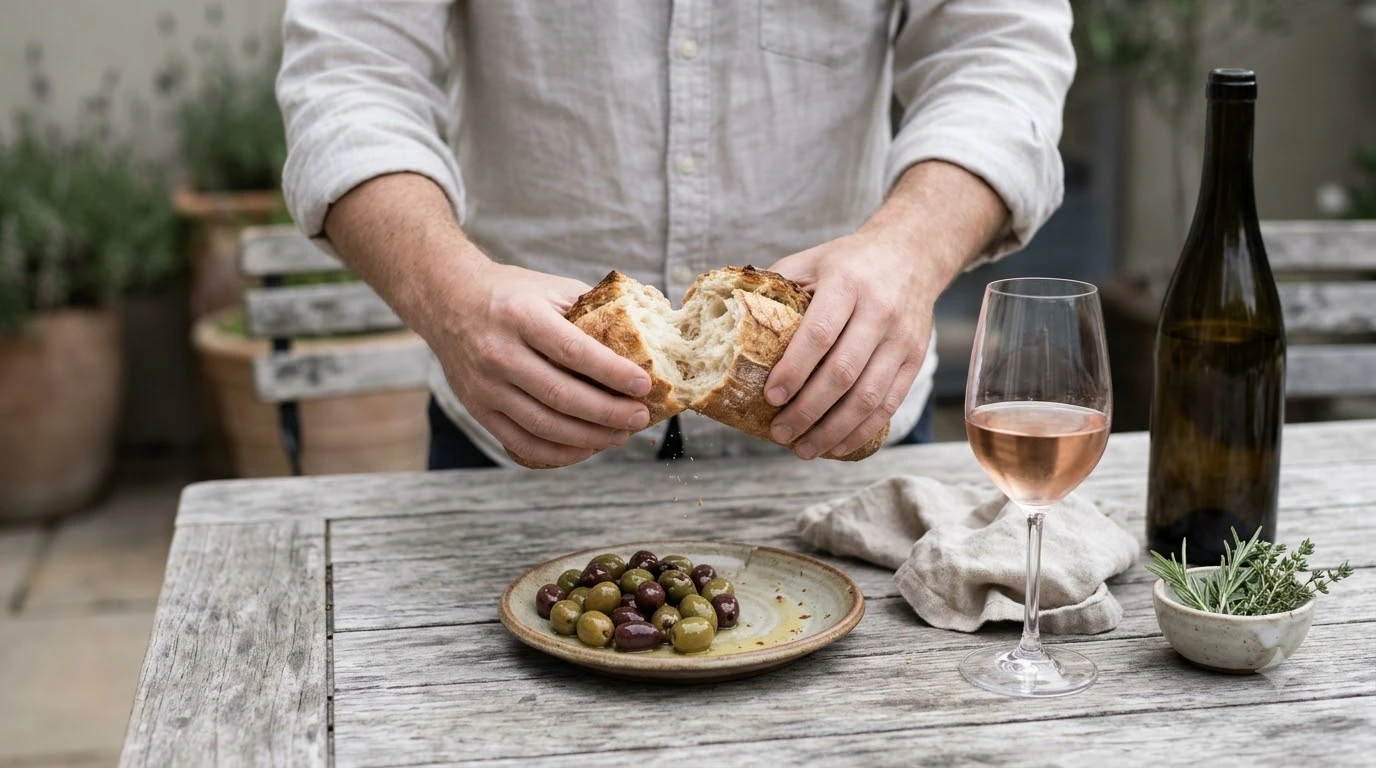
Dry rosé is more versatile than many people expect. It combines the freshness of a white wine with red-fruit characteristics that can suit grilled or roasted poultry. A Provence rosé is a practical choice for lemon chicken served with Mediterranean vegetables, olives, or a fresh salad.
For an especially rich or salty preparation, sparkling wine is another possibility. Cava and traditional-method sparkling wines have refreshing acidity and bubbles that can make a buttery or fried accompaniment feel less heavy. A dry sparkling wine is generally the best starting point for a savory meal.
The following distinctions can help red wine drinkers choose sensibly:
- Pinot Noir: Best with roasted or grilled lemon chicken and moderate citrus seasoning.
- Gamay: Best with browned chicken, mushrooms, and roasted vegetables.
- Garnacha: Best with strongly seasoned chicken and richer side dishes.
- Dry rosé: Best with Mediterranean herbs, grilled vegetables, and lemon zest.
- Sparkling wine: Best with fried chicken or richer preparations that benefit from refreshing bubbles.
For other chicken preparations, the pairing changes with the sauce and cooking method. See what wine goes with BBQ chicken for smoky, sweet, and grilled flavors, or explore what wine goes with butter chicken for a richer, spice-driven dish.
For a deeper explanation of how chicken preparation affects the choice between white, rosé, and red wine, Decanter’s guide to pairing wines with chicken discusses roast poultry, lemon and herbs, grilled preparations, and lighter red alternatives.
Serving Temperature and Pouring Wine With Lemon Chicken
Serving temperature influences how fresh, fruity, and balanced a wine tastes. Light whites and rosé are best served properly chilled, while fuller Chardonnay benefits from slightly warmer serving conditions that allow its texture and aromas to show.
Use these temperatures as practical starting points:
- Sauvignon Blanc: 45–50°F.
- Pinot Grigio: 45–50°F.
- Albariño: 45–50°F.
- Unoaked Chardonnay: 45–50°F.
- Fuller Chardonnay: 50–55°F.
- Dry rosé: 45–50°F.
- Light Pinot Noir: 55–60°F.
- Sparkling wine: 40–50°F.
Serving Sauvignon Blanc too cold can mute its aromas and make it seem less expressive. On the other hand, serving it too warm can emphasize alcohol and make the wine feel heavier than intended. A moderate refrigerator chill is generally sufficient.
For a bottle stored at room temperature, place it in the refrigerator before dinner. If the wine becomes too cold, allow it to warm slightly in the glass. A fuller Chardonnay may benefit from being removed from the refrigerator earlier than a light Pinot Grigio.
Glassware also makes a difference. A standard white wine glass is suitable for Sauvignon Blanc, Pinot Grigio, and Albariño. A slightly larger bowl is useful for Chardonnay because it gives the wine more room to release its aromas. Light Pinot Noir can be served in a medium-sized red wine glass.
A standard wine pour is approximately 5 ounces. A 750-milliliter bottle provides about five standard glasses, making one bottle sufficient for a small dinner with two people enjoying two glasses each and a little remaining.
If the meal includes several courses, serve lighter wines before fuller styles. Sauvignon Blanc can accompany a starter salad, followed by Chardonnay with the main course. This progression allows the richer wine to complement the heavier portion of the meal without overwhelming the earlier flavors.
Cooking Lemon Chicken and Building a Balanced Wine Pairing
The best pairing begins before the wine is poured. Cooking technique, sauce concentration, seasoning, and side dishes all influence the final flavor of lemon chicken, so small adjustments can make a noticeable difference.
For a straightforward preparation, combine lemon juice, olive oil, minced garlic, salt, black pepper, and fresh thyme. Coat the chicken evenly and allow it to absorb the seasoning before cooking. Roast or pan-sear until the chicken is cooked through and the exterior has developed some color.
For a pan sauce, use the browned residue left in the cooking pan as a flavor base. Add lemon juice and a little chicken stock, then reduce the liquid until the flavors become concentrated. Finish with butter and chopped parsley for a smoother consistency.
This preparation generally works with Sauvignon Blanc or unoaked Chardonnay. The former emphasizes freshness and herbs, while the latter complements the butter and provides a little more texture.
Adjusting lemon intensity
One of the most common pairing problems is making the sauce too acidic. A large quantity of lemon juice can overwhelm both the chicken and the wine. Balance the sauce with butter, olive oil, or stock rather than automatically adding more citrus.
Fresh lemon zest is another useful ingredient. It contributes recognizable citrus aroma without introducing as much additional acidity as a large squeeze of juice. This approach can make the chicken smell distinctly lemony while keeping the sauce balanced.
Choosing suitable side dishes
Side dishes should support the wine rather than introduce competing flavors. Roasted potatoes, steamed green beans, asparagus, and rice are reliable choices with Sauvignon Blanc and Pinot Grigio.
For Chardonnay, consider roasted potatoes with butter, creamy polenta, sautéed mushrooms, or lightly roasted carrots. These foods provide enough richness to match the wine’s fuller texture.
Fresh salads can also work, but avoid dressings containing excessive vinegar. Strong acidity from vinegar can make wine taste less balanced. A simple olive oil and lemon dressing is easier to coordinate with the main course.
Planning a complete dinner
For a light summer dinner, serve lemon herb chicken with grilled zucchini, asparagus, and rice. Sauvignon Blanc or Albariño will complement the herbs and citrus while maintaining a refreshing character.
For a richer evening meal, serve lemon butter chicken with roasted potatoes and sautéed green beans. A medium-bodied Chardonnay is a natural choice because its texture complements the sauce without requiring a strongly tannic red.
If the chicken is grilled outdoors, include a dry rosé or light Pinot Noir as an alternative. Slightly smoky flavors and browned skin create a stronger savory profile, giving these wines more to work with than a delicate poached chicken preparation.
Readers exploring other seasoned poultry dishes may also find useful ideas in our guide to what wine goes with chicken curry, where spice, sweetness, and sauce consistency play a much larger role.
Frequently Asked Questions
Can you drink red wine with lemon chicken?
Yes. Pinot Noir and Gamay are the most approachable red options because they generally have lower tannin than Cabernet Sauvignon or Syrah. A lightly chilled Beaujolais can work particularly well with grilled chicken, mushrooms, and roasted vegetables.
Is Sauvignon Blanc or Pinot Grigio better with lemon chicken?
Sauvignon Blanc is generally better for strongly seasoned lemon chicken because its herbal aromas complement ingredients such as parsley and thyme. Pinot Grigio is particularly suitable for simpler preparations with olive oil, rice, and lightly seasoned chicken. Both are dry white wines that can offer refreshing acidity.
Does sparkling wine work with lemon chicken?
Yes. Brut Champagne, Cava, and other dry sparkling wines can accompany lemon chicken, especially when it is fried or served with rich sides. Traditional-method sparkling wines undergo a second fermentation in the bottle, which contributes their characteristic bubbles. Their freshness makes them particularly useful alongside crispy textures.
Can you use white wine in lemon chicken sauce?
Yes. A dry Sauvignon Blanc or unoaked Chardonnay can be used to deglaze the pan after cooking the chicken. Approximately 2 to 4 tablespoons is a useful starting quantity for a small pan sauce, depending on how much stock and lemon juice the recipe contains. Allow the wine to reduce before adding the finishing butter.
How long does opened white wine last after making lemon chicken?
Most opened still white wines retain their best drinking qualities for approximately 3 to 5 days when refrigerated and properly sealed. Sparkling wines generally retain their quality for about 1 to 3 days with an appropriate sparkling wine stopper. Store the remaining bottle in the refrigerator rather than leaving it on the kitchen counter.
For most lemon chicken dinners, Sauvignon Blanc is the most dependable wine choice, with Pinot Grigio and unoaked Chardonnay offering excellent alternatives. Let the sauce determine the final decision: choose crisp acidity for lemon and herbs, fuller texture for butter and cream, and lighter reds or dry rosé for grilled preparations. Matching the wine to the finished dish makes the meal more balanced and enjoyable.
More in Food & Wine Pairing
 Risotto With White Wine Recipe: Make a Creamy Dinner at HomeUpdated Nov 20, 2026
 Wassail With Wine Recipe for a Festive Spiced Holiday DrinkUpdated Nov 20, 2026
 Spritz Veneziano Recipe: Make a Classic Venetian Aperitivo at HomeUpdated Nov 20, 2026
 Summer Wine Punch Recipe for Easy Homemade EntertainingUpdated Nov 20, 2026
 Bishop Recipe: How to Make a Bright, Citrus-Forward Red Wine CocktailUpdated Nov 20, 2026
 Wine Cupcakes Recipe: Bake Rich Chocolate Cupcakes at HomeUpdated Nov 20, 2026