


We may earn a commission when you buy through links on this page, at no extra cost to you. Learn more.
What wine goes with flank steak? Malbec is one of the best choices, while Sangiovese, Cabernet Franc, and Garnacha also make excellent pairings. Flank steak is lean, intensely beefy, and slightly chewy, so it generally benefits from medium-bodied reds with generous fruit, refreshing acidity, and moderate tannins. The best bottle also depends on how you prepare the steak, particularly whether you use a smoky marinade, garlic-heavy chimichurri, or a spicy seasoning.
Flank steak is a versatile cut that works beautifully for backyard grilling, weeknight dinners, steak salads, fajitas, and Argentine-inspired meals. Its concentrated beef flavor gives red wine plenty to complement, but its relatively low fat content means that extremely tannic wines are not always the most comfortable match. Understanding the relationship between the meat, cooking method, and accompanying sauce makes choosing a bottle considerably easier. Here are the most reliable wine styles, specific grape varieties, and serving suggestions for building a balanced meal.
Why Flank Steak Needs a Different Wine Pairing
Flank steak calls for a wine that complements its concentrated beef flavor without overwhelming its relatively lean texture. Medium-bodied reds with expressive fruit, refreshing acidity, and moderate tannins are generally more successful than heavily extracted wines with aggressive dryness.
Flank steak comes from the abdominal area of the animal. According to Texas A&M AgriLife’s beef-cut reference guide, it is a lean, boneless cut recognized for its intense beef flavor. It is also characterized by prominent muscle fibers, which give it a firmer, more noticeable texture than naturally tender cuts such as filet mignon.
These characteristics explain why the same wine does not work equally well with every steak. A heavily marbled ribeye contains considerable fat that can soften the perception of tannins in a structured Cabernet Sauvignon. Flank steak has less fat, so a similarly powerful wine can taste comparatively dry or harsh. A fruit-forward Malbec or a lively Sangiovese generally offers a more balanced experience.
The texture matters as much as the flavor. Flank steak is often cooked quickly over high heat and sliced into thin strips across the grain. Its concentrated meatiness remains prominent, even when the pieces are relatively small. A wine needs enough flavor intensity to stand alongside the beef without making each bite seem heavier.
Acidity is another important consideration. A fresh red wine helps refresh the palate between bites, especially when the steak is served with olive oil, roasted vegetables, or a rich marinade. Sangiovese is particularly useful because its naturally high acidity provides contrast while its red-fruit flavors complement grilled meat.
There is also a practical difference between a simple grilled steak and a heavily seasoned one. Salt, black pepper, and a little olive oil leave the beef as the main flavor. A marinade containing soy sauce, vinegar, garlic, brown sugar, or chili introduces additional elements that influence the wine choice. The more complicated the seasoning, the more important it becomes to consider the entire plate.
The Best Red Wines for Flank Steak
Malbec is the easiest starting point for flank steak, but Sangiovese, Cabernet Franc, and Garnacha offer equally useful alternatives. Each brings a different combination of fruit, acidity, and tannin to the meal.
Malbec: Argentine Malbec is a particularly dependable choice for grilled flank steak. It commonly offers blackberry, plum, black cherry, and sometimes cocoa or spice, giving it enough flavor to complement the beef. Its rounded texture and moderate-to-substantial tannins work well with the steak’s savory character without requiring the same level of fat as a ribeye pairing.
Mendoza is Argentina’s best-known Malbec-producing region. For flank steak, look for a style with fresh fruit and balanced oak rather than an extremely heavy, heavily extracted wine. Malbec from the Uco Valley can be especially interesting, with examples from Altamira and Gualtallary offering freshness and a more savory character. French Malbec from Cahors is another option if you prefer firmer structure and earthy notes.
Sangiovese: This Italian grape is an excellent alternative when the steak has a tangy marinade or is served with acidic ingredients. Its cherry, red-plum, and herbal flavors complement grilled beef, while its naturally high acidity provides freshness. Chianti Classico, Vino Nobile di Montepulciano, and Montefalco Rosso are useful regional styles to explore.
Sangiovese is particularly effective with flank steak because it does not depend entirely on concentrated dark fruit or powerful tannins. Its acidity works well with tomato-based sauces, roasted peppers, and herb-seasoned vegetables. It is also a sensible choice when the meal includes a vinaigrette-dressed salad.
Cabernet Franc: Cabernet Franc offers a more herbal and savory direction. Depending on its origin and style, it can show raspberry, red cherry, black pepper, leafy herbs, and earthy notes. These characteristics complement the charred exterior of grilled steak and work especially well with rosemary, thyme, parsley, and green vegetables.
Chinon in France’s Loire Valley is a useful region to explore. Its Cabernet Franc wines often emphasize freshness and herbal character rather than the heavy structure associated with some Cabernet Sauvignon bottlings. This makes them particularly attractive with simply seasoned flank steak or steak served with fresh herbs.
Garnacha: Also known as Grenache, this grape offers ripe strawberry, raspberry, red cherry, and gentle spice. Its generous fruit makes it an approachable companion for beef, while many examples have a softer tannin profile than Cabernet Sauvignon. Spanish Garnacha is a good option when the steak is grilled and served with roasted vegetables or smoky seasonings.
Syrah: Syrah is another possibility, especially for steak with a pronounced smoky crust or black-pepper seasoning. It typically provides dark fruit, savory spice, and medium-plus to high tannins. Choose a fresher, medium-bodied style rather than an excessively concentrated example if the steak is particularly lean.
| Wine | Typical body | Acidity | Best flank steak preparation |
|---|---|---|---|
| Malbec | Medium-full to full | Medium | Grilled steak and chimichurri |
| Sangiovese | Medium | High | Garlic, herbs, and tomato-based sauces |
| Cabernet Franc | Light-medium to medium | Medium-high to high | Herb-seasoned steak and vegetables |
| Garnacha | Medium to full | Medium | Smoky grilled steak and roasted peppers |
| Syrah | Medium-full to full | Medium-high | Black-pepper seasoning and grilled crust |
| Pinot Noir | Light to medium | High | Simply seasoned, lightly cooked flank steak |
These are general style descriptions rather than fixed rules for every bottle. Climate, winemaking, oak treatment, and alcohol level can change the final profile considerably. A lighter Argentine Malbec, for example, may have a different balance from a concentrated example aged extensively in oak.
For additional inspiration, the Wine Folly steak-pairing guide specifically recommends Sangiovese, Cabernet Franc, Garnacha, and Malbec for flank and skirt steak.
Choosing Wine for Chimichurri, Marinades, and Steak Sauces
The sauce can change the ideal wine pairing more dramatically than the cooking method. Garlic, vinegar, herbs, sweetness, and chili each introduce different flavors, so match the wine to the strongest ingredient rather than automatically choosing the boldest red.

Flank steak with chimichurri: Argentine Malbec is a classic choice for this combination. Chimichurri commonly contains parsley, garlic, oregano, olive oil, and red wine vinegar, creating a fresh, aromatic sauce with noticeable acidity. Malbec’s dark fruit and rounded texture complement the beef, while a fresh, less heavily oaked example can work particularly well with the herbs.
There is another option if the chimichurri contains substantial raw garlic or onion. A medium-bodied Côtes du Rhône red or Chilean Carménère can provide more freshness and a savory character that sits comfortably alongside those ingredients. Sangiovese is also worth considering when the vinegar is especially prominent.
Soy and garlic marinades: Soy sauce introduces salt and umami, while garlic contributes a pungent savory quality. Malbec and Garnacha are useful matches because their fruit complements the concentrated seasoning. A medium-bodied Syrah can also work if the marinade includes black pepper, ginger, or toasted spices.
Sweet soy-based marinades require a little more attention. Brown sugar, honey, or sweet chili sauce can make a dry wine seem more bitter or less fruity. Choose a ripe, fruit-forward red rather than a particularly austere wine. If the marinade is distinctly sweet, a wine with some residual sweetness may be more harmonious.
Red wine and herb marinades: Rosemary, thyme, oregano, and black pepper create a savory flavor profile that works well with Cabernet Franc and Sangiovese. Their herbal and fresh-fruit characteristics complement the seasoning without overwhelming the steak. A medium-bodied Syrah is another good choice for a more intensely grilled preparation.
Barbecue sauce: Traditional barbecue sauce often combines tomato, vinegar, brown sugar, smoke, and spices. This creates a more complicated pairing than plain grilled beef. Fruity Garnacha, Malbec, or a ripe Zinfandel can work, particularly when the sauce is sweet and smoky. Avoid very tannic wines if the sauce is particularly sweet, as the combination can emphasize bitterness.
Butter and peppercorn sauces: A creamy peppercorn sauce adds richness and spice. Cabernet Franc and Syrah can complement the peppery character, while a structured Sangiovese provides acidity to balance the creamy texture. Malbec is another possibility when the sauce is rich and the steak has a substantial charred crust.
Spicy marinades: Chili, cayenne, jalapeño, and hot paprika change the pairing considerably. Alcohol and tannin can amplify the sensation of chili heat, making powerful, high-alcohol reds less comfortable. Choose a softer Garnacha or a moderately alcoholic Malbec, and avoid wines with particularly aggressive tannins.
For a broader explanation of how herbs, sauces, sweetness, and acidity influence wine selection, the Wine Pairing fundamentals provide useful guidance for building balanced combinations.
Tip: If your flank steak is served with chimichurri, taste the sauce before choosing the wine. A parsley-and-oregano-heavy version can work beautifully with Cabernet Franc, while a richer, fruitier Malbec is a dependable match for a more traditional garlic-and-vinegar version.
How Cooking Method and Doneness Change the Pairing
Grilling, broiling, pan-searing, and slow cooking create different flavor intensities in flank steak. The more pronounced the char and seasoning, the more expressive the wine can be, but the cut’s lean texture still favors balance over excessive tannin.
Grilled flank steak: Grilling is one of the most popular ways to prepare this cut. High heat creates browned surfaces and smoky flavors that complement the dark fruit of Malbec and the savory character of Syrah. A medium-bodied Garnacha is another excellent option for a less intense wine pairing.
Flank steak is relatively thin compared with many traditional grilling steaks, so it generally benefits from a short cooking time over direct heat. The objective is to develop a flavorful exterior without drying out the center. Let the meat rest before slicing it into thin strips across the grain.
Pan-seared flank steak: A cast-iron skillet produces a concentrated browned crust and allows the meat to develop savory flavors from direct contact with the hot surface. Sangiovese and Cabernet Franc are particularly good choices when the steak is seasoned with salt, pepper, and fresh herbs. If the pan sauce includes butter and roasted garlic, a medium-bodied Syrah also works well.
Broiled flank steak: Broiling exposes the surface of the steak to intense heat from above. It can create a browned exterior similar to grilling, making Malbec and Garnacha suitable options. A wine with good fruit concentration helps complement the roasted and savory flavors.
Flank steak in fajitas: Fajitas often include bell peppers, onions, lime juice, cumin, chili powder, and other seasonings. These ingredients make the wine choice more complicated than it would be for a plain steak. Malbec and Garnacha work with the beef and roasted vegetables, while Cabernet Franc can complement the peppers and herbs. If the fajitas are particularly hot, choose a softer, lower-alcohol wine.
Steak salads: A flank steak salad may contain leafy greens, tomatoes, onions, goat cheese, and vinaigrette. The dressing often determines the best wine. A high-acidity Sangiovese or Cabernet Franc can handle the sharper ingredients, while a lighter Pinot Noir is an option for a salad with mild dressing and simply seasoned beef.
Doneness also affects the experience. A rare or medium-rare steak generally retains more moisture and tenderness than a heavily cooked flank steak. Its beef flavor remains prominent, so medium-bodied reds with good fruit concentration are suitable. If the steak is cooked further and develops a firmer texture, a softer red can be more comfortable than a strongly tannic wine.
Texas A&M AgriLife also emphasizes the importance of resting and cutting beef correctly. Its broiling instructions recommend resting steak for at least five minutes before cutting and slicing across the grain. These preparation details improve the eating experience and help ensure that the meat’s texture remains compatible with the wine.
White Wine and Lighter Alternatives for Flank Steak
Red wine is the traditional choice for flank steak, but it is not the only possibility. Full-flavored whites and lighter reds can work well when the meat is simply seasoned, served with fresh vegetables, or accompanied by acidic sauces.
Pinot Noir: Pinot Noir is a particularly useful alternative when you want a lighter red. It generally has low-to-medium tannins and high acidity, with flavors of cherry, raspberry, strawberry, and sometimes earthy spices. These characteristics make it suitable for lean flank steak without overwhelming the meat.
Look for a medium-bodied Pinot Noir from Oregon, California, or Burgundy in France. Oregon examples can offer bright acidity and red-fruit flavors, while some California styles provide riper fruit. Pinot Noir is especially appealing when the steak is cooked simply and served with mushrooms, roasted vegetables, or a light herb sauce.
Chardonnay: A fuller-bodied Chardonnay can work with flank steak when the dish includes butter, mushrooms, or a creamy sauce. Its moderate acidity and richer texture provide a different approach to the pairing. An unoaked or lightly oaked example is useful when you want freshness, while a richer, oak-influenced Chardonnay can complement buttery preparations.
Chardonnay is not the most obvious choice for a heavily charred steak with chimichurri, however. The acidity of the sauce may make a lower-acid white seem flat. In that situation, a red with better acidity is generally the safer choice.
Dry rosé: A structured dry rosé is a refreshing option for summer grilling. Southern French rosé, particularly fuller-bodied examples, can provide enough fruit and flavor to complement lean beef. Tavel is an interesting region to explore because its rosés tend to have more body and concentration than very light, delicate styles.
Rosé can be particularly effective when flank steak is served with grilled zucchini, peppers, tomatoes, or a fresh green salad. Its freshness provides contrast without introducing substantial tannin.
Sparkling wine: Dry sparkling wine can also work with steak, especially when the meal includes salty ingredients, fried sides, or rich sauces. Brut sparkling wine offers refreshing acidity and bubbles that help cleanse the palate. A bottle of traditional-method sparkling wine from Champagne or Cava is worth considering for a more formal dinner.
For a simple, traditionally seasoned flank steak, however, Malbec, Sangiovese, and Cabernet Franc remain more dependable choices. White and sparkling wines are most successful when the accompanying ingredients support their freshness and texture.
Serving Temperature, Portions, and Dinner Planning
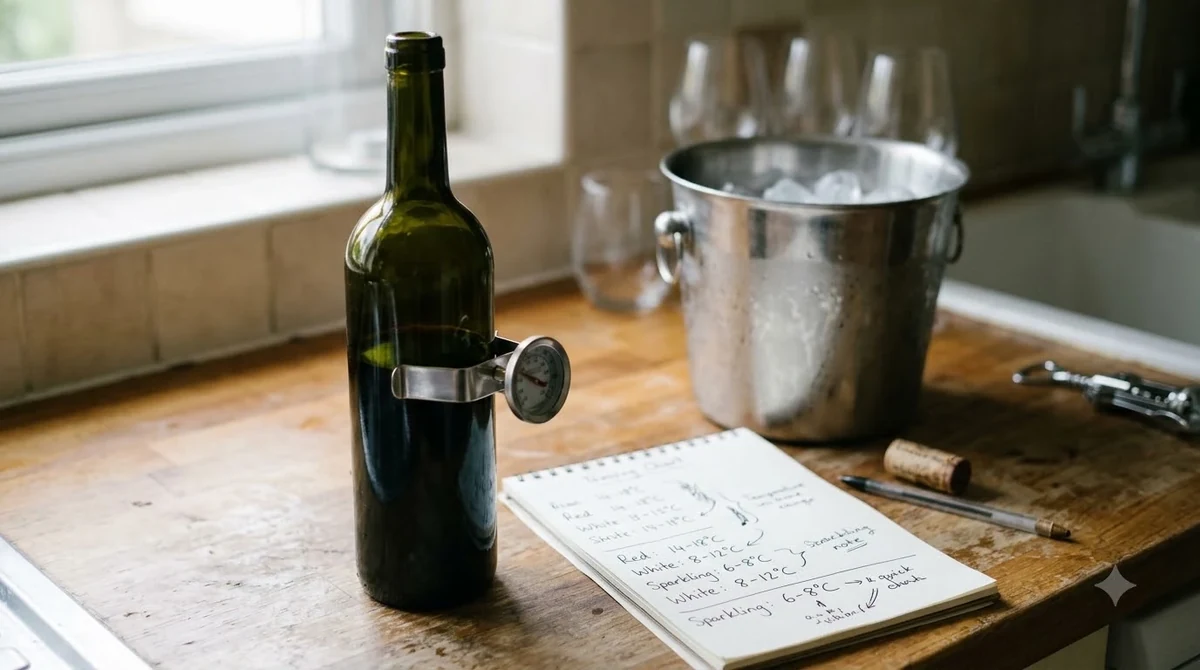
Serving temperature influences how wine tastes alongside grilled beef. Red wines should generally be served slightly cool rather than warm, while lighter alternatives benefit from more noticeable chilling.
For flank steak, aim for approximately 60–65°F for fuller-bodied reds and 55–60°F for lighter reds. Malbec and Syrah generally fit the fuller-red range, while Pinot Noir is often more enjoyable toward the lighter-red range. A wine served too warm can seem overly alcoholic, while one served too cold can lose some of its aroma and flavor.
Full-bodied whites such as Chardonnay are generally best served around 50–55°F. Dry rosé and lighter white wines work well around 45–50°F. Sparkling wine is usually best around 40–50°F, depending on its style and richness.
For a dinner with four people, one standard 750 ml bottle provides approximately five standard 5-ounce glasses. This makes two bottles a practical amount if guests want a generous serving or prefer to compare two wine styles with the meal.
Consider opening a Malbec and a Sangiovese together if you are serving several flank steak preparations. The Malbec can accompany a smoky grilled steak, while the Sangiovese provides an acidic contrast for herb-seasoned slices and vegetables. This approach also makes the dinner more interesting without requiring complicated wine knowledge.
Food preparation can be organized around the wine choice. For example, a traditional Argentine-style dinner could include grilled flank steak, chimichurri, roasted potatoes, and a bottle of Mendoza Malbec. An Italian-inspired alternative could feature herb-seasoned steak, grilled tomatoes, arugula, and Chianti Classico.
For another beef dinner with a different texture and richness, the recommendations for what wine goes with beef brisket offer useful comparisons. Brisket’s longer cooking process and richer character can call for a different balance of fruit, acidity, and tannin than lean flank steak.
Leftover wine should be stored appropriately. Reseal opened bottles and refrigerate them rather than leaving them on the kitchen counter. Most opened still wines remain enjoyable for approximately three to five days when refrigerated, although their freshness gradually declines. Let a red wine warm slightly in the glass before serving again.
There is no need to choose an expensive or unusually complex bottle for a casual flank steak dinner. A well-made, fruit-forward red with appropriate acidity is generally more important than prestige or extended aging. Focus on the flavors of the food, the structure of the wine, and the temperature at which both are served.
Frequently Asked Questions
Is Argentine Malbec always the best wine for flank steak?
No. Argentine Malbec is a reliable choice, but Sangiovese and Cabernet Franc can be better matches for dishes with pronounced acidity or fresh herbs. Malbec is particularly attractive when the steak has a smoky crust or is served with traditional chimichurri. The preparation matters more than choosing a particular country of origin.
Does Cabernet Sauvignon work with flank steak?
Yes, although it is generally better suited to richer steak preparations than to very lean, simply seasoned flank steak. Cabernet Sauvignon typically has high tannins, substantial body, and pronounced acidity. A younger, powerful example can feel drying with lean beef, so a softer Cabernet-based blend may be a more comfortable choice.
Should flank steak be served with young or aged wine?
Young, fruit-forward wines are usually excellent choices because their fresh fruit complements the beef without requiring additional complexity. Aged wines can also work, particularly when their tannins have softened and they have developed earthy or savory characteristics. However, an aged bottle is not necessary for a successful flank steak pairing.
Can sparkling rosé accompany flank steak?
Yes. Dry sparkling rosé can complement grilled beef when the meal includes salty sides, roasted vegetables, or moderately rich sauces. Traditional-method sparkling rosé also offers a different texture from still red wine because its bubbles and acidity refresh the palate. Choose a dry style rather than a noticeably sweet bottle for a savory steak dinner.
Is Rioja a good wine for flank steak?
Yes. Rioja made primarily from Tempranillo can offer red fruit, savory spice, and developed flavors that complement grilled beef. Crianza and Reserva styles provide different levels of oak influence and maturation, allowing you to choose between fresher fruit and more developed complexity. A balanced Rioja is particularly suitable for steak with roasted peppers, garlic, and herbs.
Flank steak also works well in other steak preparations, so the principles behind what wine goes with steak frites can help when planning a meal with crisp potatoes and a richer steak accompaniment. For most meals, Malbec is the simplest answer to the question of what wine goes with flank steak, particularly when the beef is grilled or served with chimichurri. Sangiovese, Cabernet Franc, Garnacha, and Pinot Noir provide excellent alternatives when the seasoning, sauce, or side dishes call for a different balance. Choose a wine with enough fruit and freshness to complement the lean beef, serve it at the appropriate temperature, and let the flavors of the entire meal guide your final selection.
More in Food & Wine Pairing
 Risotto With White Wine Recipe: Make a Creamy Dinner at HomeUpdated Nov 20, 2026
 Wassail With Wine Recipe for a Festive Spiced Holiday DrinkUpdated Nov 20, 2026
 Spritz Veneziano Recipe: Make a Classic Venetian Aperitivo at HomeUpdated Nov 20, 2026
 Summer Wine Punch Recipe for Easy Homemade EntertainingUpdated Nov 20, 2026
 Bishop Recipe: How to Make a Bright, Citrus-Forward Red Wine CocktailUpdated Nov 20, 2026
 Wine Cupcakes Recipe: Bake Rich Chocolate Cupcakes at HomeUpdated Nov 20, 2026