

We may earn a commission when you buy through links on this page, at no extra cost to you. Learn more.
What wine goes with caviar? Dry Brut Champagne is the classic choice because its high acidity and fine bubbles balance caviar’s salty, rich, buttery character. Extra Brut Champagne, crisp whites such as Chablis and Sauvignon Blanc, and selected dry rosés also make excellent companions. The best bottle depends on the caviar variety, its intensity, and whether it is served alone or with accompaniments such as blinis, eggs, potatoes, and crème fraîche.
Caviar is delicate enough that a wine can easily become the main attraction instead of supporting the food. The key is to look for refreshing acidity, restrained sweetness, and a body that matches the intensity of the roe. Champagne is a reliable starting point, but several still wines offer equally interesting possibilities. Understanding a few basic Wine Pairing principles makes it easier to select a bottle that works with both the caviar and the rest of the menu.
Brut Champagne at 40–50°F Is the Classic Match
Dry Champagne is the most dependable wine pairing for caviar because its acidity and bubbles provide contrast to the roe’s saltiness and richness. Brut and Extra Brut are particularly useful styles for serving with delicate seafood.
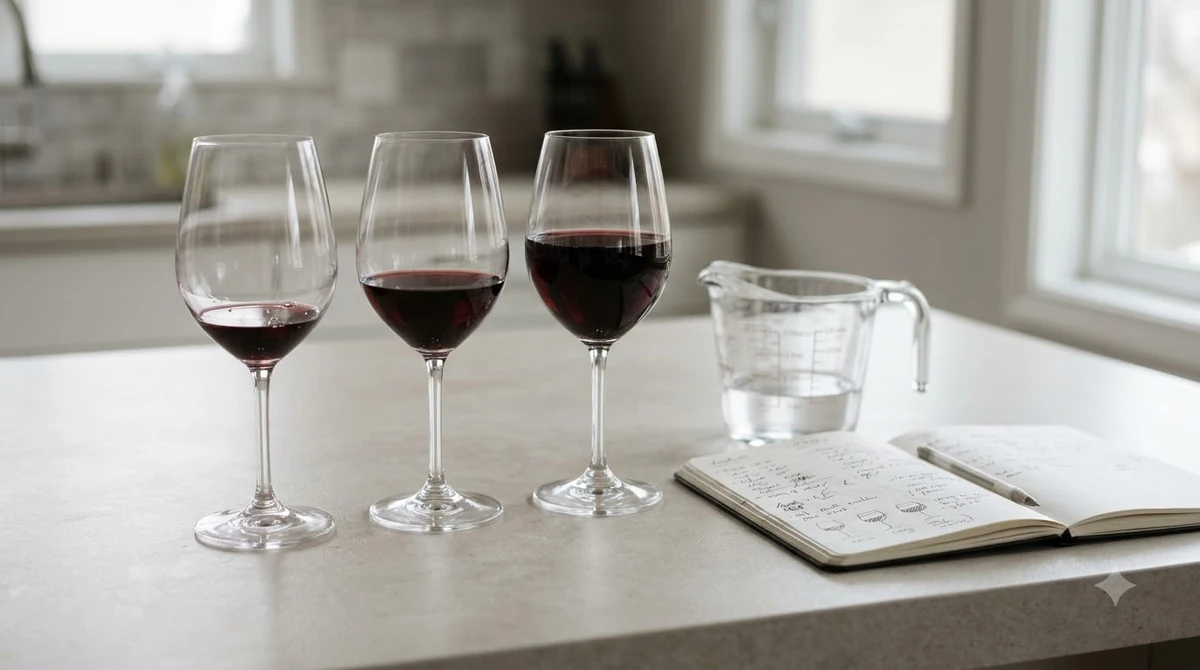
Champagne brings together several qualities that complement caviar. Its acidity refreshes the palate after the buttery texture of the eggs, while carbonation creates a lively contrast with their soft, delicate consistency. The result is a pairing in which successive bites remain interesting rather than becoming heavy. Champagne also has enough flavor complexity to accompany the subtle marine, nutty, and creamy characteristics found in different sturgeon varieties.
Start with Brut Champagne for an adaptable choice. It is dry enough to work with savory seafood, but its flavor profile generally has enough roundness to complement richer caviar preparations. Extra Brut offers a leaner, more austere experience, while Brut Nature is particularly suitable when the goal is to keep sweetness to a minimum. These dry styles are often especially appealing with caviar served simply, without numerous creamy or strongly flavored additions. For a closer look at how professionals approach this combination, see Liquor.com’s Champagne and caviar pairing advice.
Blanc de Blancs Champagne, made entirely from Chardonnay, is another strong option. Its citrus, mineral, and sometimes chalky characteristics complement delicate, briny caviar without automatically adding too much weight. More substantial Champagne styles can work with richer varieties, especially when caviar is served with potato, butter, or eggs. The right choice is not necessarily the most expensive or mature bottle; balance between the food and wine matters more than prestige.
For a straightforward serving decision, chill Champagne to approximately 40–50°F. Serve it cold enough to preserve its freshness and lively bubbles, but not so cold that its aromas disappear. A Brut non-vintage bottle is a practical starting point for a mixed caviar selection because it can accommodate several textures and flavor profiles.
Still Whites From Chablis, Sancerre, and Rías Baixas
Still white wines offer an excellent alternative to Champagne, particularly when caviar is served as part of a longer meal. Chablis, Muscadet, Sancerre, and Albariño bring refreshing acidity without the additional carbonation of sparkling wine.
Chablis is one of the most natural still-wine choices. Made from Chardonnay in Burgundy, France, it commonly displays citrus, mineral, and restrained fruit characteristics. A crisp, unoaked example complements the delicate marine flavor of caviar and avoids the heavy vanilla, toast, and butter notes that can dominate a small serving of roe. Its structure is especially useful with Osetra and other varieties that have noticeable nuttiness or a creamy finish. A more restrained white Burgundy can also provide a little extra body for richer preparations.
Sauvignon Blanc is another useful option because of its high acidity and bright aromatic profile. Sancerre from the Loire Valley is a recognizable regional expression, often combining citrus, herbal notes, and a lean structure. These qualities help balance the saltiness of caviar, particularly when the eggs are served with plain toast points or simple potatoes. Choose a dry style rather than a sweet or heavily tropical interpretation. The wine should refresh the palate without introducing an aroma that competes with the seafood.
Albariño from Rías Baixas in northwestern Spain is particularly appealing for people who enjoy a slightly more expressive white wine. It often combines lively acidity with citrus, orchard fruit, and a saline impression that suits seafood. Its freshness makes it a useful partner for moderately briny caviar, especially when served with a small amount of crème fraîche. Muscadet from the Loire Valley is another sensible possibility, offering a leaner profile that works well with simple seafood preparations.
Dry Riesling deserves consideration too. Its naturally high acidity can counter the creamy texture of roe, and a dry bottling avoids sweetness that might distract from the savory character of caviar. The distinction between dry and sweet Riesling is important here. A crisp, dry version is generally preferable to a sweeter style for a traditional caviar course.
For Chardonnay lovers, an unoaked or lightly oaked bottle is usually the safer choice. Chardonnay has medium acidity, so it brings more body than Sauvignon Blanc or Riesling without necessarily overwhelming the food. A restrained white Burgundy can work particularly well with richer Osetra, egg-based accompaniments, and buttery potatoes.
Match Osetra, Kaluga, and White Sturgeon to Wine Weight
Different caviar varieties have different levels of salinity, nuttiness, richness, and intensity, so the best wine should complement the specific roe rather than follow a single universal rule. Matching the weight of the Champagne or white wine to the caviar is a useful way to make the decision.
Osetra is often associated with a nutty, buttery, and distinctly maritime flavor. It can be more expressive than delicate white sturgeon caviar, allowing it to work with a fuller Champagne. A richer Chardonnay-based sparkling wine can provide enough structure to complement its texture. Dry fino Sherry is another interesting option. Its savory, almond-like character and acidity create a different style of pairing, particularly appealing for anyone who wants to move beyond Champagne.
Kaluga Hybrid is often appreciated for its large pearls and creamy character. The richness of the roe can support a more substantial sparkling wine than a very delicate variety would require. A fuller Brut or Extra Brut Champagne with notes of stone fruit, almond, or subtle toast can provide a satisfying contrast. In particular, the sommelier recommendations discussed in professional pairing coverage include Larmandier-Bernier Latitude Extra Brut NV as a companion for Kaluga Hybrid. That example illustrates why a wine with more body can be useful when the caviar itself is especially creamy.
California white sturgeon offers another pairing direction. A medium-bodied Provence rosé can provide enough fruit and acidity without becoming excessively aromatic or heavy. Wine professionals have recommended rosé blends based on Cinsault, Grenache, and Mourvèdre for this variety. Such wines can be especially attractive when caviar is served with a slightly richer accompaniment, although a delicate rosé should still remain dry and refreshing.
Siberian sturgeon caviar can have a pronounced, savory, and nutty character. A more structured Champagne, including certain Blanc de Noirs styles, can provide the necessary depth. Its richer fruit and textured palate help avoid a situation in which the wine disappears beside the food. Conversely, an extremely delicate sparkling wine may seem thin beside a particularly intense serving of roe.
Beluga and Russian Osetra Imperial are also capable of handling a range of Champagne styles because of their fuller flavor profiles. Even so, intensity alone should not dictate the choice. A highly saline caviar may be better with a crisp, mineral wine than with a powerful, toasty one. The most reliable approach is to compare the texture, flavor, and finishing intensity of each variety before selecting the bottle.
Blini, Potatoes, Eggs, and Crème Fraîche Shape the Pairing
The foods served alongside caviar can change which wines work best. Plain caviar needs a delicate wine, while butter, cream, potatoes, and eggs allow slightly fuller wines to become more appropriate.
Traditional blinis offer a soft, mildly yeasty foundation that does not compete aggressively with the roe. A small dollop of crème fraîche contributes creaminess, while chives provide a fresh herbal note. Brut Champagne works particularly well with this combination because its acidity balances the dairy and its bubbles refresh the palate between bites. A crisp Chablis or Albariño can accomplish something similar without adding carbonation.
Toast points are a straightforward alternative to blinis. Their crisp texture provides contrast with the soft caviar pearls, and a small amount of butter adds richness. For this preparation, a dry sparkling wine is an especially adaptable choice. Avoid piling on too many strongly flavored toppings. Heavy garlic, hot sauces, and strongly seasoned spreads can obscure the subtle marine and nutty notes that make different caviar varieties distinctive.
Potato chips and latkes offer a more casual serving style. Their saltiness, starch, and crisp texture complement the richness of the roe, while sour cream can provide another creamy element. A dry Brut Champagne is a natural companion, but a fuller sparkling rosé can also work if the preparation is especially rich. Crispy foods are not limited to traditional blinis; some Champagne professionals also recommend fried appetizers as alternatives because their textures respond well to sparkling wine.
Eggs are another established caviar accompaniment. Soft scrambled eggs, hard-boiled eggs, and deviled eggs provide a mild, rich background that makes the roe stand out. Blanc de Blancs Champagne is particularly suitable because its freshness can balance the softness of egg yolk and butter. Chablis is a sensible still-wine alternative, especially with a simple egg preparation that uses only a small amount of seasoning.
Think about the order of an entire menu as well. Caviar may be the first course, followed by richer meat or cheese dishes that need a different wine. A later smoked-meat course, for instance, may call for a red or fuller white suited to the preparation; the separate advice on what wine goes with beef brisket can help plan that transition. Avoid treating the caviar wine as automatically suitable for every dish that follows.
Serving Temperature, 5-Ounce Pours, and Tasting Portions
Temperature and portion size are important because caviar is served in small quantities and its flavors can be easily obscured. A chilled bottle, controlled pours, and a properly presented tasting portion make the pairing more enjoyable.
Use the following serving ranges as a practical starting point. Sparkling wines should be served colder than most still whites, while fuller white wines benefit from slightly more warmth to reveal their aromas. The temperatures below are useful general ranges rather than rigid rules for every bottle.
| Wine style | Serving temperature | Typical character | Suitable caviar pairing |
|---|---|---|---|
| Brut or Extra Brut Champagne | 40–50°F | High acidity, fine bubbles | Most traditional caviar preparations |
| Chablis or Muscadet | 45–50°F | Lean, crisp, refreshing | Delicate and moderately briny varieties |
| Sauvignon Blanc or Albariño | 45–50°F | Bright fruit and high acidity | Caviar with toast, blinis, or lighter toppings |
| White Burgundy or fuller Chardonnay | 50–55°F | Medium acidity and greater body | Rich Osetra and buttery preparations |
| Dry Provence rosé | 45–50°F | Fresh fruit and medium body | White sturgeon and richer accompaniments |
A standard wine pour is approximately 5 ounces, and a 750 ml bottle supplies roughly five glasses. For a focused caviar tasting, smaller pours can be preferable because guests may want to compare several styles rather than commit to one full glass. A single bottle of Brut Champagne is usually sufficient for a small tasting group when the portions are controlled and other beverages are available.
For caviar, a moderate tasting portion is approximately 14 grams per person. Around 20 grams provides a more generous serving for guests who want more than a few bites. When offering multiple varieties, smaller portions of each allow guests to compare differences without making the tasting unnecessarily heavy.
Keep the caviar cold, ideally in its tin over a bowl of ice, while avoiding direct contact between the tin and melting ice water. Bring out only the portion that can be served promptly. Use a small nonreactive spoon and prepare the accompaniments before opening the tin. Once opened, caviar is best enjoyed promptly rather than kept for an extended period.
Wine temperature should be considered separately from caviar temperature. Chilling sparkling wine to 40–50°F helps preserve its freshness, while a full-bodied Chardonnay often shows better at 50–55°F. An excessively cold bottle may conceal aromas, whereas a warm sparkling wine can seem less refreshing and lose some of its appeal alongside the salty, rich roe.
Tip: For a first caviar tasting, serve one tin of caviar with plain blinis, crème fraîche, and a chilled Brut Champagne. Taste a small amount of the roe on its own before adding toppings, then compare how the wine responds to each preparation.
Avoid Heavy Oak, Tannin, Sweetness, and Chili Heat
The wrong wine can make caviar seem metallic, excessively salty, or less flavorful. Heavy oak, assertive tannin, noticeable sweetness, and excessive alcohol are the main characteristics to approach cautiously.
Big, tannic red wines are usually poor choices for delicate caviar. Cabernet Sauvignon has high tannin, while Syrah often has medium-plus to high tannin and a more forceful structure. These wines can overwhelm the soft texture and subtle flavors of the roe. They may also produce an unpleasant contrast with seafood. Pinot Noir has less tannin than Cabernet Sauvignon, but even a lighter red can distract from a delicate serving of caviar.
Oaked Chardonnay needs similar consideration. A heavily buttery, vanilla-scented, or oak-forward example can add too much richness to food that is already salty and creamy. Instead of refreshing the palate, the pairing can feel heavy. A lightly oaked or unoaked Chardonnay is more suitable if a white wine with added texture is desired. Chablis and similarly restrained whites offer an easier starting point.
Sweetness also deserves attention. Demi-Sec and Doux Champagne styles have noticeably more sweetness than Brut, Extra Brut, and Brut Nature. For savory caviar, a dry wine is generally the better match because it preserves the balance between salt, acidity, and delicate seafood flavor. Extra Dry Champagne can also confuse newcomers because the term does not mean it is drier than Brut. When selecting a bottle for a traditional caviar course, Brut is usually the simpler choice.
Spicy accompaniments create another potential problem. Chili heat can become more pronounced alongside alcohol and tannin, so a pepper-heavy garnish may make even a refreshing wine seem harsh. Keep the caviar preparation relatively mild and allow its natural character to remain prominent. Strongly seasoned toppings can be served separately rather than placed directly on every portion.
For a different style of pairing, dry fino Sherry is an interesting alternative to sparkling wine, particularly with nutty Osetra. Dry sake can also complement the savory and umami characteristics of caviar. Both options offer a different texture and aromatic profile from Champagne, so they are useful choices for people who want to explore beyond the traditional combination. A clean, unflavored vodka remains a classic non-wine alternative.
Finally, consider the other dishes on the table. A cheese course featuring what wine goes with blue cheese may call for a more specific wine choice than a delicate caviar starter. Separating strongly flavored courses helps preserve the contrast that makes a Champagne and caviar pairing so successful.
Frequently Asked Questions
Brut Champagne, Extra Brut, and dry white wines such as Chablis are reliable choices for caviar, but serving details and wine production methods can also influence the experience. These answers cover a few additional questions that commonly arise when planning a caviar tasting.
Is salmon roe the same as caviar?
No. In the traditional and strict culinary sense, caviar refers to salted sturgeon eggs, while salmon eggs are generally called salmon roe. Salmon roe has larger, often orange-colored eggs and a different flavor and texture. It is frequently served with sushi and other seafood dishes.
Does caviar need a mother-of-pearl spoon?
Mother-of-pearl is traditional, but it is not essential. Stainless steel, wood, and plastic utensils are also suitable nonreactive alternatives. Silver is generally avoided because it can react with the salt in caviar and introduce a metallic taste.
Can caviar be frozen before serving?
Freezing is not recommended for ordinary ready-to-serve caviar. Very low temperatures can damage the delicate structure of the eggs, leaving them watery and less pleasant in texture after thawing. Keep the tin refrigerated and serve it chilled over ice instead.
What is rosé de saignée Champagne?
Rosé de saignée is made by allowing red grape skins to remain in contact with the juice for a period during production. This technique extracts color and additional flavor and texture. Some examples have several days of skin contact, giving them a fuller profile than many delicate rosé sparkling wines.
Does vintage Champagne work with caviar?
Yes, especially with richer varieties and more pronounced savory flavors. Vintage Champagne can develop autolytic characteristics through extended aging on spent yeast, adding complex notes that complement umami-rich ingredients. However, a younger non-vintage Brut may be preferable when the goal is to emphasize freshness and delicate caviar flavors.
Dry Brut Champagne remains the safest recommendation for caviar, while Chablis, Albariño, Sauvignon Blanc, and selected rosés offer excellent alternatives. Match the wine to the variety of roe, keep the accompaniments simple, and serve everything at an appropriate temperature. With those basics in place, even a modest caviar tasting can become a memorable food and wine pairing.
More in Food & Wine Pairing
 Risotto With White Wine Recipe: Make a Creamy Dinner at HomeUpdated Nov 20, 2026
 Wassail With Wine Recipe for a Festive Spiced Holiday DrinkUpdated Nov 20, 2026
 Spritz Veneziano Recipe: Make a Classic Venetian Aperitivo at HomeUpdated Nov 20, 2026
 Summer Wine Punch Recipe for Easy Homemade EntertainingUpdated Nov 20, 2026
 Bishop Recipe: How to Make a Bright, Citrus-Forward Red Wine CocktailUpdated Nov 20, 2026
 Wine Cupcakes Recipe: Bake Rich Chocolate Cupcakes at HomeUpdated Nov 20, 2026