

We may earn a commission when you buy through links on this page, at no extra cost to you. Learn more.
What wine goes with cajun food? Off-dry Riesling is one of the best overall choices because its bright acidity, fruity character, and gentle sweetness complement bold seasoning without making chili heat feel more aggressive. Sauvignon Blanc, dry rosé, Chenin Blanc, and sparkling wine are excellent alternatives, particularly with seafood and buttery sauces. If you prefer red wine, choose a fruit-forward Pinot Noir, Grenache, or Beaujolais with relatively soft tannins. The best bottle depends on the dish’s heat, richness, protein, and sauce.
Cajun food brings together smoky sausage, seafood, peppers, rice, butter, herbs, and generous seasoning. A single meal might include spicy andouille gumbo, crawfish étouffée, blackened fish, or jambalaya, and each preparation presents a slightly different pairing challenge. The goal is to find wine with enough freshness and flavor to complement the food without overwhelming its ingredients. Understanding a few basic principles makes choosing a bottle much easier, whether you are planning a Louisiana-inspired dinner or serving a large gathering.
Why Riesling Is a Reliable Match for Cajun Cooking
Off-dry Riesling is a particularly dependable choice because its combination of acidity, fruit, and modest sweetness works with several defining characteristics of Cajun cuisine. It can soften the impression of chili heat, refresh the palate after rich bites, and complement seafood without overwhelming delicate flavors.
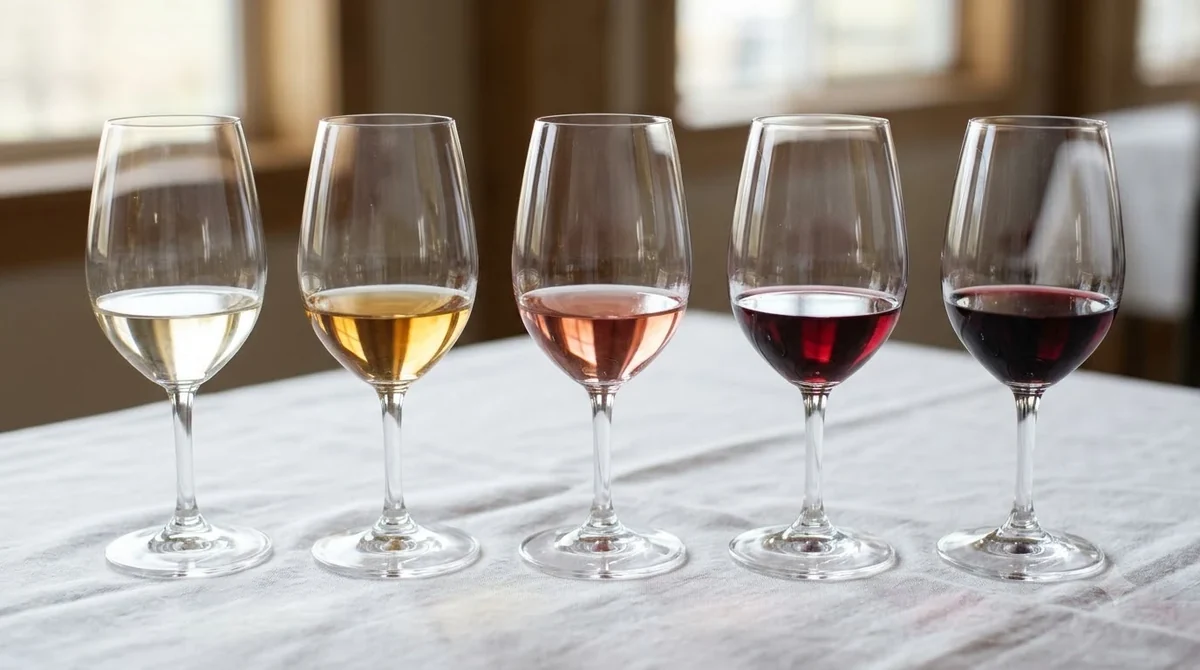
Riesling is especially useful when a dish contains cayenne, black pepper, hot sauce, or spicy sausage. Chili heat can make alcohol feel stronger and increase the perception of bitterness and tannin in wine. A high-alcohol Cabernet Sauvignon or heavily structured Syrah may therefore feel harsh beside a particularly fiery bowl of gumbo. A moderately alcoholic Riesling with a little residual sugar offers a gentler contrast.
Its acidity is equally important. Cajun cooking often includes butter, sausage fat, roux, and other rich ingredients. Acidity refreshes the palate between bites, preventing the meal from feeling excessively heavy. Riesling also has enough aromatic fruit to remain noticeable alongside onion, celery, garlic, and assertive seasoning.
There is a difference between off-dry and sweet Riesling. Off-dry versions have a noticeable but restrained sweetness, while sweeter bottlings have more pronounced sugar and fruit. For moderately spicy jambalaya or seafood gumbo, off-dry is generally the better starting point. For especially hot preparations, a slightly sweeter version can provide additional contrast.
Look for Riesling from Germany, Washington State, or New York’s Finger Lakes region. These areas offer styles ranging from crisp and dry to gently sweet. The label’s sweetness indication and alcohol percentage help narrow the selection. A bottle around 9–12% ABV can be a useful starting point for spicy dishes, although the actual balance of the wine matters more than a single number.
Riesling also works when a Cajun dinner includes several different dishes. Its versatility makes it practical for a table containing seafood, chicken, rice, and moderately spicy sauces. If you are choosing one bottle for guests with different preferences, it is a particularly sensible option.
Best White Wines for Gumbo, Étouffée, and Cajun Seafood
White wines are often the easiest matches for Cajun seafood because they combine freshness with enough aromatic character to complement seasoning. Sauvignon Blanc, Albariño, Chenin Blanc, and Chardonnay each serve a different purpose depending on whether the dish is citrusy, buttery, spicy, or creamy.
Sauvignon Blanc is a strong choice for shrimp, oysters, blackened fish, and seafood gumbo. Its high acidity and herbal character complement green bell pepper, parsley, celery, and other aromatic ingredients. A crisp New Zealand or Loire Valley example is particularly useful when the dish has fresh herbs or a squeeze of lemon. Choose a dry style rather than one with noticeable sweetness if the food is relatively mild.
Albariño is another excellent option for shellfish. Wines from Rías Baixas in northwestern Spain often have citrus, stone-fruit, and saline characteristics that work naturally with shrimp and crawfish. The combination of freshness and moderate body helps the wine stand up to seasoned seafood without overpowering it.
Chenin Blanc offers flexibility because it comes in dry and off-dry styles. Dry Chenin Blanc works with seafood gumbo, shrimp étouffée, and lightly seasoned crawfish. An off-dry example is more appropriate when cayenne and hot sauce become prominent. Its acidity also helps balance butter-based preparations.
Chardonnay is better suited to richer Cajun dishes. A lightly oaked or unoaked bottle can accompany chicken étouffée, creamy seafood preparations, and buttery sauces. More substantial Chardonnay has enough body to match the texture of these dishes, although heavily oaked versions can feel too rich when the food is already spicy and fatty.
Here is how the main white wine options compare:
| Wine | Acidity | Best Cajun pairing | Style to choose |
|---|---|---|---|
| Riesling | High | Spicy gumbo, crawfish boil | Off-dry |
| Sauvignon Blanc | High | Blackened fish, seafood gumbo | Dry |
| Albariño | High | Shrimp, crawfish, oysters | Dry |
| Chenin Blanc | Medium-high to high | Étouffée, seafood dishes | Dry or off-dry |
| Chardonnay | Medium | Chicken étouffée, buttery sauces | Lightly oaked |
| Gewürztraminer | Medium | Strongly seasoned Cajun dishes | Off-dry |
These are general style characteristics rather than guarantees for every bottle. Winemaking choices, ripeness, and sweetness levels can change the final balance. For a broader comparison of food combinations, the guide to Wine Pairing explains how acidity, sweetness, body, and tannin affect the experience at the table.
Red Wine Pairings for Jambalaya, Sausage, and Hearty Cajun Dishes
Red wine can work very well with Cajun food when the dish has substantial meat, smoke, and savory depth. Pinot Noir, Grenache, Beaujolais, and selected Zinfandel styles are useful choices because their fruit and structure can complement sausage and chicken without introducing excessive tannin.
Pinot Noir is one of the most versatile red options. Its low-to-medium tannin, high acidity, and red-fruit character make it a natural match for chicken and andouille gumbo, mild sausage jambalaya, and grilled poultry. The wine has enough savory character to accompany smoked ingredients while remaining relatively light on the palate.
Choose a fruit-forward Pinot Noir from Oregon, California, or Burgundy. A bottle with restrained oak and moderate alcohol is preferable to a heavily extracted example. Serve it slightly cool at approximately 55–60°F. This temperature keeps its fruit fresh and prevents the alcohol from becoming too prominent.
Grenache is another good choice, especially when the food contains grilled chicken, pork, or smoked sausage. It generally offers ripe red fruit, moderate tannin, and a rounded texture. A Grenache-based wine from Spain or France can complement savory jambalaya while providing enough flavor to stand up to its seasoning. Avoid very high-alcohol examples if the dish has substantial cayenne.
Beaujolais, made from Gamay, works particularly well with tomato-free Cajun jambalaya. Its bright acidity, juicy fruit, and relatively light tannin make it a more refreshing partner than a powerful red. A chilled bottle of Beaujolais-Villages can accompany chicken, sausage, peppers, and rice without making the combination feel heavy.
Zinfandel is useful for heartier preparations containing substantial smoked sausage, pork, or roasted meat. Its ripe fruit can complement smoky and savory flavors. However, some examples have high alcohol and pronounced tannin, which can make spicy food feel hotter. Choose a balanced, fruit-forward version and reserve it for dishes with moderate rather than extreme heat.
For a fuller comparison of red and white options, the guide to the best wine with cajun food can help narrow the choice by dish and wine style.
Pairing Wine with Gumbo, Jambalaya, and Crawfish Étouffée
The most reliable pairing comes from identifying the dominant ingredients rather than treating all Cajun dishes as equally spicy. Gumbo, jambalaya, and étouffée have different textures, sauces, and proteins, so their ideal wines can differ considerably.
Chicken and Andouille Gumbo
Chicken and andouille gumbo combines poultry, smoky sausage, vegetables, seasoning, and a rich roux-based broth. The dish usually has enough savory depth to support a light or medium-bodied red, but its spice level determines whether red wine is the best option.
For moderate seasoning, try Pinot Noir, Grenache, or a softer Syrah. These wines complement the sausage’s smoky character and the chicken’s savory flavor. If the gumbo has pronounced cayenne or hot sauce, switch to off-dry Riesling or Chenin Blanc. Their freshness and modest sweetness are more accommodating of stronger heat.
Seafood Gumbo
Seafood gumbo generally calls for a fresher wine than sausage-heavy versions. Shrimp, crab, oysters, and other seafood benefit from wines with bright acidity and relatively restrained tannin.
Choose Sauvignon Blanc, Albariño, or dry rosé when the seasoning is moderate. For a spicier broth, off-dry Riesling is a better starting point. Avoid heavily tannic reds because their drying texture can clash with delicate seafood and make chili heat more noticeable.
Jambalaya
Jambalaya changes considerably according to its ingredients and preparation. Cajun-style jambalaya is typically tomato-free, while Creole-style versions often include tomatoes. The distinction matters because tomato acidity changes how a wine tastes alongside the dish.
Tomato-free jambalaya with chicken and andouille can work with Beaujolais, Pinot Noir, or Sauvignon Blanc. Tomato-based Creole jambalaya can handle a fruit-forward Zinfandel or Rioja when the seasoning is moderate. For seafood-heavy jambalaya, Riesling or dry rosé usually provides a more refreshing match.
Crawfish Étouffée
Crawfish étouffée is a particularly interesting pairing because its sauce combines shellfish with butter, vegetables, seasoning, and stock. A traditional St. Landry Parish recipe uses one pound of peeled crawfish tails, one stick of butter, onion, celery, green bell pepper, cayenne, and hot sauce. The crawfish mixture is served over rice.
For this combination, Chenin Blanc is a strong choice. Its acidity balances the butter, while its fruit complements the crawfish. Off-dry Riesling is another option when the seasoning is especially noticeable. Chardonnay can work when the sauce is richer and less spicy.
The St. Landry Parish visitor guide provides a useful example of this traditional preparation in its South Louisiana crawfish étouffée recipe.
Blackened Fish and Shrimp
Blackened seafood has a different profile from seafood gumbo. Its exterior develops intense seasoning and char, while the fish or shrimp inside can remain delicate. Dry rosé, Sauvignon Blanc, and Riesling all work, depending on the heat level.
For a mild blackened fish preparation, Sauvignon Blanc is an excellent match. If cayenne dominates, choose off-dry Riesling. Dry rosé offers a middle ground when the seasoning is moderate and the seafood has a little char from the skillet or grill.
How Spice, Acidity, Fat, and Tannin Affect Wine Pairing
Successful Cajun wine pairing depends on more than selecting a grape variety. Four characteristics deserve particular attention: chili heat, acidity, fat, and tannin. Understanding how they interact explains why a crisp white can outperform a powerful red beside a heavily seasoned dish.
Chili heat and alcohol: Capsaicin creates the burning sensation associated with hot peppers. Alcohol can intensify that sensation, making a high-alcohol wine uncomfortable beside very spicy food. A wine with moderate alcohol, generous fruit, and a little sweetness is often more suitable. This is why Riesling and Gewürztraminer are frequent recommendations for Cajun and blackened preparations.
Acidity and richness: Cajun recipes often rely on butter, roux, sausage fat, and cooking oils. High-acid wines refresh the palate after these rich ingredients. Sauvignon Blanc, Riesling, Albariño, and sparkling wine are useful choices when the dish has considerable fat. The acidity acts much like a squeeze of lemon over seafood.
Tannin and seasoning: Tannin creates a drying sensation in red wine. Strong chili heat can make tannic wines taste more bitter and aggressive. Cabernet Sauvignon is therefore a risky choice for very spicy gumbo or blackened shrimp. Pinot Noir and Grenache generally provide softer alternatives.
Salt and fat: Salt and fatty ingredients can soften the perception of tannin, which explains why certain reds work with sausage-heavy dishes. A moderate-tannin Grenache or Zinfandel can accompany smoky andouille more successfully than it would accompany delicate seafood.
Another useful principle is matching sweetness. Wine should generally be at least as sweet as the dessert or sweet component of the dish. For Cajun cooking, this becomes relevant when a sauce includes a sweet glaze, caramelized vegetables, or sweet barbecue elements. A completely dry wine can seem unusually sharp beside a sweet-spicy preparation.
These principles also apply beyond Louisiana cuisine. If your meal includes a different regional preparation, the article on what wine goes with spicy food explains how sweetness, alcohol, and tannin affect hotter dishes.
Tip: When you are unsure how hot a Cajun dish will be, start with an off-dry Riesling or dry sparkling wine. Both offer freshness, and the Riesling provides a little sweetness to balance stronger seasoning. You can move toward Pinot Noir or Grenache when the food is richer, meatier, and less spicy.
Serving Temperatures and Practical Tips for Cajun Wine Pairings
Serving temperature has a noticeable effect on the pairing. Chilled white wine and rosé feel refreshing beside spicy food, while slightly cool red wine retains its fruit without making alcohol seem overly prominent.
Use these temperatures as practical starting points:
- Riesling and other light whites: 45–50°F.
- Sauvignon Blanc and Albariño: 45–50°F.
- Chardonnay: 50–55°F.
- Dry rosé: 45–50°F.
- Pinot Noir and Beaujolais: 55–60°F.
- Fuller-bodied red wines: 60–65°F.
- Sparkling wine: 40–50°F.
Very cold wine can hide its aromas and flavor, while overly warm wine can make alcohol more apparent. White wine generally needs a little time outside the refrigerator before serving if it has become extremely cold. Light reds benefit from a short period in the refrigerator before they reach the table.
Glassware and pouring size also matter. A standard 750 ml bottle provides approximately five 5-ounce servings. For a dinner featuring several Cajun dishes, consider offering one white and one red rather than expecting one wine to work equally well with every course.
If you are serving sparkling wine, look for Brut or Extra Brut when the food is salty and moderately spicy. The bubbles and acidity provide refreshment alongside fried shrimp, boudin balls, and other rich appetizers. For hotter preparations, a slightly sweeter sparkling style may be more comfortable.
Open bottles should be handled carefully. Keep unfinished still wines refrigerated and generally aim to drink them within 3–5 days. Sparkling wines usually retain their best qualities for approximately 1–3 days when properly resealed. Store unopened bottles on their sides in a cool, stable environment near 55°F when appropriate for the closure.
For a gathering with multiple dishes, arrange the wines from lighter to fuller styles. Begin with sparkling wine or Sauvignon Blanc alongside appetizers, move to Riesling with spicy seafood, and offer Pinot Noir or Grenache with meatier jambalaya. This order gives each wine a suitable place in the meal rather than forcing a single pairing throughout the evening.
Frequently Asked Questions
Can Champagne pair with Cajun food?
Yes. Traditional Champagne is made using a second fermentation in the bottle, which produces its characteristic bubbles. Brut Champagne works especially well with fried shrimp, salty appetizers, and rich seafood preparations because its acidity and carbonation provide freshness.
Is Moscato too sweet for Cajun cooking?
Not necessarily. Moscato can be useful with strongly seasoned dishes because its sweetness contrasts with chili heat. Moscato d’Asti is generally lightly sparkling and relatively low in alcohol, making it a more approachable option than a heavy, high-alcohol wine for particularly spicy food.
Can Pinot Grigio work with crawfish boil?
Yes. Pinot Grigio is a useful choice when crawfish boil includes corn, potatoes, sausage, and moderately seasoned shellfish. A crisp Italian example provides a clean, refreshing contrast, although off-dry Riesling is often preferable when the seasoning contains substantial cayenne or hot sauce.
Does wine pairing change with the type of andouille sausage?
Yes. Smoked andouille can have a more pronounced savory character than fresh sausage, changing the weight and flavor intensity of the dish. Pinot Noir and Grenache are useful with smoked sausage, while Riesling is often more comfortable when the sausage is combined with substantial chili heat.
What wine works with Cajun food that contains lemon or vinegar?
Look for a wine with substantial natural acidity, such as Sauvignon Blanc, Riesling, or Albariño. Lemon and vinegar can make low-acid wines taste flat or dull. A crisp wine with citrus characteristics generally maintains a more balanced flavor alongside these sharper ingredients.
For most Cajun meals, off-dry Riesling is the safest starting point, while Sauvignon Blanc, Chenin Blanc, and dry rosé are excellent alternatives for seafood. Pinot Noir, Grenache, and Beaujolais provide satisfying red-wine options for sausage, chicken, and hearty jambalaya. Match the wine to the actual spice level and richness of the dish, and you will have a pairing that complements the food rather than competing with it.
More in Food & Wine Pairing
 Risotto With White Wine Recipe: Make a Creamy Dinner at HomeUpdated Nov 20, 2026
 Wassail With Wine Recipe for a Festive Spiced Holiday DrinkUpdated Nov 20, 2026
 Spritz Veneziano Recipe: Make a Classic Venetian Aperitivo at HomeUpdated Nov 20, 2026
 Summer Wine Punch Recipe for Easy Homemade EntertainingUpdated Nov 20, 2026
 Bishop Recipe: How to Make a Bright, Citrus-Forward Red Wine CocktailUpdated Nov 20, 2026
 Wine Cupcakes Recipe: Bake Rich Chocolate Cupcakes at HomeUpdated Nov 20, 2026