

We may earn a commission when you buy through links on this page, at no extra cost to you. Learn more.
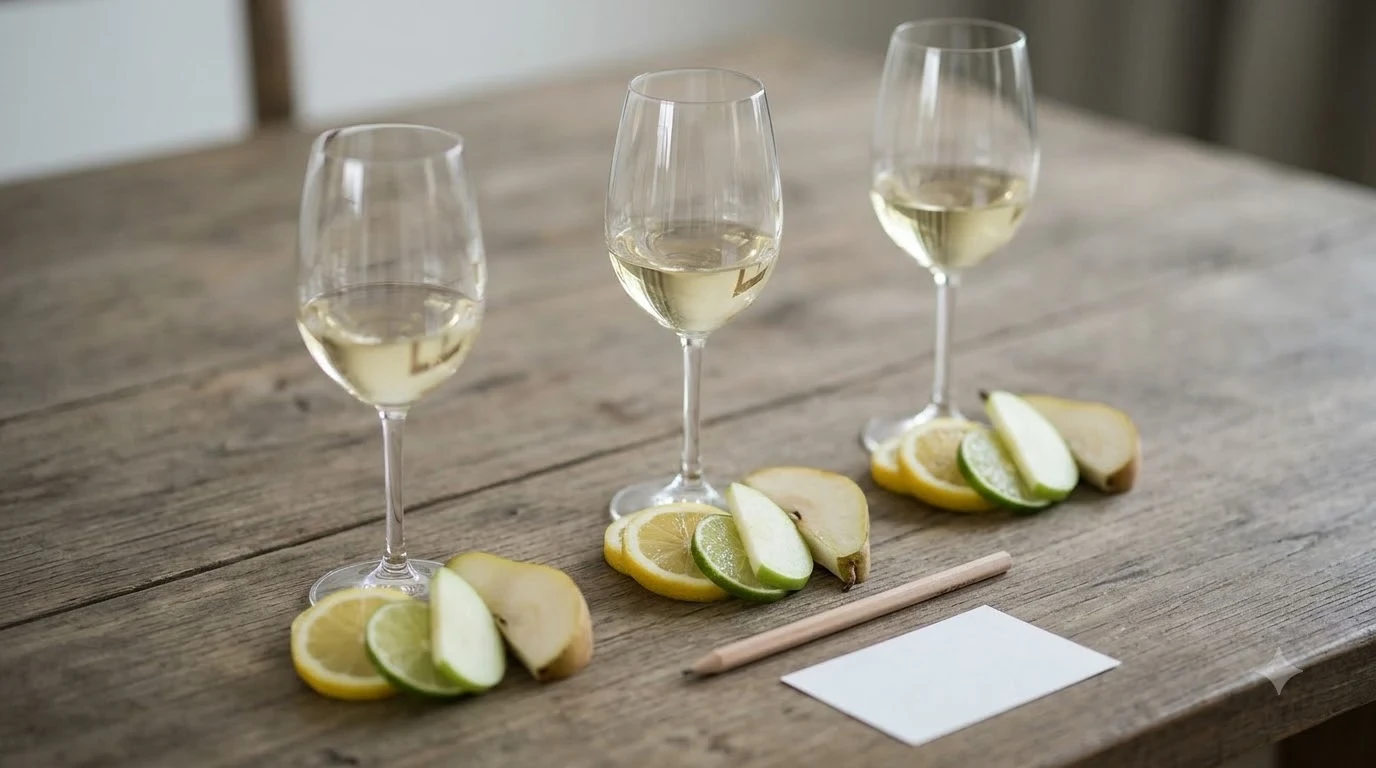
What is riesling? It is a white grape that makes wines with high acidity, a light body, and flavors of lime, green apple, and floral notes, and it ranges from bone dry to very sweet. Riesling is one of the most versatile white wines, and its sweetness level is printed on the label far less often than it should be. Once you know how to read a riesling, it becomes one of the easiest wines to match with food.
Riesling has a reputation for being sweet, but that is only part of the story. Some bottles are completely dry, others are sweet enough to serve as dessert, and most sit somewhere in the middle. The grape’s high acidity keeps even the sweetest examples from tasting heavy. This guide covers the basic flavor profile, how sweetness varies, how to serve riesling, and which foods bring out its best.
The basic flavor profile
According to Wine Folly’s riesling guide, the wine is light in body and high in acidity. That combination makes it feel fresh and lively on the palate, even when the fruit is intense. The acidity is what most people notice first, and it is the reason riesling is so good with food.
The typical flavors are lime, green apple, beeswax, jasmine, and petroleum. The petroleum note sounds odd on paper, but it is a classic riesling character, especially in aged wines, and many people find it an attractive part of the aroma. Younger wines lean more toward citrus and green fruit, while older bottles can develop honeyed and savory notes.
The grape itself is worth understanding too, and the riesling grape guide covers how it is grown and where it does best. Riesling is also a grape that rewards patience. Wine Folly lists a cellaring potential of 10 years or more for good examples. Time softens the acidity and builds complexity, so a riesling from a strong vintage can taste quite different a decade after it was bottled.

Understanding sweetness
Sweetness is the trait that confuses most people about riesling. The styles range from bone dry to very sweet, and the wine’s high acidity balances the sugar so that even a sweet riesling does not taste cloying. Wine Folly’s taste profile places riesling in the off-dry range, which means a gentle touch of sweetness that is easy to drink.
Because the grape’s acidity is so high, a sweet riesling can taste lighter than you might expect. A dry riesling, by contrast, can feel tart and mineral, with citrus and stone notes that are sharp rather than fruity. Neither style is better overall. They suit different moments and different meals.
Many producers now print a sweetness scale on the back label, which is a helpful guide. If the label does not say, look at the producer’s description or ask a shop staff member. The words “dry,” “off-dry,” and “sweet” on the label are usually a reliable clue. For a closer look at this question, the is riesling sweet guide walks through the common confusion in more detail.
German labels add their own vocabulary, which can be confusing at first. Words such as trocken generally mean dry, while halbtrocken suggests a light touch of sweetness. Learning a few of these terms makes it much easier to shop for the style you want, even in a store with a long wall of unfamiliar bottles.
How to serve riesling
Serving temperature matters with riesling because the wine’s aromas are delicate. Wine Folly recommends serving it at 38 to 45°F, or 3 to 7°C. That is colder than many people expect, and it is worth chilling the bottle for at least an hour before pouring.
Use a white wine glass with a moderate bowl. The shape helps the aromas reach your nose without letting the wine warm too quickly. Riesling does not need a large glass, and a small pour is enough to show its character.
Tip: An opened bottle of riesling keeps its flavor for a few days in the refrigerator, and sweeter styles often hold up longer. Recork the bottle tightly and return it to the fridge between pours.
Food pairings that work
Riesling is one of the best wines for spicy food. Off-dry styles pair well with spicy Indian and Asian cuisines, because the sweetness calms the heat and the acidity keeps the palate clean. Thai curries, Szechuan dishes, and spicy noodle soups all find a good partner in a slightly sweet riesling.
Pork and duck are classic matches as well. Wine Folly lists pork, bacon, and duck among the dishes that suit off-dry riesling, and the wine’s fruit complements the richness of the meat. Shrimp and crab are also good choices, especially when they are served with lemon or a light sauce.
Dry riesling works better with lighter foods such as fish, salads, and fresh cheeses. The wine’s acidity cuts through oil and butter without overwhelming a delicate dish. A dry riesling also pairs well with vegetables that have a little bitterness or a green edge.
Riesling is useful in the kitchen too. A splash in a pan sauce or a poaching liquid adds fruit and acidity without a lot of alcohol heat. If you use a sweet riesling in cooking, taste the dish as it reduces, because the sugar concentrates.
Riesling compared with other whites
Many drinkers compare riesling with sauvignon blanc or pinot grigio, since all three are crisp whites. The difference is in the fruit and the sweetness. Sauvignon blanc tends to be grassy and herbal, while riesling is often more floral and fruit-forward. Pinot grigio is generally neutral and lighter, so riesling offers more aroma and more range.
Riesling can also replace a richer white wine when you want something lighter. Chardonnay offers butter and oak, while riesling offers citrus and acidity. If you enjoy the freshness of a crisp white, riesling is often the better pick, and it does not need the same level of cooling as some sparkling wines.
Choosing a bottle
Start with the sweetness you want. If you prefer a dry wine, look for a label that says dry or trocken, and expect sharper acidity and more mineral character. If you want something gentler, look for an off-dry or sweet riesling, which tends to suit spicy food and desserts.
Price does not always tell you about quality. Many good bottles are modestly priced, and a wine from a strong producer can be a better match for your taste than an expensive bottle with a famous name. Keep notes about the styles you enjoy, and use them the next time you shop.
Frequently Asked Questions
What is riesling made from?
Riesling is made from the riesling grape, a white variety known for high acidity and aromatic fruit. It can produce wines that are bone dry or very sweet, depending on how the winemaker handles fermentation.
Is riesling always sweet?
No. Riesling styles range from bone dry to very sweet. Many bottles fall in the off-dry range, but dry rieslings are common too, so check the sweetness on the label or in the producer’s description.
What does riesling taste like?
Typical flavors include lime, green apple, beeswax, and jasmine. Aged rieslings can develop a petroleum note, which many drinkers find appealing.
What food goes best with riesling?
Off-dry riesling pairs well with spicy Indian and Asian dishes, pork, duck, and shrimp. Dry riesling suits lighter foods such as fish, salads, and fresh cheeses.
Riesling rewards anyone willing to look past the sweet reputation. Once you understand its acidity and the range of sweetness, it becomes one of the most food-friendly wines you can keep on hand. For a wider look at the main grapes and styles, the Wine by Type guide is a useful next step.
More in Wine Types & Grapes
 Zinfandel Sugar Content: Dry Red vs. White Zinfandel GramsUpdated Nov 21, 2026
 Best Zinfandel Substitute Options for Sipping and CookingUpdated Nov 21, 2026
 Zweigelt Food Pairing: Best Dishes, Cheeses, and Serving TipsUpdated Nov 21, 2026
 Zinfandel Tannins Explained: How Structure Shapes Every BottleUpdated Nov 21, 2026
 Zinfandel Sweetness Level: Dry Red vs. Sweet White Zin ExplainedUpdated Nov 21, 2026
 Xinomavro Food Pairing: Best Dishes, Styles, and Serving TipsUpdated Nov 21, 2026