


We may earn a commission when you buy through links on this page, at no extra cost to you. Learn more.
Is riesling sweet? Not always, because the grape makes dry, off-dry, and sweet wines. The grape makes wines across the full range, from bone-dry to very sweet, and many bottles on U.S. shelves are off-dry, with a touch of sweetness balanced by bright acidity. Checking the style on the label or the producer’s description is the most reliable way to know what is in the glass.
Is riesling sweet is one of the most common questions shoppers ask at the wine counter. Riesling has a reputation for sweetness that is only partly deserved. Many Americans first try a sweet bottle and assume the whole grape tastes that way, while others avoid it for the same reason. The truth sits in the middle. This guide explains how sweetness works in riesling, how to spot the style you want, and how to serve and pair it.
Is Riesling Sweet? The Short Answer
Riesling is an aromatic white grape, and wines made from it range from bone-dry to very sweet. According to Wine Folly, the grape is typically labeled off-dry in its taste profile, which means there is a noticeable hint of sweetness but not a full dessert-style richness. Its acidity is high, and that acidity is what keeps sweet rieslings from tasting heavy. Wine Folly’s riesling guide describes the grape’s full range of styles.
So the answer depends on the bottle. A dry riesling tastes crisp and mineral with citrus and green apple. An off-dry riesling tastes fruity and slightly sweet while still finishing clean. A very sweet riesling, often labeled as late harvest or ice wine, is a dessert wine and tastes concentrated and syrupy.
How Sweetness Works in Riesling
Sweetness in wine comes from residual sugar, the grape sugar that is not fermented into alcohol. Winemakers can stop fermentation early, leaving more sugar in the finished wine. Riesling is especially good at showing this sweetness in balance, because its high acidity keeps the wine fresh and stops the sugar from feeling cloying. That is why a riesling with noticeable sweetness can still taste light.
Acidity and sugar work together. When both are high, the wine tastes bright and lively. When acidity is low, the same sugar level can taste flat or heavy. This is one reason riesling is often recommended to people who want a sweeter white that does not feel thick.
How to Tell Dry From Sweet on the Label
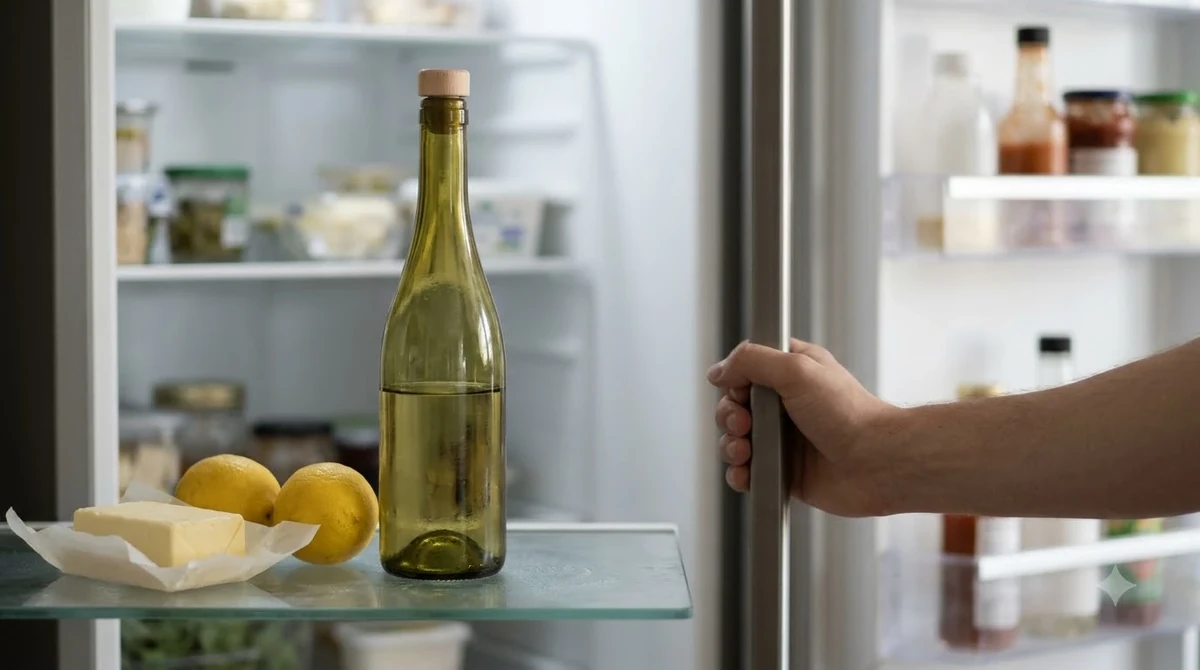
Many bottles do not say “dry” or “sweet” in large letters, so it helps to know a few clues. Terms such as “Trocken” on German labels usually mean dry, while “Halbtrocken” or “feinherb” suggest an off-dry style. Words like “Spätlese” or “Auslese” often point to a sweeter, late-harvest wine. On U.S. labels, a short tasting note that mentions honey, ripe peach, or dessert pairings usually signals a sweeter bottle.
Producers and importers often describe their wines on their own websites, so checking the description before you buy gives a clearer picture than the bottle alone.
| Style | How it tastes | Good with |
|---|---|---|
| Dry riesling | Crisp, mineral, lime and green apple | Oysters, shellfish, light salads |
| Off-dry riesling | Fruity, gently sweet, still fresh | Spicy Indian and Asian dishes, pork, bacon |
| Sweet or late harvest | Rich, honeyed, concentrated | Fruit desserts, blue cheese |
How to Serve Off-Dry and Sweet Riesling
Serving temperature matters with riesling. Wine Folly suggests serving it at about 38 to 45 degrees Fahrenheit in a standard white wine glass, with no decanting needed. At that temperature the aromas of lime, green apple, and jasmine stay lively, and the acidity keeps the sweetness in check. A wine served too warm can taste flabby, while one served very cold can hide its fruit.
Riesling is also one of the few white wines that can age for years. The same page notes that many examples can improve in a cellar for ten years or more. Sweet rieslings often keep longest, because their sugar and acidity protect the wine as it develops.
Tip: If you are not sure about sweetness, start with an off-dry bottle. It is the easiest style to enjoy, and it shows the grape’s fruit without heaviness.
Food Pairing for Sweet and Off-Dry Riesling
Off-dry riesling pairs well with foods that have heat, salt, or richness. Spicy Indian and Asian cuisines are a classic match, because a touch of sweetness calms chili and the acidity cleans the palate. Pork, bacon, duck, shrimp, and crab also work, since the sweetness complements the savory flavors of the dish.
Dry riesling is better suited to light dishes. Oysters, grilled fish, and salads with a lemony dressing let its acidity and minerality show. Sweeter, late-harvest styles belong with dessert. Fruit tarts, pound cake, and some blue cheeses balance their richness without overwhelming it.
Common Questions About Riesling Sweetness
One mistake is assuming every riesling is a dessert wine. Many people who dislike sweet wine enjoy dry or lightly sweet riesling once they try it. Another is ignoring the vintage and producer. Two bottles from the same region can taste different if one is made in a drier style. A third mistake is serving riesling too cold, which makes it hard to tell whether the wine is sweet at all.
If you want a sweeter white that is still fresh, look for an off-dry riesling with clear acidity. If you want a wine to match a meal, a dry or lightly sweet style is usually the safer choice.
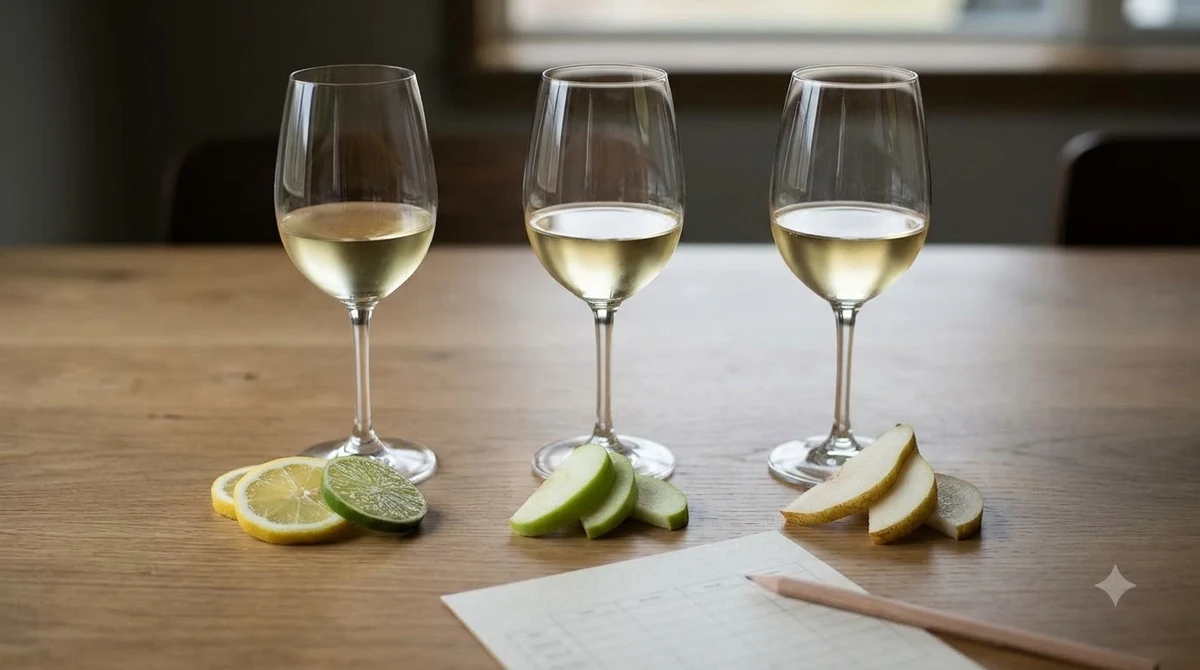
Pairing sweetness with the right food is the easiest way to enjoy riesling at any level of sweetness. A dry riesling with a squeeze of lemon can cut through fried food, while an off-dry bottle softens the heat of a curry or a plate of spicy noodles. When you are hosting, offering one dry and one off-dry riesling side by side lets guests see the difference clearly. Tasting them in the same glass order, dry first and sweet second, helps the sweeter wine show its fruit without the dry one tasting sour by comparison.
Serving riesling at a dinner party is simple if you plan the order of the bottles. Start with the dry style, move to the off-dry one with the main course, and finish with a sweeter bottle alongside dessert. Guests can then compare the three styles directly, and the sweetness reads as a deliberate part of the meal rather than a surprise.
Storage is simple. Keep unopened bottles somewhere cool and dark, and refrigerate an opened bottle with the cork or stopper replaced. Riesling tends to keep well for a few days after opening, which makes it a practical choice for a meal that stretches over an evening.
Frequently Asked Questions
Is riesling always sweet?
No. Riesling ranges from bone-dry to very sweet. Many bottles are off-dry, and dry styles are common, so the label or tasting notes are the best guide.
Is riesling sweeter than moscato?
Usually not. Moscato is typically a lightly sparkling, sweet wine, while riesling is a still white whose sweetness depends on the style. Riesling’s high acidity makes sweet styles taste crisper than many moscatos.
What does off-dry riesling taste like?
Off-dry riesling tastes fruity and mildly sweet, with notes of lime, green apple, and honey. The acidity keeps it refreshing, so it finishes clean rather than syrupy.
Should I chill sweet riesling?
Yes, but not too cold. Serving it between about 38 and 45 degrees Fahrenheit keeps the aromas lively and lets the acidity balance the sweetness.
Riesling is one of the most flexible white wines, and its sweetness is a style choice rather than a fixed trait. Start with an off-dry bottle if you are curious, and move to dry styles for seafood and salads. For more background, read about riesling wine or the riesling grape, or browse sweet white wine options before you buy.
More in Storage & Fridge Care
 How Long Can You Store Wine in a Wine Fridge? Protect Bottle QualityUpdated Nov 20, 2026
 Can You Store Beer in a Wine Fridge? Keep Both Drinks FreshUpdated Nov 20, 2026
 Is It Worth Repairing a Wine Fridge? Spot the Cheap Fixes Before You ReplaceUpdated Nov 20, 2026
 Wine Fridge Condensation: Identify Causes and Fix Moisture ProblemsUpdated Nov 20, 2026
 Wine Fridge Too Cold: Protect Your Wine and Fix the TemperatureUpdated Nov 20, 2026
 How to Reset Wine Fridge: Restore Cooling and SettingsUpdated Nov 20, 2026