


We may earn a commission when you buy through links on this page, at no extra cost to you. Learn more.
A practical approach to cooking with riesling is to choose a dry bottle for savory sauces and braises, then use off-dry or sweet styles only when their fruit and residual sugar suit the dish. Riesling brings naturally high acidity, citrus and stone-fruit aromas, and a range of sweetness levels that give cooks more than one way to season a dish. Used thoughtfully, it can deglaze a skillet, brighten a cream sauce, or become the braising liquid for chicken and pork.
Riesling is not one fixed flavor or sweetness level. A dry bottle from Alsace or Austria behaves differently from an off-dry Mosel Riesling, and both differ from a concentrated late-harvest wine. The useful kitchen question is not simply whether Riesling is good for cooking; it is which style fits the recipe, how much to add, and how far to reduce it.
Why Riesling Works in the Kitchen
Riesling works especially well in dishes that benefit from acidity, fragrance, and a clean white-wine flavor. Its naturally high acidity helps cut through butter, cream, and rendered poultry fat, while citrus, apple, peach, and floral notes can complement rather than cover the main ingredient.
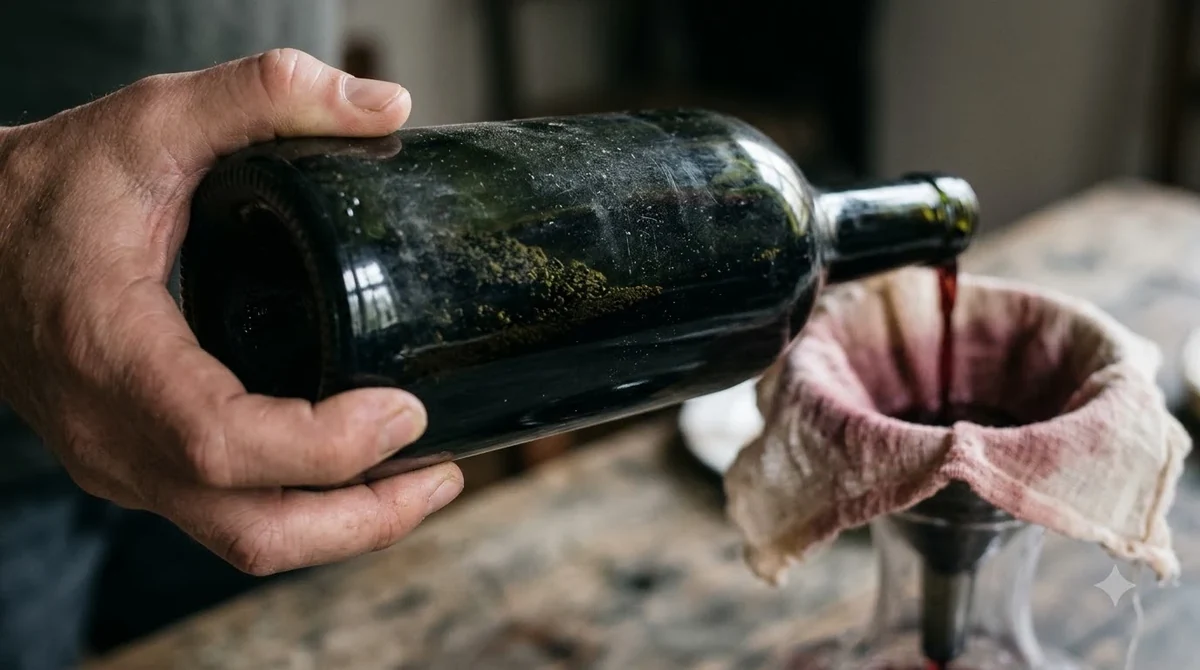
That combination makes Riesling useful for deglazing a pan after cooking chicken or pork, or adding a bright note to a fish sauce. A small amount can provide a lift similar to lemon, but with more aroma and rounded fruit character.
Riesling also gives cooks control over sweetness. Dry versions contribute little perceptible sugar; off-dry and sweet versions add fruit as well as sweetness. Choose deliberately, because simmering removes water and concentrates residual sugar.
The grape’s range is clear in the glass. Decanter describes classic Riesling flavors such as lime, green apple, and peach, with Mosel examples often showing a slate-like mineral impression and Alsace examples leaning more floral. Those differences can suggest a direction for a recipe, but the most important kitchen decisions remain sweetness, acidity, and the intensity of the dish.
Choose Dry, Off-Dry, or Sweet Riesling by the Dish
For most savory recipes, start with dry Riesling; choose off-dry when a touch of sweetness is welcome, and reserve clearly sweet bottles for glazes, fruit-forward dishes, or desserts. The label terms and alcohol level can help you make that choice before opening the bottle.
On a German label, trocken means dry, while halbtrocken means off-dry; feinherb is also commonly used for an off-dry impression, though it is not a tightly defined legal sweetness category. The terms Kabinett, Spätlese, and Auslese refer to harvest ripeness categories, not a guaranteed finished sweetness level. A Kabinett can be dry or gently sweet, so look for an accompanying dryness term or a producer’s sweetness description.
Alcohol is a useful clue, not a precise measurement of sugar. Wine Enthusiast notes that many dry German Rieslings are around 12% alcohol by volume or higher, while sweeter Prädikat wines often fall below 10%. Climate and winemaking matter, so use this as a quick guide rather than a rule that replaces the wine’s actual taste.
| Riesling style or clue | Typical character | Good kitchen use |
|---|---|---|
| Dry, often marked trocken | Little perceptible sweetness; bright acidity; often around 12% ABV or higher in German examples | Pan sauces, savory braises, seafood, chicken, pork |
| Off-dry, including halbtrocken | Noticeable but restrained sweetness; lively acidity | Mustard glazes, gently spicy dishes, fruit-accented poultry |
| Sweet or late-harvest | Clear sweetness; ripe peach, apricot, citrus, or honeyed notes; often below 10% ABV in sweeter German Prädikat styles | Fruit sauces, sweet-and-sour preparations, poached fruit, desserts |
For a classic white-wine pan sauce, dry Riesling is the dependable choice because it leaves the cook room to add sweetness from onions, apples, carrots, or a glaze. A sweet wine can work in a recipe designed around that flavor, but it should not be poured into a savory reduction simply because the bottle is already open. Taste the wine first and decide whether you would want its sweetness in the finished dish.
Best Savory Uses for Riesling
Dry and lightly off-dry Riesling are most useful with foods that welcome acidity and aromatic lift, especially chicken, pork, shellfish, freshwater fish, mushrooms, and vegetables. It can also bring balance to dishes with cream or butter, provided the sauce is not reduced so far that the acidity becomes sharp.
For chicken or pork, use dry Riesling to deglaze the pan after searing thighs, breasts, chops, or tenderloin. Add shallot, stock, and herbs, then simmer until the raw wine aroma softens and the liquid lightly coats a spoon. Cream or butter can round the sauce; lemon zest, parsley, tarragon, or chives keep it fresh. Pork also works with apples, pears, cabbage, and mustard, while a restrained off-dry Riesling can suit caramelized apples.
With seafood, choose a dry, crisp style and keep the cooking time short. A splash can flavor mussels, clams, shrimp, or a pan sauce for trout; cook the fish gently and reduce the sauce separately if needed. Add a little Riesling to mushrooms, leeks, onions, or cabbage after they soften. It also suits ginger, scallions, and mild chili, but a very sweet bottle can make savory vegetables taste sugary. For another aromatic white, see this guide to cooking with moscato.
Make Pan Sauces, Deglazes, and Reductions
Riesling is particularly effective in a pan sauce because its acidity carries flavor from the browned fond into the liquid. Add it after searing, let it reduce enough to lose its raw edge, and finish with stock, butter, herbs, or cream according to the dish.
After removing the cooked protein from the skillet, pour off excess fat while leaving the browned bits behind. Add a few tablespoons of dry Riesling to the hot pan and scrape the bottom with a wooden spoon. The wine will loosen the fond and collect its savory flavor. Add minced shallot or garlic only if the pan is not too hot, since either can burn quickly; then add stock and simmer until the sauce has the concentration you want.
Reduction changes the balance of the wine. As water evaporates, acidity becomes more pronounced and any residual sugar becomes more concentrated. Serious Eats describes reducing one cup of an off-dry Riesling to one-quarter cup: the cooked wine became much sweeter, while the acidity of the white wines also stood out more strongly. That is why a dry style is the safer starting point for savory sauces, especially if the recipe calls for more than a small splash.
Finish with butter for gloss, cream for softness, or mustard for a sharper profile. Swirl butter in off the heat instead of boiling the finished sauce. If the sauce is too sharp, add stock, cream, or unsalted butter; if flat, add a few drops of lemon juice or vinegar. Choose a clean, fresh, drinkable wine rather than a bottle with cork taint, vinegar-like aromas, or heat damage. It need not be expensive: delicate aromas fade during cooking, so style matters more than prestige. Wine Enthusiast’s overview of cooking wine makes the same point. Avoid heavily oaked whites, which can become bitter or distracting in a reduction.
Tip: Start with less Riesling than you think you need in a concentrated sauce. You can add another splash while the liquid simmers, but you cannot remove sweetness or acidity once a sauce has reduced too far.
Braise Chicken, Pork, and Other Ingredients
Riesling can serve as part of a braising liquid, where it contributes acidity and aroma while stock provides savory depth. Use a dry or lightly off-dry bottle for most poultry and pork braises, and keep the wine in balance with the amount of stock, vegetables, and cooking time.
For a straightforward chicken braise, brown bone-in thighs in a heavy pot, then soften onion, leek, or shallot in the drippings. Add dry Riesling to release the fond, followed by chicken stock, thyme, and a bay leaf. Return the chicken to the pot, cover, and cook at a gentle simmer or in a moderate oven until tender. The wine should support the broth rather than dominate it. Finish with parsley or chives, and add cream only near the end if you want a richer sauce.
Coq au Riesling is an Alsatian-style direction: chicken cooked with white wine and aromatics, often with mushrooms and a creamy finish. Dry, structured Riesling supplies acidity that keeps the sauce from feeling heavy, while fruit and floral notes suit chicken, mushrooms, and onions. A sweet bottle would change the dish’s balance, so reserve it for recipes designed around sweetness.
Pork shoulder or country-style ribs can also be braised with Riesling, especially alongside apples, cabbage, fennel, or mustard. Add enough stock to keep the liquid from becoming a sharply reduced wine sauce, and cook at a low, steady temperature. For fish and shellfish, use Riesling as a poaching or steaming accent rather than the whole long-cooking liquid; remove the seafood when just cooked and reduce the broth separately if needed.
Balance Sweetness, Acidity, and Food Pairings
Think of Riesling as a seasoning ingredient as well as a cooking liquid: its sweetness, acidity, and alcohol all influence the finished plate. The right match depends on whether the dish is creamy, salty, spicy, acidic, or sweet, not just on whether it contains poultry or seafood.
For acidic dishes such as vinegar slaw, pickled vegetables, or a lemon-forward sauce, choose a wine with equal or higher acidity so it does not taste dull beside the food. Dry Riesling’s natural acidity helps here. With salty or fatty foods, a little off-dry Riesling adds contrast. Sweet Riesling can suit chili heat, but sweetness does not remove the burn; alcohol can amplify heat, so choose a lower-alcohol style and moderate the chili.
For dessert, the wine should be at least as sweet as the dish. Lightly sweet Riesling can suit poached pears, apple tart, or fruit compote, while concentrated sweet Riesling can accompany a fruit dessert with similar sweetness. Dry Riesling beside a very sweet dessert may taste sour and thin. For a contrast, see this guide to cooking with sweet red wine.
Riesling also works as a table wine alongside the finished meal. Dry versions suit roast chicken, pork with apples, trout, steamed shellfish, and dishes with herbs or ginger; off-dry bottles can be better with moderately spicy noodles, sweet-and-sour preparations, or glazed pork. For a quick introduction to grape and wine styles, browse Wine by Type; sweetness and acidity often matter more than the grape name alone. Serve dry Riesling at 45 to 50 degrees Fahrenheit and sweet white Riesling around 43 to 50 degrees. A standard 5-ounce pour gives about five glasses from a 750-milliliter bottle. Refrigerate leftovers with a sound closure and use a still wine within three to five days.
Frequently Asked Questions
These answers cover common choices such as using dry Riesling instead of Chardonnay and adding sparkling Riesling to a quick pan sauce. They also explain alcohol retention, leftover-wine storage, and the German labels trocken and halbtrocken.
Can I use Riesling instead of Chardonnay in a recipe?
Yes, especially in a pan sauce for chicken, pork, or shellfish, but the result will usually be brighter and more aromatic. Chardonnay can bring a broader texture, particularly when oak-aged, while Riesling generally emphasizes acidity and fruit. Use dry Riesling and adjust butter or stock to replace the roundness the recipe expects.
Does all the alcohol cook out of Riesling?
No. Alcohol evaporates more readily than water, but the finished amount depends on pan size, cooking time, temperature, and the other ingredients. A short pan deglaze and a long braise will not leave the same amount, so do not assume a cooked dish is alcohol-free.
Can I cook with sparkling Riesling?
Yes, provided it is fresh and the recipe can accommodate its acidity and any residual sugar. The bubbles disappear quickly during heating, so sparkling texture is not a reason to choose it over still Riesling. Use it in a quick pan sauce or light broth rather than saving it for a dish where the wine’s delicate mousse matters.
Can leftover Riesling be frozen for cooking?
Yes. Freeze small measured portions in an ice-cube tray, then transfer the solid cubes to a labeled freezer container. A cube is useful for loosening a pan or adding a small amount to a sauce, though frozen wine is best treated as a cooking ingredient rather than a bottle to serve at the table. A remaining portion can also be used in a Riesling cocktail rather than saved for a recipe.
Should I buy a special bottle labeled cooking Riesling?
No. Choose ordinary drinkable Riesling with a sweetness level that suits the recipe, and avoid products labeled cooking wine that contain added salt or other seasonings. A fresh, moderately priced bottle is usually more useful than an expensive wine whose subtle aromas will be lost in a long simmer.
For most savory cooking, a dry Riesling is the most flexible bottle to keep on hand because its acidity adds lift without introducing much sweetness. Use off-dry and sweet versions when the recipe is built around fruit, glaze, spice, or dessert, and taste as the sauce reduces so the wine stays in balance with the food.
More in Wine Types & Grapes
 Zinfandel Sugar Content: Dry Red vs. White Zinfandel GramsUpdated Nov 21, 2026
 Best Zinfandel Substitute Options for Sipping and CookingUpdated Nov 21, 2026
 Zweigelt Food Pairing: Best Dishes, Cheeses, and Serving TipsUpdated Nov 21, 2026
 Zinfandel Tannins Explained: How Structure Shapes Every BottleUpdated Nov 21, 2026
 Zinfandel Sweetness Level: Dry Red vs. Sweet White Zin ExplainedUpdated Nov 21, 2026
 Xinomavro Food Pairing: Best Dishes, Styles, and Serving TipsUpdated Nov 21, 2026