

We may earn a commission when you buy through links on this page, at no extra cost to you. Learn more.
What is Meritage wine? It is a name for red and white blended wines made in the Bordeaux style, and it is used in the United States instead of the protected word “Bordeaux.” A Meritage wine must be a blend of at least two approved grape varieties, and the name is licensed through the Meritage Alliance. The label is a clue to structure and blend rather than a sign of one fixed flavor, so it helps to know the rules behind it.
Shoppers often spot the word Meritage on a California bottle and wonder whether it is a grape, a region or a quality level. It is none of those on its own. It describes a blend style, and that style is shaped by a set of rules on which grapes can go into the wine and how much of any one variety is allowed.
Where the name Meritage came from
The name is a blend of “merit” and “heritage.” According to Wikipedia’s entry on the wine, the Meritage Association was formed in 1988 by vintners in Sonoma and Napa Valley, who held a naming contest that drew more than 6,000 submissions before settling on the winning word. The founders wanted a name that could describe a Bordeaux-style blend made outside France without using the protected name Bordeaux.
That history explains why the term is most common on American labels. It gives California and other American producers a legal way to talk about a blend that follows the Bordeaux model, while keeping the traditional French word off the bottle.
The grape rules for red and white Meritage
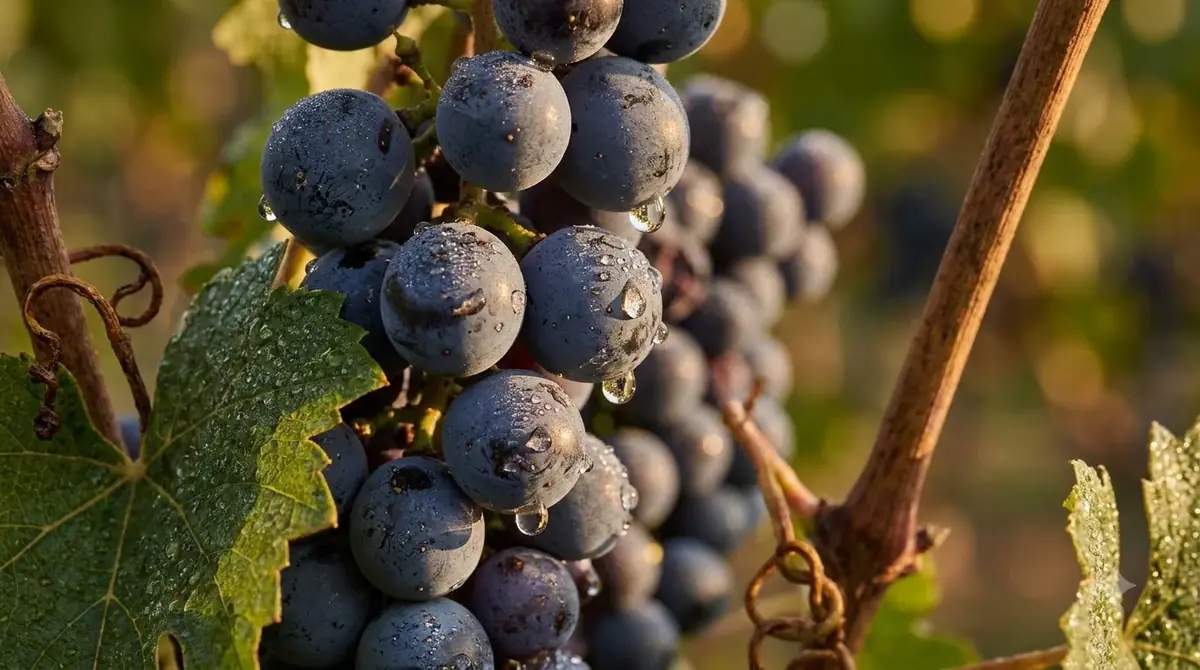
The blend rules are the heart of the category. They decide whether a bottle can carry the name, and they are what separates Meritage from a generic red or white blend.
| Type | Approved varieties | Blend rule |
|---|---|---|
| Red Meritage | Cabernet Sauvignon, Merlot, Cabernet Franc, Malbec, Petit Verdot, St. Macaire, Gros Verdot, Carmenère | At least two varieties from the list |
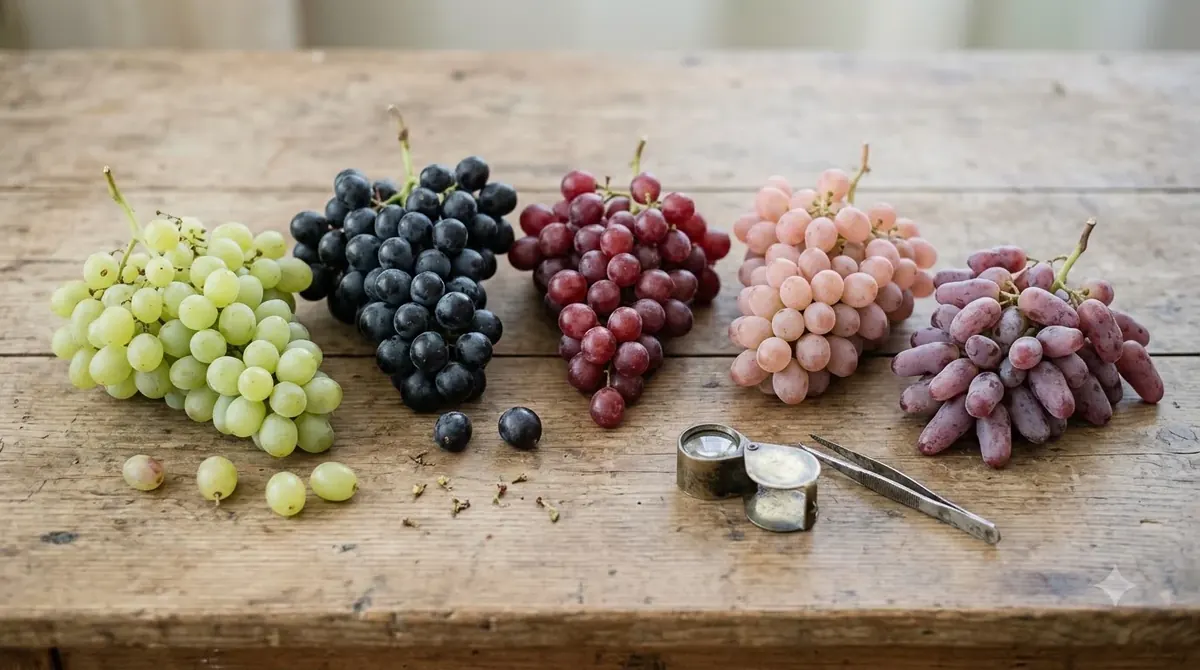
| White Meritage | Sauvignon blanc, Sémillon, Muscadelle du Bordelais | At least two varieties from the list |
The second rule is the one most often misunderstood. Wikipedia describes a limit that no single variety may make up more than 90 percent of the blend. That leaves room for a Cabernet-dominant wine with a little Merlot or Petit Verdot, or a mostly Merlot wine with a Cabernet Franc backbone, while still requiring a true blend.
Because the list is long, two bottles with the same name can taste quite different. A wine built on Cabernet Sauvignon will feel firmer and darker than one led by Merlot, which tends to be softer and rounder. Reading the back label for the grape percentages tells you which direction the wine leans.
Tip: Meritage is a style, not a guarantee of quality. The grapes, the producer and the vintage matter as much as the name on the front of the bottle.
What a typical Meritage tastes like
Red Meritage usually shows the fruit and structure of the Bordeaux family, with dark fruit, firm tannins and oak notes depending on how the wine was aged. The Merlot share softens the structure, and Cabernet Franc or Petit Verdot can add color and spice.
Age changes the picture. Younger reds often show brighter fruit and more obvious tannin, while bottles given several years in the cellar tend to develop earthy, savory and tobacco notes. Those changes are a reason to check the vintage before opening a structured Meritage for a special dinner.
White Meritage is less common. It follows the same logic as Bordeaux white blends, combining Sauvignon blanc with Sémillon to balance crisp acidity with a rounder texture. These wines are often lighter and fresher than their red counterparts.
For a reference point on the red side, Wine Folly’s Merlot guide describes the variety’s typical profile of cherry, plum and bay leaf, with medium-high tannins that are softer than Cabernet Sauvignon. A Merlot-led Meritage will often share those traits, with the blend adding depth.
Meritage compared with Bordeaux
Bordeaux is a place in France, and its wines are governed by French appellation rules. Meritage is a name used in the United States for a similar style of blend, so the two terms describe the same idea from different sides of the Atlantic. A Bordeaux label names a château or appellation, while a Meritage label names a blend and a producer.
The practical difference is what you can expect from the label. A Bordeaux wine tells you about place, and a Meritage wine tells you about blend. Neither guarantees a specific flavor, but Meritage gives you a clear list of permitted grapes to check against your own taste.
How to serve Meritage wine
Serving temperature matters for red Meritage. Wine Folly suggests serving Merlot at 60 to 68 degrees Fahrenheit, slightly below room temperature, and that range is a sensible starting point for most Bordeaux-style reds. Giving the wine about half an hour to open up in a large glass helps the aromas and softens firm tannins.
White Meritage should be served chilled but not ice cold, so the aromas can show. Decanting is usually unnecessary for lighter whites, while a fuller red with plenty of structure benefits from a short rest before pouring.
Storing an open bottle
Once opened, red Meritage keeps best with the cork back in and the bottle stored upright in a cool place. A day or two is usually enough before the fruit begins to fade, so pour a smaller amount if the bottle will sit for longer.
Food pairings for Meritage
Red Meritage works best with dishes that match its structure. Wine Folly suggests roast turkey, beef short rib and rustic ratatouille for Merlot-dominant Bordeaux-style blends, and grilled or roasted beef pairs well with chimichurri. The wine’s tannins stand up to protein, while its fruit complements the savory side of the plate.
Fuller, warm-climate reds from Napa Valley are often paired with richer dishes such as lamb or a peppercorn-sauced steak. A lighter Meritage with more Merlot can be a good match for roast poultry, which keeps the meal balanced without overwhelming the wine.
How to choose a Meritage bottle
Price is not a reliable guide to style, so use the grape list, the vintage and the producer’s description instead. Those three details give you a clearer picture of the wine than the name alone.
Start with the grape list on the back label. A Cabernet-led Meritage is usually firmer and better for a rich steak, while a Merlot-led blend is softer and easier for a midweek dinner. Check the vintage too, since a few years in the bottle can help a structured red settle.
If you are comparing producers, the Wine Brands section explains how labels are positioned across a lineup. For a wider look at Bordeaux-style blends, the Pedernales wine and Spottswoode wine guides show how different California estates approach the same idea.
Frequently Asked Questions
What does Meritage mean?
Meritage is a name for a red or white Bordeaux-style blend made outside France. It combines “merit” and “heritage” and is licensed through the Meritage Alliance.
Is Meritage a grape?
No. Meritage is a blend style with rules about which grapes can be used. A wine labeled Meritage must blend at least two approved varieties.
Is Meritage always red?
No. The name applies to both red and white blends. Red Meritage is more common, but white Meritage uses Sauvignon blanc, Sémillon or Muscadelle du Bordelais in its blend.
What temperature should Meritage be served at?
Red Meritage is usually served between 60 and 68 degrees Fahrenheit, a little below room temperature. White Meritage is best chilled but not ice cold.
Meritage is a useful word to know when you shop for a Bordeaux-style blend. Read the grape list, consider the style you want, and serve the wine at the right temperature to get the most from it.
More in Wine Brands
 Underwood Wine Price: Compare Bottles, Cans, and Pack SizesUpdated Nov 21, 2026
 Zenato Wine Price: Compare Styles and Choose the Right BottleUpdated Nov 21, 2026
 Zuccardi Wine Price: Compare Bottles and Find the Right RangeUpdated Nov 21, 2026
 Yellow Tail Moscato Review: Taste, Sweetness and Serving TipsUpdated Nov 21, 2026
 Wolf Blass Yellow Label Review: Choose Your Best StyleUpdated Nov 21, 2026
 Wolffer Estate Rose Review: Choose the Right Bottle for Your TableUpdated Nov 21, 2026