

We may earn a commission when you buy through links on this page, at no extra cost to you. Learn more.
Meritage wine is a red or white blend made in the style of Bordeaux, using a mix of classic Bordeaux grape varieties rather than a single grape. The name is a trademark used in the United States, and it lets winemakers label a blend without using the protected name Bordeaux. Most Meritage reds combine Cabernet Sauvignon with Merlot, Cabernet Franc or another Bordeaux variety, and the result is usually full-bodied, structured and built for food.
This guide explains where the name came from, which grapes go into a Meritage blend, how the wine tastes, how to serve it and what to eat with it. If you have seen Meritage on a shelf and wondered how it differs from a Bordeaux or a Napa Cabernet, the sections below give a clear answer.
Where the Name Comes From
Meritage was created by American vintners who wanted a name for Bordeaux-style blends. U.S. labeling rules require a single grape to make up at least 75 percent of a wine before it can be sold as a varietal, so a blend of several grapes had no simple name. According to the Meritage Alliance, the group formed in 1988 with vintners from Sonoma County and Napa Valley, and a naming contest that year drew thousands of entries.
The winning name blends the words “merit” and “heritage.” It was chosen to suggest quality and tradition without using the protected name of the Bordeaux region. The first wine labeled Meritage was released in the mid-1980s, and the group has since grown to include wineries in many countries, although most members remain in the United States.
Which Grapes Go Into Meritage
A red Meritage must be a blend of at least two of the Bordeaux varieties recognized by the Alliance. These include Cabernet Sauvignon, Merlot, Cabernet Franc, Malbec, Petit Verdot and a few less common varieties. No single grape can make up more than 90 percent of the blend. White Meritage follows the same logic with Sauvignon blanc, Sémillon and Muscadelle.
The rules are flexible on purpose. Unlike the strict production requirements of French appellations, Meritage sets no mandatory winemaking method or vineyard practice. Winemakers choose the proportions that suit their fruit, and that creative freedom is part of the appeal for many producers.
Merlot deserves a closer look because it carries so much of the Bordeaux style. According to the Wine Folly Merlot guide, Merlot is blended with Cabernet Sauvignon on the Left Bank of Bordeaux and with Cabernet Franc on the Right Bank, and it makes up a large share of the region’s plantings. That history explains why Merlot appears in so many Meritage blends.
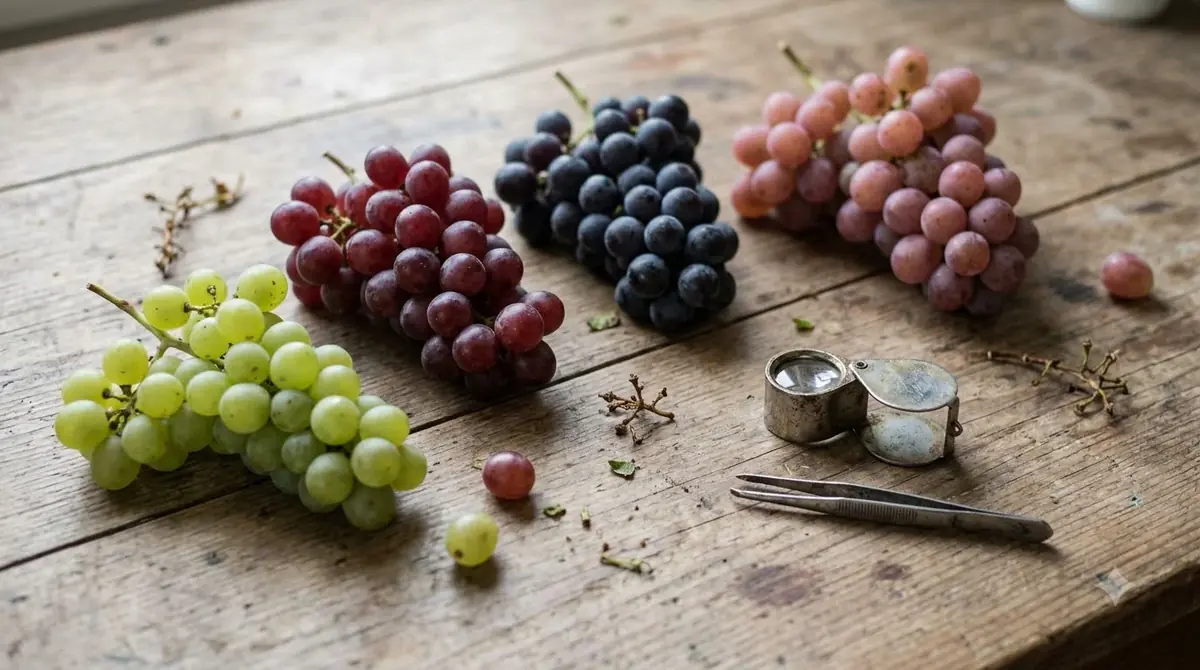
| Grape | Role in a Meritage blend | What it adds |
|---|---|---|
| Cabernet Sauvignon | Backbone and structure | Firm tannin and dark fruit |
| Merlot | Body and softness | Plum, cherry and a rounder texture |
| Cabernet Franc | Aromatics and lift | Herbal and floral notes with brighter acidity |
| Petit Verdot | Color and spice | Deep color and a peppery edge in small amounts |
| Malbec | Depth and color | Dark fruit and a plush mouthfeel |
The same grape can taste different depending on where it grows. The Wine Folly Merlot guide notes that cooler climates tend to show fresh plum and cherry, while warmer areas bring baked blackberry and fruitcake notes. Meritage made in California or Washington can therefore differ noticeably from a blend made in Bordeaux, even when the grape list is similar.
How Meritage Tastes
Most red Meritage wines are medium-full to full-bodied, with firm tannin and a structure that carries well into a long finish. The flavors often include dark fruit such as blackberry and plum, along with cedar, spice and oak from barrel aging. Blends that include Cabernet Franc can show herbal lift, while Merlot adds softness and a fuller mid-palate.
Because the proportions change from one winery to the next, no two Meritage bottles taste exactly alike. Some are bold and dense, while others feel more polished and balanced. The label is a good starting point, but tasting notes from a trusted reviewer can help you find a style you like.
Serving Meritage at the Table
Red Meritage is best served at a cool room temperature, roughly in the mid-60s Fahrenheit, rather than warm. A short time in a cooler room before pouring can help. Decanting is useful for young, tannic bottles, since it softens the structure and lets the aromas open up over an hour or so.
Use a large red wine glass so the aromas can gather. Pour a modest amount, swirl gently and let the wine breathe between sips. Meritage is built for slow meals, so it rewards patience at the table as much as it rewards careful serving.
Tip: If a bottle tastes too tight or astringent when first opened, give it twenty to thirty minutes in the glass or decant it before dinner.
Think about the weight of the meal first. A bold, tannic Meritage needs a substantial dish, while a softer blend with more Merlot can share the table with roasted poultry or a mushroom risotto. When in doubt, match the intensity of the wine with the intensity of the sauce.
What to Eat With Meritage
Red Meritage pairs well with grilled and roasted meats. Beef short ribs, roast lamb, grilled steak and braised dishes all suit its structure. The wine’s tannin needs fat or protein to feel balanced, so match it with richer cuts rather than delicate fish.
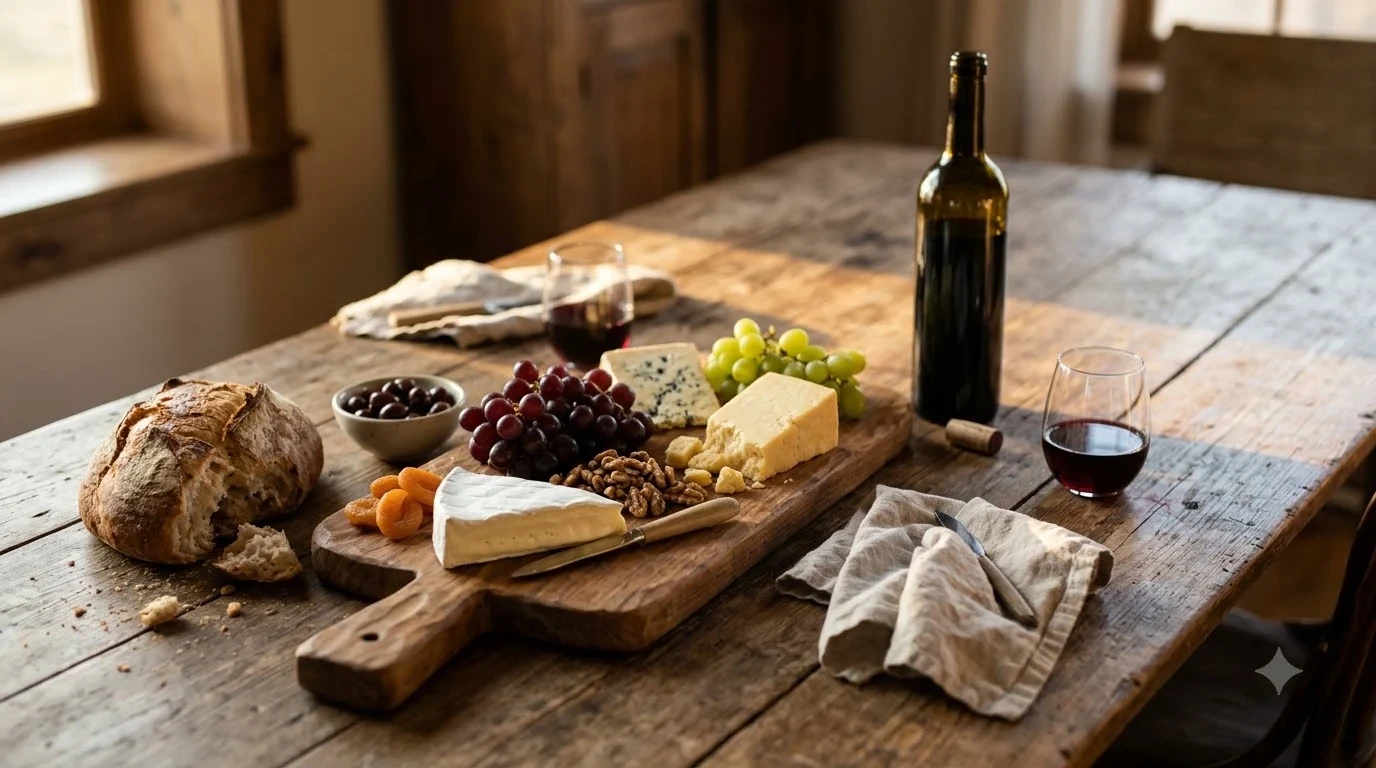
Hard cheeses, mushroom dishes and rich tomato sauces also work well. For a lighter meal, a Merlot-heavy Meritage can handle roast chicken or a hearty pasta. Choose the bottle according to how big the dish is, and the pairing usually takes care of itself.
Meritage Compared With Other Red Blends
Meritage is related to but different from a generic red blend. A Bordeaux-style Meritage follows a specific grape list and is usually made with careful blending, while a generic red blend may use any grapes and any proportions. Meritage also sits apart from a single-varietal Cabernet, which must be at least 75 percent of one grape under U.S. rules.
If you enjoy Cabernet Sauvignon but want something rounder, a Meritage is a natural next step. For a lighter take on the Bordeaux family, a Cabernet Franc-led bottle is worth a look. The cabernet franc wine guide covers that style in more detail.
The Meritage Alliance also explains the history of the term on its public materials and in background references such as the Wikipedia entry on Meritage, which describes the grape rules and the trademark license that member wineries use.
Buying a Meritage is easier when you read the back label. Look for the grapes listed by name, the producer’s description of the blend and any note on oak aging. A clear grape list tells you what to expect, and a winery that describes its proportions in detail often gives a clearer picture of the style.
Frequently Asked Questions
What does Meritage mean?
Meritage is a name for Bordeaux-style blends made in the United States. It combines the words “merit” and “heritage.”
Is Meritage a grape?
No. Meritage is a style of blend made from several Bordeaux grape varieties, not a single grape.
How is Meritage pronounced?
The Meritage Alliance says the word rhymes with “heritage,” not with the French-style pronunciation used in “garage.”
Is Meritage a good wine for beginners?
It can be, especially if you enjoy Cabernet or Merlot. Its full body and structure reward food, so pair it with a meal rather than drinking it alone.
Meritage is a flexible, food-friendly way to enjoy Bordeaux-style grapes without the Bordeaux label. Look for a red blend with a clear grape list, serve it at a cool room temperature, and match it with grilled meats or hearty dishes. For more styles and grapes, browse the guide to wine by type.
More in Wine Types & Grapes
 Zinfandel Sugar Content: Dry Red vs. White Zinfandel GramsUpdated Nov 21, 2026
 Best Zinfandel Substitute Options for Sipping and CookingUpdated Nov 21, 2026
 Zweigelt Food Pairing: Best Dishes, Cheeses, and Serving TipsUpdated Nov 21, 2026
 Zinfandel Tannins Explained: How Structure Shapes Every BottleUpdated Nov 21, 2026
 Zinfandel Sweetness Level: Dry Red vs. Sweet White Zin ExplainedUpdated Nov 21, 2026
 Xinomavro Food Pairing: Best Dishes, Styles, and Serving TipsUpdated Nov 21, 2026