

We may earn a commission when you buy through links on this page, at no extra cost to you. Learn more.
If you are wondering what is keto wine, it refers to any dry wine containing minimal residual sugar and low carbohydrates—typically under 3 to 4 grams of net carbs per 5-ounce glass—along with moderate alcohol levels. Rather than being a special laboratory invention, keto wine is simply traditional wine that has been fermented completely dry so that yeast consumes almost all of the natural grape sugars. Most bone-dry red, white, rosé, and sparkling wines naturally fit into a low-carbohydrate lifestyle when enjoyed in modest portions.
The rise of low-carbohydrate eating has sparked a wave of specialized wine clubs and flashy bottle labels claiming to offer exclusive sugar-free pours. In reality, winemakers have been crafting dry, low-sugar wines for centuries without using modern diet terminology. Understanding how fermentation, grape ripeness, and regional traditions shape sugar levels makes it easy to spot a keto-friendly bottle on any restaurant list or retail shelf.
How Wine Fermentation Shapes Carbohydrate Counts
All wine begins as sweet grape juice, and the final carbohydrate count depends entirely on how much sugar remains once fermentation ends. During winemaking, yeast converts natural grape sugars (glucose and fructose) into ethanol and carbon dioxide, leaving behind virtually zero sugar when the process runs to completion.
Winemakers measure any leftover unfermented sugar in grams per liter, a metric known in the cellar as residual sugar, or RS. According to Wine Folly, a standard 150-milliliter (roughly 5-ounce) pour of wine with 10 grams per liter of residual sugar translates to about 1.5 grams of carbohydrates. When a winemaker allows yeast to finish converting all available sugars, the resulting bottle often contains less than 1 to 2 grams per liter of residual sugar, yielding close to zero grams of sugar per glass.
Trouble arises when a winemaker halts fermentation early—often by chilling the tank or adding sulfur—to preserve sweetness and soften sharp acidity. Some mass-market producers also add grape concentrate back into finished wine before bottling to create a plush, crowd-pleasing mouthfeel. While these styles can taste smooth and fruit-forward, that unfermented sugar translates directly into carbohydrates that add up quickly over a single evening.
Alcohol by volume (ABV) also offers a helpful clue about how a wine was made and how it fits into a low-carb routine. Grapes harvested late in warm climates accumulate higher sugar levels, which either ferment into high alcohol (14.5 percent ABV or higher) or remain partially unfermented in the bottle. Bottles sitting between 11 percent and 13.5 percent ABV generally indicate earlier harvests, cooler growing conditions, and a balanced, dry finish.
Marketing Labels Versus Traditional Dry Wines
Modern “keto-certified” or “zero-sugar” wine brands rarely use secret winemaking technology; instead, they market standard dry winemaking practices to diet-conscious shoppers. Many traditional European and American wines already meet strict low-carb criteria without advertising it on the front label.
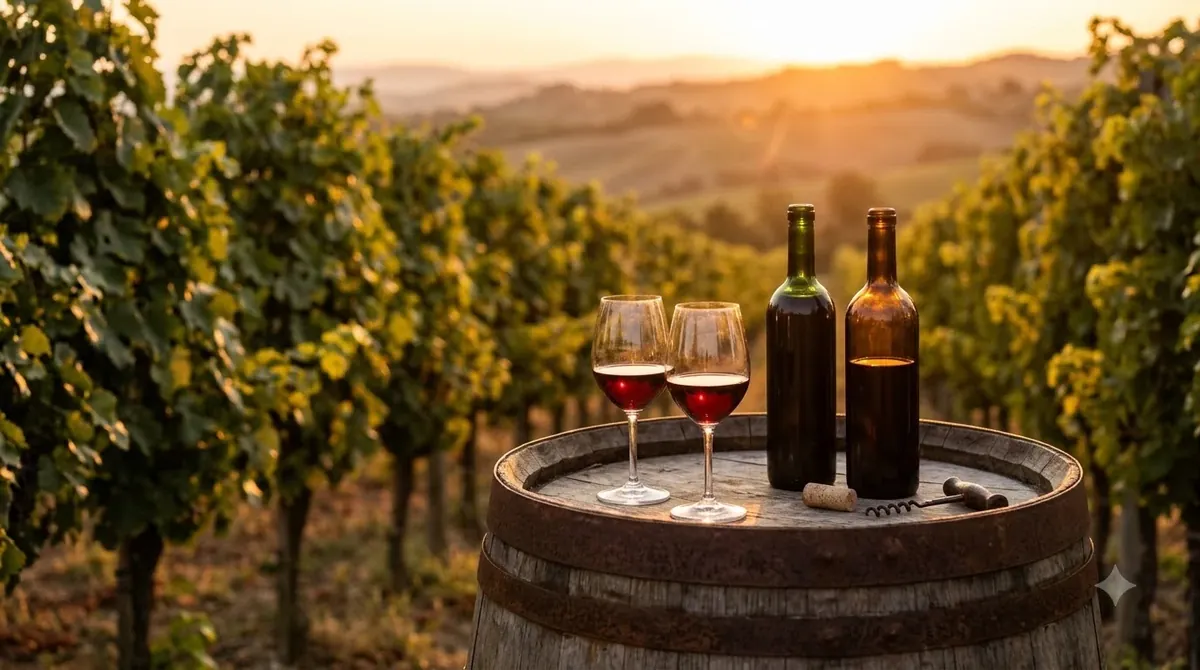
Because wine bottles in the United States are not required to display standard nutrition facts panels, shoppers often assume every glass is loaded with hidden sugars. Wine writers at Wine Enthusiast point out that nearly every dry table wine on the market is already naturally low in residual sugar. Specialty diet labels mostly aggregate existing dry wines or commission independent lab testing to verify residual sugar figures that traditional wineries simply keep on technical sheets.
That said, inexpensive supermarket bottles—often referred to as value wines—frequently carry higher residual sugar than their dry-sounding grape names suggest. Large commercial wineries routinely leave between 5 and 30 grams per liter of residual sugar in entry-level Cabernet Sauvignon, Chardonnay, or Pinot Noir to mask harsh tannins or unripe flavors. Choosing wines from smaller, quality-focused producers or classic appellations is usually a far more reliable strategy than paying extra for a diet-branded bottle.
Carbohydrate and Sugar Comparison by Wine Style
Different wine categories vary dramatically in their residual sugar levels depending on regional rules and winemaking traditions. Exploring Wine by Type shows that dry table wines and brut sparkling wines consistently sit at the lowest end of the carbohydrate spectrum.
| Wine Style | Typical Residual Sugar (g/L) | Estimated Carbs per 5 oz Glass | Keto Suitability |
|---|---|---|---|
| Brut Nature / Extra Brut Sparkling | 0 to 6 g/L | 0 to 1 g | Ideal |
| Dry White (Sauvignon Blanc, Pinot Grigio) | 1 to 4 g/L | 0.5 to 2.5 g | Ideal |
| Dry Red (Pinot Noir, Cabernet Sauvignon) | 1 to 4 g/L | 1 to 3.5 g | Ideal |
| Dry Rosé (Provence Style) | 1 to 4 g/L | 0.5 to 3 g | Ideal |
| Off-Dry White (Riesling, Chenin Blanc) | 10 to 30 g/L | 4 to 10 g | Limit |
| Sweet / Dessert Wine (Moscato, Port) | Over 30 g/L | 8 to 20+ g | Avoid |
Sparkling wines deserve special attention because their sweetness classifications follow strict legal definitions that can easily trip up shoppers. In the sparkling wine world, “Brut” indicates a dry wine with fewer than 12 grams per liter of residual sugar, while “Extra Brut” and “Brut Nature” contain even less. Paradoxically, bottles labeled “Extra Dry” are noticeably sweeter than Brut, making them a poor match for strict low-carb tracking.
When reviewing sparkling options, checking is cava keto friendly reveals why Spanish sparkling wines labeled Brut Nature are favorites among low-carb drinkers. Because traditional-method Cava ages on its lees for months or years, it develops rich brioche and toasted almond complexity without needing a sweet sugar dosage before corking.
Best White, Red, and Sparkling Styles for Keto
Sticking to grape varieties and wine regions known for crisp acidity and bone-dry fermentation takes the guesswork out of ordering or shopping. Most classic dry styles across white, red, and rosé categories easily fit within a daily carbohydrate budget.

Among white wines, Sauvignon Blanc, Albariño, Muscadet, and dry Pinot Grigio consistently ferment to near-complete dryness. If you enjoy crisp Italian whites, learning is pinot grigio keto friendly highlights how northern Italian versions from Alto Adige or Friuli deliver bright citrus and mineral notes with negligible sugar. On the fuller-bodied side, exploring is chardonnay keto friendly shows that unoaked Chablis or cool-climate Chardonnay provides rich texture without the sweet vanilla oak or residual sugar found in budget bottles.
Red wine drinkers have plenty of dry choices, particularly from Old World regions where food-friendly acidity takes priority over jammy fruit. Pinot Noir, Cabernet Franc, Sangiovese (such as Chianti Classico), Tempranillo (Rioja), and Bordeaux blends are typically fermented dry with structured tannins. Even full-bodied Cabernet Sauvignon and Merlot from reputable producers generally stay under 3.5 grams of carbohydrates per glass, provided they avoid heavy residual sugar additions.
Dry rosé from regions like Provence in southern France offers a refreshing middle ground between white and red wines. Pale salmon-colored rosés made from Grenache, Cinsault, and Syrah are vinified just like crisp white wines, yielding delicate berry and herb aromas with almost zero lingering sugar.
How to Spot a Keto-Friendly Bottle in the Store
Since nutrition labels are rare on standard wine bottles, reading regional cues, alcohol percentages, and winemaking terms helps you verify dryness before buying. A few quick checks on the front and back labels reveal how much sugar likely remains inside.
Start by checking the alcohol by volume printed near the bottom of the front label. Dry wines with an ABV between 11 percent and 13.5 percent usually come from cooler climates or earlier harvests where grapes did not accumulate excessive sugar. By contrast, big, warm-climate reds pushing 15 percent ABV or higher carry more calories from ethanol and occasionally retain a touch of residual sugar to balance the alcohol heat.
Look for regional appellations with strict dryness laws rather than generic multi-regional blends. French appellations like Sancerre, Chablis, Muscadet, and Cru Bourgeois Bordeaux, alongside Spanish Rioja and Italian Chianti, strictly regulate winemaking and rarely allow noticeable sweetness. For German or Austrian Riesling, always look for the word “Trocken” on the label, which legally guarantees the wine is dry.
Many wineries also publish downloadable technical sheets—often called “tech sheets”—on their official websites. Searching the wine’s vintage name alongside “tech sheet” or “residual sugar” will often pull up the exact lab-tested grams per liter figure, allowing you to calculate the precise carb count before opening the bottle.
Tip: To calculate the exact sugar carbs in any 5-ounce (150 mL) pour, multiply the wine’s residual sugar in grams per liter (g/L) by 0.15. For example, a dry wine with 2 g/L of residual sugar contains just 0.3 grams of sugar carbohydrates per glass.
What to Avoid When Shopping Low-Carb
Knowing which styles and label terms signal high sugar is just as useful as knowing which dry bottles to buy. Several popular wine categories pack enough carbohydrates in a single pour to disrupt a low-carb daily target.
Dessert and fortified wines sit at the top of the list to skip. Port, Sherry (except bone-dry Fino or Manzanilla), Madeira, Sauternes, Ice Wine, and sweet Moscato are either fortified with brandy mid-fermentation or made from late-harvest grapes bursting with concentrated sugar. A small 3- to 5-ounce pour of these styles can contain anywhere from 8 to over 20 grams of sugar.
Off-dry white wines and sweet red blends also hide substantial carbohydrates behind refreshing acidity or rich oak. Bottles labeled “Semi-Dry,” “Medium,” “Demi-Sec,” “Doux,” “Spätlese,” or “Auslese” retain significant unfermented grape sugar. Similarly, sweet blush wines like White Zinfandel and commercially sweetened red blends rely on residual sugar for their signature plush texture.
Finally, keep portion sizes and alcohol metabolism in mind when pouring a glass. Even though pure ethanol contains zero carbohydrates, the liver prioritizes metabolizing alcohol before burning dietary or stored fat. Sticking to a standard 5-ounce pour and pacing yourself with plenty of water keeps both your carbohydrate intake and overall balance in check.
Frequently Asked Questions
Are all dry wines considered keto wine?
Nearly all genuinely dry wines qualify as keto-friendly because fermentation converts almost all natural grape sugars into alcohol. Most bone-dry red, white, rosé, and brut sparkling wines contain between 0 and 3.5 grams of carbohydrates per 5-ounce glass, fitting comfortably into low-carb meal plans.
Does alcohol itself have carbohydrates?
Pure ethanol contains zero carbohydrates, which is why dry wines and distilled spirits have minimal carb counts. However, alcohol still provides 7 calories per gram, and your body temporarily pauses fat metabolism while clearing ethanol from your bloodstream.
Why do some cheap dry wines have more carbs than expensive bottles?
Large commercial producers frequently leave 5 to 30 grams per liter of residual sugar in entry-level wines—or add grape concentrate before bottling—to soften harsh tannins and create a smoother taste. Small-production and traditional European wines typically ferment completely dry without sweetening additives.
Is red wine or white wine better for a keto diet?
Both red and white wines work equally well as long as they are fermented dry. Crisp dry whites like Sauvignon Blanc and Brut Nature sparkling wines often have slightly lower alcohol and fewer calories than full-bodied reds, though dry Pinot Noir and Cabernet Sauvignon remain very low in carbohydrates.
Understanding what is keto wine comes down to looking past marketing buzzwords and focusing on how the wine was fermented. By choosing bone-dry styles, checking alcohol levels, and favoring classic regions known for crisp acidity, you can enjoy authentic, flavorful bottles without hidden sugars. Whether you prefer a mineral-driven white, a celebratory Brut Nature sparkling wine, or a structured Old World red, plenty of traditional wines fit naturally at your table.
More in Wine Types & Grapes
 What Is Negroamaro? Your Guide to Puglia’s Bold Red WineUpdated Nov 21, 2026
 What Is Lagrein? Alto Adige’s Bold Alpine Red Grape ExplainedUpdated Nov 21, 2026
 What Is Nerello Mascalese? Sicily’s Volcanic Red Grape ExplainedUpdated Nov 21, 2026
 What Is Moschofilero? A Guide to Greece’s Aromatic White WineUpdated Nov 21, 2026
 What Is Macabeo? The Spanish Grape Behind Cava and White RiojaUpdated Nov 21, 2026
 What Is Jaen? A Guide to Portugal’s Aromatic Red Wine GrapeUpdated Nov 21, 2026