

We may earn a commission when you buy through links on this page, at no extra cost to you. Learn more.
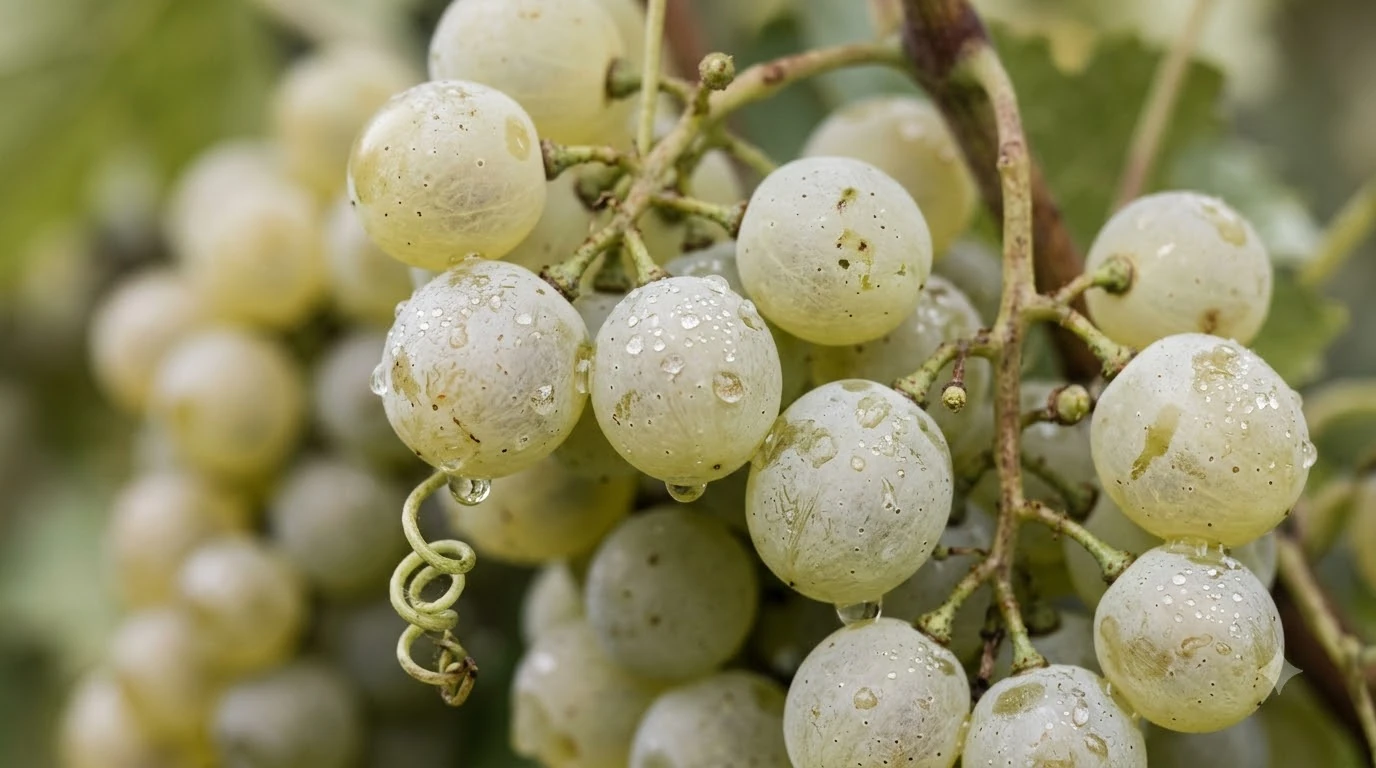
If you are wondering what is macabeo, it is a versatile white wine grape native to northern Spain that serves as the primary base for sparkling Cava and the star white variety of Rioja, where it is known as Viura. Depending on how winemakers handle it, the grape produces everything from crisp, citrus-driven everyday wines to rich, oak-aged whites capable of cellaring for a decade or more.
Across the Mediterranean, this single grape goes by a few different regional names, which often confuses shoppers browsing the wine aisle. In Catalonia and much of eastern Spain, labels list it as Macabeo or Macabeu, while winemakers in Rioja call it Viura and French growers in Roussillon use the spelling Maccabeu. Understanding how those names connect makes it much easier to explore a wide range of Spanish and southern French white and sparkling wines.
What it is
Macabeo is an ancient white Vitis vinifera grape variety that thrives in warm, dry Mediterranean climates and forms the backbone of several classic Iberian wine styles. Because its natural flavor profile is restrained rather than overly perfumed, winemakers rely on it both as a steady blending partner and as a clean canvas for cellar techniques like oak aging or extended lees contact.
In the vineyard, Macabeo buds relatively late in the spring, which protects the emerging shoots from late seasonal frosts in inland regions like Rioja. According to Wine Enthusiast, growers planted Macabeo extensively in Rioja during the late nineteenth and early twentieth centuries to replace Garnacha Blanca and Malvasia vineyards devastated by the phylloxera louse. Today, many of those original vines are old and low-yielding, producing concentrated fruit with far greater depth than younger, high-volume plantings.
Because the grape crosses regional and national borders, seeing different spellings on a front label is completely normal. If you want to sound confident ordering a glass at a tapas bar, check out our guide on how to pronounce macabeo before your next dinner out. Whether a bottle says Macabeo, Macabeu, Maccabeu, or Viura, you are looking at the exact same genetic grape variety.
Flavor and styles
Macabeo expresses two distinct personalities in the glass: unoaked bottles burst with zesty citrus, green apple, and white blossom aromas, while oak-aged versions develop creamy textures, toasted hazelnut, and dried fruit complexity. Winemakers shape these expressions through harvest timing, fermentation vessels, and aging decisions.
Young, stainless-steel-fermented Macabeo wines are bright, refreshing, and linear. Reviewers at Wine Folly note primary tasting notes of honeydew melon, lime peel, lemon verbena, and fresh tarragon in unoaked examples. When used in traditional-method sparkling Cava, Macabeo brings moderate acidity alongside delicate floral aromatics like chamomile, honeysuckle, and ripe orchard fruit, softening the sharper green-apple bite of blending partners Xarel-lo and Parellada.
Aged White Rioja showcases the opposite end of the spectrum. When winemakers ferment and mature Viura in American or French oak barrels—sometimes for years before release—the wine undergoes gradual oxidation that transforms light citrus notes into roasted almond, beeswax, dried apricot, and savory spice. If you are curious about residual sugar levels across these styles, our breakdown on is macabeo sweet or dry explains how nearly all still and sparkling bottlings ferment completely dry.
| Wine Style | Regional Name | Aging Method | Key Tasting Notes |
|---|---|---|---|
| Traditional Cava (Brut / Brut Nature) | Macabeo / Macabeu | 9 to 36+ months on lees in bottle | Lemon peel, green apple, honeysuckle, brioche |
| Young Still White | Macabeo / Viura | Stainless steel tank, no oak | Honeydew, lime zest, white flowers, fresh herbs |
| Barrel-Aged White Rioja (Reserva / Gran Reserva) | Viura | Extended aging in American or French oak | Toasted hazelnut, beeswax, baked apple, dried apricot |
| Southern French Still or Fortified | Maccabeu | Stainless steel, neutral oak, or oxidative aging | Ripe pear, yellow plum, fennel, warm Mediterranean herbs |
Where it grows
Macabeo is planted primarily across northern and eastern Spain—most famously in Catalonia and Rioja—as well as across the border in southern France’s Roussillon and Languedoc regions. Each region’s soils and climate push the grape toward a different style.
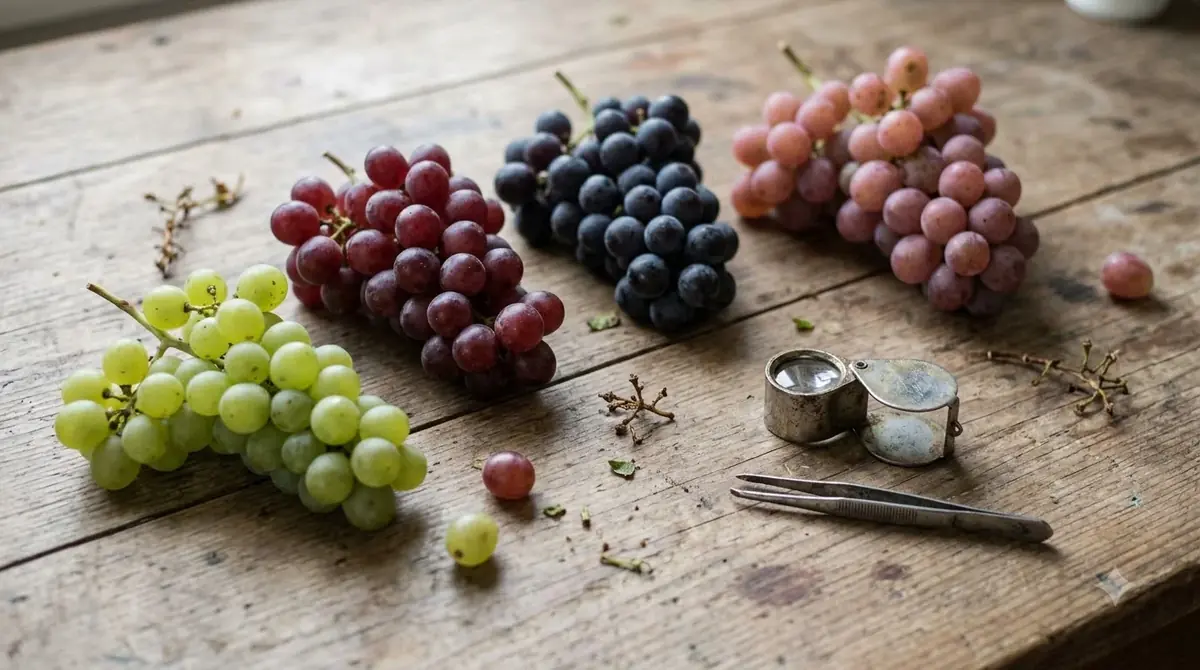
In Catalonia, particularly within the Penedès and Conca de Barberà areas south of Barcelona, Macabeo is the most widely planted white grape for Cava. Here, it commonly accounts for up to 50 percent of a classic Cava blend, contributing elegance, aromatics, and roundness to balance the structure of Xarel-lo and the high acidity of Parellada. A growing number of Catalan estates also bottle single-varietal Macabeo Cavas and still white wines to highlight limestone and clay vineyard sites.
Further west in Rioja, the grape takes the name Viura and dominates white wine production. High-elevation vineyards in Rioja Alta and Rioja Alavesa experience cool nights that preserve natural acidity even as grapes reach full ripeness. Outside of Rioja and Catalonia, significant plantings appear in Aragón, Valencia, Navarra, and Roussillon in France, where winemakers use Maccabeu for crisp dry whites, blends with Grenache Blanc, and traditional fortified sweet wines.
How to serve
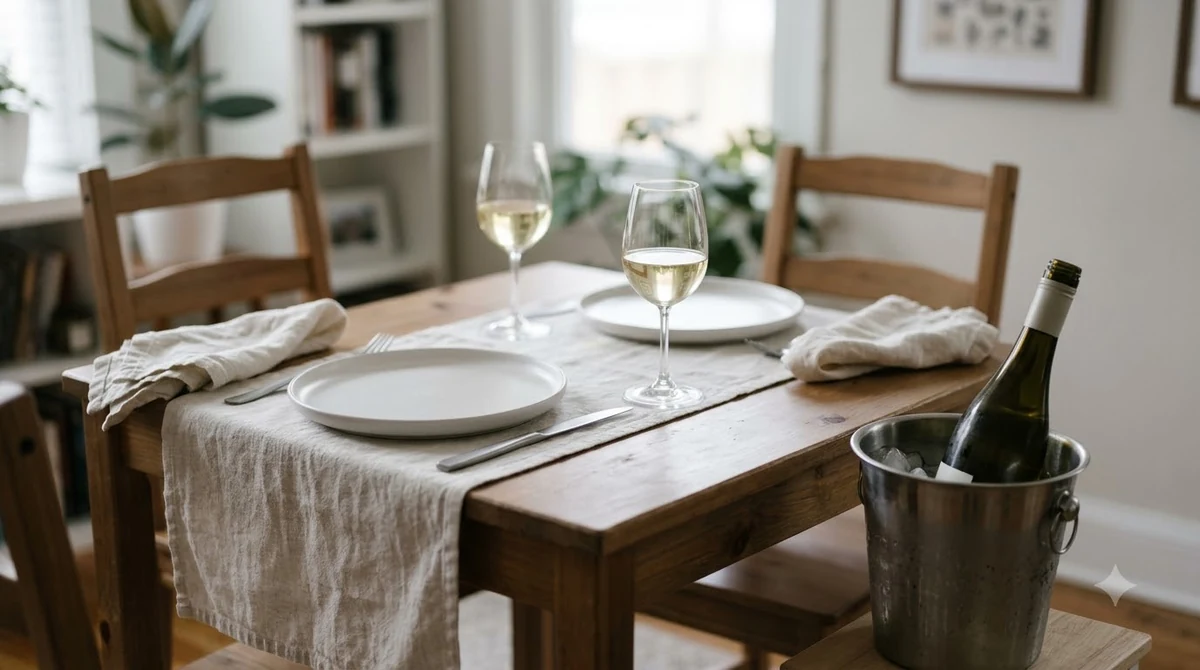
Serve young, unoaked Macabeo and sparkling Cava well chilled between 45°F and 50°F (7°C to 10°C) to highlight their crisp citrus and floral notes, while barrel-aged Viura shines slightly warmer at 50°F to 55°F (10°C to 12°C). Serving an oak-aged white straight from a cold refrigerator mutes its nutty, savory complexity.
Glassware choice also makes a noticeable difference depending on the style in your bottle. For sparkling Macabeo-based Cava, skip narrow flutes that trap aromatics and instead use a tulip-shaped sparkling glass or a standard white wine glass so the chamomile, brioche, and orchard fruit aromas can open up. Young still Macabeo performs best in a standard universal white wine glass with a medium-sized bowl.
Young, stainless-steel bottlings do not require decanting—simply uncork, pour, and enjoy fresh. However, if you open a mature Reserva or Gran Reserva White Rioja with several years of bottle age, pouring it into a decanter for 20 to 30 minutes helps blow off any tightly wound reductive notes and reveals layers of toasted hazelnut and dried stone fruit.
Tip: If you chill an oak-aged Viura in the refrigerator before dinner, pull the bottle out 20 minutes before serving so it warms into the ideal 50°F to 55°F window.
Food pairing
Macabeo is one of the most adaptable food wines at the dinner table because its moderate acidity and subtle herbal-citrus profile complement rich, salty, and delicately spiced dishes without overpowering them. Matching the weight of the wine to the richness of the plate is the easiest way to build a great pairing.
Crisp, unoaked Macabeo and Brut Cava are natural partners for Spanish tapas, fried seafood, ceviche, and fresh goat cheese. The bright lime-peel and green-apple notes cut cleanly through fried calamari, patatas bravas, and salted Marcona almonds. Wine Folly also points out that young, aromatic Viura pairs remarkably well with Southeast Asian dishes—such as coconut curries and Vietnamese vermicelli noodle bowls—where its herbal tarragon and citrus tones echo lemongrass, lime, and cilantro.
Barrel-aged White Rioja calls for heartier, savory fare. Its creamy texture and roasted-nut undertones stand up to roast chicken with rosemary, grilled pork tenderloin, mushroom risotto, and aged Manchego cheese. For specific recipes and menu ideas, explore our dedicated macabeo food pairing guide.
How to choose a bottle
The fastest way to find a Macabeo bottle you will enjoy is to decide first whether you want bubbles, crisp refreshment, or rich oak complexity, then check the regional labeling terms. Label clues tell you almost everything about how the wine was aged before it hit the shelf.
If you are shopping for sparkling Cava, check the aging tier printed on the label. Standard Cava spends a minimum of 9 months aging on its lees, delivering bright, fruit-forward freshness. Stepping up to Cava Reserva (at least 18 months on the lees) or Cava Gran Reserva (at least 30 months on the lees) yields finer bubbles, deeper brioche character, and greater complexity. Look for bottles labeled Brut Nature or Brut if you prefer a crisp, dry finish.
For still white wines, look at the Rioja aging classifications on bottles labeled Viura. Wines labeled Joven or Cosecha are typically unaged and highlight zesty citrus and melon. Bottles marked Crianza, Reserva, or Gran Reserva have spent progressively longer periods in oak barrels and bottle, offering the waxy, nutty profile that makes aged White Rioja famous among collectors. If you are comparing Macabeo against other crisp European whites, browse our Wine by Type overview to see how it stacks up against Pinot Grigio, Albariño, and Chardonnay.
Frequently Asked Questions
Is Macabeo the same grape as Viura?
Yes, Macabeo and Viura are two regional names for the exact same white grape variety. Winemakers in Catalonia and eastern Spain call it Macabeo or Macabeu, producers in Rioja call it Viura, and growers in southern France spell it Maccabeu.
Does Macabeo taste like Pinot Grigio or Chardonnay?
Unoaked Macabeo is closer in spirit to a dry Italian Pinot Grigio, offering clean citrus, green apple, and subtle herbal notes without heavy body. However, barrel-aged Viura from Rioja develops a fuller, creamier texture with toasted nut flavors that appeals to fans of oaked Chardonnay.
Can Macabeo wine age in the cellar?
While simple, stainless-steel Macabeo is meant to be enjoyed within one to three years of vintage, top oak-aged White Rioja (Viura) is one of the longest-lived white wines in the world. Well-made Reserva and Gran Reserva bottlings easily evolve in the cellar for 10 to 20 years or more.
Is Macabeo only used to make sparkling Cava?
No, although Macabeo is the primary grape in most Cava blends, it is widely bottled as a still white wine across Spain and southern France. You can find it as a crisp single-varietal white in Catalonia and Aragón, as oak-aged White Rioja, and occasionally in sweet fortified wines in Roussillon.
Whether you uncork a chilled bottle of Cava for Friday night tapas or decant a mature barrel-aged Viura alongside a Sunday roast, Macabeo delivers remarkable range from a single heritage grape. Knowing its regional aliases and aging tiers lets you pick the exact style your meal calls for every time you shop.
More in Wine Types & Grapes
 Zinfandel Sugar Content: Dry Red vs. White Zinfandel GramsUpdated Nov 21, 2026
 Best Zinfandel Substitute Options for Sipping and CookingUpdated Nov 21, 2026
 Zweigelt Food Pairing: Best Dishes, Cheeses, and Serving TipsUpdated Nov 21, 2026
 Zinfandel Tannins Explained: How Structure Shapes Every BottleUpdated Nov 21, 2026
 Zinfandel Sweetness Level: Dry Red vs. Sweet White Zin ExplainedUpdated Nov 21, 2026
 Xinomavro Food Pairing: Best Dishes, Styles, and Serving TipsUpdated Nov 21, 2026