


We may earn a commission when you buy through links on this page, at no extra cost to you. Learn more.
If you are wondering what is moschofilero, it is a pink-skinned indigenous Greek wine grape best known for producing crisp, dry, and intensely floral white wines in the Peloponnese peninsula. Grown primarily on the cool, high-altitude plateau of Mantinia, this aromatic variety combines vibrant citrus acidity with fragrant notes of rose petal, orange blossom, and melon. Despite its rosy skin color—similar to Pinot Grigio—winemakers most often vinify it as a pale, refreshing white wine with moderate alcohol levels around 11 to 12 percent.
Pronounced “moosh-ko-fee-lair-oh,” this ancient Greek variety offers a distinctive alternative to mainstream aromatic grapes like Riesling, Gewürztraminer, and Viognier. While it remained largely unknown outside Greece for decades, modern winemaking techniques have turned it into one of the most versatile, food-friendly white wines emerging from the eastern Mediterranean.
What it is
Moschofilero is a highly aromatic, pink-skinned grape variety native to Greece, classified within the broader Filero family of grapes cultivated across the Peloponnese. Although its reddish-gray skins look like those of a light red grape, rapid pressing separates the juice from the skins early in winemaking to yield crisp, pale white wines.
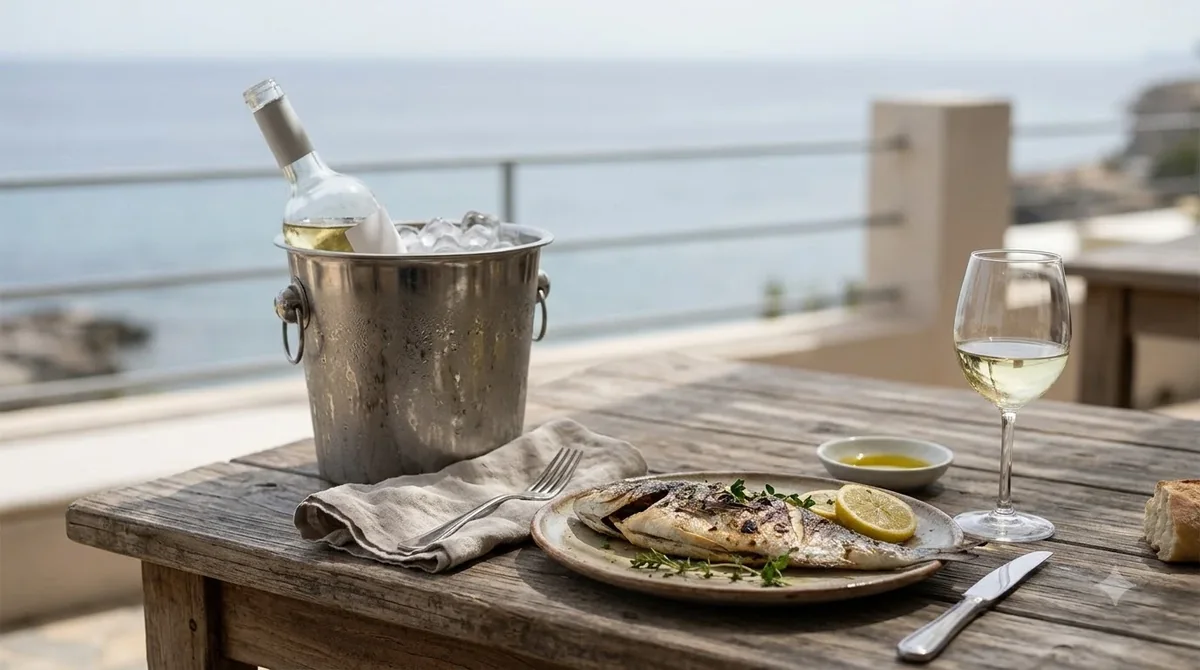
According to Wine Folly, the grape is prized for its expressive aromatics that recall potpourri, honeydew melon, and fresh citrus zest. Historically, growers used Moschofilero primarily as a blending component to add fragrance and acidity to neutral regional white wines rather than bottling it on its own. That began to change in the late twentieth century when pioneering Greek winemakers realized that high-elevation vineyards could produce a pure, single-varietal wine with remarkable balance.
The name itself derives from the Greek word “moschos,” meaning musk or fragrance, paired with “filero,” referring to its grape lineage. Unlike sweet Muscat varieties that share a similar linguistic root, modern Mantinia bottlings are almost always fermented completely dry. This combination of heady floral perfume on the nose and bone-dry, zesty tension on the palate defines the grape’s signature appeal among Wine by Type enthusiasts seeking refreshing whites.
Flavor and styles
Most Moschofilero is made as a light- to medium-bodied dry white wine fermented in stainless steel, though winemakers also craft sparkling, rosé, and skin-contact styles. Across every expression, bright acidity keeps the grape’s opulent floral and orchard fruit aromas feeling crisp rather than heavy.
In a classic stainless-steel bottling, the first impression is a burst of jasmine, rose water, and orange blossom, quickly followed by flavors of lemon zest, pink grapefruit, green apple, and white peach. Some bottles also show a subtle bitter-almond or crushed-stone finish that adds structure and length. Because the grape retains high natural acidity even at full ripeness, it avoids the oily texture or sweet impression often found in warm-climate aromatic whites.
Winemakers in the Peloponnese have also expanded the grape’s stylistic range beyond standard dry whites. Brief skin contact produces delicate, salmon-colored rosés with notes of wild strawberry and hibiscus, while extended maceration yields amber-hued orange wines with grippy tannins and spiced citrus peel. Producers such as Tselepos and Domaine Spiropoulos have also demonstrated the grape’s affinity for sparkling wine production, using both the traditional bottle-fermented method and tank fermentation to highlight its lively mousse and floral lift.
| Style | Winemaking Method | Key Aromas and Flavors | Body and Texture |
|---|---|---|---|
| Classic Dry White | Stainless steel fermentation, minimal skin contact | Rose petal, orange blossom, lemon zest, honeydew, pink grapefruit | Light-bodied, crisp, dry with high acidity |
| Oak-Aged White | Barrel fermentation or brief aging in neutral or French oak | Baked peach, toasted almond, vanilla, dried flowers, citrus oil | Medium-bodied, rounder mid-palate with lingering finish |
| Rosé | Short maceration on the pink skins before pressing | Wild strawberry, red apple skin, hibiscus, ruby grapefruit | Light and zippy with subtle phenolic grip |
| Sparkling | Traditional method or Charmat tank fermentation | Jasmine, green pear, lime blossom, brioche (traditional method) | Effervescent, lively, razor-sharp acidity |
Where it grows
While Moschofilero is planted in several parts of Greece, its spiritual and qualitative home is the high-altitude Mantinia Protected Designation of Origin (PDO) in the central Peloponnese. Situated near the town of Tripoli in Arcadia, this cool mountain plateau is essential to preserving the grape’s signature perfume and acidity.
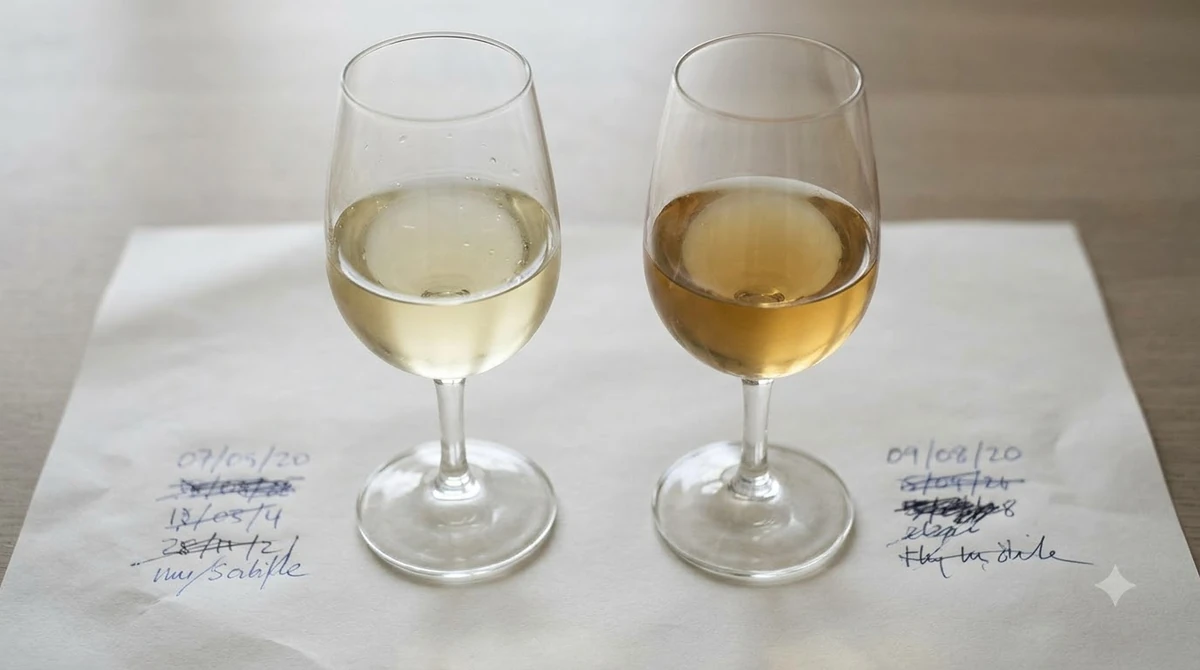
Established as a PDO in 1971, Mantinia sits at elevations averaging roughly 2,100 to 2,200 feet (650 to 700 meters) above sea level. Surrounded by rugged mountains, the plateau experiences a continental-influenced Mediterranean climate with cool nights, late springs, and significant temperature swings between day and night. These cool conditions slow down ripening—often pushing harvest into late September or October—so the grapes develop complex aromatic compounds without losing their bright tartness.
As reported by Wine Enthusiast, subtle microclimates within Mantinia shape the final wine: vineyards on the surrounding foothills tend to yield sharper, citrus-driven wines, while vines on the central plateau produce softer, more intensely floral expressions. Under PDO regulations, a wine labeled Mantinia must contain at least 85 percent Moschofilero, with the remainder occasionally blended with local white varieties known as Asproudes. Outside Mantinia, growers also cultivate the grape across broader Peloponnese PGI zones, often blending it with Roditis for everyday, easy-drinking whites—a role comparable to how the airen grape anchors crisp regional blends in Spain.
How to serve
Serve Moschofilero well chilled—but not ice cold—at 46°F to 50°F (8°C to 10°C) in a standard tulip-shaped white wine glass. Keeping the temperature in this moderate range protects the wine’s delicate floral aromatics while allowing its brisk acidity to shine.
Serving the bottle straight from a standard kitchen refrigerator at 38°F will temporarily mute the rose petal and citrus blossom notes that make the variety special. Pulling the bottle from the fridge 15 to 20 minutes before pouring allows the bouquet to open up cleanly in the glass. A tulip-shaped white wine bowl with a slightly tapered rim concentrates the volatile floral aromas toward the nose while directing the wine smoothly onto the center of the palate.
Most stainless-steel Moschofilero wines are crafted for immediate enjoyment within one to three years of the vintage date, when their primary fruit and floral notes are at peak vibrancy. However, well-structured single-vineyard or lees-aged examples from Mantinia can evolve gracefully for five years or more, trading fresh blossoms for complex notes of honey, beeswax, and toasted nuts. If you open an oak-aged or skin-contact bottling, serving it slightly warmer around 52°F (11°C) will bring out its textural richness.
Tip: Hold your glass by the stem rather than the bowl to prevent your hand from warming the wine too quickly, and skip decanting unless you are pouring a complex, barrel-fermented reserve bottling.
Food pairing
Moschofilero’s combination of high acidity, dry finish, and floral lift makes it an adaptable partner for fresh Mediterranean dishes, seafood, and lightly spiced Asian cuisine. Its bright citrus profile cuts cleanly through olive oil and rich dairy without overwhelming delicate ingredients.
In Greek dining, this wine is a classic match for mezze spreads featuring tangy feta, tzatziki, stuffed grape leaves, and grilled octopus dressed with lemon and oregano. It also pairs effortlessly with pan-seared scallops, grilled sea bass, fried calamari, and crisp green salads tossed in lemon-herb vinaigrettes. For those exploring broader moschofilero food pairing options, the wine’s fragrant aromatics complement fresh Vietnamese spring rolls, sushi, and mildly spiced Thai curries where heavier, oaked whites would clash.
Cheese lovers can pair dry Moschofilero with fresh goat cheese, ricotta drizzled with honey, or soft-ripened Brie, as the wine’s crisp acidity refreshes the palate between bites. Much like high-acid Portuguese whites such as arinto wine, its palate-cleansing snap makes it equally reliable as a pre-dinner aperitif alongside salted almonds and marinated olives.
How to choose a bottle
When shopping for Moschofilero, look for “Mantinia PDO” on the front label and check the vintage date to ensure you are buying a recent release. Because freshness is the grape’s defining asset, younger vintages from the last one to two years generally offer the most vibrant floral and citrus character.
Checking the alcohol by volume (ABV) on the back label is another reliable way to gauge the style inside the bottle. Wines bottled between 11 and 12 percent ABV typically reflect grapes harvested early from cool, high-elevation parcels, signaling a lean, zesty, and ultra-refreshing profile. Bottlings closer to 12.5 or 13 percent ABV often come from slightly riper harvests or warmer sites, offering riper stone fruit flavors and a broader mouthfeel.
Finally, pay attention to producer names and winemaking notes on the label. Established Mantinia estates such as Tselepos, Boutari, Nasiakos, Domaine Spiropoulos, and Troupis consistently produce benchmark expressions that showcase the region’s mountain terroir. If a label mentions lees aging or oak fermentation, expect a creamier, more gastronomic white suited for richer poultry or roasted vegetable dishes rather than simple porch sipping.
Frequently Asked Questions
Is Moschofilero sweet or dry?
Moschofilero is almost always vinified as a completely dry white wine. Although its intense aromas of rose petal, peach, and orange blossom can trick the nose into expecting sweetness, its high natural acidity and low residual sugar leave a crisp, clean, and dry finish on the palate.
What wine is Moschofilero similar to?
Moschofilero is frequently compared to dry Riesling, Gewürztraminer, Torrontés, and Pinot Grigio. It shares the perfumed floral aromatics of Gewürztraminer and Torrontés, the razor-sharp acidity of dry Riesling, and the light-bodied, pink-skinned versatility of Pinot Grigio.
Why is Moschofilero a white wine if the grapes are pink?
Like Pinot Grigio and Gewürztraminer, Moschofilero has reddish-pink skins, but the juice inside the pulp is clear. Winemakers press the grapes gently and separate the juice from the skins immediately after harvest, preventing color pigments from leaching into the wine—unless they intentionally leave the skins in contact to make rosé or orange wine.
How do you pronounce Moschofilero?
Moschofilero is pronounced “moosh-ko-fee-lair-oh,” with the emphasis on the fourth syllable. The name combines the Greek words for musk or fragrance (“moschos”) and the regional grape family name (“filero”).
Whether you are looking for an aromatic aperitif or a lively companion for fresh seafood and salads, Moschofilero delivers unmistakable Greek character in every glass. Seeking out a recent vintage from Mantinia is one of the easiest ways to experience how high-altitude viticulture transforms a fragrant native grape into a crisp, modern classic.
More in Wine Types & Grapes
 What Is Pinot Noir Rose? Flavor, Styles, and Serving GuideUpdated Nov 21, 2026
 What Is Peach Wine? Styles, Flavor, Serving, and PairingsUpdated Nov 21, 2026
 What Is Orange Muscat? Flavors, Styles, and Pairing TipsUpdated Nov 21, 2026
 What Is Negroamaro? Your Guide to Puglia’s Bold Red WineUpdated Nov 21, 2026
 What Is Lagrein? Alto Adige’s Bold Alpine Red Grape ExplainedUpdated Nov 21, 2026
 What Is Nerello Mascalese? Sicily’s Volcanic Red Grape ExplainedUpdated Nov 21, 2026