


We may earn a commission when you buy through links on this page, at no extra cost to you. Learn more.
If you are wondering what is negroamaro, it is a dark-skinned red wine grape native to southern Italy’s Puglia region that produces full-bodied, dry red wines and crisp rosés. Pronounced “neg-row-ah-mah-ro,” the grape is prized for its deep color, ripe black fruit flavors, and distinctive savory finish of dried Mediterranean herbs and subtle bitterness. It serves as the backbone of celebrated appellations across the Salento peninsula, most notably Salice Salentino.
For wine drinkers who enjoy bold, fruit-driven reds like Zinfandel or Primitivo yet want something slightly more earthy and food-friendly, Negroamaro offers a compelling southern Italian alternative. Centuries of adaptation to intense Mediterranean heat have given this variety thick skins, generous body, and an unmistakable herbal edge that sets it apart on any wine list.
What Is Negroamaro?
Negroamaro is an ancient indigenous red grape variety cultivated almost exclusively in Puglia, the sun-drenched heel of Italy’s boot. Historically linked to Greek settlers who arrived across the Adriatic Sea roughly 3,000 years ago, the grape has remained a cornerstone of southern Italian viticulture ever since.
The name itself offers an immediate clue to the wine’s personality. Wine scholars and linguists point to two complementary origins for the word. In Italian, negro translates to “black,” while amaro means “bitter”—a direct nod to the grape’s inky pigmentation and the pleasant, tonic-like bitterness that lingers on the finish. Another widely accepted theory suggests that amaro evolved from the ancient Greek word mavro, which also means “black,” making the name an emphatic double-black descriptor.
Ampelographical DNA analysis indicates that Negroamaro shares genetic ties with other classic Italian varieties, including Sangiovese and Verdicchio. Locally, growers have also referred to the vine under synonyms such as Abruzzese, Lacrima, and Niuri Maru. Despite its similar-sounding name, it is completely unrelated to Negramoll, a red grape grown on the island of Madeira and across the Iberian Peninsula.
Flavor Profile and Winemaking Styles
On the palate, Negroamaro delivers a medium-full to full body defined by concentrated dark fruit, moderate acidity, and a dry, herbal finish. While sun-ripened fruit gives the wine an immediate sense of warmth, its signature savory streak prevents it from ever tasting jammy or overly sweet.
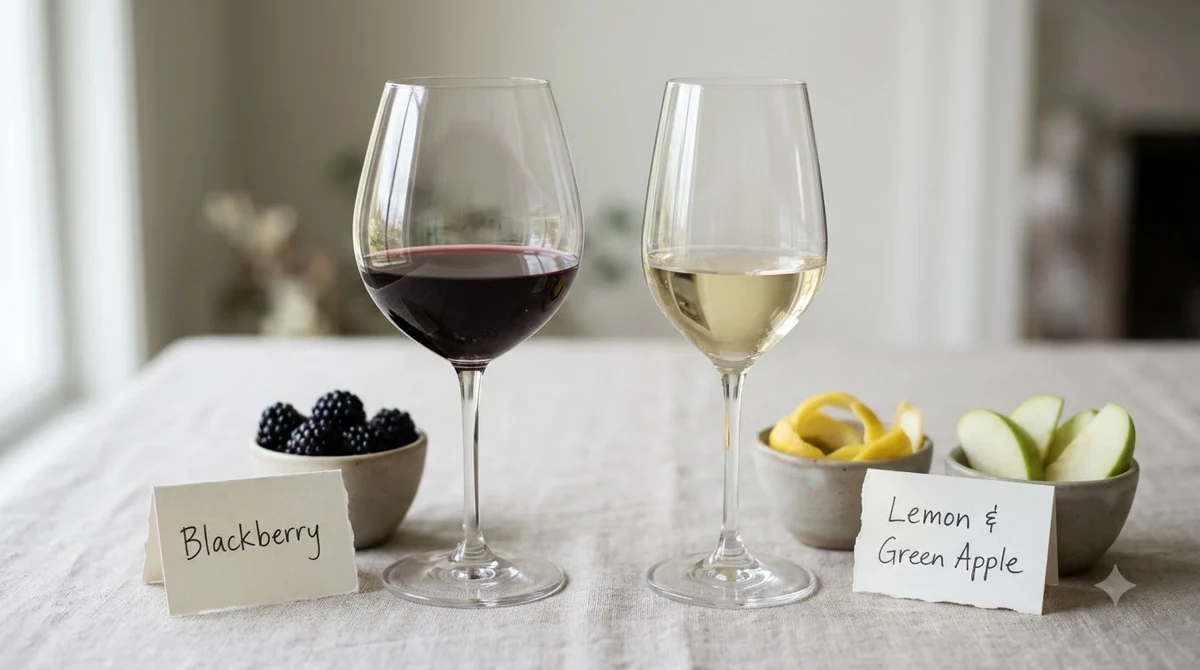
When pouring a glass of red Negroamaro, reviewers at Wine Folly highlight primary flavors of black cherry, black plum, blackberry, prune, and dried thyme. Depending on vineyard soil and barrel aging, more complex bottlings develop secondary and tertiary layers of black pepper, licorice, tobacco leaf, roasted coffee, and dark cocoa. That gentle phenolic bitterness—reminiscent of unsweetened dark chocolate or black tea—gives the wine structure without making the tannins feel overly harsh or astringent. You can explore deeper aromatic breakdowns in our guide to negroamaro tasting notes.
Winemakers in southern Italy craft Negroamaro in three distinct expressions, each suited to different occasions:
- Unoaked or Stainless-Steel Red: Fermented and aged in neutral tanks, these younger reds highlight vibrant black cherry, forest berries, and fresh Mediterranean herbs with supple, approachable tannins.
- Oak-Aged and Riserva Red: Matured in large neutral casks or smaller French barriques, Riserva bottlings gain velvety texture alongside notes of spice, leather, dried fig, and espresso.
- Dry Rosato (Rosé): Pressed briefly from the dark skins, Salento rosés made from Negroamaro show a deep salmon-pink hue with bright flavors of wild strawberry, watermelon, blood orange peel, and a crisp saline finish.
| Wine Characteristic | Typical Negroamaro Profile |
|---|---|
| Body | Medium-Full to Full |
| Acidity | Medium |
| Tannins | Medium-High (ripe and velvety) |
| Sweetness | Dry |
| Alcohol (ABV) | 13.5% – 15% (reds); ~12.5% (rosato) |
| Primary Flavors | Black cherry, black plum, blackberry, licorice, dried thyme |
Where Negroamaro Grows
Virtually all commercial plantings of Negroamaro are concentrated in Puglia, particularly across the flat, sun-baked limestone and clay plains of the Salento peninsula. Outside of Puglia, only tiny experimental parcels exist in neighboring southern regions like Campania and Sicily.

Puglia’s Mediterranean climate provides more than 2,500 hours of annual sunshine alongside mild winters and hot, arid summers. Negroamaro thrives in these extreme conditions because its thick-skinned berries resist drought and retain natural structure even when summer temperatures climb. Cooling breezes blowing off both the Adriatic and Ionian seas sweep across the narrow Salento peninsula at night, moderating vineyard heat and preserving aromatic freshness.
Within Salento, several Denominazione di Origine Controllata (DOC) zones define the grape’s benchmark styles. Salice Salentino DOC is the most internationally recognized appellation, requiring red and rosato wines labeled with the varietal to contain a high proportion of Negroamaro, often softened with a small percentage of aromatic Malvasia Nera. Other respected appellations worth looking for on a label include Copertino, Squinzano, Brindisi, and Leverano, where iron-rich terra rossa soils lend distinct earthy depth to the finished wines.
How to Serve and Store Negroamaro
To bring out Negroamaro’s balance of dark fruit and savory herbs, serve red bottlings slightly below room temperature at 60 to 68°F (15 to 20°C). If a bottle is served too warm, the generous alcohol level—often between 13.5 and 15 percent—can overshadow its delicate herbal nuances.
Allowing a young or oak-aged red Negroamaro to breathe in a decanter for about 30 minutes before pouring helps soften its ripe tannins and opens up buried aromas of black pepper and dried flowers. Pour the wine into an oversized Bordeaux-style red wine glass with a broad bowl so the concentrated dark fruit and spice aromatics have plenty of room to circulate. If you are opening a bottle of Negroamaro rosato, chill it thoroughly to refrigerator temperature around 45 to 50°F and serve it in a standard white wine glass.
Most entry-level and stainless-steel Negroamaro reds are crafted for immediate enjoyment within two to four years of the vintage date. However, top-tier Salice Salentino Riserva selections and old-vine single-vineyard bottlings have the tannic structure and extract to evolve gracefully in a cool, dark cellar for five to ten years or longer, gaining complex notes of dried fig and balsamic glaze.
Tip: Put your bottle of red Negroamaro in the refrigerator for 15 to 20 minutes before uncorking it; that brief chill keeps the 14 percent alcohol feeling crisp and refreshing.
Food Pairing Ideas
Negroamaro’s combination of full body, moderate acidity, and a mildly bitter herbal finish makes it one of southern Italy’s most versatile dinner wines. Its savory edge cuts cleanly through rich fats, charred meats, and rich tomato sauces without overwhelming the palate.
In its native Puglia, locals pair the wine with rustic comfort dishes such as orecchiette pasta tossed in slow-simmered meat ragù, grilled lamb chops seasoned with rosemary and thyme, and roasted eggplant Parmesan. According to Wine Enthusiast, the wine’s dark berry core and dried herb notes also match wonderfully with smoky barbecue chicken pizza, pulled pork sandwiches, and caramelized teriyaki dishes, where a hint of sweetness on the plate balances the grape’s subtle bitterness.
For cheese boards and vegetarian spreads, reach for aged sheep’s-milk cheeses like Pecorino, sharp Parmigiano-Reggiano, cured salumi, or marinated black olives. If you are planning a full Mediterranean menu, browse our dedicated negroamaro food pairing guide for seasonal recipes and rosato matches.
How to Choose a Bottle of Negroamaro
When shopping for Negroamaro, start by checking the appellation on the front label to match the wine’s weight to your meal. Bottles labeled Salice Salentino DOC or Copertino DOC represent classic southern Italian blends where Negroamaro is frequently paired with 10 to 20 percent Malvasia Nera, yielding a rounder, slightly more floral red.
If you want to taste the grape in its purest, most unvarnished form, look for bottles labeled Salento IGT or Puglia IGT that specify 100 percent Negroamaro on the back label. These varietal bottlings showcase the grape’s raw blackberry fruit, earthy spice, and signature bitter-herb finish without blending partners. For a richer, more structured experience suitable for steak or braised short ribs, choose a Riserva bottling, which undergoes a minimum of two years of aging—including time in oak barrels—before release.
If you are browsing by style rather than Italian region, you will typically find Negroamaro shelved alongside medium-to-full-bodied Italian reds like Primitivo, Nero d’Avola, and Sangiovese, or grouped within broader Wine by Type selections under hearty dry reds.
Frequently Asked Questions
Is Negroamaro a sweet or dry red wine?
Negroamaro is almost always fermented completely dry. Although its sun-ripened black cherry and blackberry flavors can create an initial impression of richness on the mid-palate, the wine finishes brisk, savory, and dry with a characteristic hint of dark cocoa or herbal bitterness.
How does Negroamaro compare to Primitivo?
Both grapes thrive in Puglia, yet they deliver noticeably different styles in the glass. Primitivo—genetically identical to California Zinfandel—tends to be plush, jammy, and higher in alcohol, whereas Negroamaro is more structured, earthy, and savory, featuring firmer tannins and a distinct dried-herb finish.
What does the name Negroamaro mean?
The name combines the Italian word negro (meaning “black”) with amaro (meaning “bitter”), referencing the grape’s deeply pigmented skins and mildly bitter finish. Many wine historians also note that amaro likely evolved from the ancient Greek word mavro (“black”), effectively translating the grape’s name to “black-black”.
Is Negroamaro always blended with other grapes?
No, while traditional DOC appellations like Salice Salentino frequently blend Negroamaro with small amounts of Malvasia Nera to add floral lift, many Puglian producers bottle 100 percent varietal Negroamaro under Salento IGT or Puglia IGT labels. Single-varietal bottlings are also very common for crisp southern Italian rosato wines.
Whether poured as a velvety Salice Salentino Riserva beside slow-cooked meats or chilled as a saline Salento rosato on a warm evening, Negroamaro captures the sun-drenched character of southern Italy. Keeping a bottle on hand gives you a reliable, food-friendly red that bridges the gap between bold new-world fruit and classic old-world savory depth.
More in Wine Types & Grapes
 Zinfandel Sugar Content: Dry Red vs. White Zinfandel GramsUpdated Nov 21, 2026
 Best Zinfandel Substitute Options for Sipping and CookingUpdated Nov 21, 2026
 Zweigelt Food Pairing: Best Dishes, Cheeses, and Serving TipsUpdated Nov 21, 2026
 Zinfandel Tannins Explained: How Structure Shapes Every BottleUpdated Nov 21, 2026
 Zinfandel Sweetness Level: Dry Red vs. Sweet White Zin ExplainedUpdated Nov 21, 2026
 Xinomavro Food Pairing: Best Dishes, Styles, and Serving TipsUpdated Nov 21, 2026