

We may earn a commission when you buy through links on this page, at no extra cost to you. Learn more.
The best negroamaro food pairing matches the wine’s dark berry fruit, dried herb aromatics, and signature savory bitterness with caramelized barbecue, tomato-braised meats, chargrilled lamb, and aged sheep’s milk cheeses. Grown primarily in southern Italy’s Puglia region, this medium- to full-bodied red balances plush black cherry and plum flavors with firm structure and moderate acidity. Because its finish leans earthy rather than sweet, dishes with rich fats, smoky char, or bright tomato acidity soften its dry edge and bring forward its ripe fruit core.
Whether you are pouring a structured red from Salice Salentino or a deeply colored rosato on a warm afternoon, understanding how this southern Italian grape interacts with salt, fat, and spice makes menu planning effortless. Below is a practical breakdown of the grape’s flavor profile, serving temperatures, and proven kitchen matches.
What Is Negroamaro?
Negroamaro is a dark-skinned red wine grape native to southern Italy, prized for producing medium- to full-bodied wines with deep color, black fruit flavors, and an unmistakable bitter, herbal finish. Its name is widely linked to the Latin and Greek words for “black” and “bitter,” referencing both its inky pigmentation and its savory, slightly astringent close.
Unlike many warm-climate red varieties that lose freshness under intense summer heat, Negroamaro retains its natural acidity remarkably well. That built-in tension keeps the wine feeling lively on the palate rather than heavy or syrupy. While winemakers frequently bottle it as a single-varietal wine, they also blend it with softer, fruit-forward grapes like Malvasia Nera or Primitivo to round out its firm edges.
Beyond dry red wines, the variety is famous across Italy for producing structured rosato (rosé). Because the grape skins carry such concentrated pigment, even a brief maceration yields a vivid coral-pink wine with far more body and spice than a pale, citrus-driven Provençal rosé. If you enjoy exploring distinct regional reds across our Wine by Type library, Negroamaro ranks among southern Italy’s most versatile food wines.
Flavor and Styles
Negroamaro displays a layered aromatic profile built around black cherry, blackberry, and ripe plum, accented by dried thyme, bay leaf, licorice, and a savory, earthy finish. As bottles spend time in oak or age in the cellar, fresh forest fruit evolves toward dried prune, black pepper, tobacco leaf, roasted coffee bean, and dark chocolate.
In the glass, the wine typically shows medium to full body, moderate acidity, firm tannins, and alcohol levels ranging from around 13 percent up to 15 percent depending on harvest ripeness and appellation rules. According to Wine Enthusiast’s varietal guide, younger expressions highlight fresh red cherry, forest berries, and sweet spice, whereas mature examples develop complex botanical and earthy depth.
Shoppers generally encounter three main styles on retail shelves:
- Fresh, Unoaked Varietal Reds: Bottled under regional designations like Salento IGT, these wines emphasize juicy dark berries, anise, and a crisp herbal snap with approachable tannins.
- Aged Appellation Blends and Riservas: Wines from denominations such as Salice Salentino spend extended time in barrel and bottle, softening the grape’s natural bitterness into notes of leather, smoke, and dried fig.
- Dry Rosato: Made via brief skin contact, these deeply hued pink wines deliver wild strawberry, pomegranate, and cracked pepper alongside a dry, mouthwatering finish.
Where It Grows
Negroamaro grows almost exclusively in Puglia, the sun-drenched region forming the “heel” of Italy’s boot between the Adriatic and Ionian seas. Within Puglia, the grape reaches its highest concentration on the flat, coastal Salento peninsula in the far south, where warm Mediterranean breezes temper high daytime temperatures.
Introduced to southern Italy by ancient Greek settlers centuries ago, the vine adapted to Puglia’s limestone, clay, and iron-rich red soils. Traditional vineyards often rely on low, freestanding bush vines known as alberello, which shade the grape clusters from intense sunburn and concentrate flavor in the berries.
When scanning labels, look for key Salento appellations including Salice Salentino, Copertino, Squinzano, Brindisi, and Lizzano. In northern Puglia around Castel del Monte, grapes like Nero di Troia take center stage, while Primitivo dominates Manduria and Gioia del Colle—making Salento the undisputed heartland for authentic Negroamaro.
How to Serve
Serve red Negroamaro slightly below room temperature at 60 to 68 degrees Fahrenheit (15 to 20 degrees Celsius) in a large, oversized red wine glass. Because the grape naturally carries an earthy, bitter edge, serving it too warm exaggerates alcoholic heat and makes the finish feel harsh.
Putting a room-temperature bottle in the refrigerator for 30 to 45 minutes before pouring brings it right into the ideal window. For younger, tannic bottlings, decanting the wine for about 30 minutes allows oxygen to soften its firm grip and open up aromatics of black plum, dried thyme, and tobacco.
If you are pouring a Negroamaro rosato, chill it thoroughly to around 46 to 50 degrees Fahrenheit (8 to 10 degrees Celsius) so its red berry fruit and peppery spice stay crisp. Most dry red bottlings drink best within 5 to 10 years of the vintage date, though top Riserva releases can evolve gracefully even longer.
Best Negroamaro Food Pairing Matches
A successful negroamaro food pairing relies on matching the wine’s dark fruit, dried herbs, and bitter finish against dishes rich in fat, savory umami, smoky char, or bright tomato acidity. Mild, delicate, or overly sweet dishes tend to clash with the wine’s earthy backbone, whereas bold, rustic cooking brings out its hidden fruit sweetness.

According to Wine Folly’s Negroamaro guide, caramelized foods—such as pulled pork sandwiches, barbecue chicken pizza, and teriyaki-glazed meats—actively draw out the wine’s ripe berry sweetness. Slow-simmered tomato sauces also work wonders because the natural acidity and subtle sweetness of cooked tomatoes counterbalance the wine’s dry, bitter finish.
| Food Category | Specific Dish Examples | Why the Pairing Works |
|---|---|---|
| Barbecue & Glazed Meats | Pulled pork sandwiches, sticky pork ribs, teriyaki chicken | Caramelized sugars and smoky char soften firm tannins and amplify dark cherry fruit. |
| Tomato-Based Pasta & Pizza | Orecchiette with sausage ragù, baked ziti, wood-fired pepperoni pizza | Tomato acidity refreshes the palate while the wine’s bitter edge cuts through rich sauce. |
| Grilled & Roasted Red Meats | Herb-crusted lamb chops, seared flank steak with arugula, grilled Italian sausage | Rendered fat coats the palate and tames astringency, while rosemary and thyme echo herbal notes. |
| Hearty Vegetarian & Greens | Baked eggplant parmesan, charred radicchio, sautéed broccoli rabe with garlic | Roasted eggplant umami and bitter greens mirror the grape’s earthy, botanical finish. |
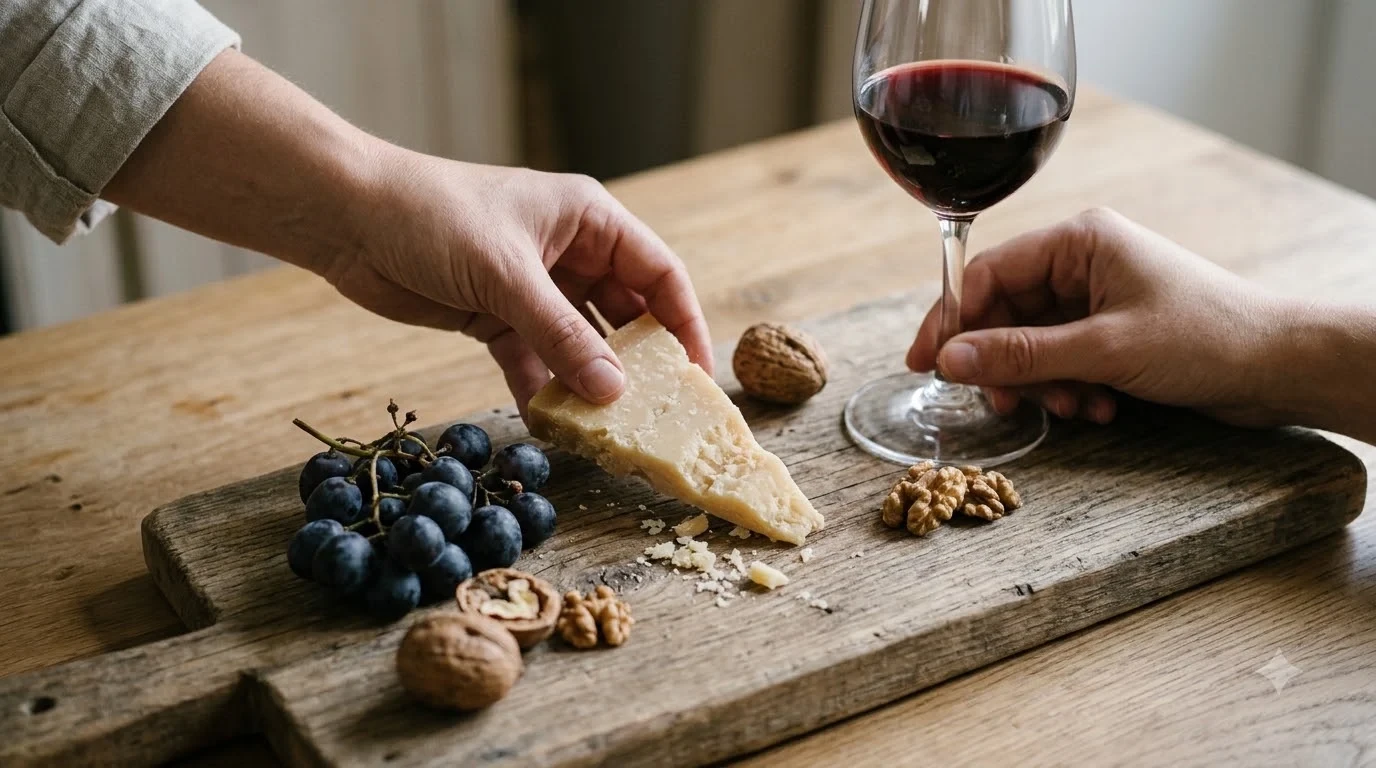
| Aged & Hard Cheeses | Aged Pecorino, Parmigiano-Reggiano, aged provolone | Salt and dense protein bind to tannins and highlight the wine’s dried plum and spice notes. |
| Seafood & Light Fare (Rosato) | Fried calamari, grilled swordfish, prosciutto and melon | Chilled Negroamaro rosato has enough body and spice to stand up to crisp batter and oily fish. |
Southern Italian regional cooking offers a built-in blueprint for the table. Traditional Pugliese dishes like orecchiette tossed with crumbled pork sausage, garlic, and bitter broccoli rabe mirror the wine’s herbal, slightly bitter personality. If you enjoy pairing structured, savory reds with charred meats and winter vegetables, you will find similar versatility when exploring blaufrankisch food pairing or carignan food pairing ideas.
Tip: When serving spicy dishes like Calabrian chili pasta or hot barbecue, choose a lower-alcohol Negroamaro around 13 to 13.5 percent ABV rather than a high-alcohol Primitivo, since excess alcohol amplifies chili heat on the palate.
How to Choose a Bottle
Choosing a bottle that fits your dinner menu comes down to checking the appellation, grape blend, and alcohol percentage on the front and back labels. Because Puglia’s regulations allow winemakers to bottle Negroamaro either pure or blended, small label cues tell you how structured or plush the wine will taste.
- Look for “100% Negroamaro” or Salento IGT: Pure varietal bottlings highlight the grape’s classic wild berry, dried thyme, and savory bitter finish—ideal for tomato sauces, grilled sausages, and roasted eggplant.
- Check for Salice Salentino DOC: Wines from this historic appellation require a high proportion of Negroamaro (often blended with Malvasia Nera) and frequently undergo barrel aging, resulting in smoother tannins and richer notes of tobacco, plum, and spice.
- Match ABV to your dish: Bottles around 13 to 13.5 percent ABV feel brighter and more food-flexible with weeknight pasta and pizza, while richer 14.5 to 15 percent releases have the weight to stand beside braised short ribs or smoky barbecue.
- Consider a Salento Rosato for warm weather: When grilling fish, shrimp skewers, or antipasti platters, a dark pink Negroamaro rosato delivers red-wine flavor without heavy tannins.
Inspecting the vintage date also helps set expectations. Bottles within two to four years of harvest deliver vibrant dark fruit and snappy herbal lift, whereas older Riserva releases offer softer texture and savory, leather-toned complexity suited to slow-braised meats.
Frequently Asked Questions
Is Negroamaro a sweet or dry red wine?
Negroamaro is almost always vinified as a dry red or dry rosé wine. Although its ripe black cherry and plum aromas can create an impression of fruit sweetness on the mid-palate, it contains virtually no residual sugar and finishes distinctly dry, earthy, and slightly bitter.
What is the difference between Primitivo and Negroamaro?
Both grapes thrive in Puglia, but Primitivo produces fuller-bodied, higher-alcohol wines packed with jammy blackberry, fig, and warm spice. Negroamaro is slightly lighter in alcohol, retains more natural acidity, and finishes with dried herbs and a savory, bitter edge rather than sweet jammy fruit.
Does Negroamaro pair well with spicy food?
Yes, provided you pick a bottle with moderate alcohol around 13 to 14 percent ABV and serve it slightly chilled. Its ripe dark berry core and refreshing acidity help cool mild-to-medium chili heat in dishes like spicy sausage ragù or tangy barbecue without creating an unpleasant alcohol burn.
Can you pair Negroamaro with fish or seafood?
Traditional red Negroamaro can overwhelm delicate white fish, though it works well with meaty, charred fish like grilled swordfish or tuna steaks. For fried calamari, shrimp, or lighter seafood dishes, a chilled Negroamaro rosato is the better choice because it offers bright acidity and gentle berry fruit without heavy tannins.
From weeknight wood-fired pizza to slow-smoked pulled pork, Negroamaro brings southern Italian character and dependable structure to the dinner table. Keep a bottle slightly chilled, match it with savory fats, herbs, or rich tomato sauces, and let its dark fruit and earthy finish bring out the best in every bite.
More in Wine Types & Grapes
 What Does Ruby Port Taste Like? Flavor Notes, Styles, and Serving TipsUpdated Nov 21, 2026
 What Does Ribolla Gialla Taste Like? Crisp White and Amber Styles ExplainedUpdated Nov 21, 2026
 What Does Semillon Taste Like? Flavor Profile, Styles & PairingsUpdated Nov 21, 2026
 What Does Scuppernong Taste Like? Flavor, Styles, and Pairing GuideUpdated Nov 21, 2026
 What Does Saperavi Taste Like? Flavors, Styles, and Pairing GuideUpdated Nov 21, 2026
 What Does Natural Wine Taste Like? Flavors, Styles, and Serving TipsUpdated Nov 21, 2026