

We may earn a commission when you buy through links on this page, at no extra cost to you. Learn more.
The answer to “what is gamay” is that Gamay is a black-skinned wine grape best known for making the bright, fresh red wines of Beaujolais in eastern France. Its wines are usually light to medium in body, lively in acidity, and gentle in tannin, with flavors of cherry, raspberry, and strawberry. Some are made for drinking soon after harvest, while top Beaujolais crus can develop more depth and age for years. Gamay also appears in wines from the Loire Valley, Canada, and the United States.
Gamay is sometimes treated as a simple picnic red because of its association with Beaujolais Nouveau, but that is only one expression of the grape. Where it grows, how ripe the fruit becomes, and whether the winemaker uses carbonic or more traditional fermentation can change the wine substantially. Knowing a few label terms makes it easier to choose a bottle for a casual dinner or a more contemplative glass. Gamay is generally pronounced “gah-may”; this guide to how to pronounce Gamay can help you say the name with confidence.
What Gamay Tastes Like in the Glass
Gamay is usually a dry, fresh-tasting red with lively acidity, modest tannin, and a light to medium body. Its most recognizable flavors are red berries and cherry, although riper fruit, floral notes, and earthy details become more apparent in wines from particular sites and warmer growing conditions.
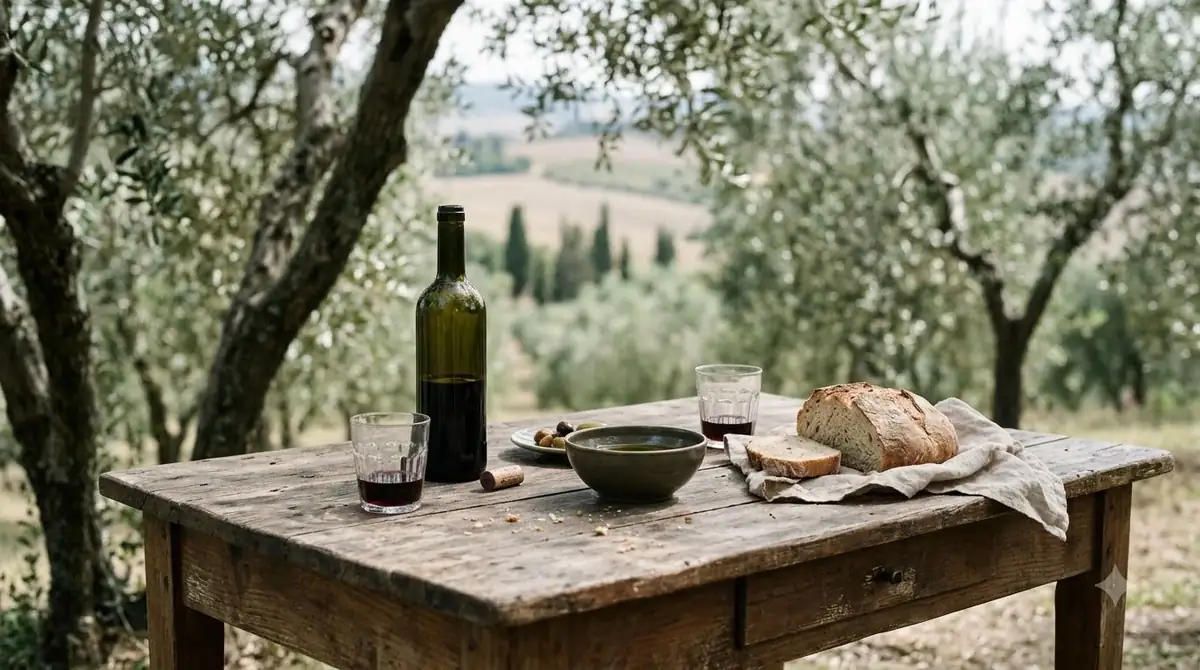
Look first for strawberry, raspberry, red cherry, and sometimes cranberry or pomegranate. The fruit often feels juicy rather than dense, with a refreshing lift that keeps the finish lively. More concentrated examples can add blackberry, plum, black tea, pepper, violet, or a stony, earthy impression. Some Gamay has a recognizable banana, bubblegum, or candied-strawberry aroma, usually associated with carbonic or semicarbonic maceration rather than the grape alone.
Gamay is a thin-skinned grape, and its wines generally have less tannin than Cabernet Sauvignon or Syrah. That does not mean every Gamay is soft or weightless: extraction, vine age, ripeness, and fermentation can add texture. A young, fruit-forward bottle may seem silky and easygoing; a structured cru can have a firmer grip and a longer, savory finish. Floral notes such as violet and peony can add lift.
Color is commonly bright ruby or purple-red, though extraction and bottle age affect the shade. A young wine may look vivid and almost violet at the rim, while an older, more structured bottle can take on garnet tones. For more detail on appearance and aroma, see the guides to Gamay color and Gamay tasting notes.
Where Gamay Grows and Why Beaujolais Matters
Beaujolais is Gamay’s signature home, but the variety is not limited to one French region. The grape is well suited to cooler growing conditions, ripens relatively early, and is strongly associated with the granite-rich hills north of Lyon.
Inter Beaujolais describes Gamay as a natural cross of Pinot Noir and Gouais Blanc and notes that it has been established in the region for centuries. The council estimates that about 30,000 hectares of Gamay are planted worldwide, with roughly half of that area in Beaujolais. It also reports that Gamay accounts for 98% of the vineyard area used to produce Beaujolais wines. Those figures help explain why the grape and region are so closely linked.
Soil and position help shape the wines. In northern Beaujolais, granite is a defining feature, and the ten cru appellations occupy a more hilly landscape. In the south, clay and limestone are more common, and the broader Beaujolais and Beaujolais-Villages appellations tend to yield accessible, fruit-led wines. Beaujolais is commonly described through 12 appellations: Beaujolais and Beaujolais-Villages, plus ten crus: Saint-Amour, Juliénas, Chénas, Moulin-à-Vent, Fleurie, Chiroubles, Morgon, Régnié, Brouilly, and Côte de Brouilly. Beaujolais-Villages draws on 38 designated villages. These are broad tendencies rather than strict rules; site, vine age, producer choices, and vintage can make two wines from the same appellation taste quite different. The Gamay overview from Inter Beaujolais explains the grape’s place across the appellations.
Gamay also grows outside Beaujolais. In France, look to the Loire Valley, including Touraine, where the wines are often fresh and fruit-driven; Gamay is also used in dry rosé around Anjou and Saumur. In Canada, the Niagara Peninsula and Prince Edward County produce versions that can show sour cherry, raspberry, pepper, and fresh acidity. Oregon’s Willamette Valley is another place to find varietal Gamay, often with a cool-climate balance of fruit and freshness.
How Carbonic Maceration Changes the Wine
Winemaking has a major effect on Gamay’s aroma, texture, and structure. Carbonic and semicarbonic maceration are associated with the juicy, low-tannin style that many people recognize as Beaujolais, but traditional fermentation can produce a deeper, more structured red.
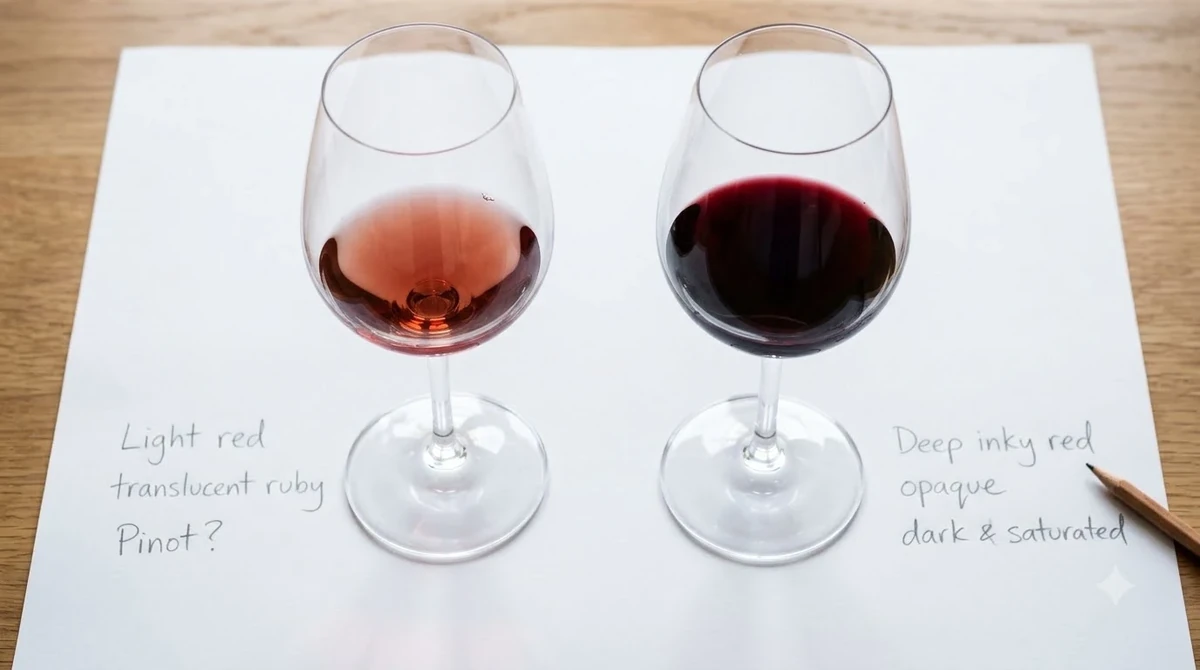
In full carbonic maceration, intact grape clusters are placed in a sealed tank filled with carbon dioxide. Fermentation begins inside the unbroken berries, a process called intracellular fermentation. As it progresses, the berries soften and split, releasing juice that completes fermentation with yeast. VinePair explains that the berries begin to burst once the intracellular fermentation reaches about 2% alcohol by volume. This approach can create vivid fruit aromas and a supple texture, while extracting relatively little tannin from the skins.
Semicarbonic maceration is common in Beaujolais, but it works somewhat differently. Whole clusters are placed in a vat, and the weight of the grapes presses some berries near the bottom, releasing juice. Yeast begins fermenting that juice and produces carbon dioxide, which encourages intracellular fermentation in the intact berries higher in the vat. These methods can bring out aromas of banana, bubblegum, kirsch-like cherry, and candied red fruit. They suit wines intended to be fresh and approachable soon after harvest, although not every producer uses them in the same way.
For more structured wines, some producers use a Burgundian approach that can include destemming, longer maceration, and fermentation focused on extracting more from the skins. Older vines and small berries with thicker skins can contribute additional concentration and tannin. Some winemakers combine whole clusters, destemmed fruit, and conventional yeast fermentation to shape the final balance. Wine Enthusiast’s feature on the different ways Beaujolais is made discusses why producers choose different techniques for youthful wines and bottles intended to age.
How to Read Gamay and Beaujolais Labels
French bottles often put the place name ahead of the grape variety, so a bottle made entirely from Gamay may not display the word “Gamay” prominently. Understanding the appellation gives a useful first indication of the style and level of specificity.
A label that says Beaujolais usually points to a regional wine, often made for early enjoyment. Beaujolais-Villages narrows the source to 38 designated villages and can offer more site character or concentration, though the style still varies by producer. A label naming Morgon, Fleurie, Brouilly, or one of the other crus identifies a wine from one of the ten village appellations. Beaujolais Nouveau is different: it is the early-release style made to celebrate the new harvest, traditionally reaching the market on the third Thursday of November. “Nouveau” describes the release style; it does not mean that every Beaujolais wine is Nouveau.
| Label or designation | Useful number | What it usually tells you |
|---|---|---|
| Beaujolais | 1 of 12 regional AOCs | A broad regional appellation; often fresh, direct, and fruit-led. |
| Beaujolais-Villages | 38 villages | A more specific village-sourced designation, with styles ranging from easygoing to serious. |
| Cru Beaujolais | 10 crus | A named village appellation such as Morgon, Fleurie, or Moulin-à-Vent; often more structured. |
| Beaujolais Nouveau | 3rd Thursday in November | A youthful, early-release style intended for prompt drinking, not a separate cru. |
The ten crus each have a distinct reputation, but it is better to use their names as a starting point than as a rigid flavor code. Fleurie is often associated with fragrant, graceful wines; Morgon can show deeper fruit and structure; Moulin-à-Vent is frequently one of the more firmly built styles. Producer and vineyard matter as much as the broad appellation description. For a first bottle, choose a regional Beaujolais for a casual meal, Beaujolais-Villages for a little more definition, or a cru when you want to compare individual villages. Browse Wine by Type to see how Gamay fits alongside other grapes and styles.
How to Serve and Store Gamay
Gamay is usually best served slightly cool, not warm like a full-bodied red. A temperature around 55–60°F keeps the wine refreshing while allowing its berry and floral aromas to show.
Put a room-temperature bottle in the refrigerator for a short spell before serving, then pour and let it warm gradually in the glass. Very cold temperatures can mute aroma and make the wine seem harder or less expressive. Use a regular red-wine glass or a medium-sized glass with enough room to swirl. A standard five-ounce pour gives you room to compare the wine as it opens, and a 750-milliliter bottle yields about five such glasses.
| Serving detail | Practical guide |
|---|---|
| Typical serving temperature | 55–60°F |
| Standard pour | 5 ounces |
| Glasses per 750 ml bottle | About 5 |
| Optional air for a young, structured cru | 15–30 minutes |
Simple Beaujolais and Nouveau generally do not need decanting. A young, more concentrated cru may benefit from 15 to 30 minutes of air, but taste it first rather than treating decanting as a requirement. Store unopened bottles on their sides in a cool, dark place near 55°F, away from temperature swings and direct light. Once opened, reseal the bottle and keep it in the refrigerator; most still wines are best used within three to five days. A lighter Gamay may be at its most vivid on the first or second day, while a structured cru can hold its shape a little longer, depending on the bottle and how much air remains in it.
Tip: Chill a fruit-forward Gamay until it feels cool to the touch, then pour a small glass. If the aromas seem muted, let the wine sit for five to ten minutes rather than warming the whole bottle at once.
Foods That Pair Well with Gamay
Gamay’s bright acidity, modest tannin, and juicy fruit make it a flexible partner for food. It works especially well with poultry, pork, charcuterie, mushrooms, and dishes with herbs, as long as the seasoning does not overwhelm the wine.
For a classic meal, pour Gamay with roast chicken, turkey, grilled pork chops, sausages, or duck. Its acidity refreshes the palate between bites, while the red-fruit character suits browned skin, roasted vegetables, and savory herbs. A lighter regional Beaujolais is a natural match for pâté, salami, country ham, or a mixed cheese board. Vegetarian dishes can work just as well: try mushroom tart, lentil stew, roasted beets, grilled eggplant, or a tomato-based pasta. The wine’s acidity helps it meet tomato sauce, while earthy mushroom flavors can echo the savory side of a more structured cru.
Gamay can also pair with some fish, particularly grilled salmon or seared tuna, because its tannins are usually gentler than those of many fuller-bodied reds. Keep preparations simple and avoid heavy char or intense spice. Very oily fish and strongly tannic reds can clash, while a lighter, low-tannin Gamay is a more flexible option for richer fish dishes. Take care with chili heat: alcohol and tannin can make spicy food feel hotter, so choose a lighter, lower-alcohol Gamay and keep the heat moderate. Salt and fat soften the perception of tannin, which is one reason charcuterie and richer pork dishes can be such comfortable partners.
Frequently Asked Questions
These quick answers cover a few details that can be confusing when you first encounter the grape.
What does the name Gamay Noir à Jus Blanc mean?
It is the full name commonly used for the main Gamay variety. The French phrase refers to a dark-skinned grape with pale, uncolored juice, a useful reminder that the red color in most red wines comes primarily from contact with the skins during winemaking.
Is Gamay ever used to make sparkling wine?
Yes. Although still red Beaujolais is its best-known expression, Gamay can also appear in sparkling wines. The grape is listed among varieties used for red, rosé, and sparkling styles, so the variety name does not guarantee a still red wine.
Why can a young Gamay seem slightly fizzy?
A faint spritz can remain in some young wines made with carbonic or semicarbonic methods. Dissolved carbon dioxide gives a light prickle on the tongue and can make the fruit feel even fresher; it is not the same as the sustained bubbles in a sparkling wine.
Can Gamay be blended with other grapes?
Yes, outside Beaujolais it can be blended, including with Cabernet Franc in parts of the Loire Valley. That combination can give a wine a firmer frame than a simple, fruit-led Gamay, while keeping some of the variety’s red-fruit character.
Is Gamay grown in Switzerland?
Yes. Gamay is grown in Switzerland as well as in the Loire Valley and other regions beyond Beaujolais. Its strongest international association remains with Beaujolais, but the grape is not exclusive to France.
Gamay is much more than a light red released for a November celebration. From juicy regional Beaujolais to structured wines from Morgon, Fleurie, and Moulin-à-Vent, it offers a wide range of styles while keeping freshness and red-fruit character at the center. Serve it a little cool, pair it with savory food, and explore different villages to see how much one grape can express.
More in Wine Types & Grapes
 Zinfandel Sugar Content: Dry Red vs. White Zinfandel GramsUpdated Nov 21, 2026
 Best Zinfandel Substitute Options for Sipping and CookingUpdated Nov 21, 2026
 Zweigelt Food Pairing: Best Dishes, Cheeses, and Serving TipsUpdated Nov 21, 2026
 Zinfandel Tannins Explained: How Structure Shapes Every BottleUpdated Nov 21, 2026
 Zinfandel Sweetness Level: Dry Red vs. Sweet White Zin ExplainedUpdated Nov 21, 2026
 Xinomavro Food Pairing: Best Dishes, Styles, and Serving TipsUpdated Nov 21, 2026