

We may earn a commission when you buy through links on this page, at no extra cost to you. Learn more.
Gamay color is typically pale ruby red, often with vivid violet or purple reflections, although some examples develop a deeper ruby or garnet appearance. This French red grape produces wines that range from relatively transparent and bright to more concentrated and richly colored. Its appearance depends on growing conditions, grape maturity, winemaking techniques and bottle age, making color a useful first clue when identifying Gamay.
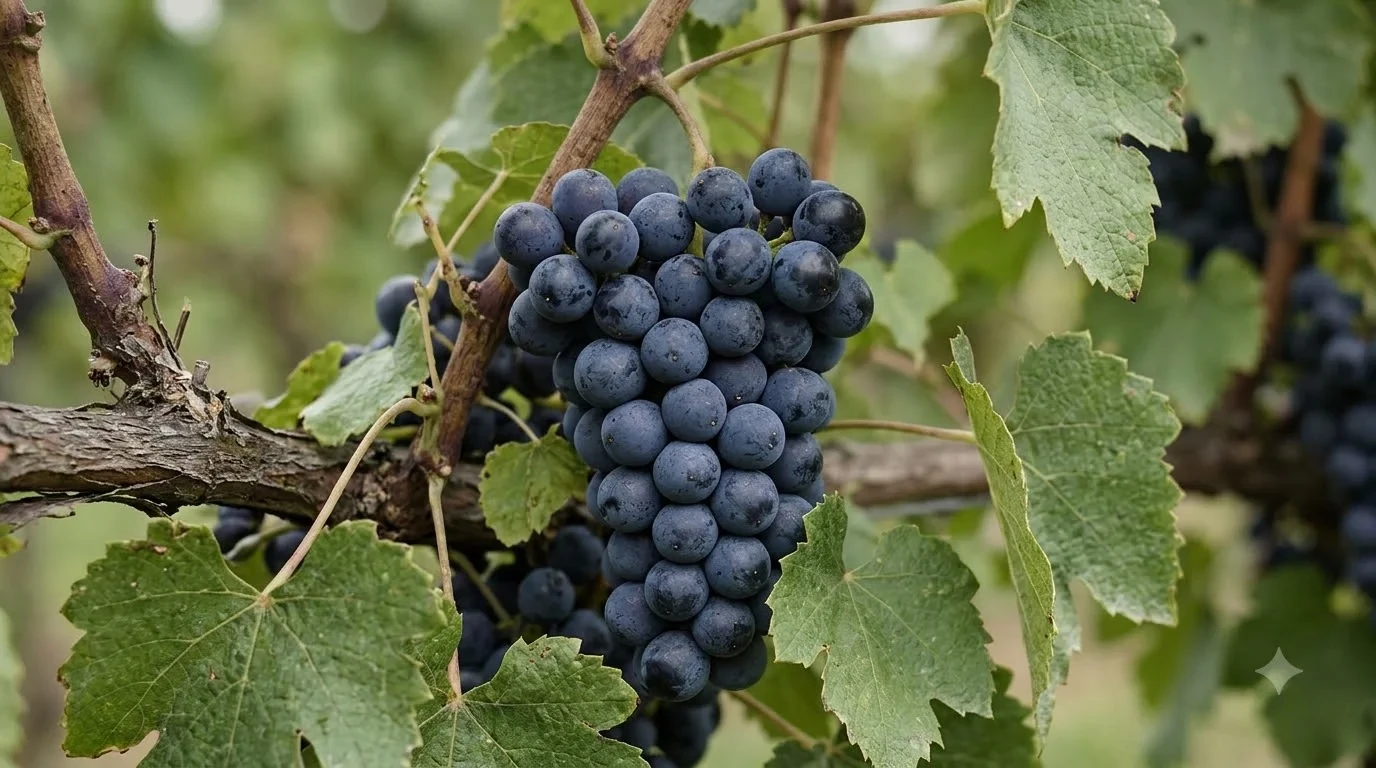
Gamay is best known as the principal red grape of Beaujolais, where its fresh fruit character and lively appearance have made it a distinctive choice for red wine drinkers. Although the grapes have dark purple-black skins, their juice is naturally colorless. The final shade in the glass comes from the extraction of pigments during winemaking, rather than from colored juice inside the berries. Understanding these differences makes it easier to recognize Gamay and distinguish it from other red varieties.
The Typical Ruby and Purple Shades of Gamay
Most Gamay wines have a bright ruby appearance, often accompanied by violet highlights around the rim. The intensity can vary from pale and translucent in youthful, fruit-forward wines to a deeper ruby-purple in more concentrated examples.
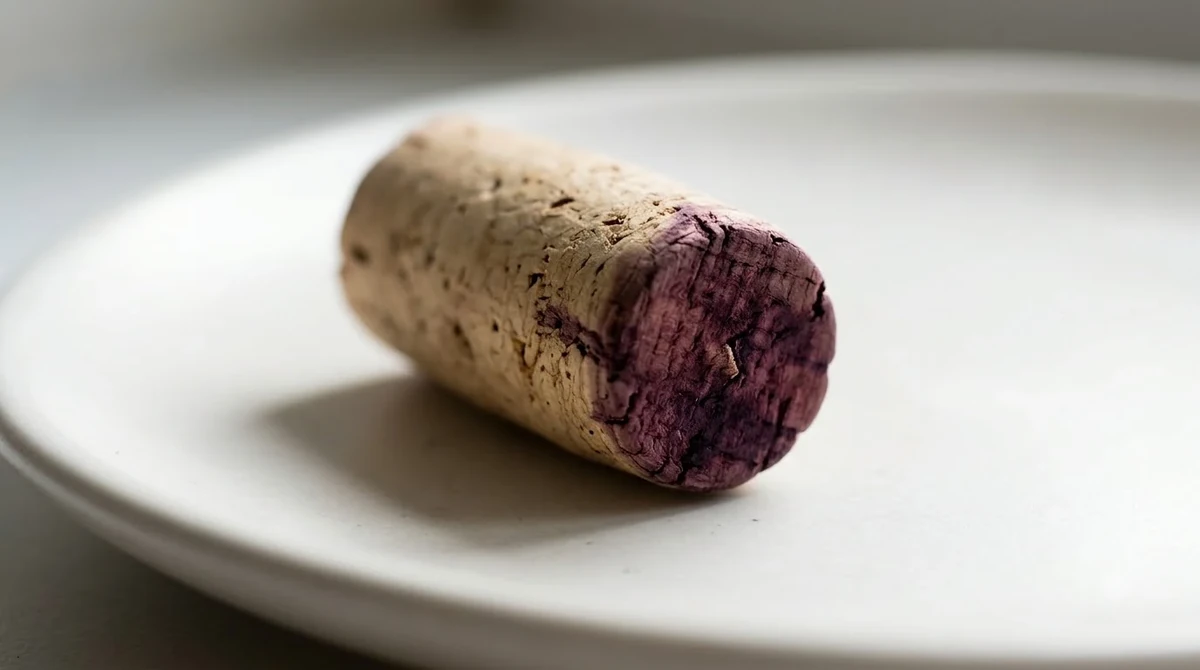
Wine Enthusiast describes Gamay as pale ruby in its wine color guide, emphasizing the relationship between its relatively light appearance and its refreshing fruit character. This is a useful starting point when comparing Gamay with other red varieties. It is generally less opaque than deeply colored wines made from Cabernet Sauvignon, Syrah or other grapes known for producing substantial pigment and structure.
The exact shade is not fixed. A young Beaujolais Nouveau may display a particularly lively purple-red appearance, while a more concentrated wine from a recognized Beaujolais cru can show a deeper ruby tone. Wines from the Mâconnais in southern Burgundy can also range from rich garnet to deep ruby, sometimes with purplish-blue reflections, according to the Bourgogne wine organization.
These differences do not mean that one shade is automatically better than another. Pale ruby can be a perfectly natural expression of a fresh, fruit-focused wine, while deeper color can accompany greater concentration and extraction. The producer’s decisions and the character of the vineyard both influence the result.
When looking at Gamay in a glass, three visual features are especially useful:
- Core color: Usually ruby red, ranging from light to medium intensity.
- Rim color: Often violet or purple in youthful examples, sometimes shifting toward garnet as the wine matures.
- Transparency: Many Gamay wines allow light to pass through, although more concentrated examples can appear noticeably darker.
For a useful comparison, examine Gamay beside pinot grigio color. The contrast between a pale white wine and a ruby red wine illustrates how differently grape varieties and winemaking methods influence the final appearance.
Why Dark Gamay Grapes Produce Red Wine
Gamay’s dark grape skins and naturally colorless juice explain an important part of its visual identity. The pigments responsible for its red and purple appearance are concentrated primarily in the skins, and winemakers extract them through contact between the juice and grape solids during fermentation.
The full name of the variety is Gamay Noir à Jus Blanc, which translates roughly to black Gamay with white juice. The name distinguishes the familiar red-wine grape from other Gamay varieties and describes its unusual-looking combination of dark berries and clear juice. The Bourgogne wine organization notes that the berries turn bluish and almost black as they ripen.
These characteristics are not unique to Gamay. Pinot Noir also has dark skins and colorless juice. In both varieties, the finished wine’s color depends substantially on how the winemaker manages contact with the skins.
How skin contact creates the color
When grapes are crushed or undergo fermentation, pigments known as anthocyanins move from the skins into the liquid. The amount extracted depends on several factors, including the duration of contact, temperature, grape condition and fermentation method. The Wine & Spirit Education Trust’s explanation of wine color describes how skin contact, temperature and extraction influence the final appearance of red wine.
Longer or more effective extraction can produce a wine with greater color intensity. However, winemakers do not simply aim for the darkest possible result. Gamay is appreciated for freshness, aromatic detail and supple texture, so excessive extraction may work against the intended style.
The relationship between skin contact and color also explains why two wines made from the same grape can look quite different. A light, fresh Beaujolais and a more structured Morgon may both be made predominantly from Gamay, yet their appearances can differ considerably.
Tip: Look at a Gamay glass against a white background under natural light. Tilt it slightly and examine both the center and the rim. This makes it easier to distinguish pale ruby, vivid purple reflections and deeper garnet tones.
How Beaujolais and Burgundy Influence Gamay Color
Beaujolais is the most important region for understanding Gamay’s visual identity, but wines from different vineyards can show noticeable differences. Soil, vineyard conditions, ripeness and winemaking choices all contribute to the range of colors found across the region.
According to the Beaujolais wine organization, approximately half of the world’s 30,000 hectares of Gamay plantings are located in Beaujolais. The grape accounts for 98% of the vineyard area producing Beaujolais wine. This concentration explains why the region provides such a useful reference for the variety.
Granite is particularly associated with Gamay’s success in Beaujolais. The grape can also grow in other soil types, and the differences between vineyards influence the character of the resulting wine. The Bourgogne wine organization identifies granite and siliceous subsoils in the Mâconnais as especially suitable for the variety.
Beaujolais Nouveau and Beaujolais-Villages
Beaujolais Nouveau is generally associated with a youthful, lively appearance. Its color may lean toward bright ruby, purple-red or violet, depending on the grapes and fermentation approach. The wine is made for early enjoyment, and its vivid fruit character often accompanies its fresh appearance.
Beaujolais-Villages offers a broader range of expressions. Some bottles remain light and translucent, while others have a richer ruby center. The variation reflects differences in vineyard conditions, grape maturity and production decisions rather than a single required shade.
The ten Beaujolais crus
The ten recognized crus provide further examples of how Gamay can express itself through different vineyard sites and winemaking styles. Brouilly, Côte de Brouilly, Régnié, Morgon and Moulin-à-Vent are among the named appellations that wine drinkers may encounter.
Some cru wines are more concentrated and structured than everyday Beaujolais. Their color can therefore appear deeper, although this is not a universal rule. A particularly pale wine from a cru vineyard is not necessarily inferior to a darker one.
Gamay is also important farther south in Burgundy, particularly in the Mâconnais. According to the Bourgogne wine organization, red wines from this area can show shades from rich garnet to deep ruby, with occasional purplish-blue hues. These examples demonstrate why Gamay cannot be assigned just one fixed color.
How Winemaking Changes Gamay’s Appearance
Winemaking has a direct influence on Gamay color, especially through fermentation and the extraction of pigments from the grape skins. Carbonic maceration and traditional fermentation can produce different visual and aromatic expressions, even when the same grape variety is used.
Carbonic maceration is strongly associated with Beaujolais winemaking. In this technique, whole grape clusters are placed in a carbon dioxide-rich environment, allowing fermentation processes to begin inside intact berries. The method can produce wines with distinctive fruity aromas and a lively appearance.
Some research on Gamay color published by DiWineTaste notes that carbonic maceration can extract substantial coloring compounds and accentuate purple or blue nuances. This helps explain why certain young Gamay wines appear more intensely purple than their relatively light body might suggest.
Carbonic and semi-carbonic maceration
Carbonic maceration and semi-carbonic maceration are related but not identical approaches. In traditional carbonic maceration, intact berries undergo intracellular fermentation in an atmosphere rich in carbon dioxide. In semi-carbonic methods, the weight of the grapes and the juice released from the lower layers help initiate fermentation while intact berries remain above.
Both methods can contribute to the distinctive fruit-forward profile associated with some Beaujolais wines. Aromas may include strawberry, cherry and raspberry, with banana or confectionery-like notes in certain examples. Their effect on color depends on the specific production process, rather than on the name of the technique alone.
Traditional fermentation and extraction
More conventional red wine fermentation typically involves crushing the grapes and allowing the juice to remain in contact with skins during fermentation. The winemaker can manage extraction through techniques such as temperature control, cap management and the length of maceration.
A longer maceration can encourage additional pigment extraction, but the resulting color also depends on grape maturity and the quality of the fruit. Some producers favor a gentle approach that preserves fresh fruit and a lighter appearance. Others aim for greater concentration and structure.
Oak aging may influence the way a wine develops, although it is not the main source of Gamay’s original ruby color. The initial pigment comes from the grape skins, while maturation can gradually alter the wine’s hue and aromatic character.
Gamay Color Changes With Bottle Age
Young Gamay usually shows its brightest ruby and purple tones, while older bottles can gradually develop garnet, brick-red or brownish reflections. This evolution is a normal part of red wine maturation and results from chemical changes involving pigments and oxygen.
Freshly released Beaujolais often emphasizes vivid fruit and a youthful visual profile. With time, the purple reflections may become less prominent, and the wine can develop a more muted red appearance. The speed of this process depends on the wine’s structure, storage conditions and production style.
The Bourgogne wine organization explains that Gamay wines can develop aromas of prunes and spices after several years in the bottle. Earthy and undergrowth notes may also become more noticeable. The tannins can soften over time, creating a smoother impression on the palate.
Young Gamay versus mature Gamay
The following table provides a practical visual comparison. These are descriptive tendencies rather than official color classifications or mandatory aging periods.
| Wine stage | Typical appearance | Common visual clues |
|---|---|---|
| Fresh young Gamay | Bright ruby | Vivid red center and purple rim |
| Young carbonic-style Gamay | Ruby-purple | Pronounced violet or blue reflections |
| Concentrated cru Gamay | Medium to deep ruby | Greater color intensity and a darker center |
| Maturing Gamay | Ruby to garnet | Less pronounced purple reflections |
| Older Gamay | Garnet or brick-red | More muted color and possible brownish tones |
Age should not be judged by color alone. A bottle that appears slightly lighter may still be fresh and enjoyable, while a darker bottle does not automatically have greater aging potential. Vintage conditions, vineyard location and production decisions all matter.
Storage also plays a role. Keep bottles on their sides when sealed with natural cork, in a cool and relatively stable environment near 55 F. Avoid prolonged exposure to sunlight and substantial temperature fluctuations, both of which can accelerate unwanted changes.
How to Identify Gamay by Color and Compare It With Other Wines
Gamay is often recognizable through a combination of bright ruby color, moderate transparency and violet reflections. However, appearance alone cannot establish a grape variety with certainty, so it helps to compare its visual characteristics with its aromas and structure.
Wine Enthusiast’s color guide places Gamay in the pale ruby category and Pinot Noir in the ruby category. This provides a useful visual distinction, although individual bottles can overlap. Both varieties are associated with red-fruit flavors and relatively gentle tannins, making them more difficult to distinguish by sight alone.
Cabernet Sauvignon is a useful contrast because it generally has higher tannin and a deeper ruby appearance. Syrah can also produce more intense purple tones, often accompanied by darker fruit characteristics. Gamay typically presents a lighter and more transparent profile.
Color comparison with common wine varieties
- Gamay: Pale to medium ruby, frequently with violet or purple reflections.
- Pinot Noir: Ruby red, often relatively transparent, with red-fruit aromas and gentle tannins.
- Cabernet Sauvignon: Deep ruby, generally more opaque, with higher tannin.
- Syrah: Often deep ruby to purple, with medium-plus to high tannin.
- Merlot: Ruby to deep ruby, with medium tannin and a softer texture than Cabernet Sauvignon.
These comparisons are general guidelines. A cool-climate Cabernet Sauvignon may look different from a ripe example, and an extracted Gamay may appear darker than expected. The producer’s style can be just as important as the grape variety.
Using aroma and taste to confirm the visual impression
Gamay’s typical aromatic profile offers another way to recognize it. Raspberry, wild strawberry, blackberry and black cherry are among the fruits identified by the Beaujolais wine organization. Depending on the wine, floral and peppery notes may also appear.
On the palate, Gamay is generally fresh, lively and relatively low in tannin. Its acidity helps balance its fruit character, while its softer structure makes it suitable for a wide range of foods. A wine with bright ruby color, fresh red-fruit aromas and gentle tannins is consistent with a typical Gamay profile.
For a broader understanding of how visual characteristics vary between wine categories, explore Wine by Type. Comparing different grape varieties and styles is more useful than relying on color as the only identification method.
Serving temperature and food pairing
Serving temperature can change how Gamay appears and tastes in the glass. A slightly chilled red can emphasize freshness, while excessive warmth may make its alcohol seem more noticeable and reduce the impression of crispness.
A practical serving range for lighter red wines is 55-60 F. This is a useful starting point for many fresh Beaujolais bottles. More concentrated examples can be served toward the upper end of that range, depending on their structure and personal preference.
Gamay pairs naturally with charcuterie, roasted poultry, rabbit and slow-cooked beef. Its acidity works well with savory foods, while its generally gentle tannins make it versatile at the table. Salt and fat can also soften the perception of tannin, helping explain why cured meats and richer dishes are successful combinations.
For additional comparisons, see cava color and moscato color. These wines illustrate how sparkling and sweet styles have different visual characteristics from a still red Gamay.
Frequently Asked Questions
Is Gamay naturally a red grape or a white grape?
Gamay is a dark-skinned red grape, formally called Gamay Noir à Jus Blanc. The second part of its name refers to its naturally colorless juice. The distinction is important because the finished wine gets its red color through pigment extraction from the skins.
Does Gamay produce rosé wine as well as red wine?
Yes. Gamay is used to produce rosé as well as red wines, including examples from the Beaujolais and Beaujolais-Villages appellations. Rosé production generally involves more limited contact between the juice and grape skins, producing a lighter pink appearance.
Why can Gamay wines have blue or violet reflections?
These reflections are associated with anthocyanin pigments extracted from the grape skins. Certain fermentation approaches, including carbonic maceration, can accentuate the purple appearance. The final shade also depends on grape maturity, vineyard conditions and production choices.
Is Beaujolais Nouveau always made using carbonic maceration?
No. Carbonic and semi-carbonic techniques are strongly associated with Beaujolais Nouveau, but production methods are not identical for every bottle. Producers can use different fermentation approaches to achieve their preferred balance of fruit, freshness and structure.
Can Gamay be used in sparkling wine?
Yes. Gamay can contribute to sparkling wine production, including certain Crémant de Bourgogne wines. The Bourgogne wine organization also identifies Gamay as a grape used in Coteaux Bourguignons and Bourgogne Passe-Tout-Grain wines.
Gamay is best recognized by its lively ruby-red color, frequent violet reflections and relatively transparent appearance. Differences between Beaujolais Nouveau, Beaujolais-Villages, the crus and Mâconnais wines show how much variety this grape can offer. Looking at color alongside aroma, acidity and tannin provides a much more reliable understanding of the wine in your glass.
More in Wine Types & Grapes
 What Does Mourvèdre Taste Like? Flavor Profile, Regions, and PairingsUpdated Nov 20, 2026
 What Does Marsanne Taste Like? Flavors, Styles, and Food PairingsUpdated Nov 20, 2026
 What Does Malvasia Taste Like? Styles, Flavors, and Food PairingsUpdated Nov 20, 2026
 What Does Grenache Blanc Taste Like? Flavor Profile, Styles, and PairingsUpdated Nov 20, 2026
 What Does Garnacha Taste Like? Key Flavors, Styles, and Pairing TipsUpdated Nov 20, 2026
 What Does Fruit Wine Taste Like? A Complete Flavor and Style BreakdownUpdated Nov 20, 2026