

We may earn a commission when you buy through links on this page, at no extra cost to you. Learn more.
What is domaine in wine? Domaine is the French word for an estate, and on a wine label it identifies a wine-producing property associated with growing grapes and making wine. The term appears particularly often on bottles from Burgundy, although it is also used in other French wine regions. Understanding the word helps you identify the producer, interpret estate-bottling statements, and distinguish grower-produced wines from those made by négociant merchants. It does not, by itself, guarantee that a wine is expensive or exceptional.
French wine labels contain several words that communicate where a wine comes from and who made it. Domaine is one of the most useful terms to recognize, particularly when exploring Burgundy Pinot Noir and Chardonnay. Although the word sounds like a simple winery designation, it carries additional significance under French wine-labeling conventions. Understanding how it relates to vineyards, producers, appellations, and bottling makes shopping for French wine considerably easier.
What Domaine Means on a Wine Label
Domaine translates into English as estate or property. In winemaking, it identifies a wine-producing estate and the producer associated with its vineyards and cellar operations. A bottle bearing the name Domaine followed by a family name or producer name therefore points toward the estate responsible for the wine.
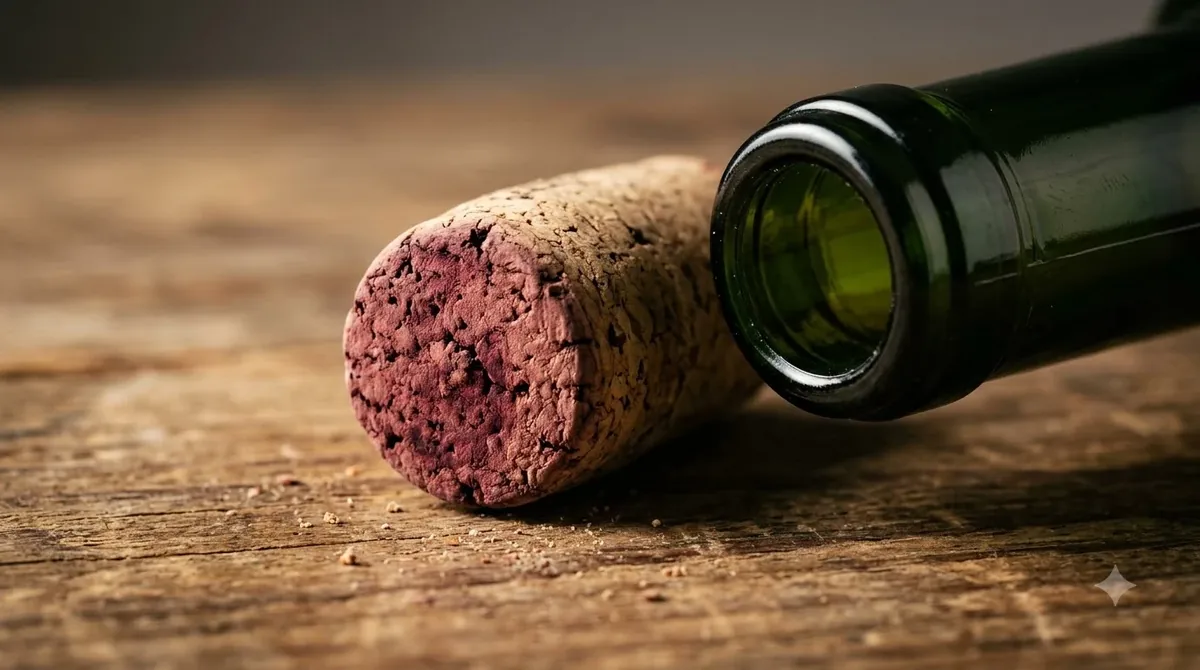
The term is particularly familiar in Burgundy, where vineyard ownership and small-scale grower production have a long history. A label might feature a producer such as Domaine Armand Rousseau alongside the name of a village or individual vineyard. The producer’s name and the vineyard designation communicate different information: one identifies who made the wine, while the other identifies its geographical origin.
Importantly, domaine is not a grape variety, a wine color, or an appellation classification. It does not tell you whether the bottle contains Pinot Noir, Chardonnay, or another grape. Nor does it independently indicate whether the wine is dry, sweet, sparkling, or still.
Think of domaine as an estate identity rather than a description of the wine’s flavor. A domaine can produce several wines from different vineyards, and those wines may vary considerably in grape variety, growing conditions, production methods, and style.
For example, a Burgundy producer might release a regional Bourgogne Rouge, a village Gevrey-Chambertin, and a Premier Cru wine from a particular vineyard. All three can carry the same domaine name while representing different geographical origins and production decisions.
The distinction becomes especially useful when comparing bottles from the same appellation. Two wines might both say Meursault, yet their producer names can identify different estates working with different vineyard holdings and winemaking approaches.
In practical terms, domaine helps answer an important purchasing question: who is responsible for the grapes and the wine? It gives you a starting point for learning about the producer rather than relying exclusively on the region or appellation printed on the label.
French Regulations and the Meaning of Estate Production
Domaine is more than an attractive French word used for marketing. French wine-labeling regulations place restrictions on its use for qualifying appellation and geographical-indication wines. The designation is associated with wine entirely obtained from an estate, including the harvesting of grapes and vinification.
According to the French government’s consumer and competition authority, terms including domaine and château identify wine-growing operations and are reserved for wines entirely obtained on the estate through harvesting and winemaking. This distinction helps consumers separate qualifying estate production from wines made using externally sourced grapes or wine.
In practical terms, the estate must have a genuine connection to the agricultural production and winemaking process. Simply purchasing finished wine from another producer and placing a domaine-style name on the bottle does not establish the same qualifying estate-production relationship.
The distinction is important because a wine company can operate several different parts of the wine business. One producer might cultivate vineyards, harvest grapes, ferment the fruit, age the wine, and bottle it. Another company might purchase grapes or finished wine and sell the resulting product under its own commercial label.
These are different production models, and French labeling terminology helps identify them. The word domaine is associated with the former estate-production model, while négociant describes the merchant model discussed later in this article.
Does domaine mean estate bottled?
Not necessarily. The estate designation and an explicit statement about where bottling occurred communicate related but different information. A wine can qualify for a domaine designation because of where its grapes were harvested and vinified without the label necessarily making the separate claim that bottling happened at the estate.
For a more specific bottling statement, look for the French expression mis en bouteille au domaine. It means bottled at the estate. The French government explains that this expression applies to qualifying wines vinified at the estate that have not left its cellars before bottling.
This is a more precise statement about the wine’s journey through production. It indicates that the wine remained at the estate between vinification and bottling rather than being transported elsewhere for that stage.
Another expression, mis en bouteille à la propriété, refers to bottling at the property. French regulations also allow this wording for qualifying wines bottled at the cooperative cellar associated with the estate. Consequently, it does not always mean that bottling took place inside the producer’s own individual cellar.
Tip: Treat domaine and mis en bouteille au domaine as two separate pieces of information. The first identifies the estate-production relationship; the second specifically indicates where the wine was bottled. Understanding both statements gives you a clearer picture of the production process.
For additional background, the French government’s official wine-labeling explanation outlines the distinction between estate terminology, bottling statements, and mandatory label information.
Domaine vs. Château vs. Maison and Négociant
Domaine, château, maison, and négociant are related French wine terms, but they do not describe precisely the same thing. Understanding their differences helps explain why a Burgundy bottle may carry Domaine while a Bordeaux bottle displays Château, or why a Champagne label features the name of a Maison.
Domaine identifies an estate associated with grape growing and wine production. It is particularly common in Burgundy, where individual growers frequently produce wines from several vineyard parcels.
Château literally means castle or manor house. In wine terminology, it is traditionally associated with Bordeaux estates. However, the designation does not require the property to contain a grand historic castle. It identifies a wine-producing estate rather than guaranteeing anything about the building’s appearance.
Maison means house. In French wine, the term is frequently associated with a merchant house or established wine business. A maison can purchase grapes or wine from growers and produce, blend, age, or bottle wine under its own name.
Négociant refers to a wine merchant who purchases grapes, must, or finished wine from other producers. Depending on the business, the merchant may undertake fermentation, blending, aging, or bottling before selling the wine under its own label.
The distinction between an estate grower and a merchant is especially relevant in Burgundy. Some wine businesses operate both types of production. They may release wines made from their own vineyards as domaine bottlings while also purchasing fruit or wine from other growers for separate négociant releases.
| French term | General meaning | Typical wine context |
|---|---|---|
| Domaine | Wine-producing estate | Burgundy and the Loire |
| Château | Wine estate | Bordeaux |
| Maison | Wine house or merchant business | Champagne and Burgundy |
| Négociant | Merchant purchasing grapes or wine | Burgundy and Bordeaux |
| Cave coopérative | Grower cooperative cellar | Several French wine regions |
These terms should not be interpreted as a simple quality ranking. A négociant can make excellent wine by sourcing carefully selected grapes from respected growers. Likewise, a domaine can produce wines that vary in quality depending on vineyard conditions, harvest decisions, and winemaking.
For more help understanding unfamiliar French expressions, the Wine Society’s French wine-label explanation provides useful definitions of château, domaine, négociant, and other common label terms.
Why Domaine Appears So Frequently on Burgundy Wines
Burgundy is particularly associated with the domaine system because of its history of family vineyards, fragmented land ownership, and producer-focused winemaking. A single estate can hold several small vineyard parcels, sometimes spread across different villages, rather than owning one large continuous vineyard.
The Burgundy wine region stretches through several important sections, including Chablis, Côte de Nuits, Côte de Beaune, Côte Chalonnaise, Mâconnais, and Beaujolais. Different areas have distinct growing conditions and grape-growing traditions. Pinot Noir is the leading red grape in much of Burgundy, Chardonnay is the principal white grape, and Gamay is especially important in Beaujolais.
Estate ownership can be complicated because vineyards have been divided among families and heirs over generations. The Court of Master Sommeliers Americas describes how the Napoleonic inheritance system contributed to the fragmentation of Burgundy vineyard holdings.
One famous example is Clos Vougeot. This walled Grand Cru vineyard covers approximately 125 acres, or 51 hectares, and is divided into nearly 80 different ownership plots. Different producers can therefore make wine carrying the Clos de Vougeot designation while working with separate parcels of the same vineyard.
This arrangement explains why the domaine name matters so much in Burgundy. The vineyard designation tells you where the grapes originated, but the domaine name identifies the producer responsible for the wine.
For example, two bottles carrying the same Grand Cru vineyard designation might come from different estates. They share the geographical classification, but their producers may work with different parcels and follow different approaches to harvesting, fermentation, aging, and blending.
There is also an important distinction between a domaine and a monopole. A monopole is a vineyard site held entirely by one owner. It is relatively uncommon in Burgundy, where many celebrated vineyards have multiple owners. A domaine, by comparison, can own several parcels across multiple appellations without having exclusive ownership of any particular vineyard.
Another useful term is climat. In Burgundy, a climat identifies a specific vineyard site with its own geographical characteristics, historical identity, and growing conditions. It is not simply another word for the producer or the entire estate.
These terms work together on a Burgundy label. The domaine identifies the producer, the climat identifies a particular vineyard site, and the appellation identifies the recognized geographical wine category.
How to Read a Domaine Wine Label
A French wine label can contain several layers of information, and the domaine name is only one part of the picture. To understand what you are buying, examine the producer, appellation, vineyard designation, grape variety where provided, vintage, and alcohol content together.
Start with the producer name. If a bottle says Domaine followed by a family or estate name, you have identified the wine-producing property. This is useful because producer reputation can be an important consideration when comparing wines from the same geographical area.
Next, identify the appellation. For example, Bourgogne Rouge indicates a red Burgundy wine, while Gevrey-Chambertin identifies a more specific village appellation. Meursault is a village appellation particularly associated with white Chardonnay wines.
Then examine any vineyard classification. Burgundy has four principal levels in its appellation hierarchy:
- Regional: Wines identified by broader geographical names such as Bourgogne.
- Village: Wines associated with a named village, such as Meursault or Gevrey-Chambertin.
- Premier Cru: Wines from designated vineyard sites within qualifying village appellations.
- Grand Cru: Wines from Burgundy’s most highly classified individual vineyard appellations.
The Court of Master Sommeliers Americas uses the example of Gevrey-Chambertin to illustrate how these classifications appear on labels. A village wine identifies the village, a Premier Cru wine adds the name of a designated vineyard, and a Grand Cru wine can carry the vineyard name as its principal geographical designation.
Remember that these classifications refer to geographical origin and appellation rules. They are not a guarantee that every Grand Cru wine will taste better than every Premier Cru or village wine.
The following example shows how the different pieces of information work together:
Example label: Domaine Example, Gevrey-Chambertin Premier Cru, Pinot Noir, 2022, 13% ABV.
Producer: Domaine Example identifies the estate.
Appellation: Gevrey-Chambertin identifies the geographical origin.
Classification: Premier Cru indicates a designated vineyard classification.
Grape: Pinot Noir identifies the grape variety.
Vintage: 2022 identifies the harvest year.
Alcohol: 13% ABV indicates the wine’s alcohol strength.
Not every French label displays the grape variety prominently. In many French appellations, the geographical designation and its production rules provide the main information about which grapes are used.
The bottler’s identity is also important. French wine labels must identify the bottler or responsible supplier, along with mandatory information such as country of origin, volume, alcohol strength, and allergens. A standard bottle contains 750 milliliters, making the volume another useful detail when comparing formats.
When examining an unfamiliar label, work from the producer to the appellation and then to the vineyard classification. This approach prevents confusion between the name of the estate and the geographical name of the wine.
Does Domaine Mean Better Wine Quality?
No. Domaine identifies a production and estate relationship, not a guaranteed quality level. A domaine wine can be outstanding, ordinary, or disappointing, just as a négociant wine can range from simple everyday drinking to highly regarded fine wine.
Estate production does offer certain potential advantages. When the same producer manages the vineyards and makes the wine, there can be closer control over vineyard practices, grape selection, harvest timing, and cellar decisions. The producer can also develop detailed knowledge of individual vineyard parcels over many growing seasons.
However, ownership and production control do not automatically translate into excellent wine. Weather, soil conditions, vine health, harvest decisions, fermentation, aging, and storage all influence the final result.
Consider two producers working with Chardonnay in Burgundy. One might farm carefully maintained vineyards, harvest at an appropriate level of ripeness, and produce a balanced wine with freshness and complexity. Another might make less successful decisions during the same growing season. Both could carry legitimate domaine designations, but their wines would not necessarily be equal.
The same principle applies when comparing domaines and négociants. A skilled merchant can develop strong relationships with growers and obtain excellent grapes from well-managed vineyards. Some merchant houses have decades of experience selecting fruit and producing wines that express specific appellations.
What matters more than the word domaine?
When selecting a bottle, consider the producer’s reputation, the appellation, the specific vineyard, and the vintage. These details provide a much more useful assessment than the estate designation alone.
For Burgundy, it is especially helpful to distinguish between the producer and the vineyard classification. A respected grower working with a village-level vineyard can make a compelling wine, while a less accomplished producer may struggle to achieve the same results from a more prestigious site.
Pay attention to how the producer works. Sustainable vineyard management, thoughtful harvesting, careful sorting, fermentation choices, and appropriate maturation can all contribute to the final character of a wine.
Also consider the style you enjoy. A Pinot Noir from the Côte de Nuits may show different fruit characteristics and structure from one grown farther south in the Mâconnais or Beaujolais, where different grapes and regional traditions influence the wines.
For white Burgundy, Chardonnay from Chablis can offer a different expression from Chardonnay grown in Meursault. The producer’s identity helps you investigate the individual wine, but the appellation and vineyard remain essential pieces of information.
In short, domaine is a useful indicator of provenance and production responsibility. It is a starting point for evaluating a wine, not a substitute for considering the producer’s actual work and the origin of the grapes.
Buying, Serving, and Storing Domaine Wines
Once you understand what domaine means, buying French estate wines becomes easier because you can interpret the producer and geographical information more confidently. The best approach is to choose a bottle based on its appellation, grape variety, producer, and intended drinking occasion rather than relying on the domaine designation alone.
For someone beginning with Burgundy, a regional Bourgogne Pinot Noir or Chardonnay can provide an accessible introduction to the region’s style. Village wines from places such as Chablis, Meursault, and Gevrey-Chambertin offer more specific geographical identities. Premier Cru and Grand Cru labels identify increasingly specific vineyard origins.
Consider the following serving temperatures as general starting points:
- Light-bodied red Burgundy: 55–60°F.
- Fuller-bodied red wine: 60–65°F.
- Light white Burgundy: 45–50°F.
- Fuller-bodied white Burgundy: 50–55°F.
Serving temperature can influence how a wine expresses its fruit, acidity, alcohol, and texture. A lighter Pinot Noir can lose some of its freshness if served too warm, while an overly cold Chardonnay may seem less expressive.
For red Burgundy, use a suitable wine glass with enough bowl space to allow aromas to develop. A standard serving is approximately 5 ounces, and a 750-milliliter bottle provides about five standard glasses.
Some young, full-bodied red wines benefit from decanting for 30 to 60 minutes. However, delicate older Pinot Noir may require gentler handling, since extended exposure to air can diminish its aromatic character. Decanting should therefore depend on the individual wine rather than the presence of the word domaine on its label.
Storage also matters. Keep unopened wine bottles on their sides in a cool, stable environment near 55°F, away from direct sunlight and large temperature fluctuations. Proper storage helps preserve the wine’s condition and allows it to develop as intended.
After opening, refrigerate still wines and generally aim to finish them within three to five days. The precise window depends on the wine’s condition, age, structure, and exposure to oxygen.
When planning an event, bottle size is another practical consideration. A standard 750-milliliter bottle provides approximately five 5-ounce servings, while a magnum contains 1.5 liters, or twice the volume of a standard bottle. For larger gatherings, calculating the quantity needed in advance helps avoid running short or purchasing excessive wine. Our guides on how many glasses in a magnum and how much wine for 100 guests provide additional planning information.
Ultimately, a domaine wine should be evaluated as an individual bottle. Its estate name provides valuable information about the producer, but the appellation, vineyard, vintage, grape variety, and storage history help determine whether it suits your preferences.
Frequently Asked Questions
Is domaine an English word or a French word?
Domaine is a French word derived from the broader idea of an estate, domain, or property. Its pronunciation is approximately doh-MEN, with the final syllable carrying the emphasis. The plural French form is domaines, which refers to multiple estates.
Can a domaine produce both red and white wine?
Yes. A single domaine can produce several wine styles depending on its vineyard holdings and permitted grape varieties. For example, a Burgundy estate may produce Pinot Noir reds and Chardonnay whites from different parcels within its holdings.
Can a domaine have vineyards in more than one village?
Yes. Burgundy estates can own or operate separate vineyard parcels in multiple villages. A single producer might therefore release wines from several appellations, including villages such as Volnay, Pommard, and Meursault, under the same estate identity.
What does propriétaire-récoltant mean on a French wine label?
Propriétaire-récoltant describes a property owner or grower who harvests grapes and produces wine. The term emphasizes the relationship between vineyard ownership, grape harvesting, and wine production. It is useful terminology when comparing independent growers with merchant businesses.
What does clos mean in a Burgundy wine name?
Clos traditionally refers to a vineyard enclosed by walls, often dry-stone walls. Clos de Bèze in Gevrey-Chambertin is an example with a long historical association dating back to the seventh century. The presence of clos in a wine name identifies a vineyard-related designation rather than the producer’s estate category.
Understanding domaine makes French wine labels much easier to interpret, particularly when exploring Burgundy and its diverse vineyard holdings. Remember that the term identifies an estate and its production relationship, while appellations and vineyard classifications explain where the wine originates. By considering all these details together, you can make more informed choices and discover producers whose wines match your preferences.
More in Wine Basics
 Which Rose Is Best for Your Taste, Budget, and Food PairingsUpdated Nov 21, 2026
 Is Cheap Wine Bad? How to Find Bottles Worth DrinkingUpdated Nov 21, 2026
 What To Write On A Wine Gift Tag: Thoughtful Messages For Every OccasionUpdated Nov 21, 2026
 Which Wine Is Best For Weight Loss? Compare Lower-Calorie ChoicesUpdated Nov 21, 2026
 What Is The Best Wine For Mimosas? Choose Bubbly That Balances Orange JuiceUpdated Nov 20, 2026
 Which Prosecco Is Best for Your Taste and OccasionUpdated Nov 20, 2026